
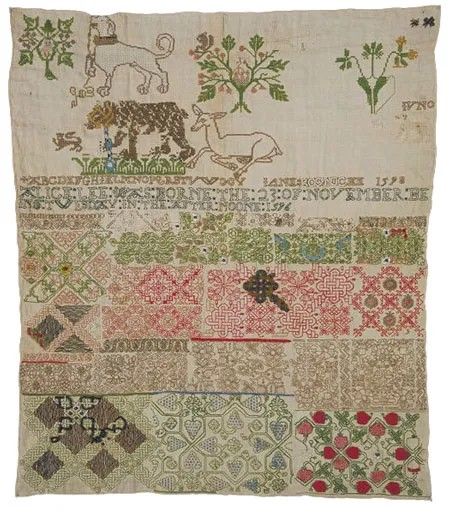
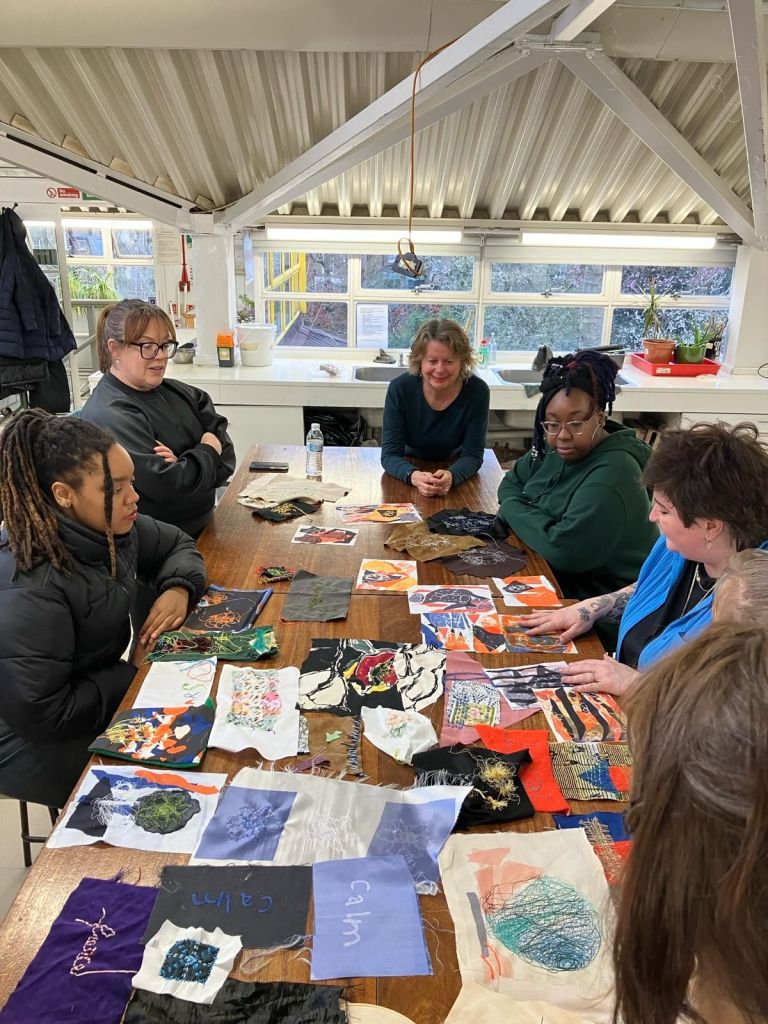
We met on Friday to discuss stiching and embroidery, where necessity, craft and art intersect. The western European tradition of sampling,where, women produced fine and decorative examples of embroidery producing patterns, religious tracts, or images of familiar objects, animals and houses. Occasionally the embroidery would be personal and confessional
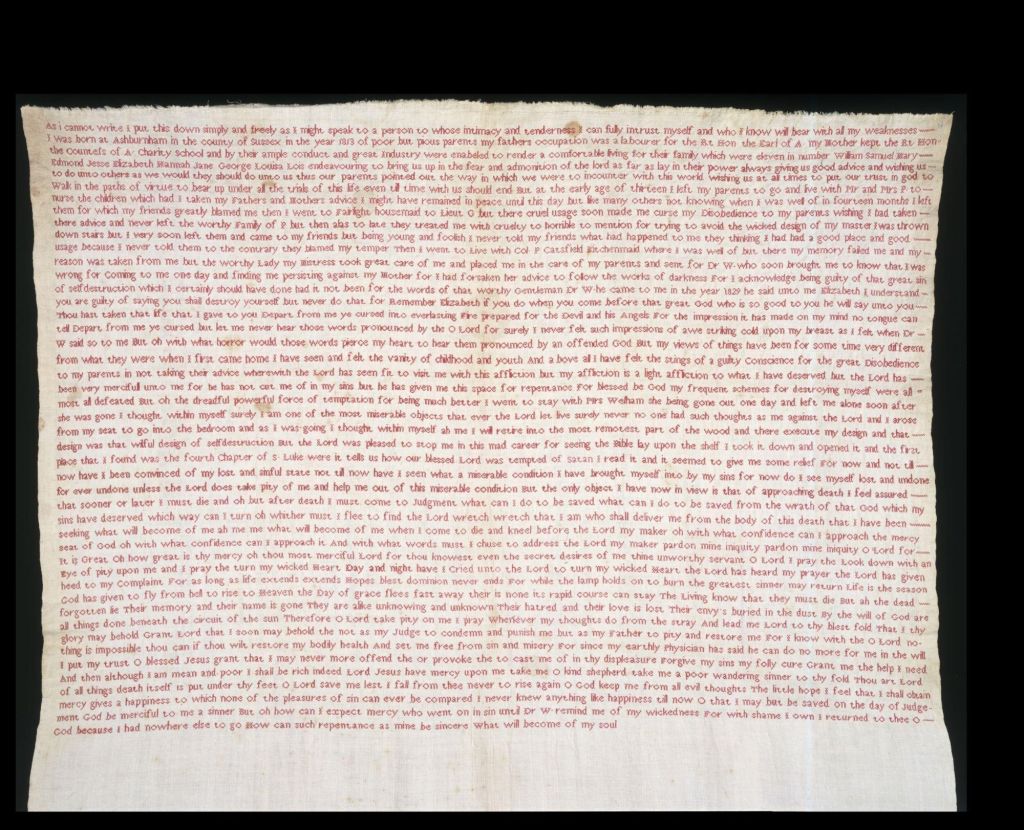
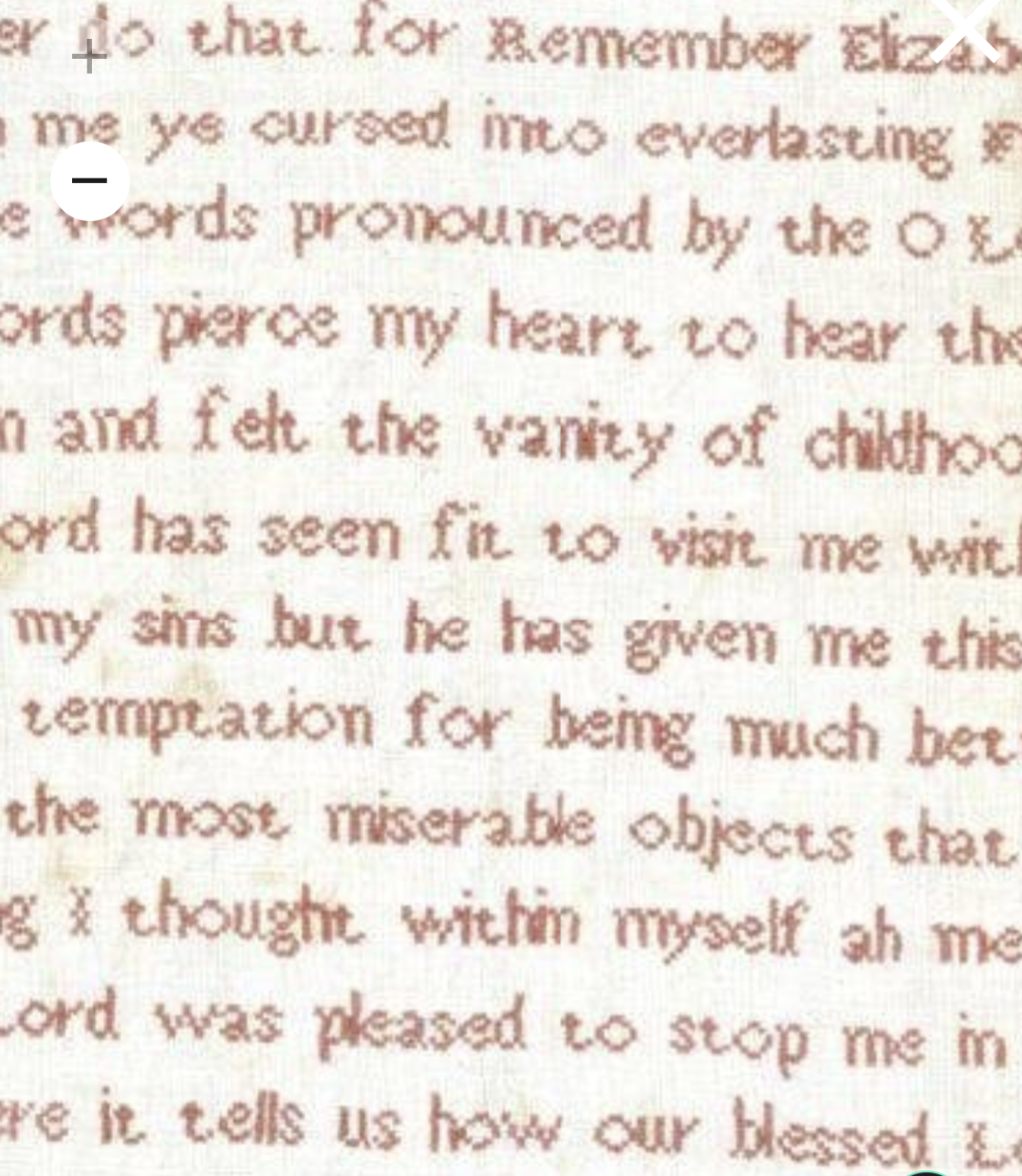
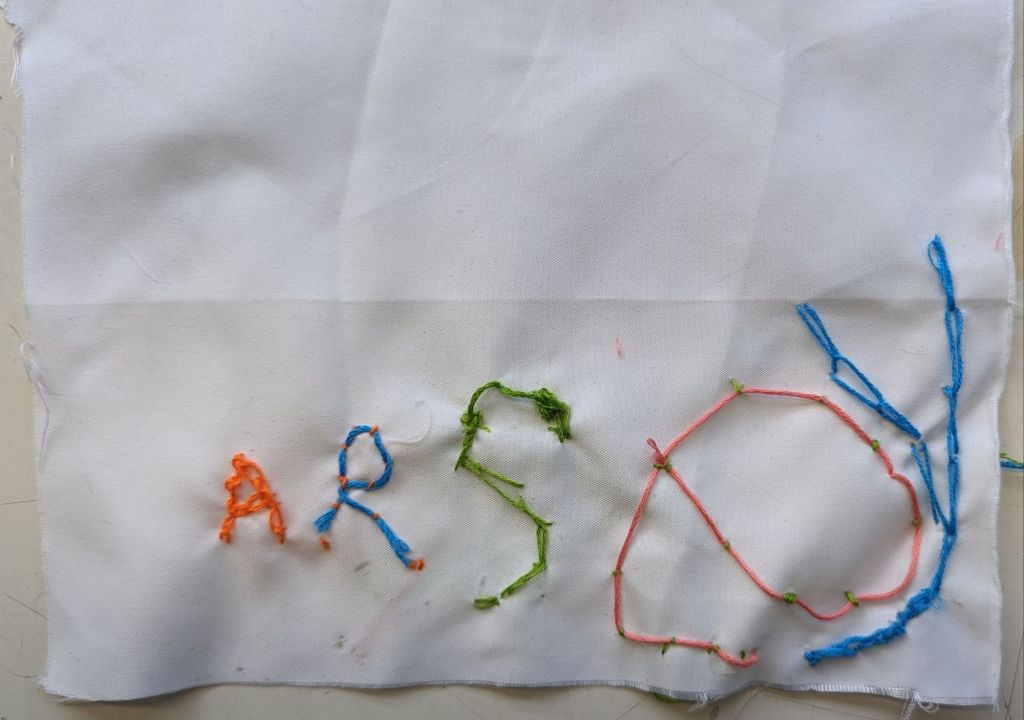
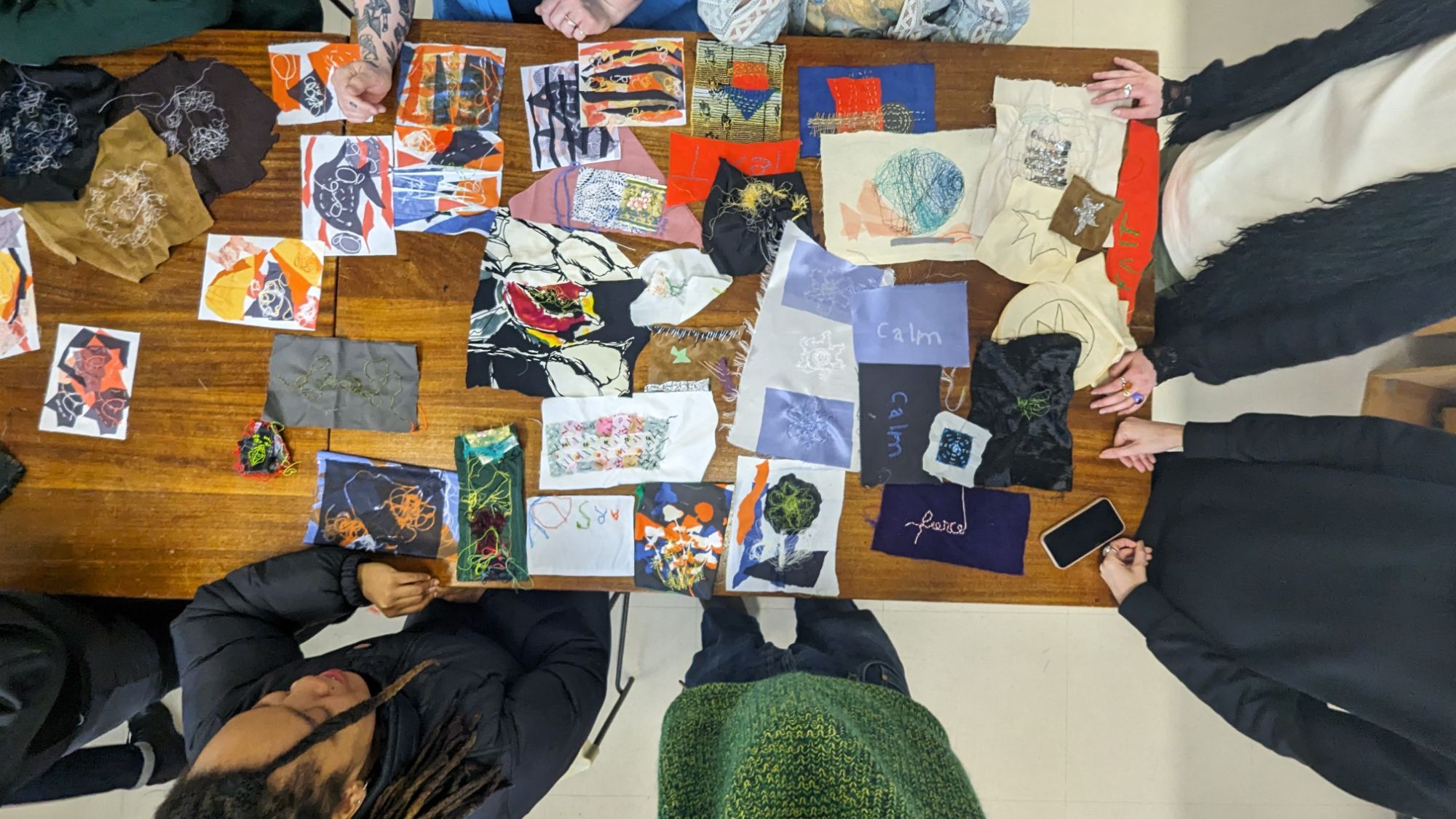
We produced our own stitched word expressing identity.
We discussed Boro( repairing patchwork) and Sashiko ( decorative and overt stitching)
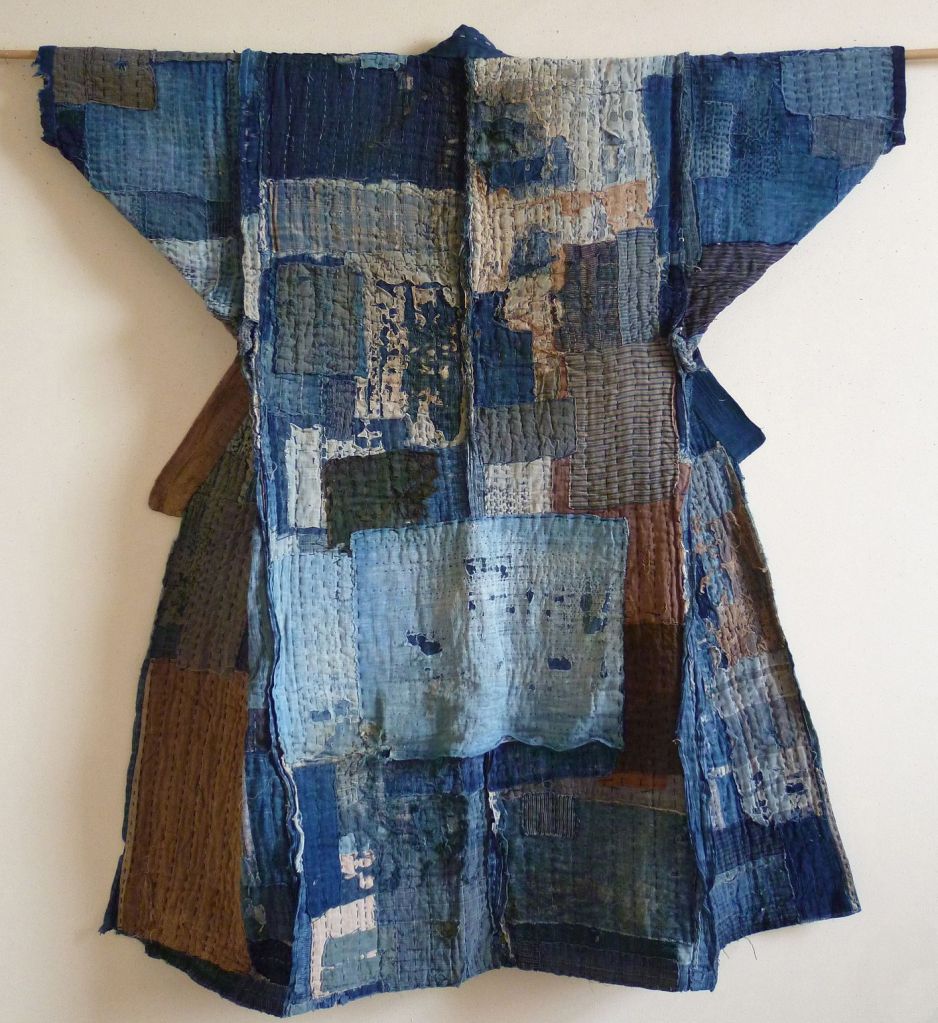
the Boro tradition of visible repair,developed out of necessity became recognized as a craft and eventually embraced as an art form.
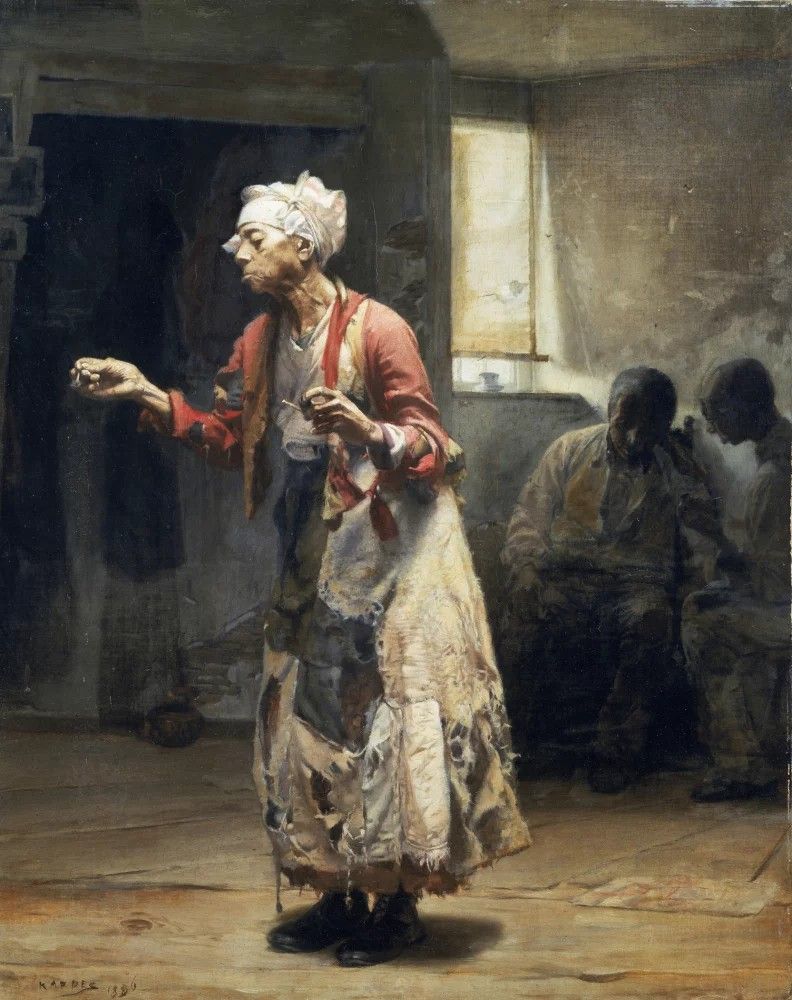
The patched clothes of the western poor received no recognition.
Sashiko sometimes a decorative and overt form of stitching with thick thread of a contrasting colour, the opposite of the discret hidden ‘ invisible mending’ of the west
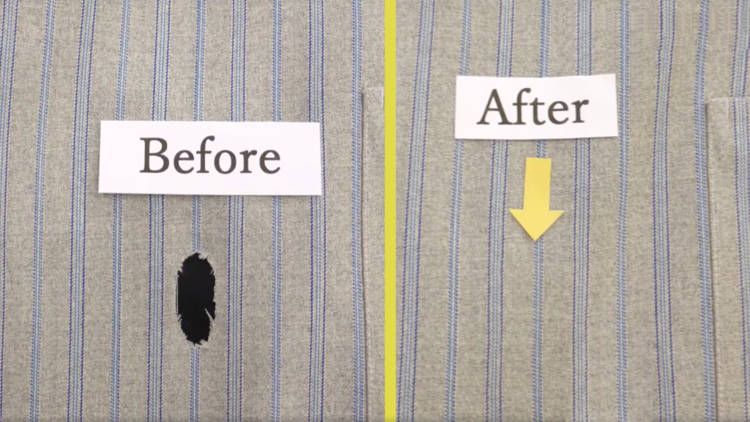
Although ironically some of the best practices were imported from Japan.
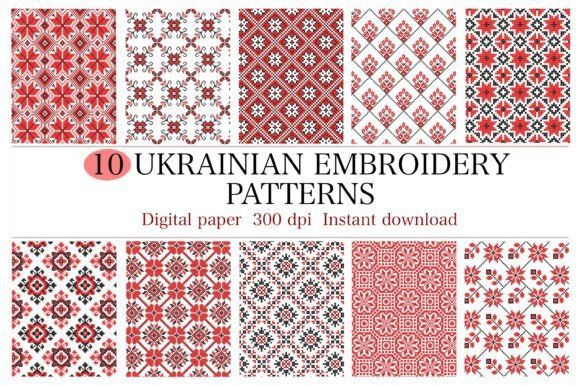
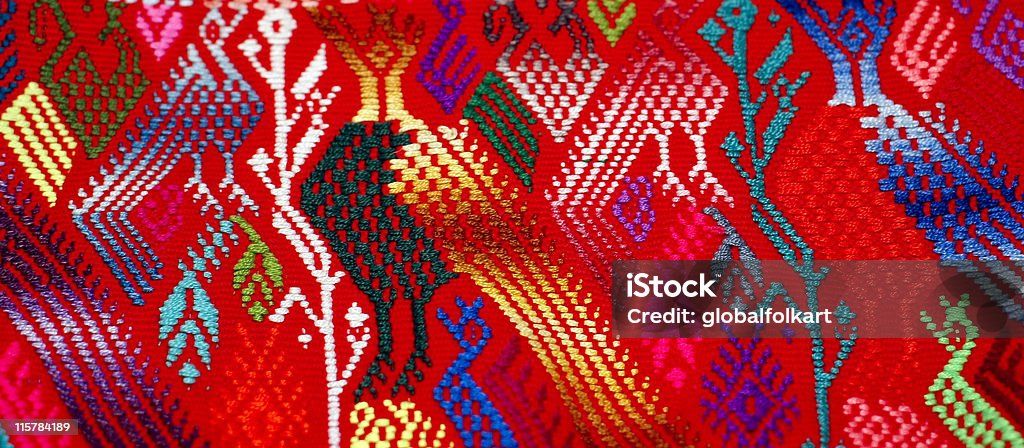
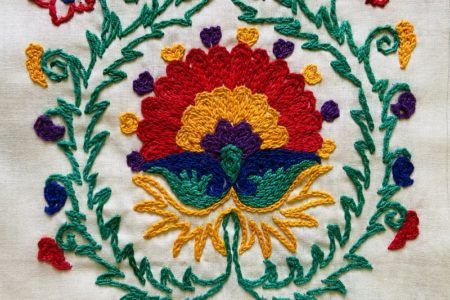
Across continents and centuries embroidery is used not only as decoration.but takes symbolic, religious and distinctive forms of regional Identity.
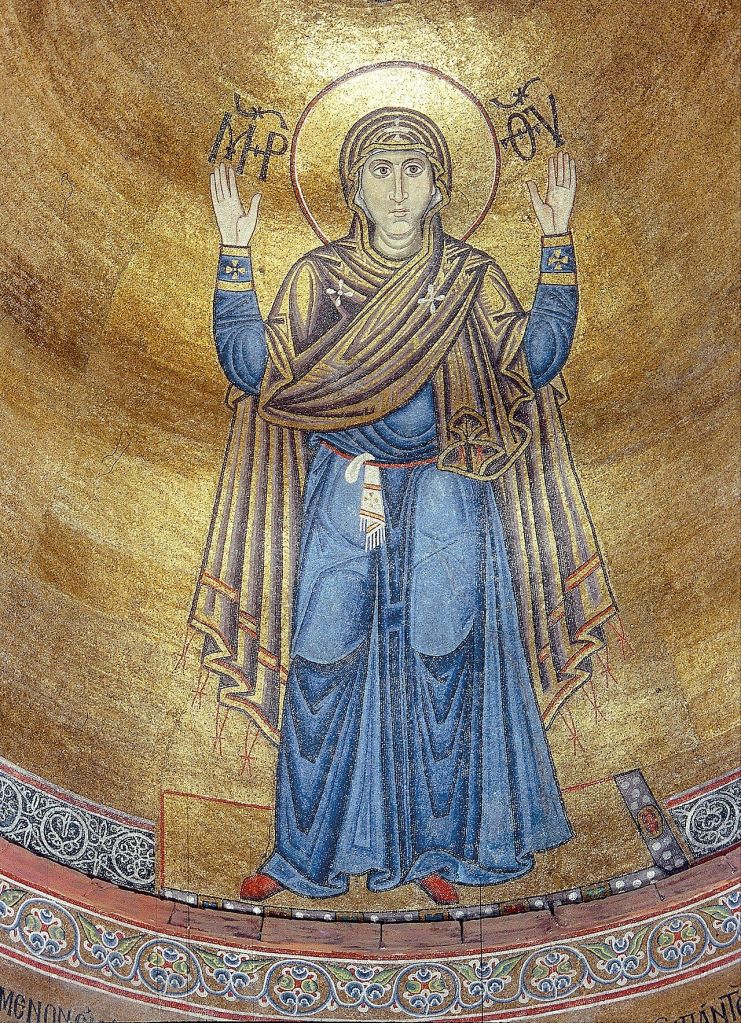
A day of sewing gave us all an opportunity to reflect on the relaxing, mindful aspect of handsewing, a long tradition of group activity
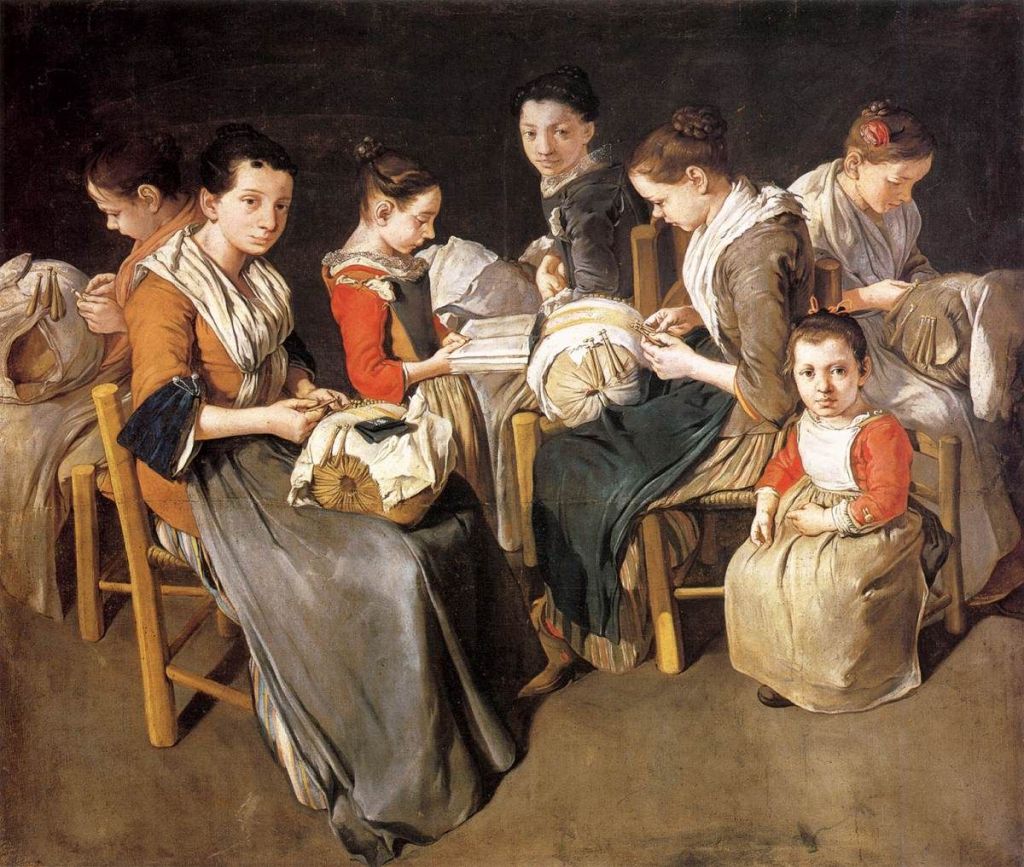
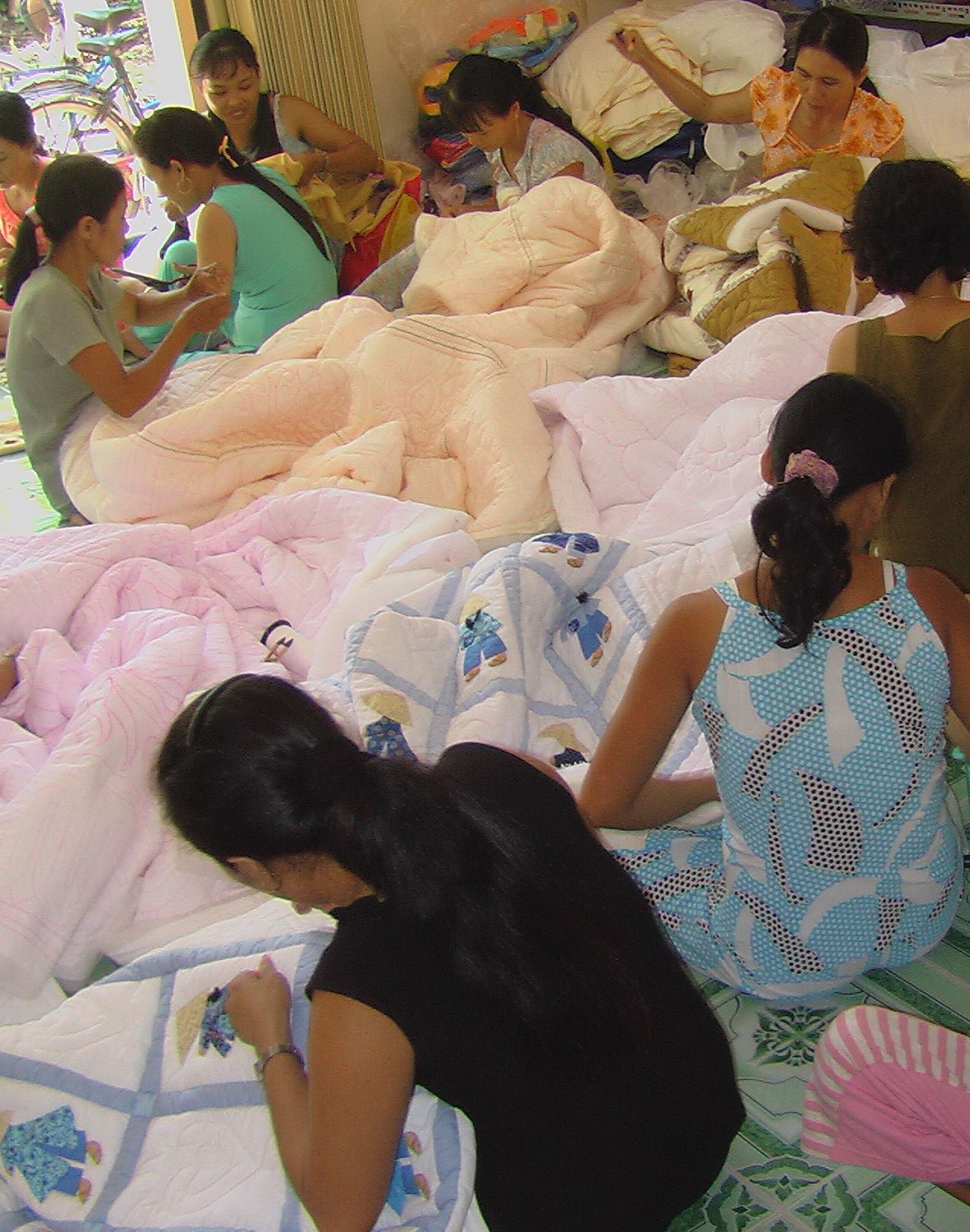
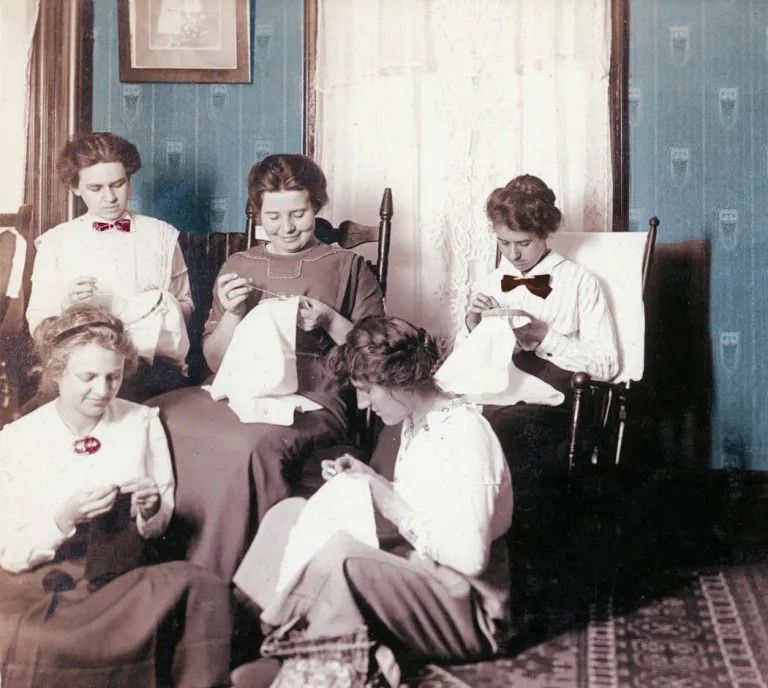
We sewed and gossiped, helping each other out as we learnt a new skill
 Nicholas Turner Morley Art Foundation