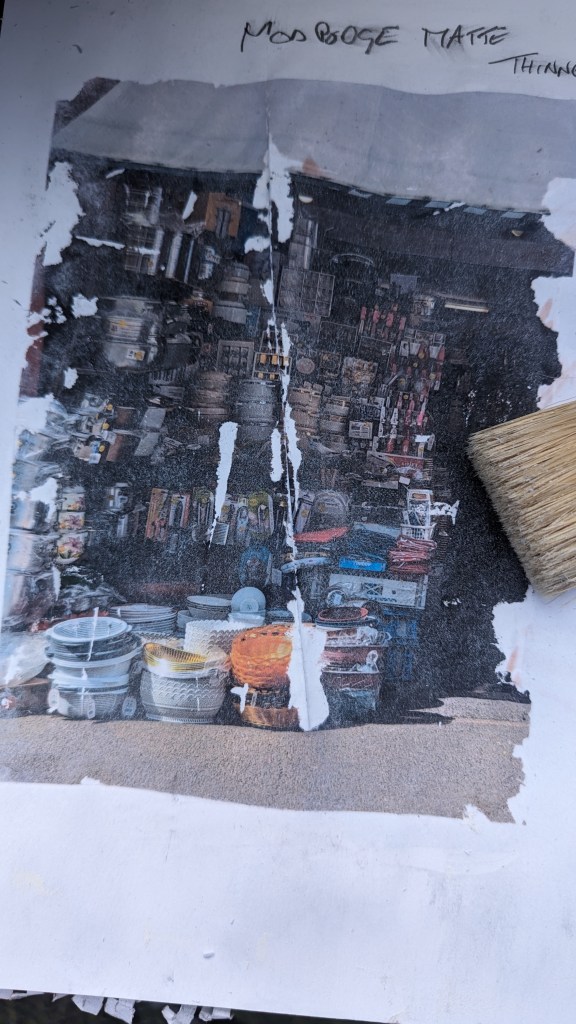
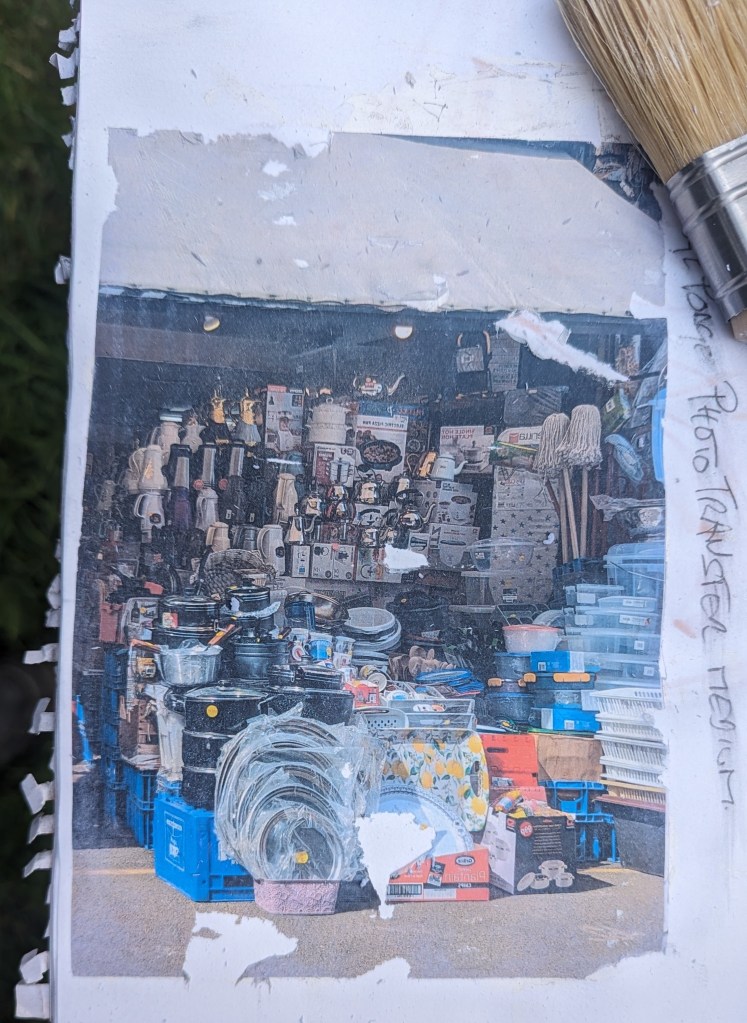
The theory is using the ink laid down by a laser or ink jet printer, glue is spread on the image and the printed page is put face down on a surface, paper,wood, fabric, glass,. Left to firmly dry, the printed paper is then moistened and with gentle rubbing the layers of paper are removed leaving the reverse of the printed image.
Social media postings by crafters and artists appear to make the process easy.
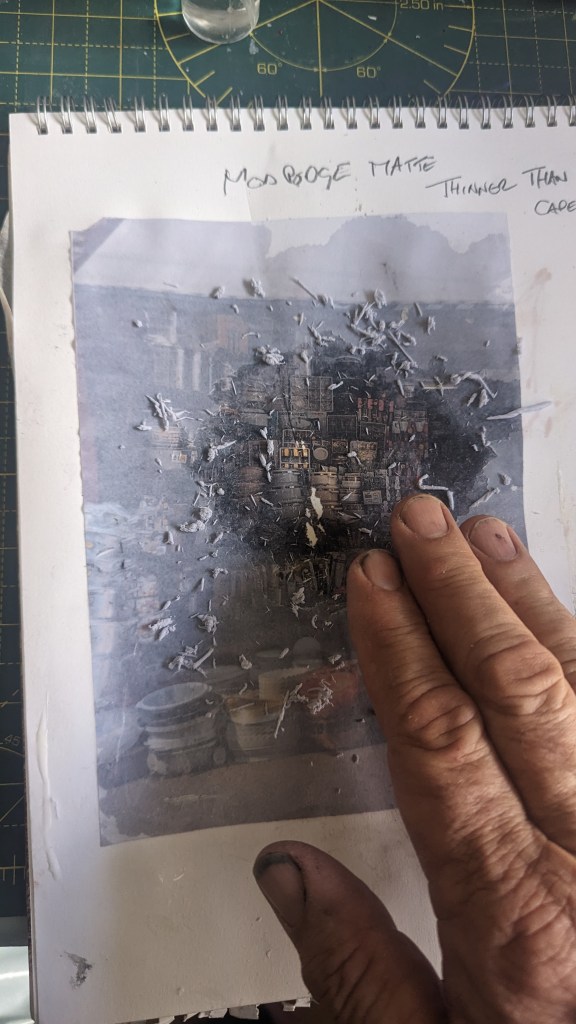
I used modge podge, a proprietary glue used specifically for image transfer. I spread it in a colour laser print on good quality printing paper.
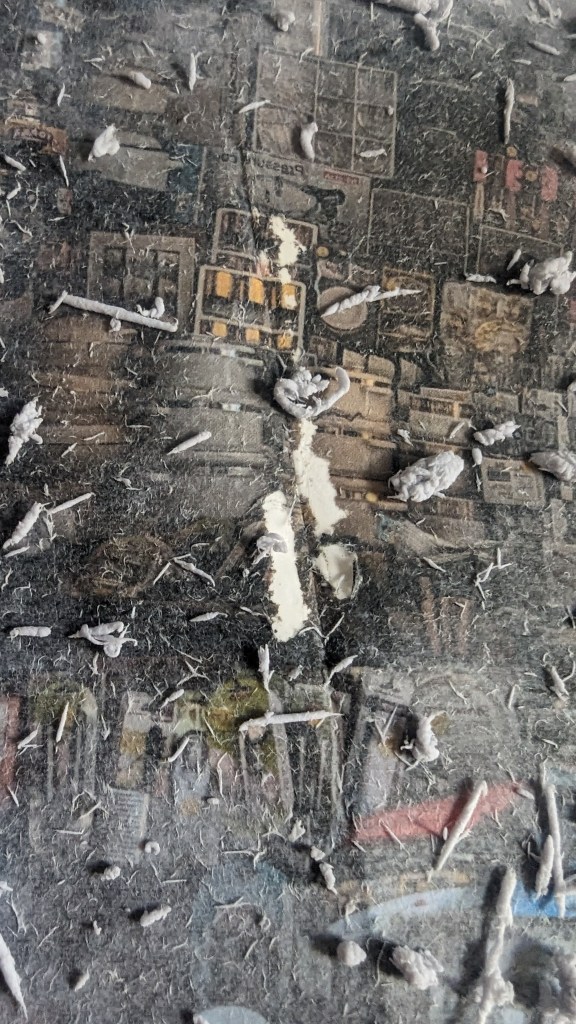
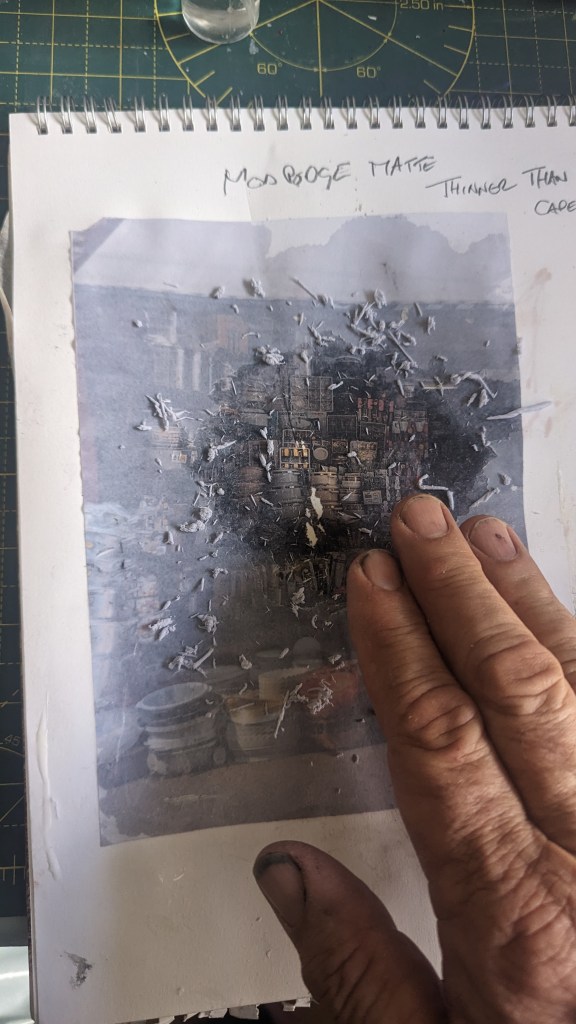
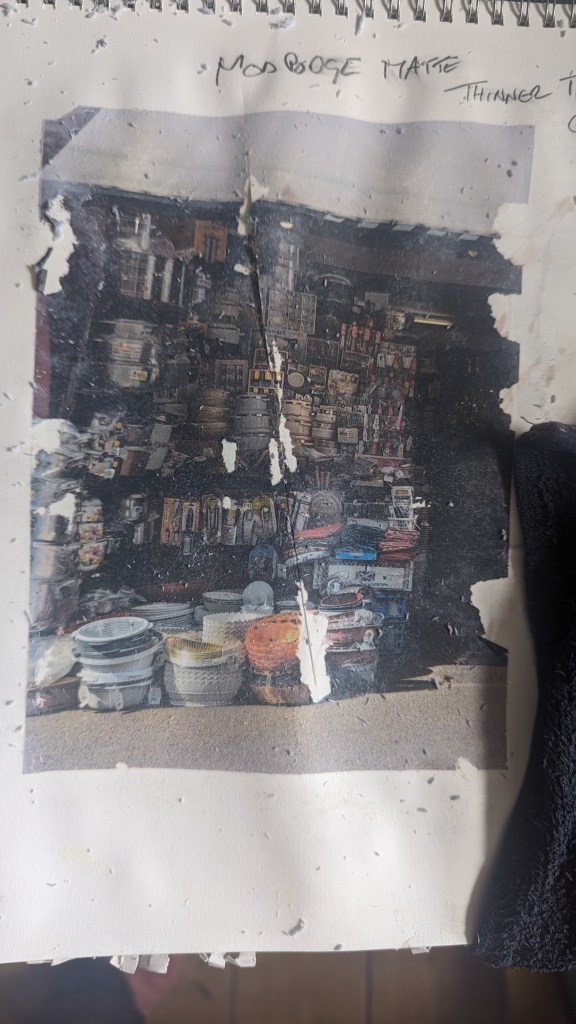
Left overnight the dry I soaked the paper with a flannel and then sprayed water until the paper was transparent , rubbing in a circular movement the paper easily came off in the first two layers, a final coating was difficult to remove without damaging the ink. I was left with an inked image with a faint bloom, the ink had come off in places, particularly where the ground paper had been cut.
I will try again with a high contrast black and white image where I may be more successful.
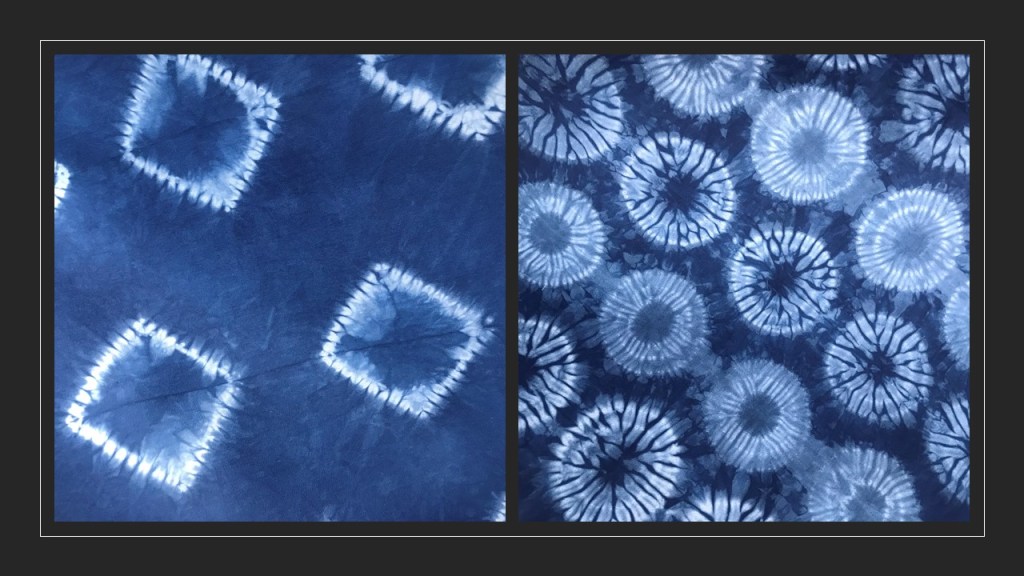
we spent a morning learning and experimenting with dye resist. Am ancient and popular form of decoration by resticting areas of cloth in the dying process, a process practised whereever dye and textiles meet, known as Shibori in Japan. , Bògòlanfini in Central Africa, where fermented mud is used as a dye and knotting and tieing stones used as the resist Itajime in China, where carved blocks are used to control the dying, and in Kano Nigeria where there has been a tradition dating back to the 14century of indigo rsist dying where material is stitched into patterns
Kano aidre dye resist
kano dye pits, northern nigeria
japanese shibori TIE dye
Bogolan mud dye , MARKET in mali
Tie dye , popular in west in 1960’s
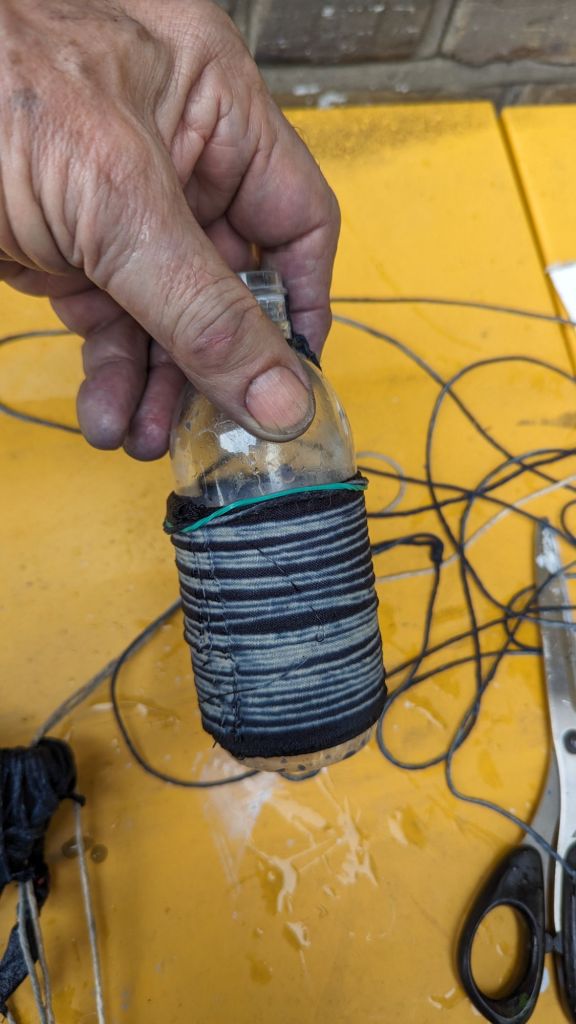
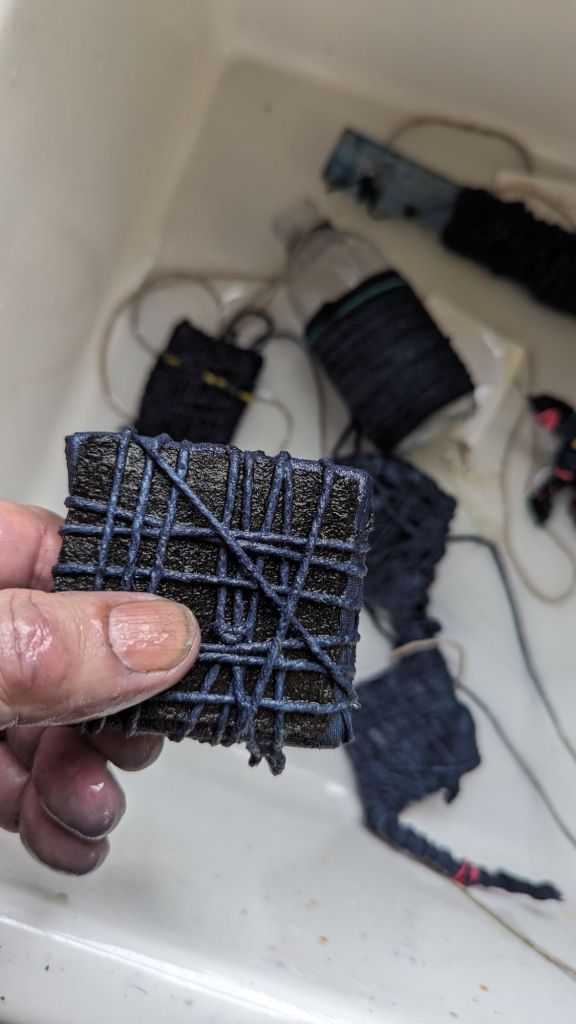
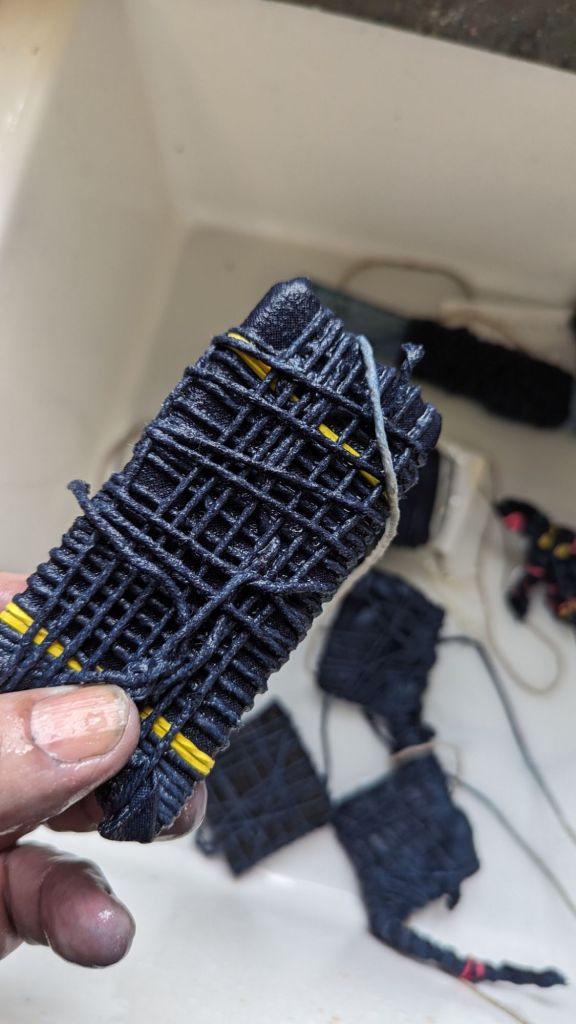
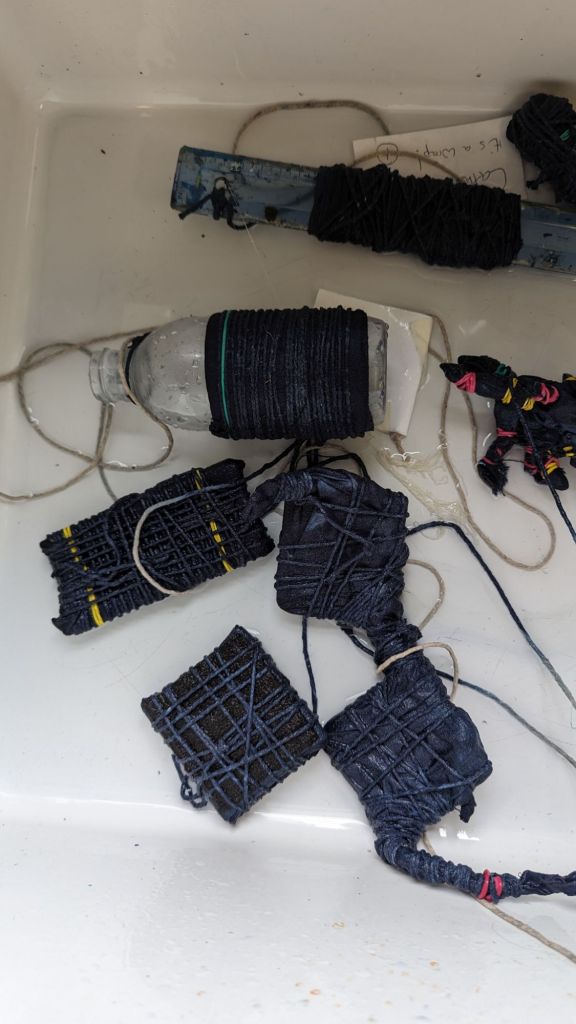
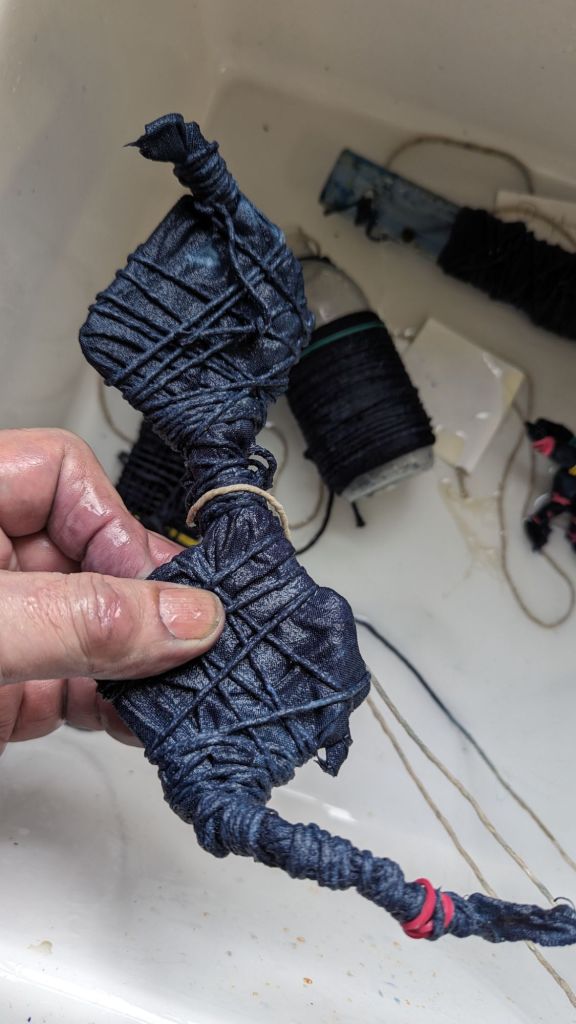
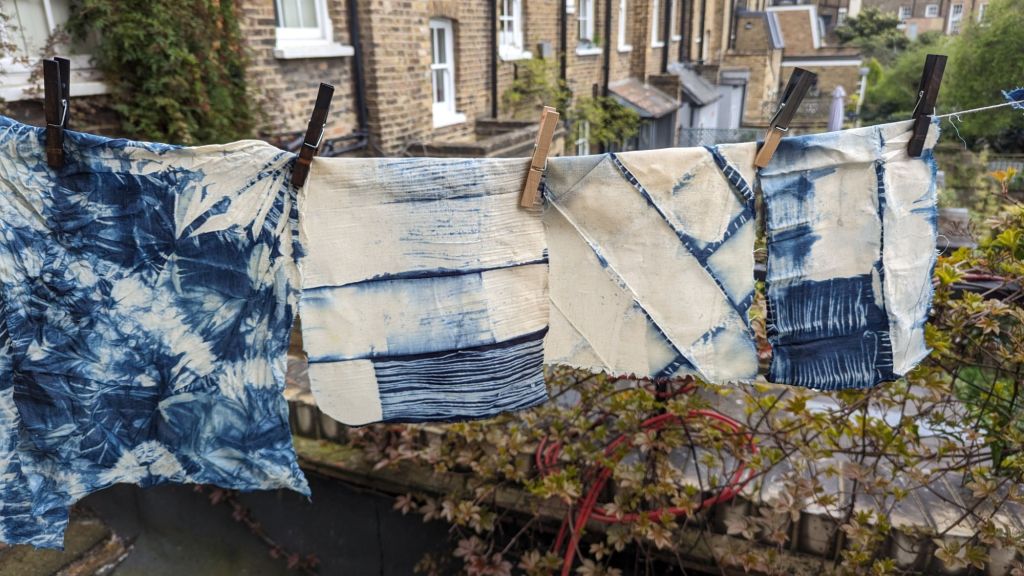
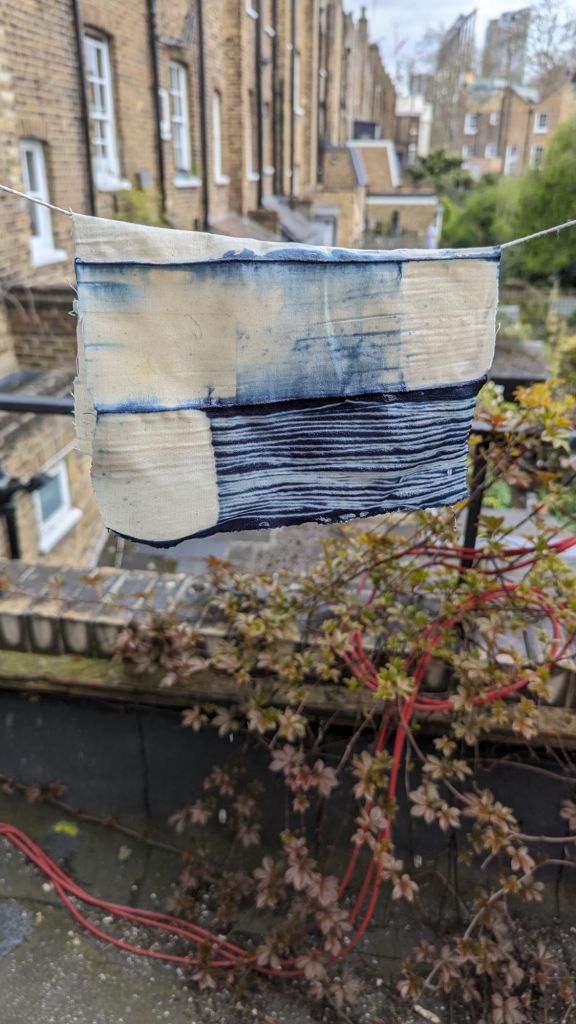
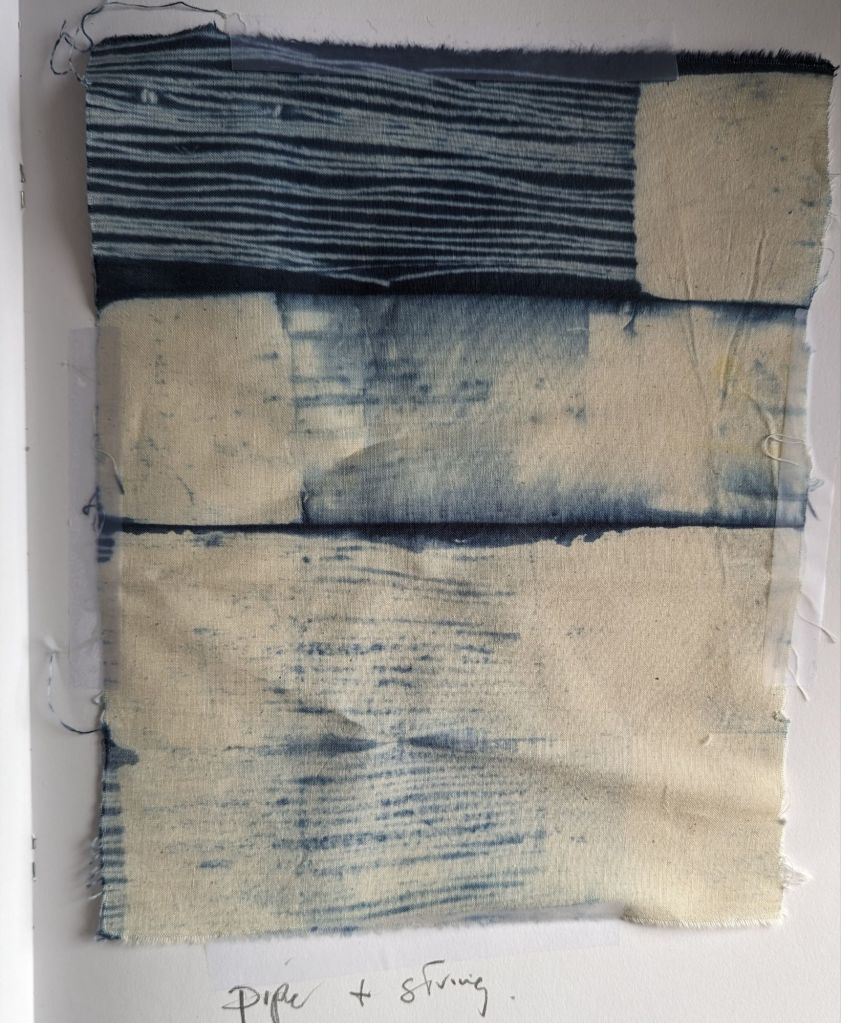
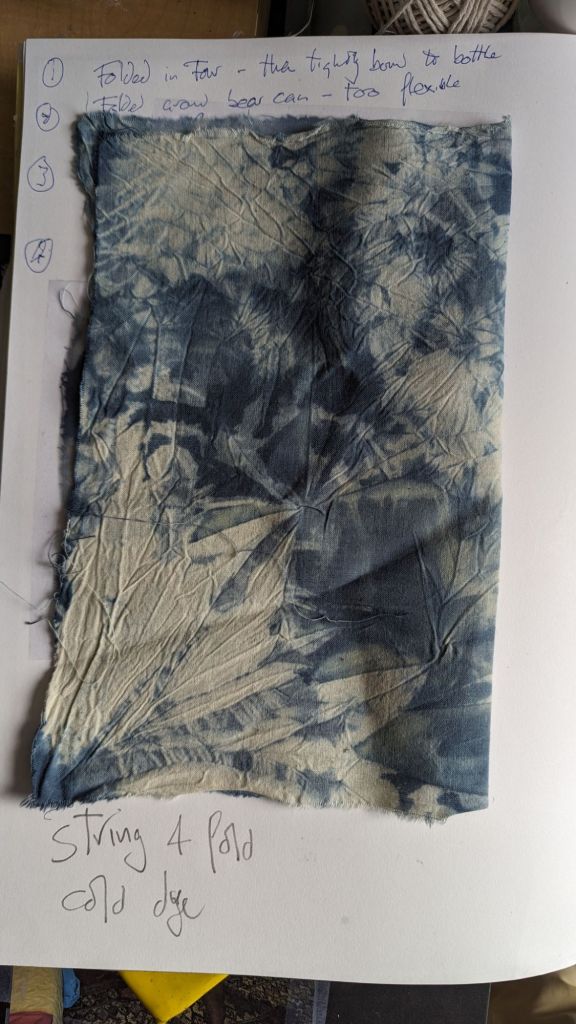
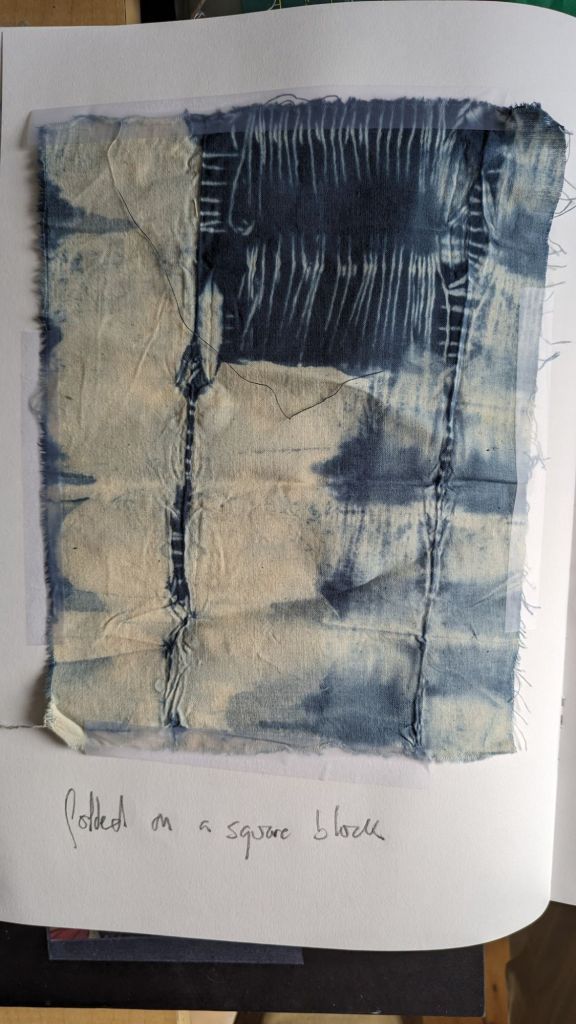
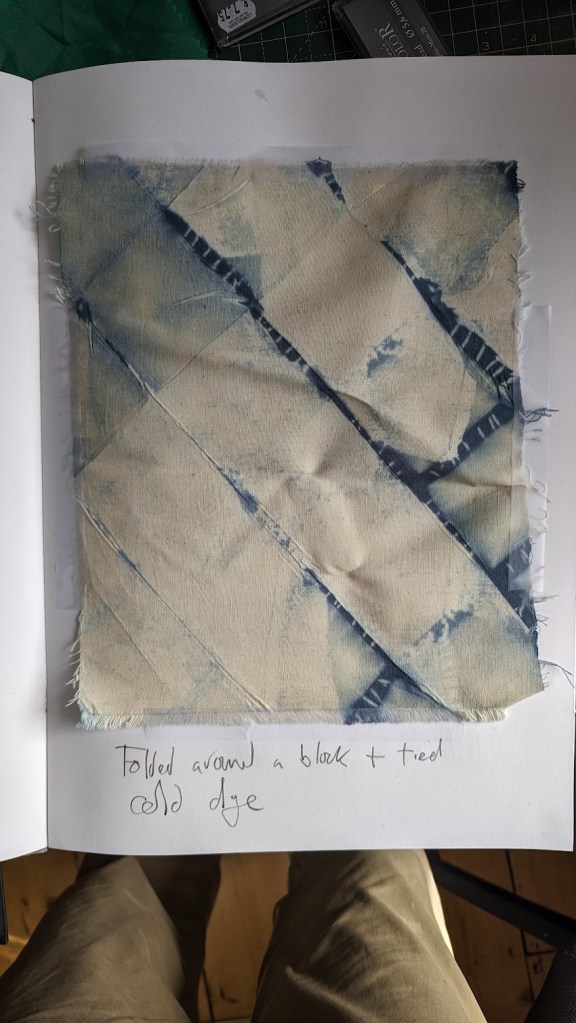
in the studio we tied cotton squares around blocks , bottles, stones, and dyed them with a cold dye close to indigo
we dyed the cloth for three hours, rinsed them and left them to dry
My four smaples were quite succesful, I learnt that the dye did not penetrate layers of tightly folded material and only coloured the edges of tied fabric. Given experimentation and more time I belive it is possible to make succesful and staisfying repeat patterns
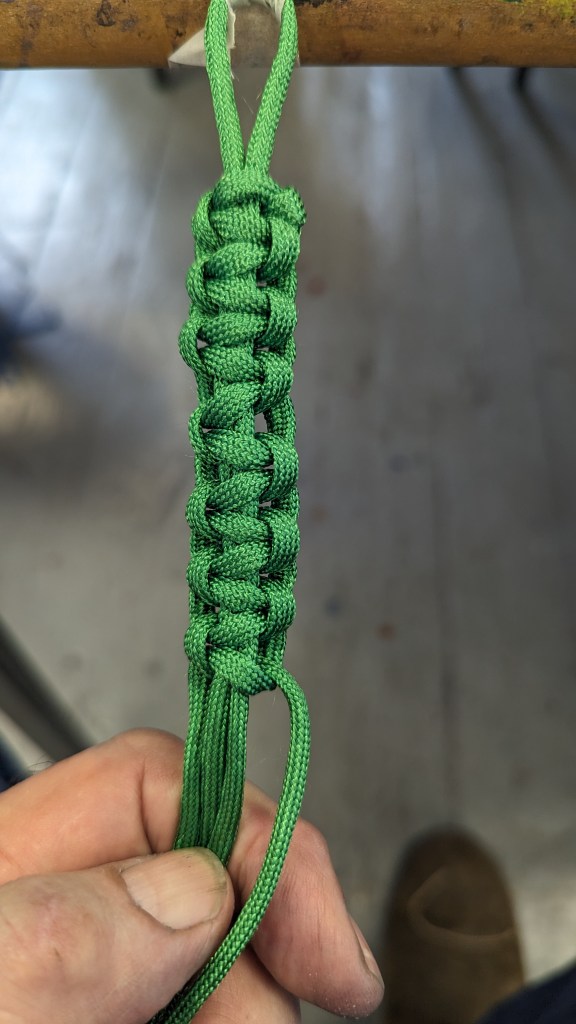
a SERIES of square knots, the basic knot of macrame
we completed the day discussing and learning knotting techniques for Macrame a tradtional decorative craft. we earnt a variety of knots and some of us succesfully knotted small nets. I look forward to making my own net if I am marooned on a desert island. Both the dying and knotting were again examples of an intersection between skilled craft and art, making a very intersting and enjoyable lesson.
In Unit 1 & 2 we explored creative expression in the classical form of fine art. From a background of photography and a career as a photojournalist I explored ways of expressing my curiosities and passions. From dry-point prints of funerals to plaster sculptures of mourning gods, I have found ways of expressing myself. I believe I was successful in my Unit 2 sculpture to find in art the capacity to express my frustration and despair of the images from the invasion of Gaza. In the meantime, I explored colour and composition with acrylic paints and pastels, understanding light and colour. We were shown the possibilities in photography and digital imaging and manipulation. They were exciting and opened many new forms of expression. However, I will continue with drawing into Unit 4, to learn and improve on my line, my composition and aid my understanding of colour, light, and tone
Proposal
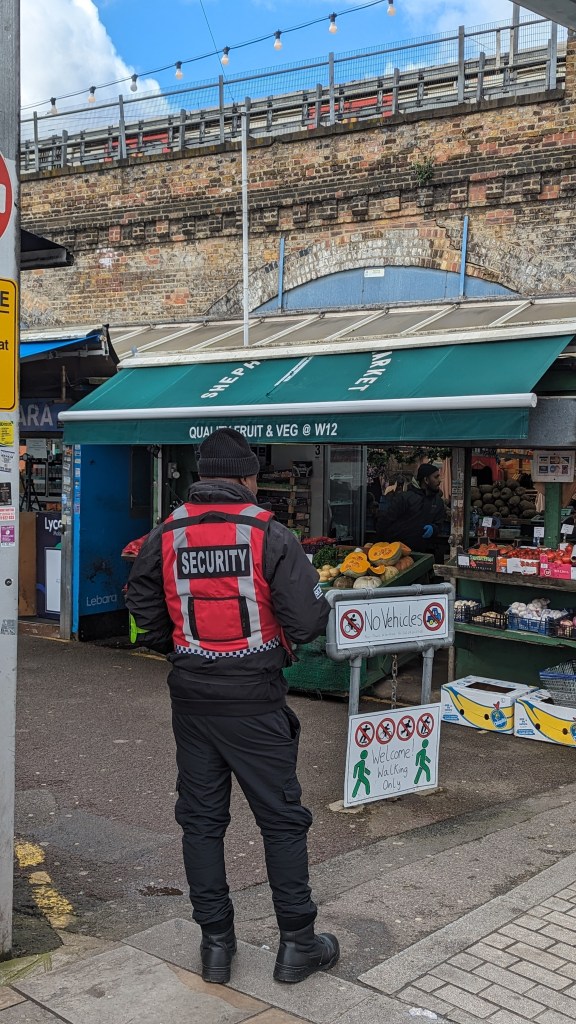
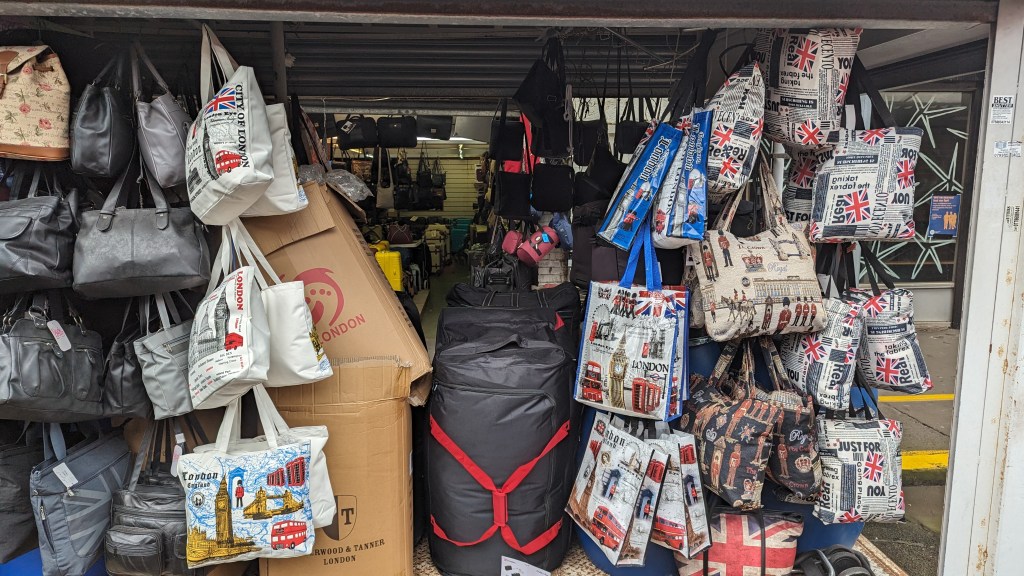
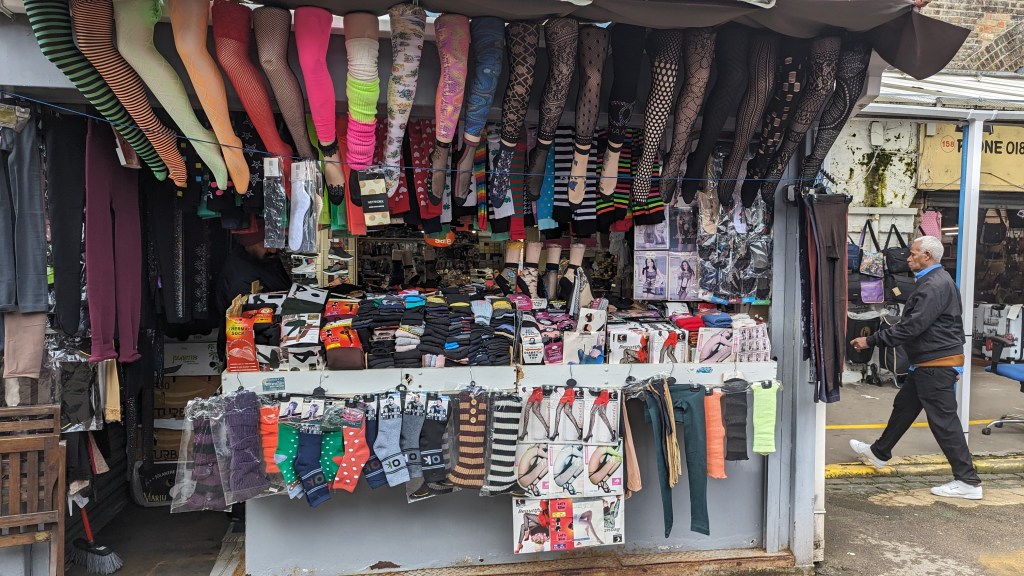
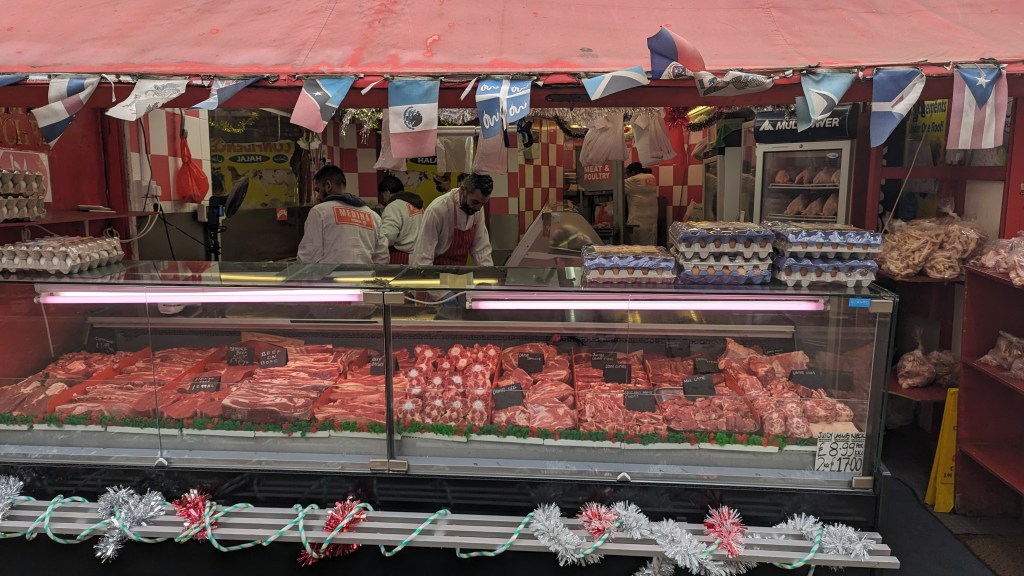
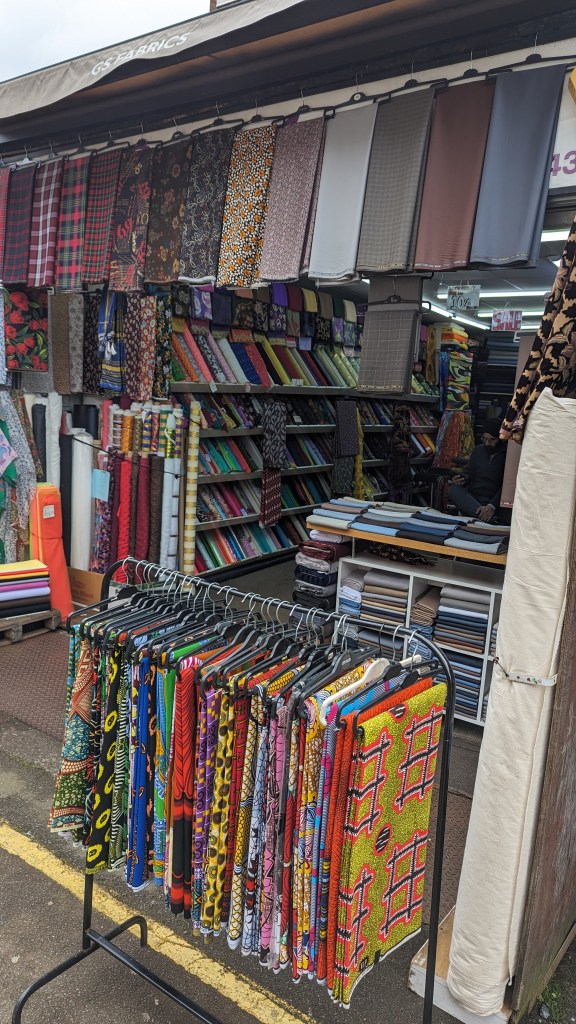
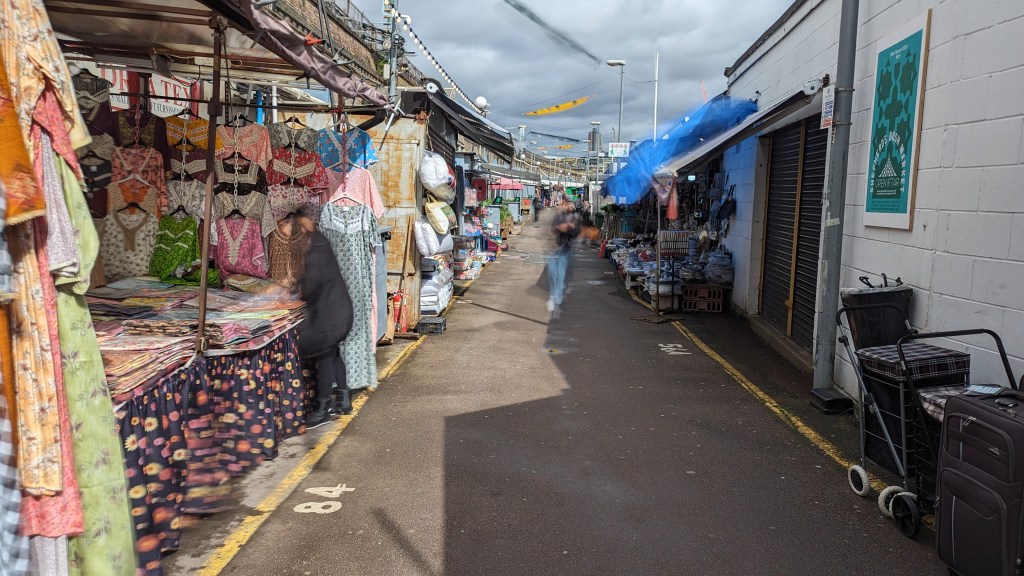
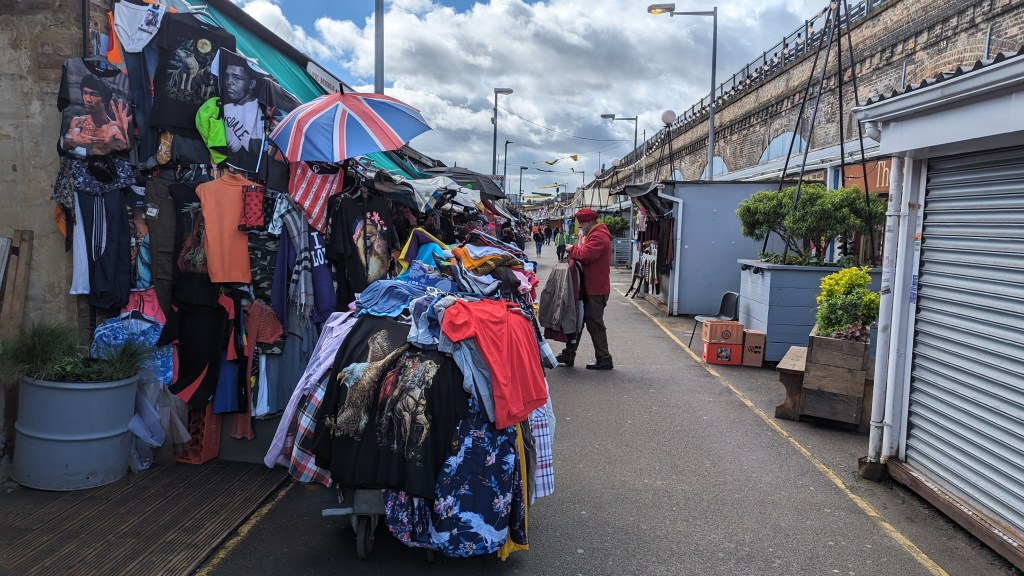
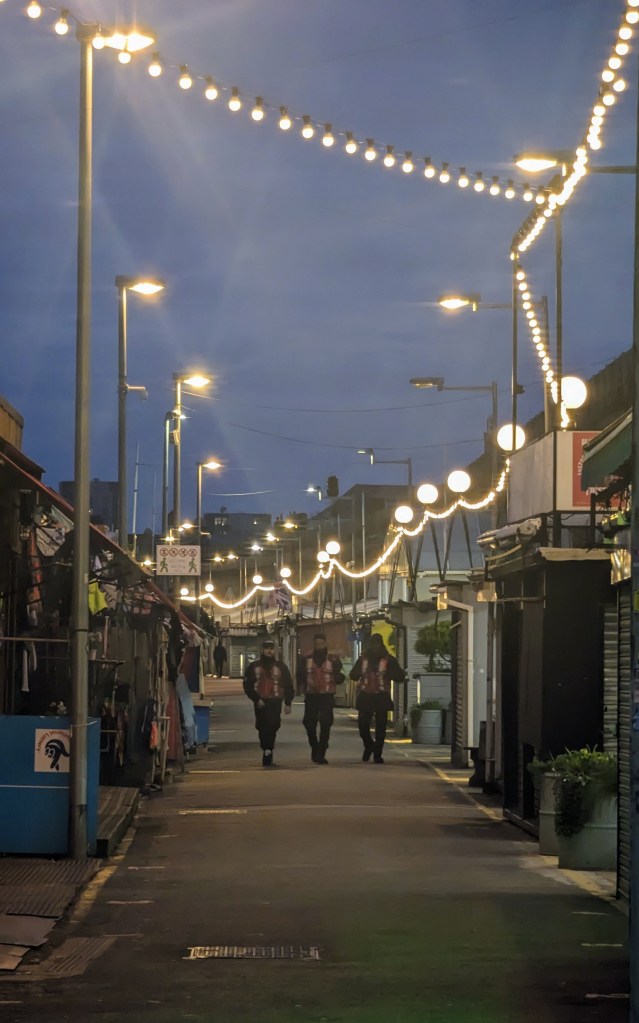
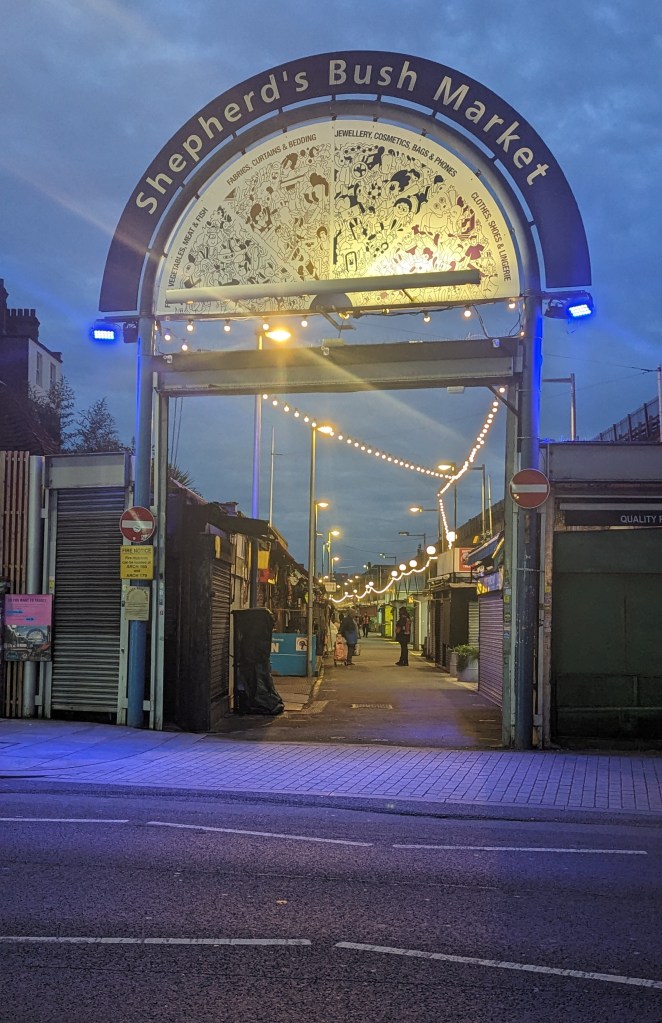
Shepherds Bush Market is a declining shopping street in West London. It is in the early stage of a radical redevelopment, the street will be rebuilt, the stalls replaced, it has the support of many of the stall holders. I live close by.
The diverse community of stall holders and their customers interest me. I propose to spend time every week drawing and recording the market, the stall holders, their stalls, their contents,….and, I hope, their stories.
I realise this will be an interestingly difficult task, the stall holders are a diverse group, very few white British, the majority are Sikh, with people from the Middle East, Africa, eastern and Southern Europe. It may be difficult to get their trust, and their permission, to record their lives.
I have the permission from the Market owners and managers and will be working with them and their street security workers.
From my drawings and photographs I hope to produce a coherent art piece. I am unsure if it will be a traditional set of drawings and prints. Or a more complex work.
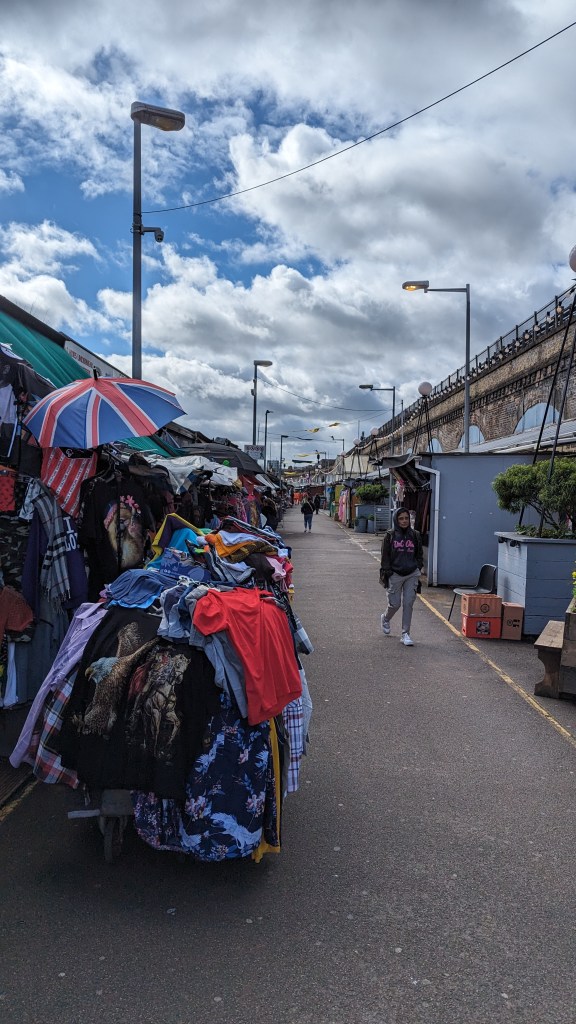
The market street is visually uninspiring, grey stalls, a tarmac path, a nondescript brick railway embankment. The people, and the kaleidoscope of watches, African clothes, fish, falafel, exotic fruits excite me.
I may produce nothing more than a documentary on paper in a series of sketchbooks.
I am nervous of my ability to capture what I see and feel, I enjoy drawing but have very little confidence. Beyond anything, I hope that this exercise will help me to learn to capture and reflect life with my art
October 7th 2023, following an unforgivable outrage against israeli citizens by militants from Gaza, the Israeli government with the full support of its population turned its wrathe onto the Gaza strip, a narrow enclave that was the home to 2.3 million Palestinians. Reminiscent of John Milton’s poem Samson Agonistes
Promise was that I Should Israel from Philistian yoke deliver; Ask for this great Deliverer now, and find him Eyeless in Gaza at the Mill with slaves, Himself in bonds under Philistian yoke;
when an enraged blinded Samson strikes out madly in Gaza. Now Israel attacked a civilan population to destroy its terrorist government. Thousands of children were injured and killed, the rest are traumatised.
I have lived and worked in the middle east since 1976, I spent my 18th birthday in Jerusalem and visited Gaza many times. I was so desperately upset, I copied and drew some of the press photographs until I became too sad. Paula Rego’s famous image War , from an earlier Middle Eastern conflict transfixed me
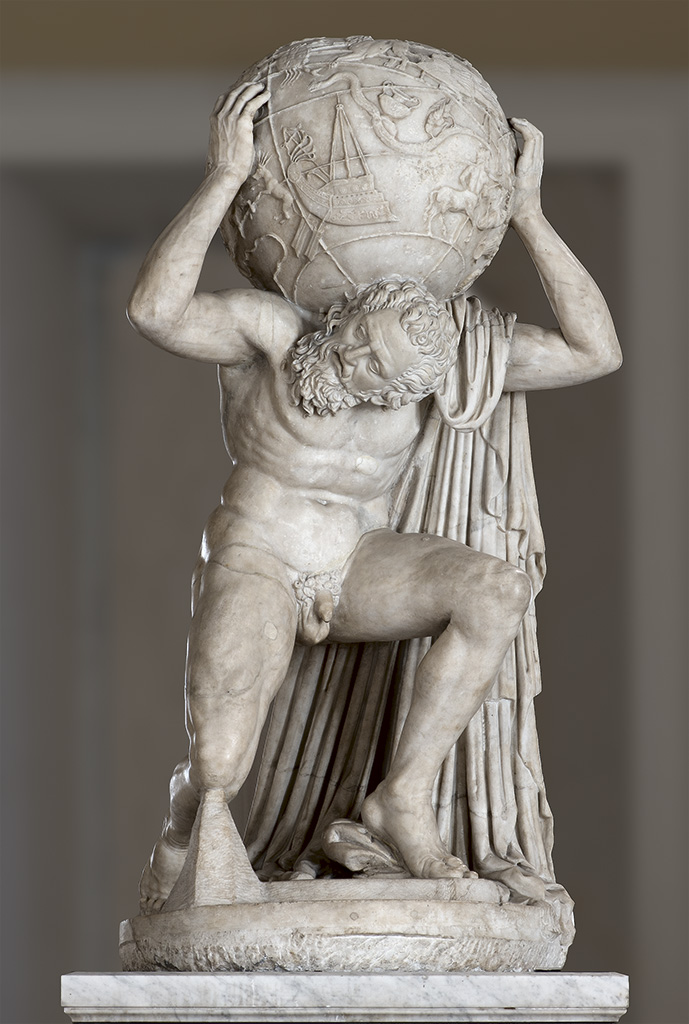
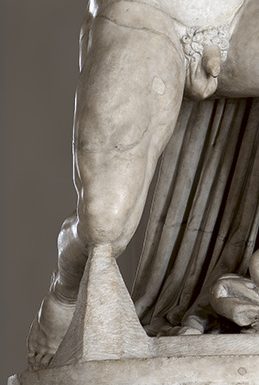
I had been thinking of a wounded god holding an injured world and looked at classical sculptures . I looked at the Farnese Atlas, a Roman 3rd century copy of a Greek original currently in a museum in Naples
Atlas, a Titan, defeated in a war with the Gods was condemned to hold up the sky, and its constellations for eternity. He was turned to stone to ease his burden. In the Middle Ages the depiction of the constellations turned to the then new concept of the globe and now Atlas carries the world. Sometimes, with pride, sometimes as a burden
A silver rocco atlas, Reijks museum , Amsterdam
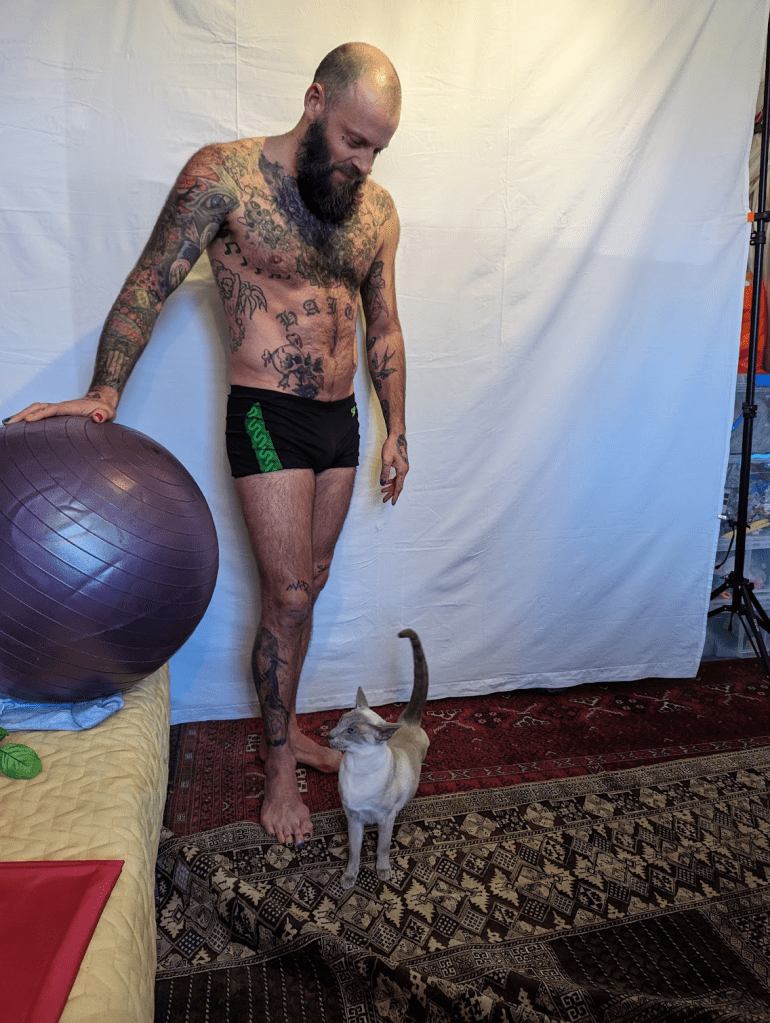
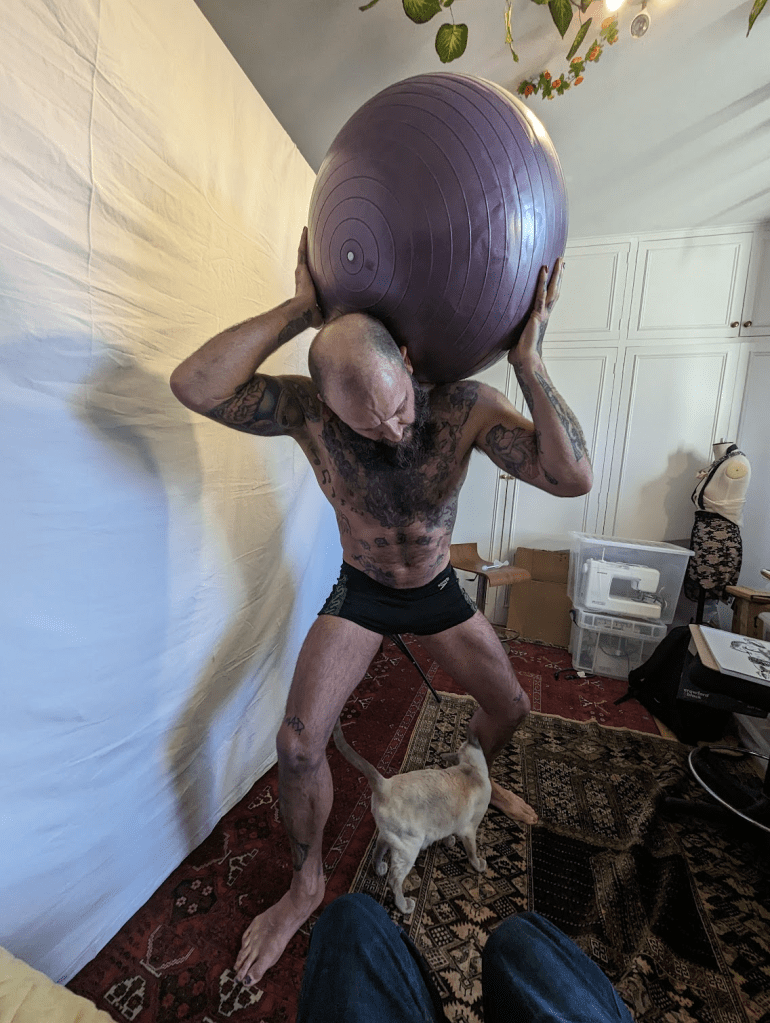
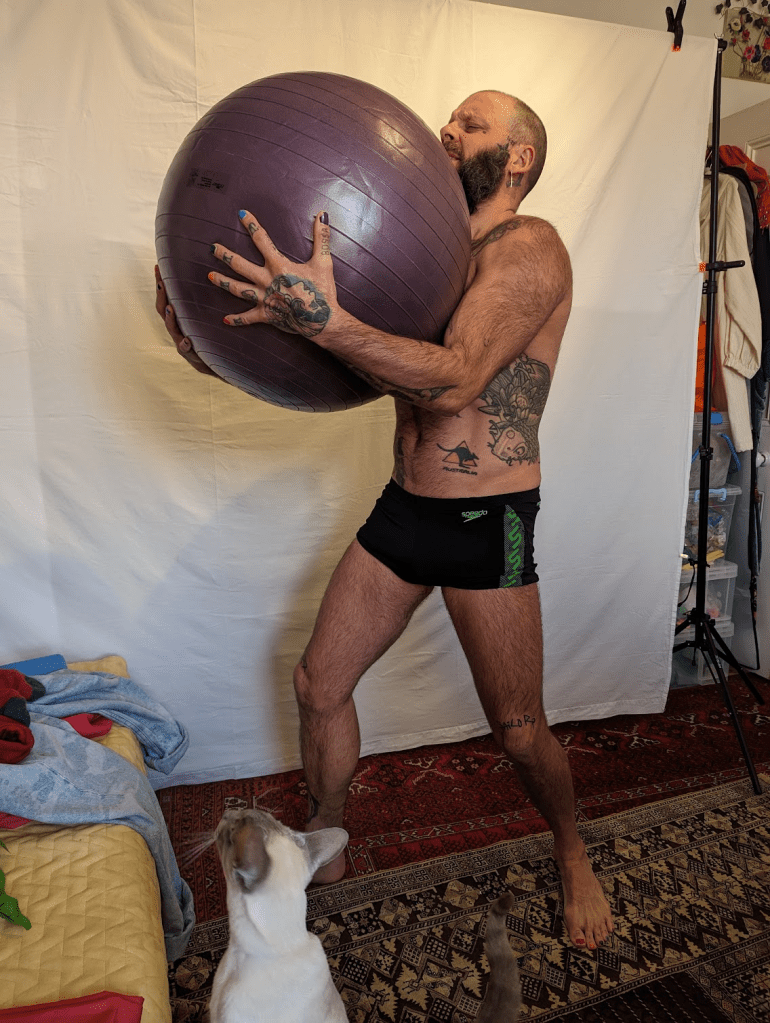
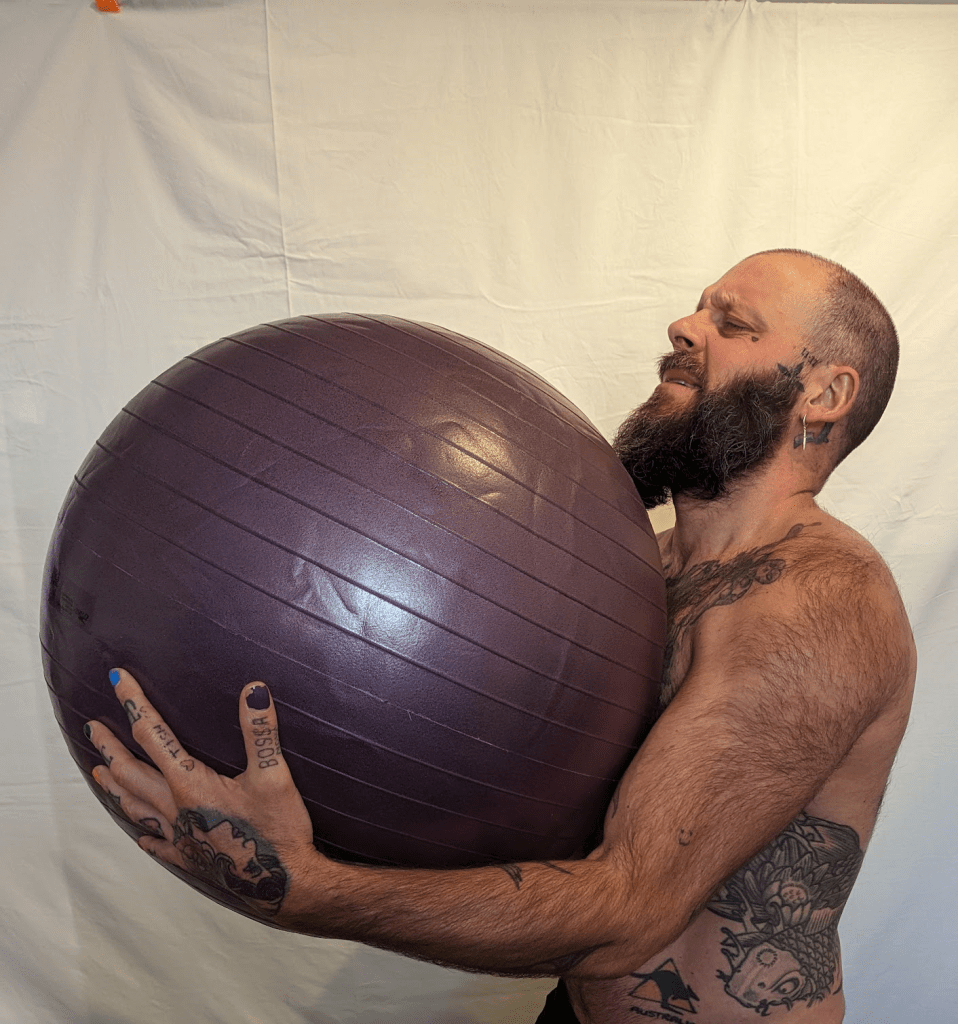
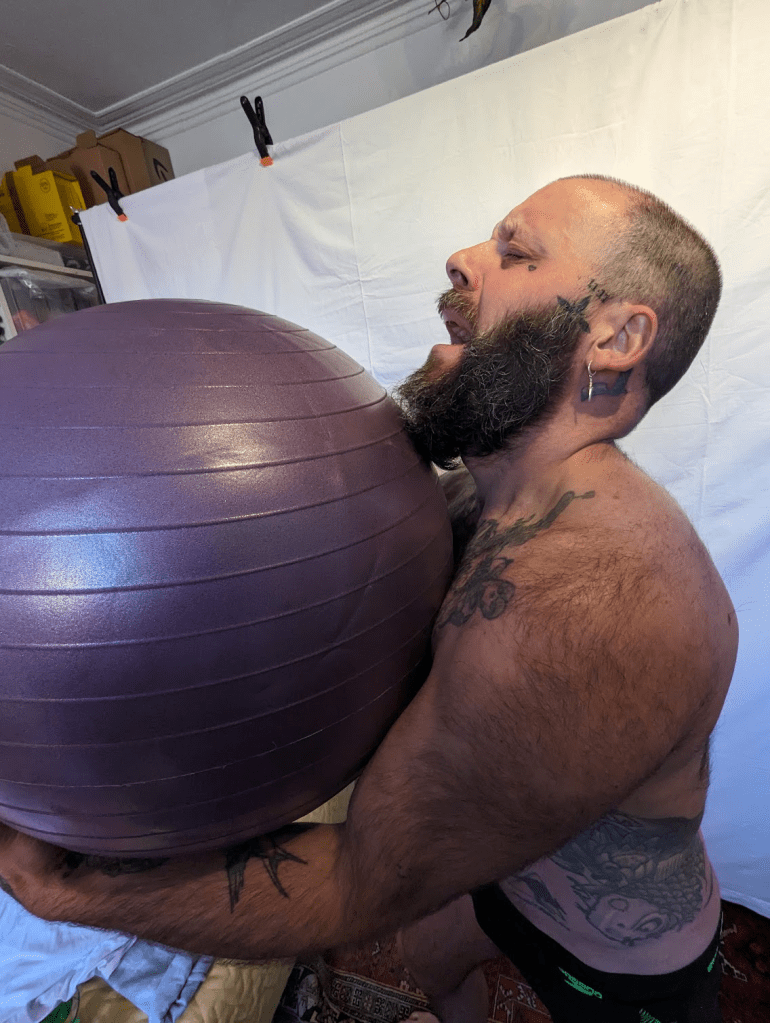
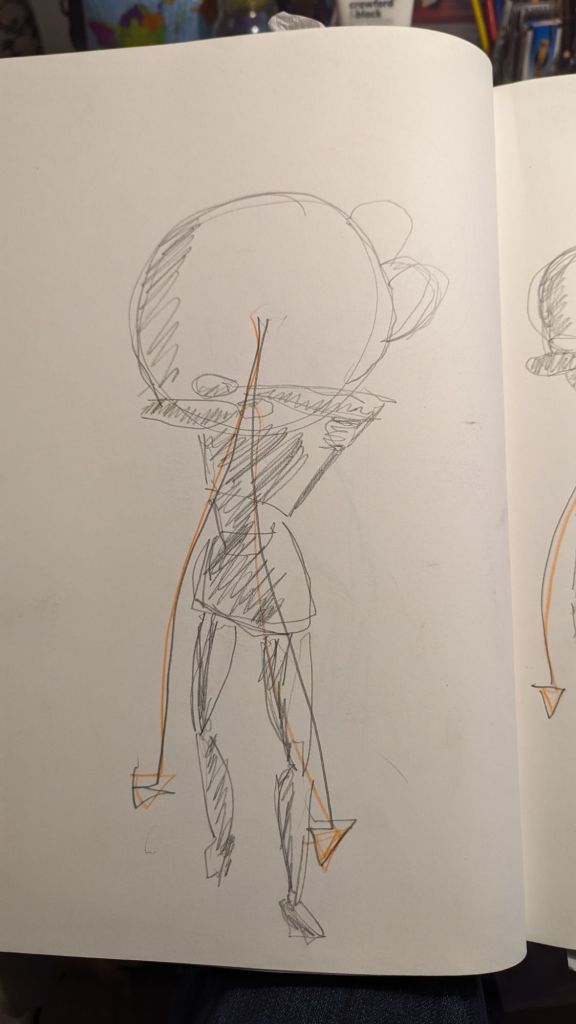
I asked a friend, Darren , a performer, to pose as Atlas, he is well built but quite sleight.
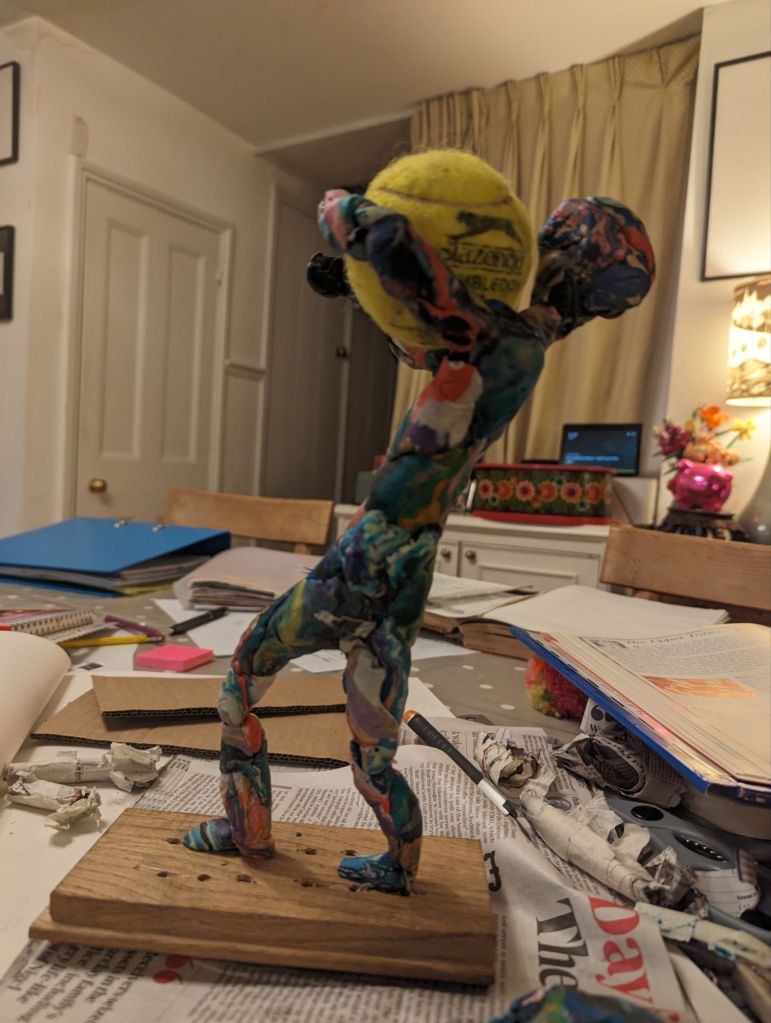
Darren is a perfect troubled Atlas, there were problems with posing with a rubber ball, the weight was not right and I had real issues later on trying to work out how Atlas would pose carrying an unfathomable weight, something I have yet to achieve.
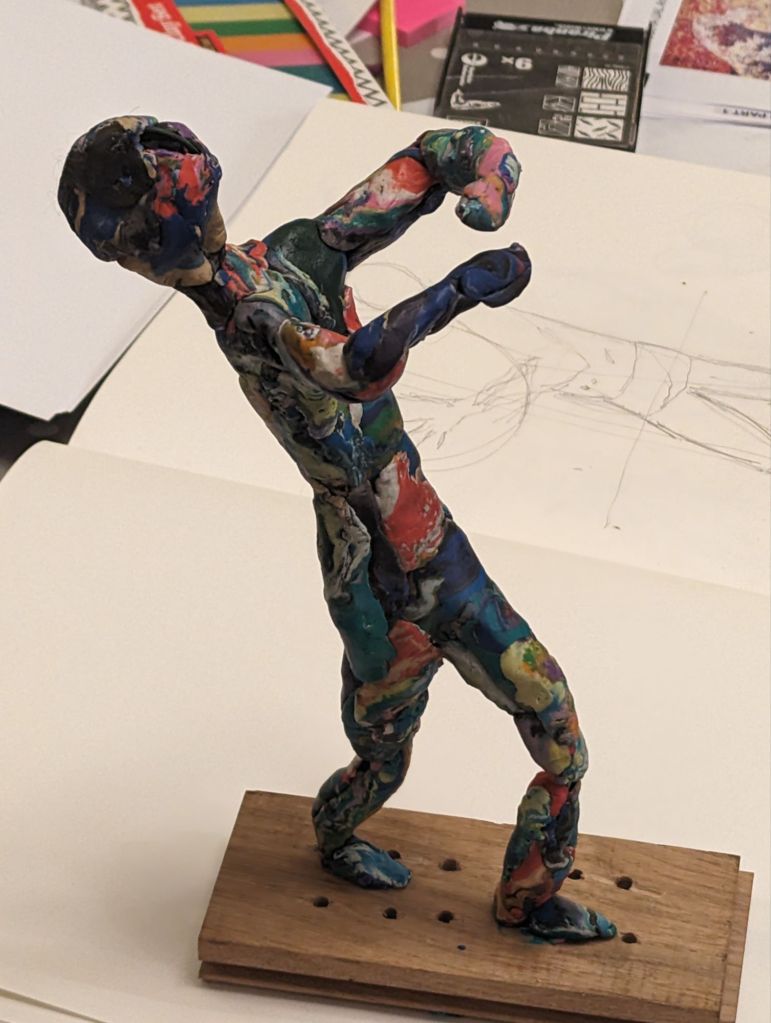
many sketches and a plasticine maquette later
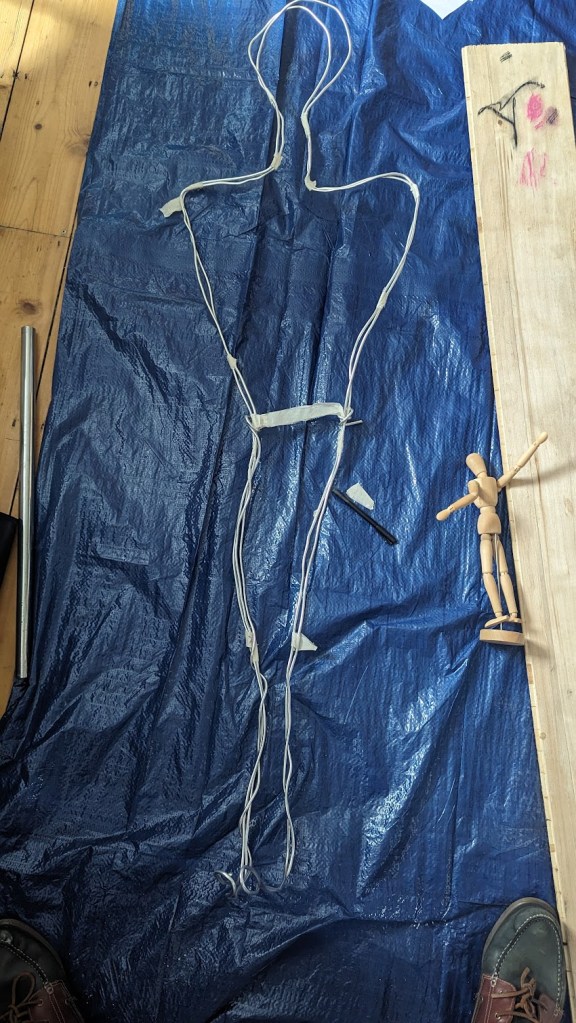
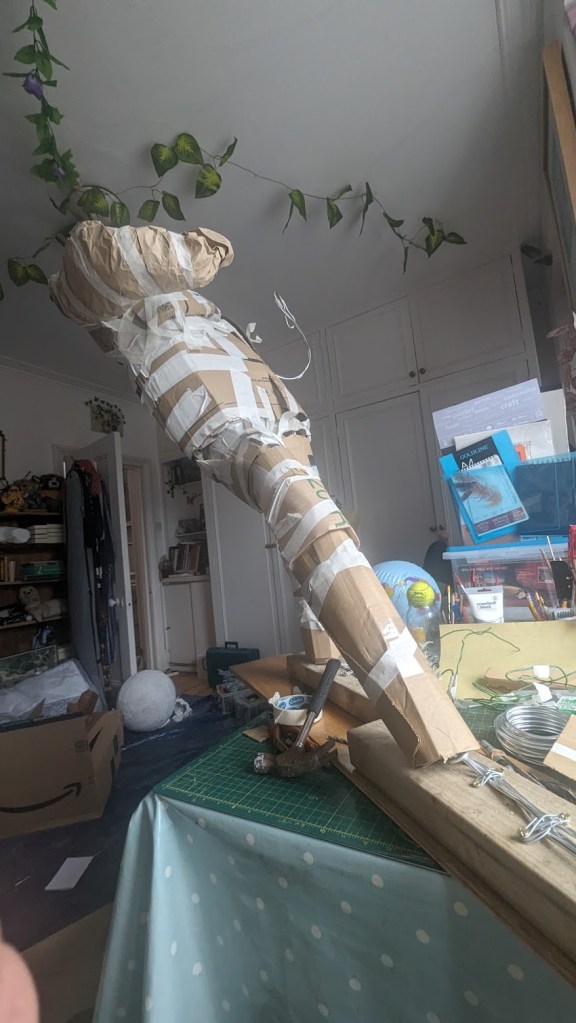
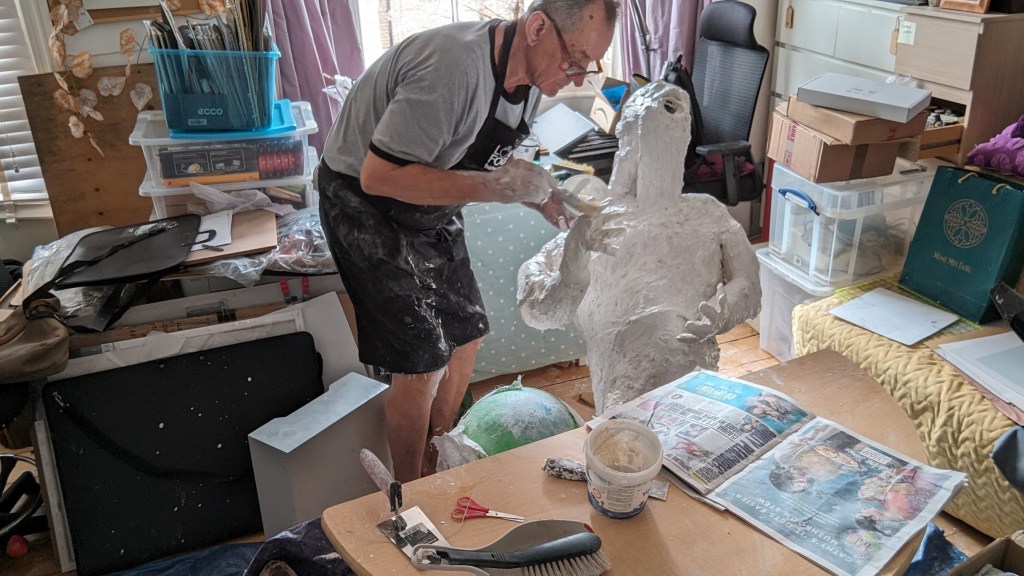
i made an armature from aluminum wire ( 4mm) attached to a repurposed floor board, planning a 1400 mm statue. My original plan was to use polystyrene waste as the form. With respect for my weak lungs I choose to use cardboard, newspaper and masking tape to build the body
almost immediately I found the aluminium too weak and had to reinforce the ankles to the knees with mild steel kebab sticks
kebab stick support
I continued to build with cardboard, newspaper and masking tape, fixing to the frame. It was not as flexible, but restricted by the righidity of the cardboard I was able to produce a good if top heavy body
worrying about the permability of the cardbaord I coated it with several layers of PVA glue before plastering
pva glue to waterproof cardboard
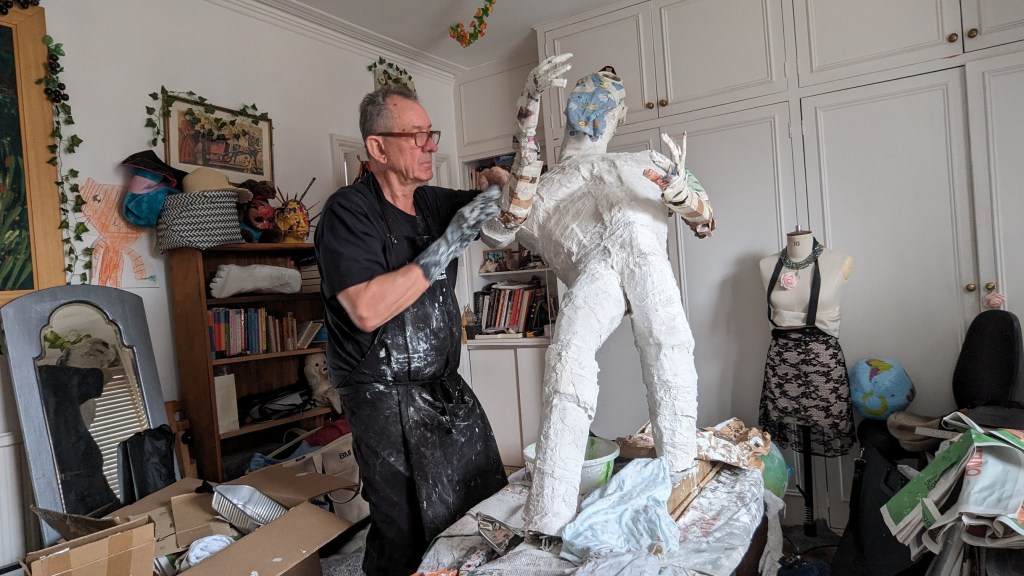
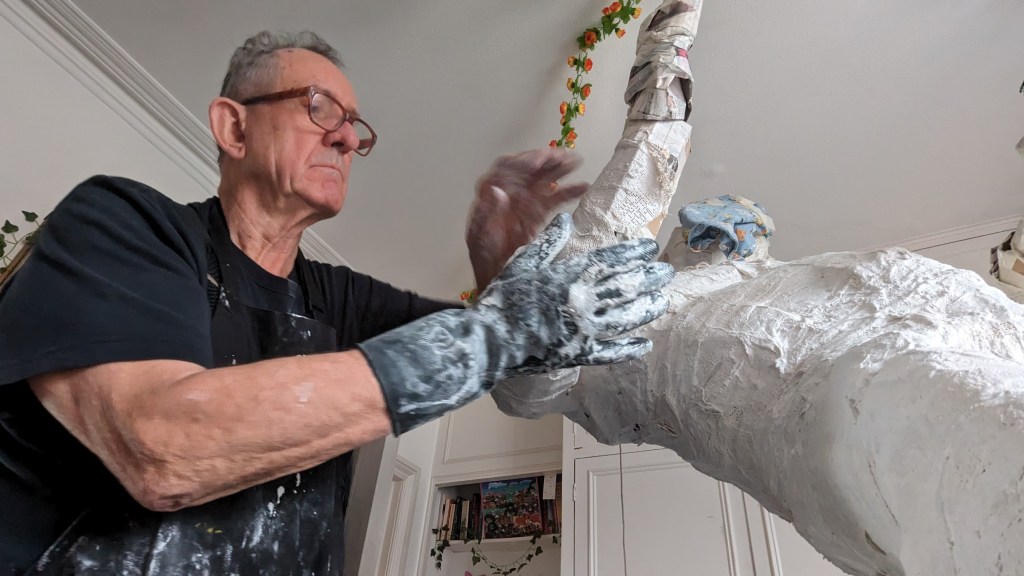
during the porcess I watched countless you tube tutorials by expert and amatuer scultptors, they each had different approaches to the application of plaster but were universdal in the mixing of plaster of paris. It has to be treated with respect, I orgiannly stirred the water plaster water mis vigorously but learnt that a gentle addition of plaster to water at a ratio 2:3 and then a gentle hand stir will keep the plaster wet. I initially wrapped the statue in mudroc, a plaster infused bandage. Despite the waterproofing the cardboard became damp and I had to dry it for two days under a fan to circulate the damp air.
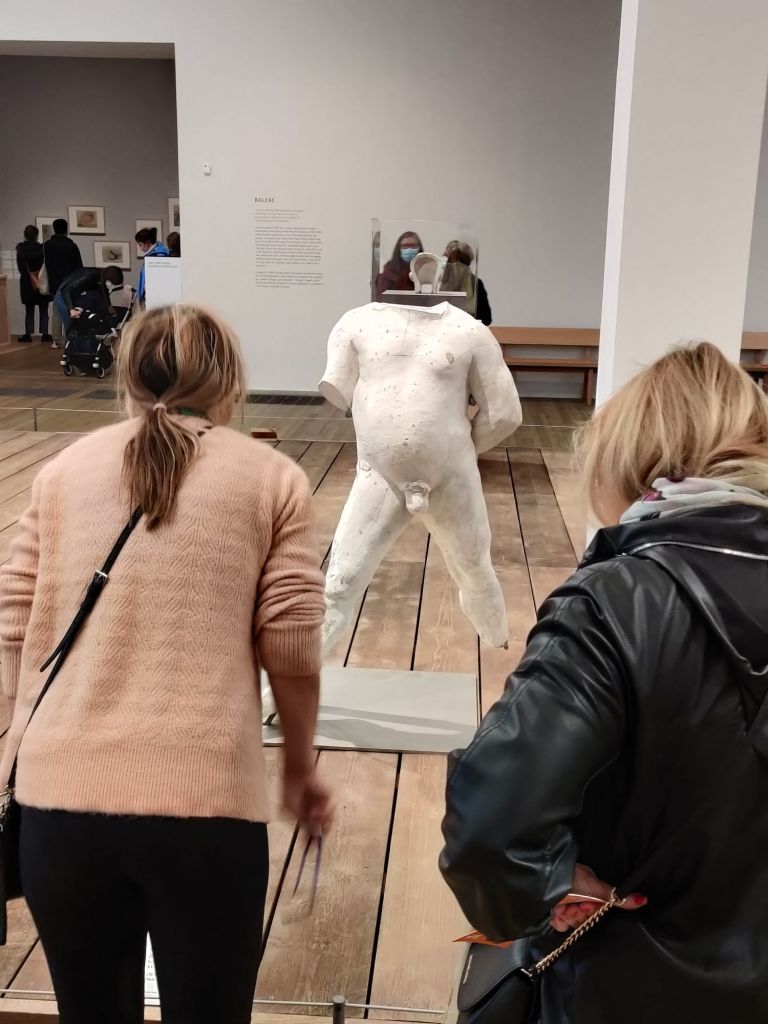
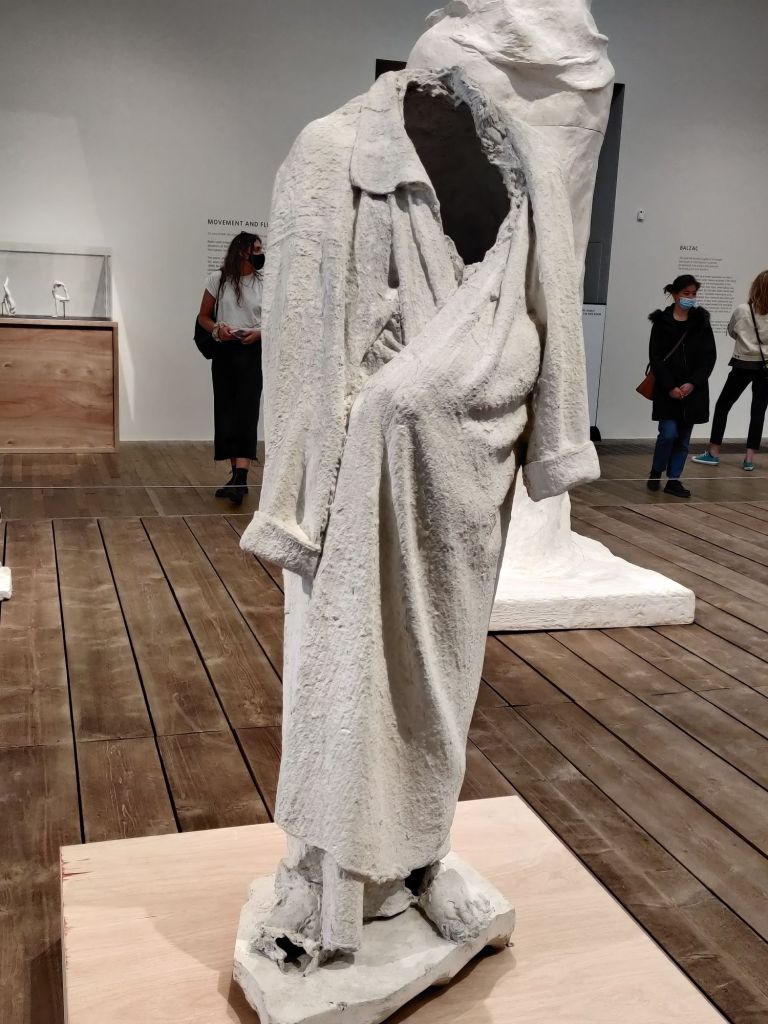
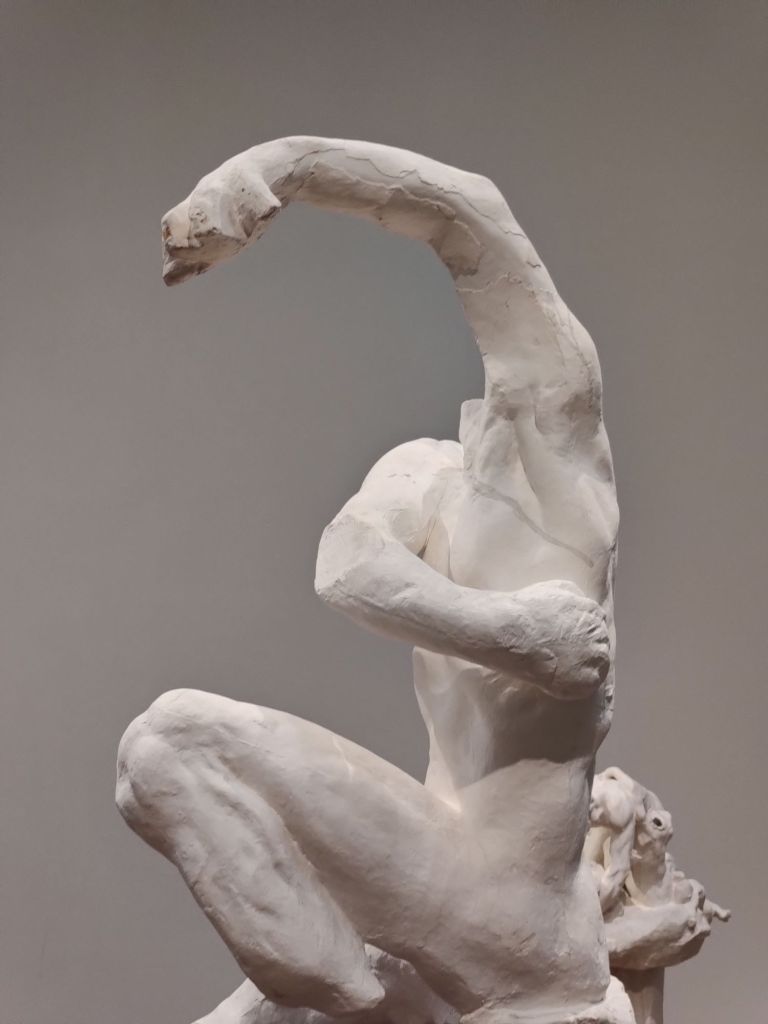
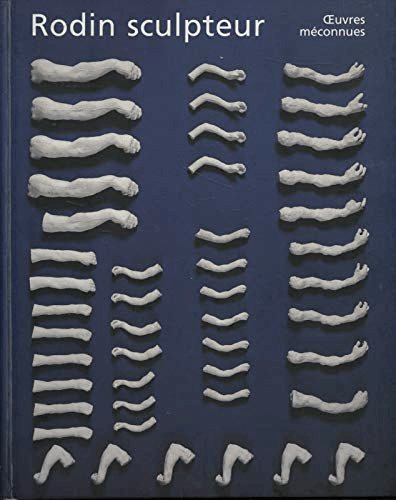
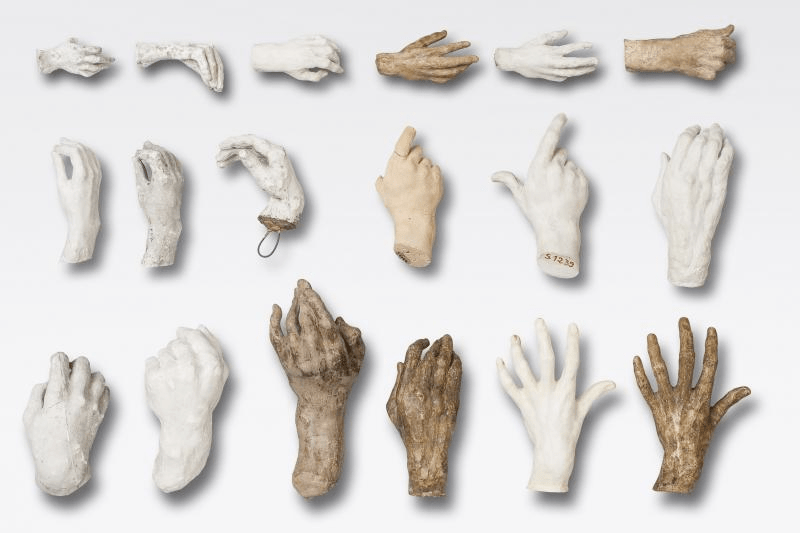
Exhibition at tate modern of rodin’s plasters and working practice
I had been fascinated by rodin and his working pracise, at a recent exhibition in the Tate I learnt that the famous balzac statue had been modeled using a dreesing gown of Rodin dipped in plaster. I made a sarong for the Atlas from a fitted sheet dipped in plaster. It was reasonably successful, keeping the flow of the material and a very pretty bow at the back.
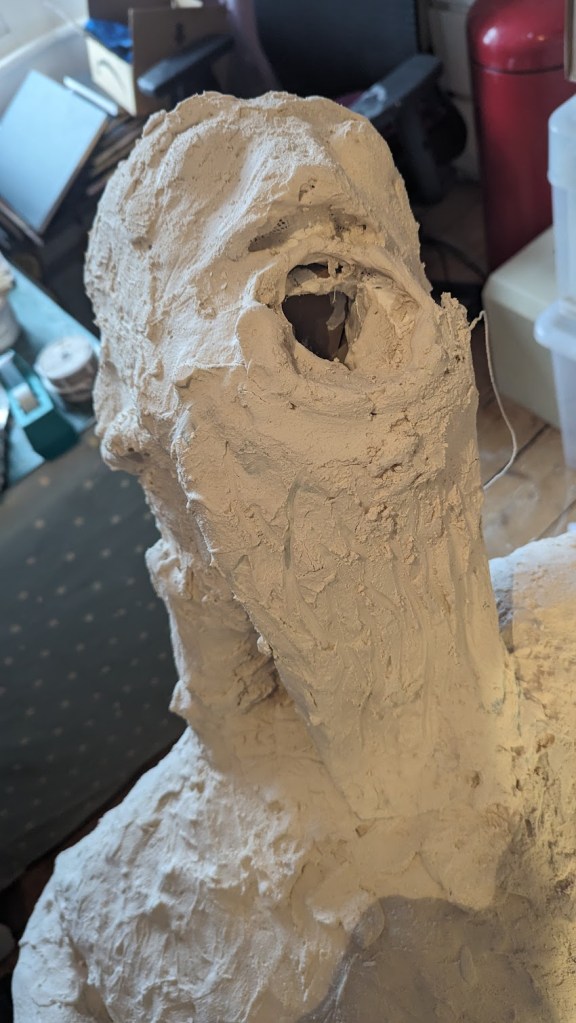
as I worked I fell under the spell of the materials, at first I was hoping for a smooth realistic finish but as I continued with the plaster I enjoyed the rough serendipity of the rapidly drying plaster. Certainly given more time and space I would have reworked some of hte limbs but the final uneven texture gave me an unexpectedly expressive form
I wound as I built th staue that it skloped back under the wight of the plaster body and eventually I had to use a re enforcing rod to keep it from snapping there were some serious crack around the thighs , hidden and supported by the sarong. I was reassured to see the the Farnese Atlas has a support under one knee
I finally. covered Atlas with a mixture of PVA and white acrylic paint to give it a clean waterproof finish. On exhibition I plan to sprinkle ash and surround the unfinshed feet ( left bare in case I have to remove the wire from the wooden base) with discarded clothes, the mess one sees in a refugee camp . There will be a sound element.
Final outcomes
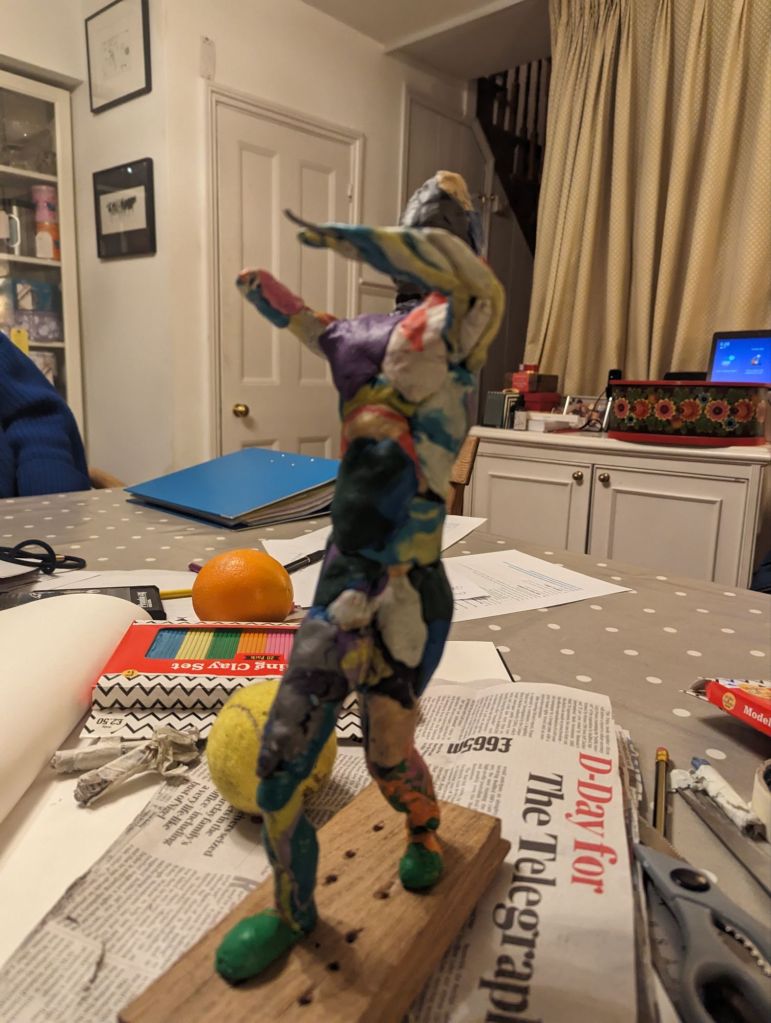
making the statue was cathartic , I found the engineering , conceiving, m, fabrication deeply satisfying, trying to balance a creative concept with a three dimensional object whose final shape was often dictated by the limits of the materials, the unveness and fast drying of the plaster, the fragile cardboard underlayer and the unfortunately weak central armature limited the statue.
With an opportunity to make it again I would produce a properly welded skeleton from steel with a more considered shape. I would also have worked much harder on the weight of the world. It is still a rubber ball.
I hovered on the boarder of craft and art and am not sure where i found myself. Directed with sadness and anger I do believe that ‘Atlas in Gaza” is a valid piece of art.
I ts future is uncertain, I was proposing to have my fellow students destroy it after its exhibition but there is an opportunity for its temporary display in the garden of Hammersmith Quaker Meeting House, a sculpture that reflects their fundamental message of peace.
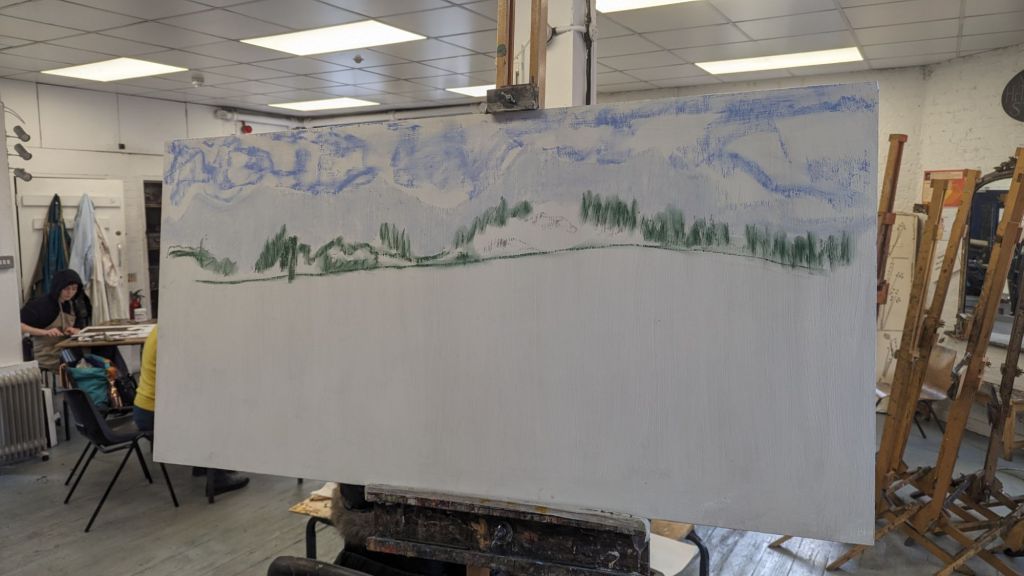
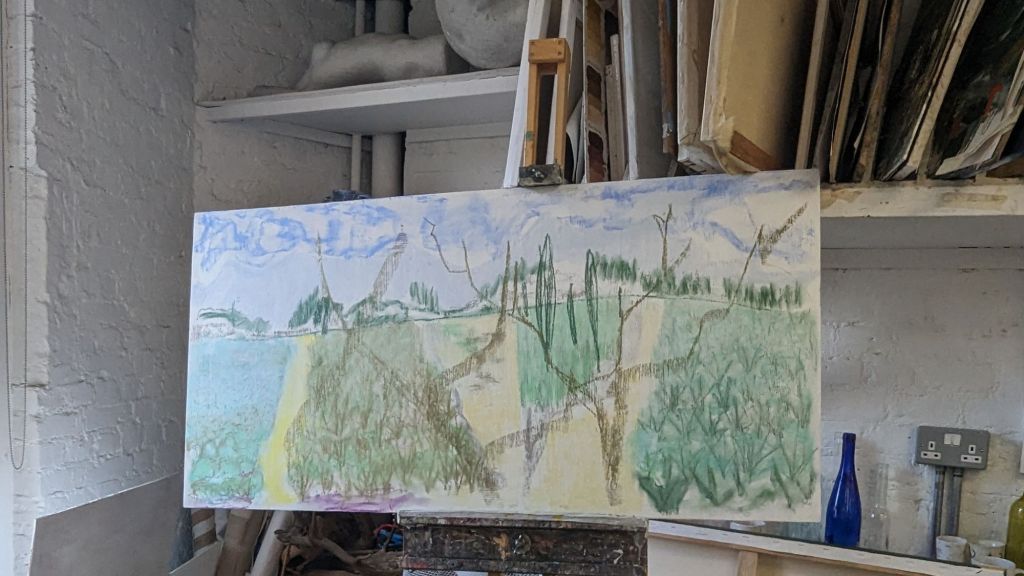
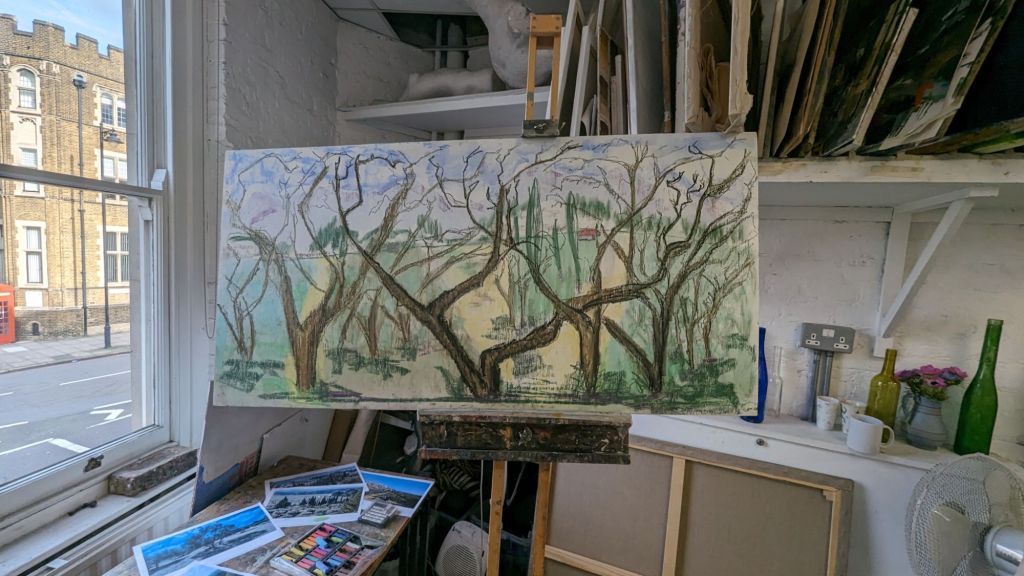
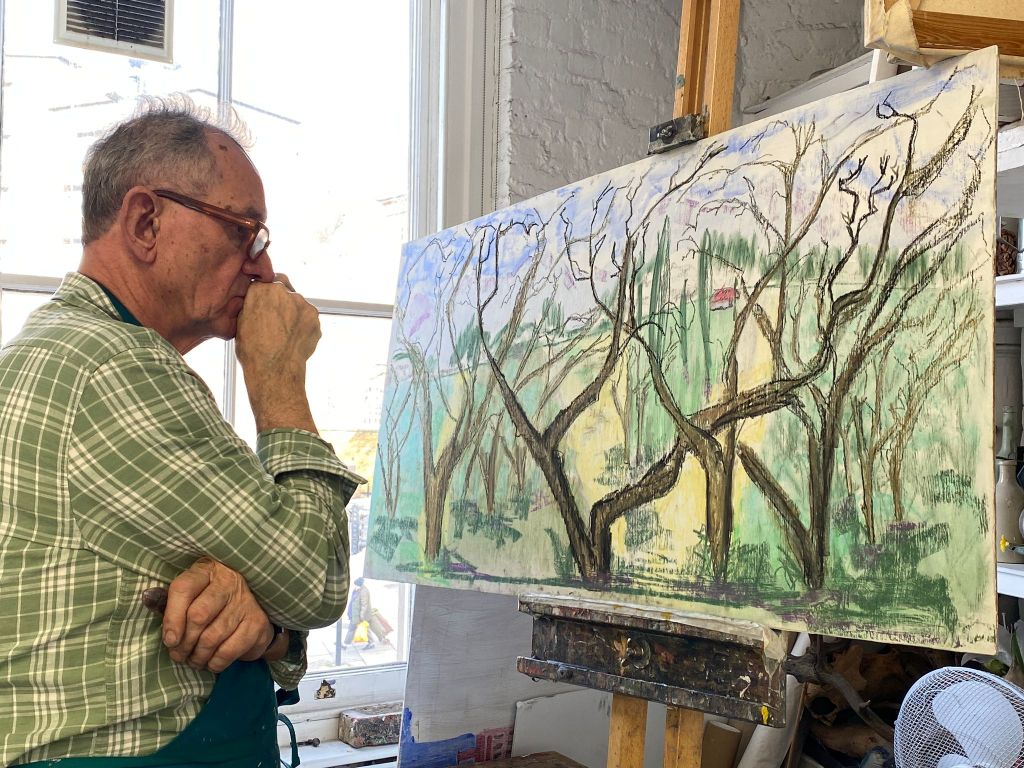
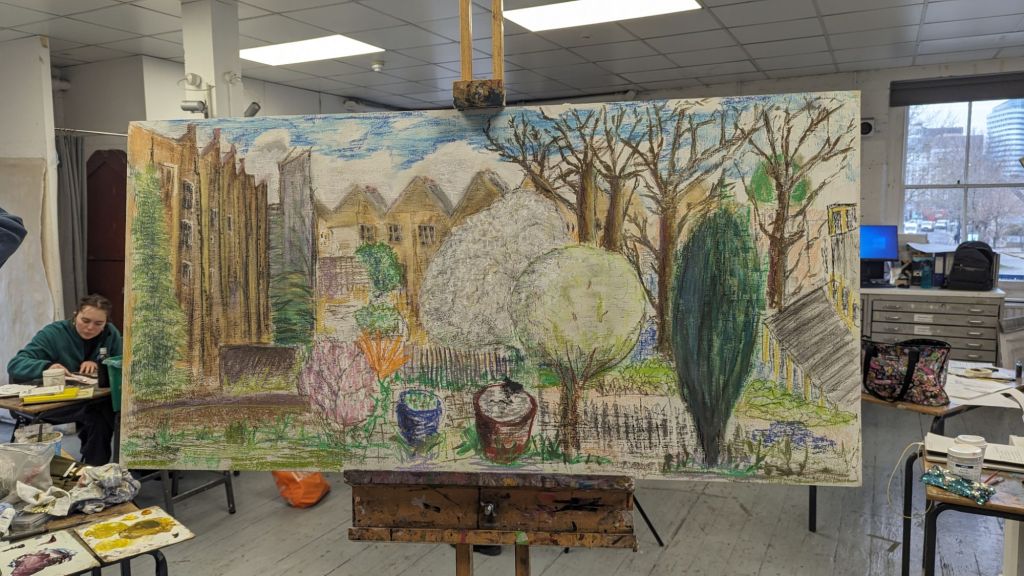
we have been given five weeks to paint, evrey Monday. I decided to make a puppet, a large one based on my Darren/Atlas character. I brought three sheets of ply to cut out and paint. I decided that as I was already making a 3D sculpture a puppet would be redundant and unmanageable I had discussed my drawing with Jill in an assessment and had said that I never cover a page, just draw in the middle and realised that these three rigid sheets were perfect for painting. 140 cm by 60 is quite a surface. I used Gesso and sand paper but found that the wood was still very absorbent and acrylic paint although they left an intersting image, especially after sanding it was not what I was looking for. Patels were the answer, the rough surface of gessoed ply is a perfect ‘toothed surface’ for soft ( not oil) pastels.
it was immediately exciting, making marks with chalk on a rough surface, in colour, I felt like a cave artist of the first graffities. Working from one side of a frame to the other was also a new and interesting experience, a challenge in composition as I was synthesizing half a dozen photographs
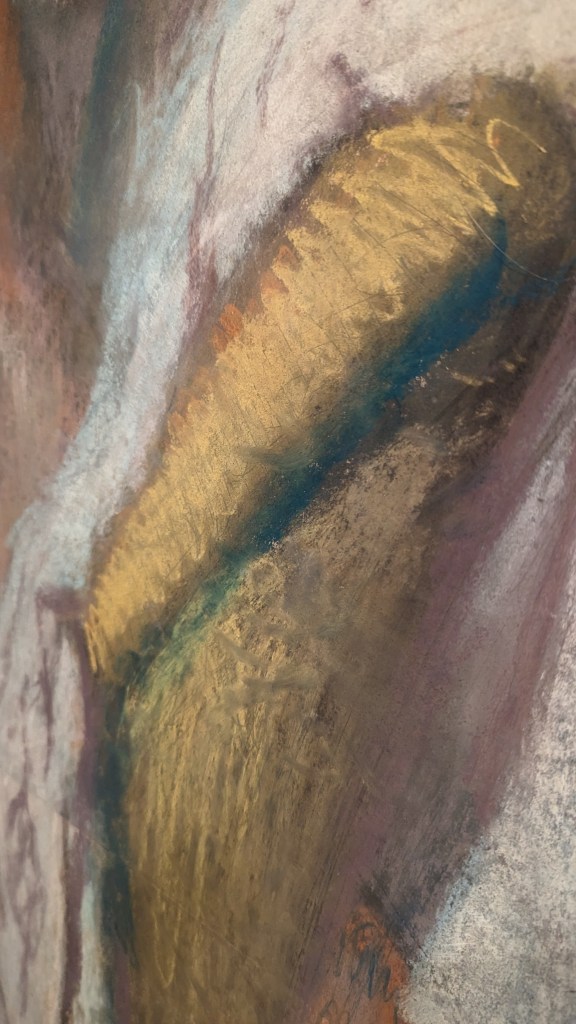
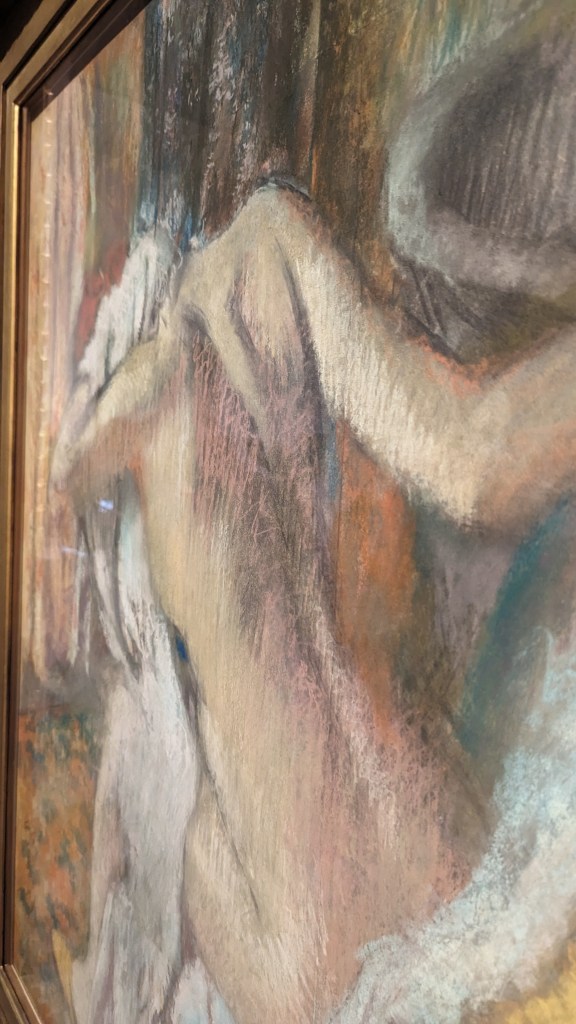
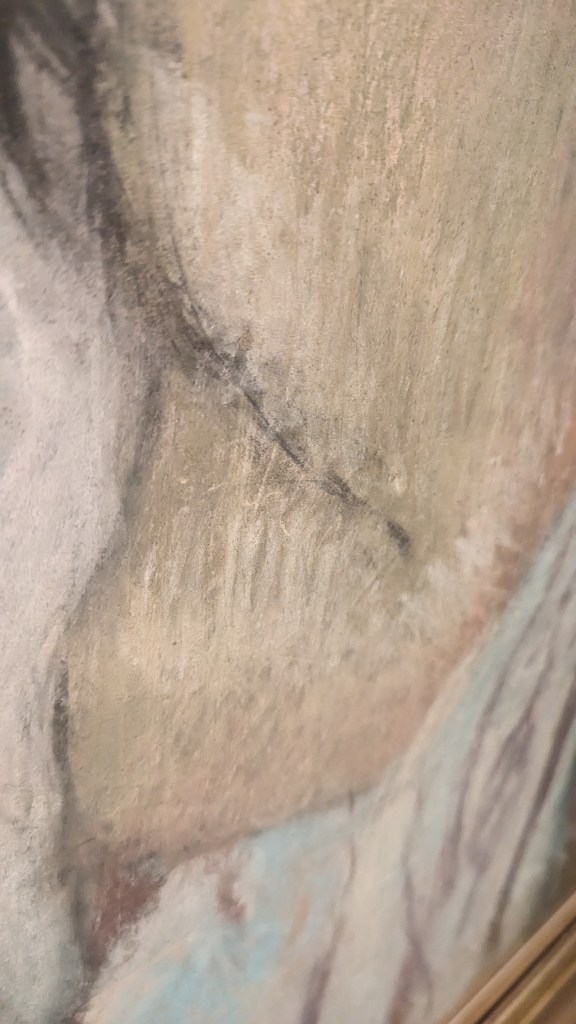
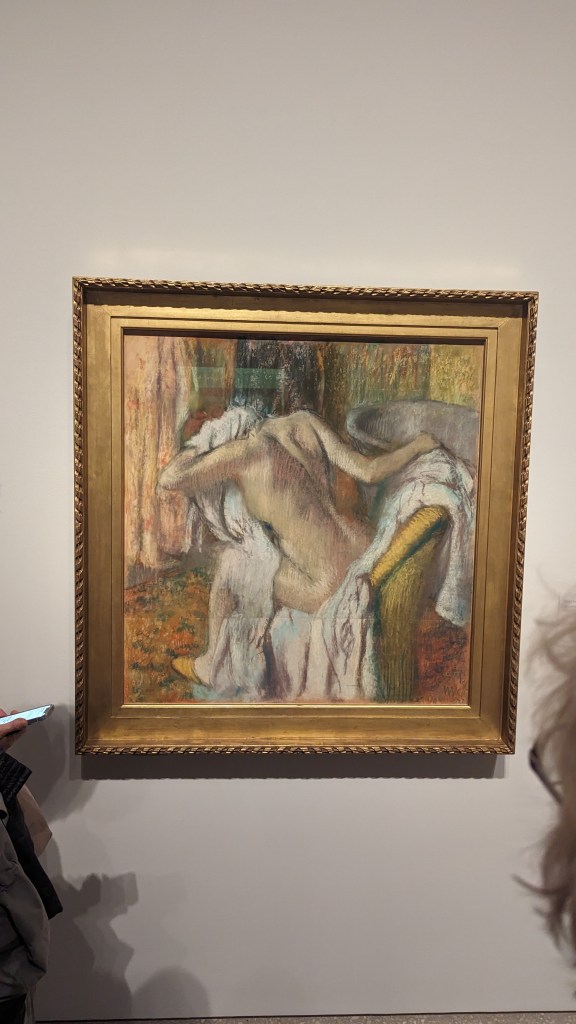
at an exhibition at the Royal Academy ‘Impressionists on paper” I looked hard at the Degas pastel ‘After the Bath’
After the bath, pastel on card, Degas, National Gallery
A true master, Degas was able to use a new medium in a fact and comfortable way, using layers , blending and subtraction in erasure with fast and confident stokes to produce a stunning picture in compostion, colour and tone
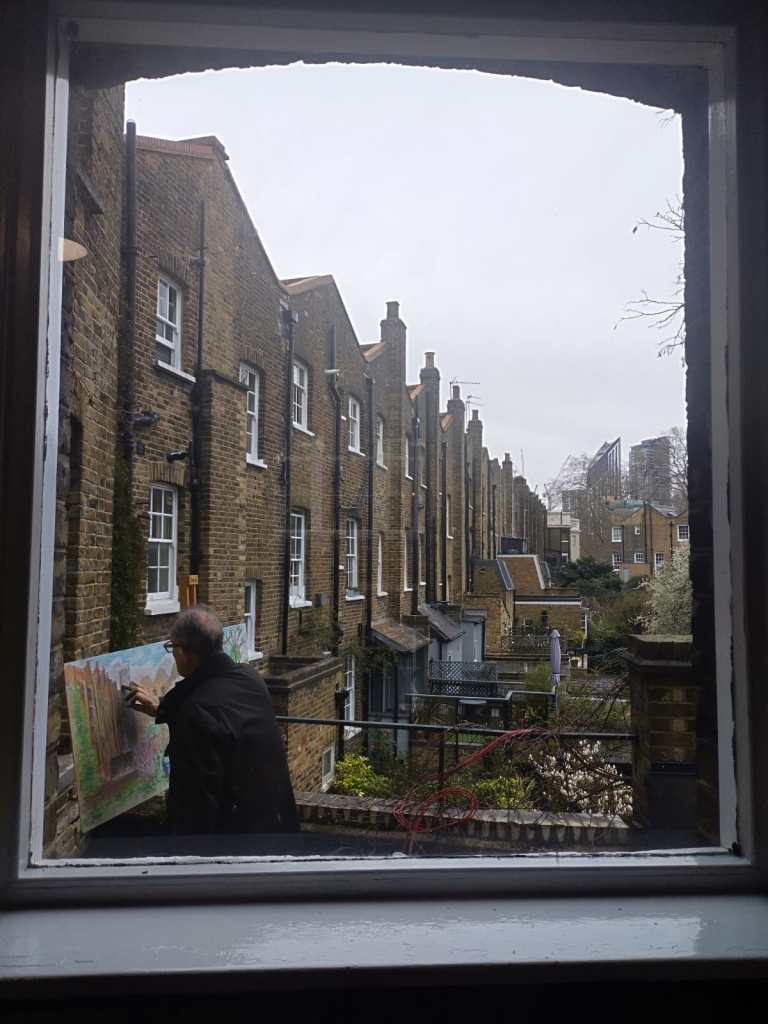
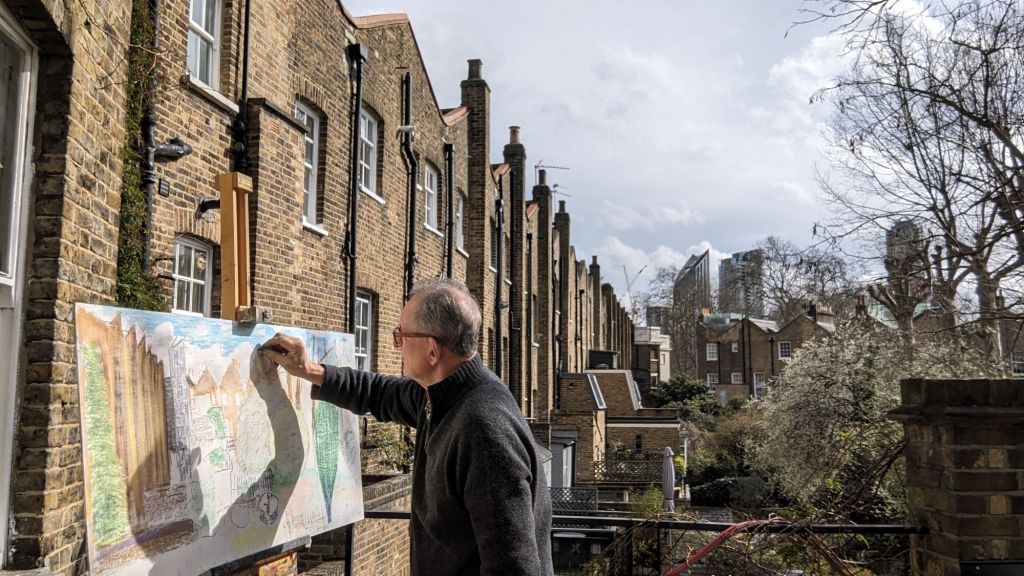
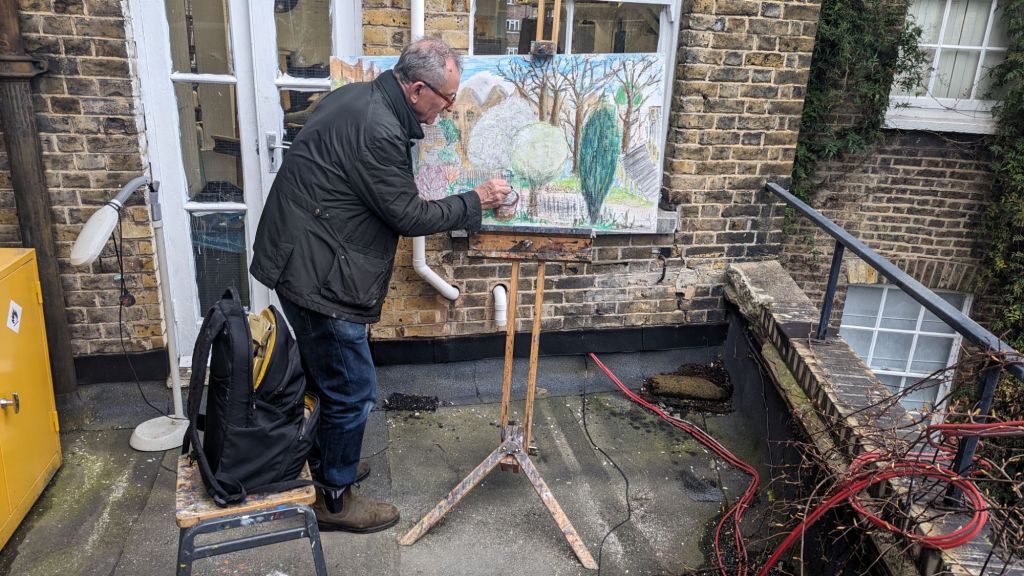
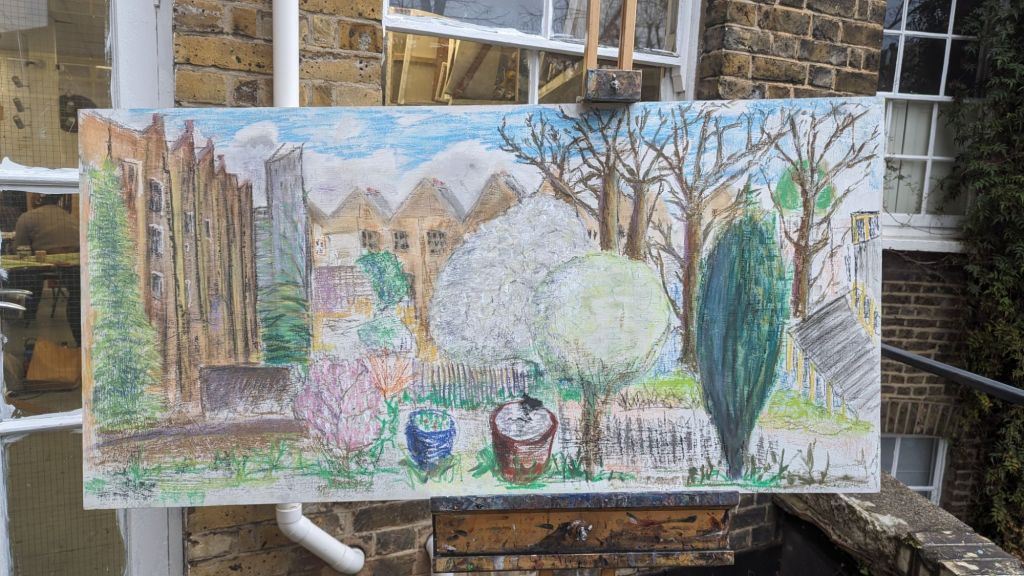
for my third board I went outside on a beautiful spring morning and painted the scene from the studio balcony. It was very intersting to track the movement of light during the day, from trees in bsilhouette in bright morning sunlight to the the even overcast light of the afternoon.
on the 4th week I worked on the boards, already fixed but they took a further layer of pastel comfortably, I was able to think more about the light I hoped to capture and how to sucessfully add depth by renedring the far back ground soft and faded. I am not so sure how successful I was.
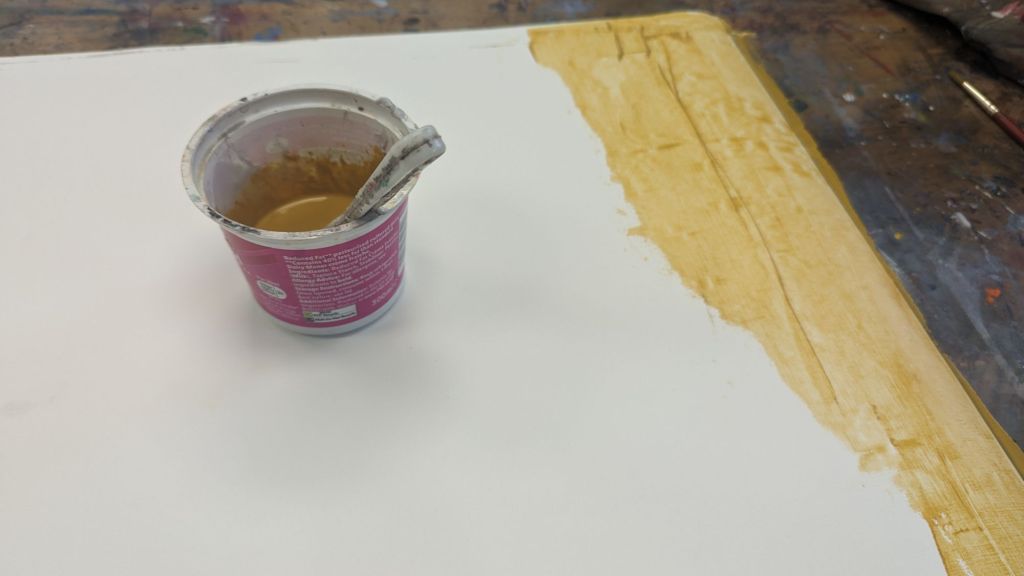
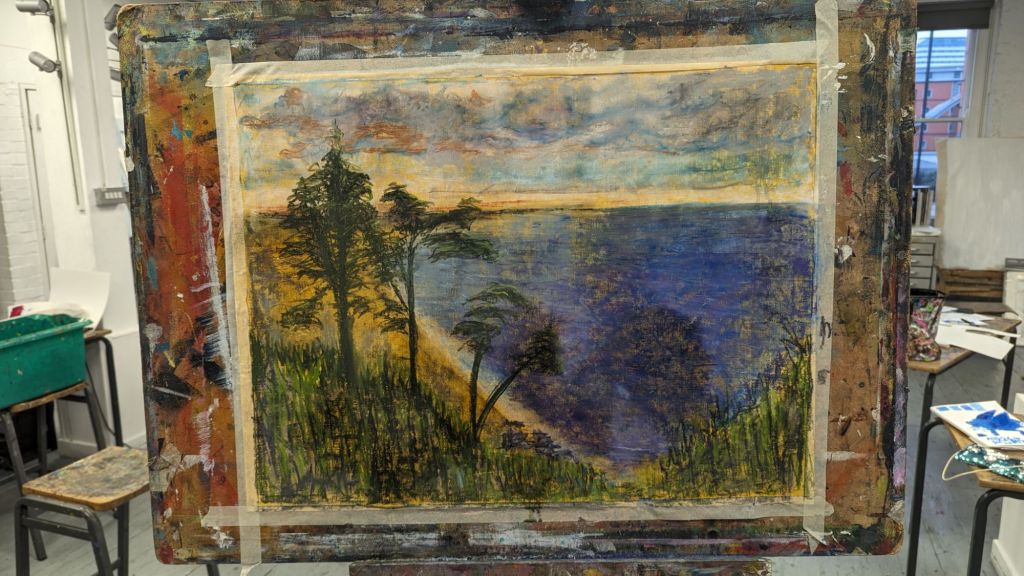
I coated a sheet of heavy accrylic with Golden Pastel ground, diluted with 40 to 50 with water and a small amount of yellow ochre acrylic paint. It resulted in a a good well toothed surface but I could have added less than half yellow ochre (enough to cover a finger nail. I learnt that some artists colour differnt areas of ground as a prepared background. The result was a pleasing yellow ochre background, I decided to paint a familiar sunset at a beach I had visited in Brittany . The sea was a challenge as it is as I used a mix of ochre and a silvery grey. I was satisfied to wherr i had got to in three hours, unfortunately I used a very wet fisatave from too close and the pigments ran. In a not unpleasing way. I look forward to see the results next week
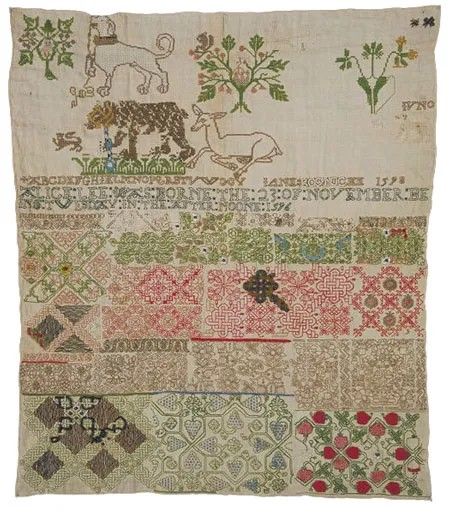
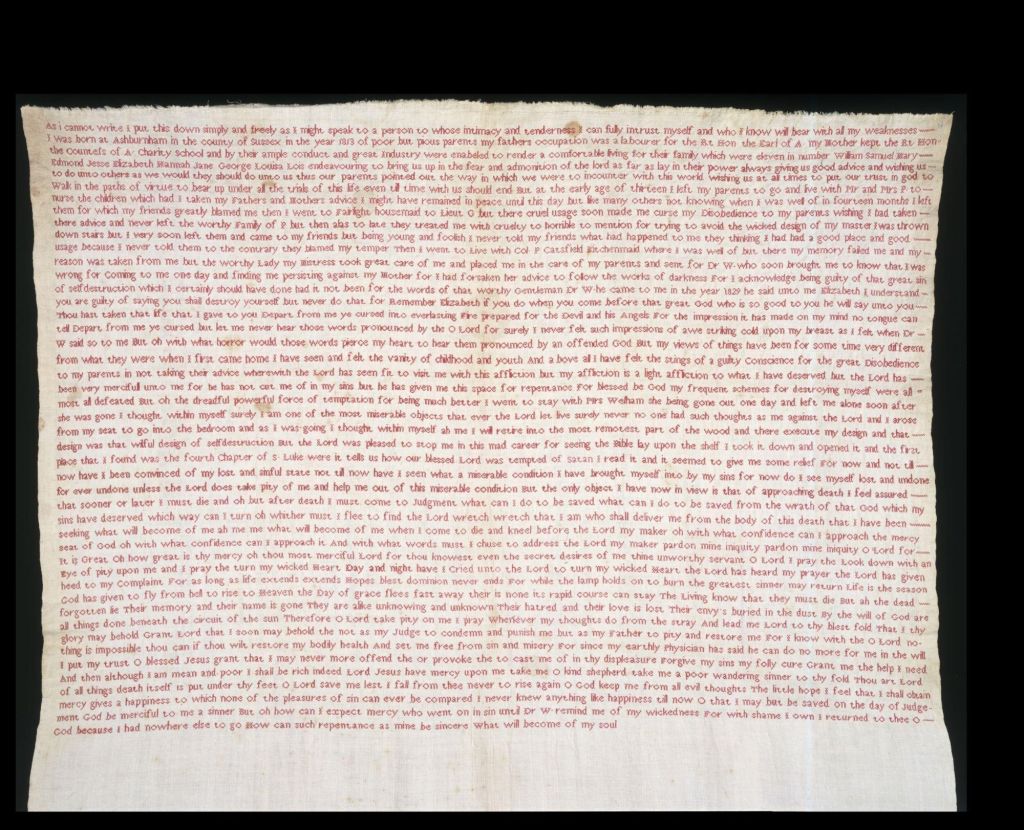
We met on Friday to discuss stiching and embroidery, where necessity, craft and art intersect. The western European tradition of sampling,where, women produced fine and decorative examples of embroidery producing patterns, religious tracts, or images of familiar objects, animals and houses. Occasionally the embroidery would be personal and confessional
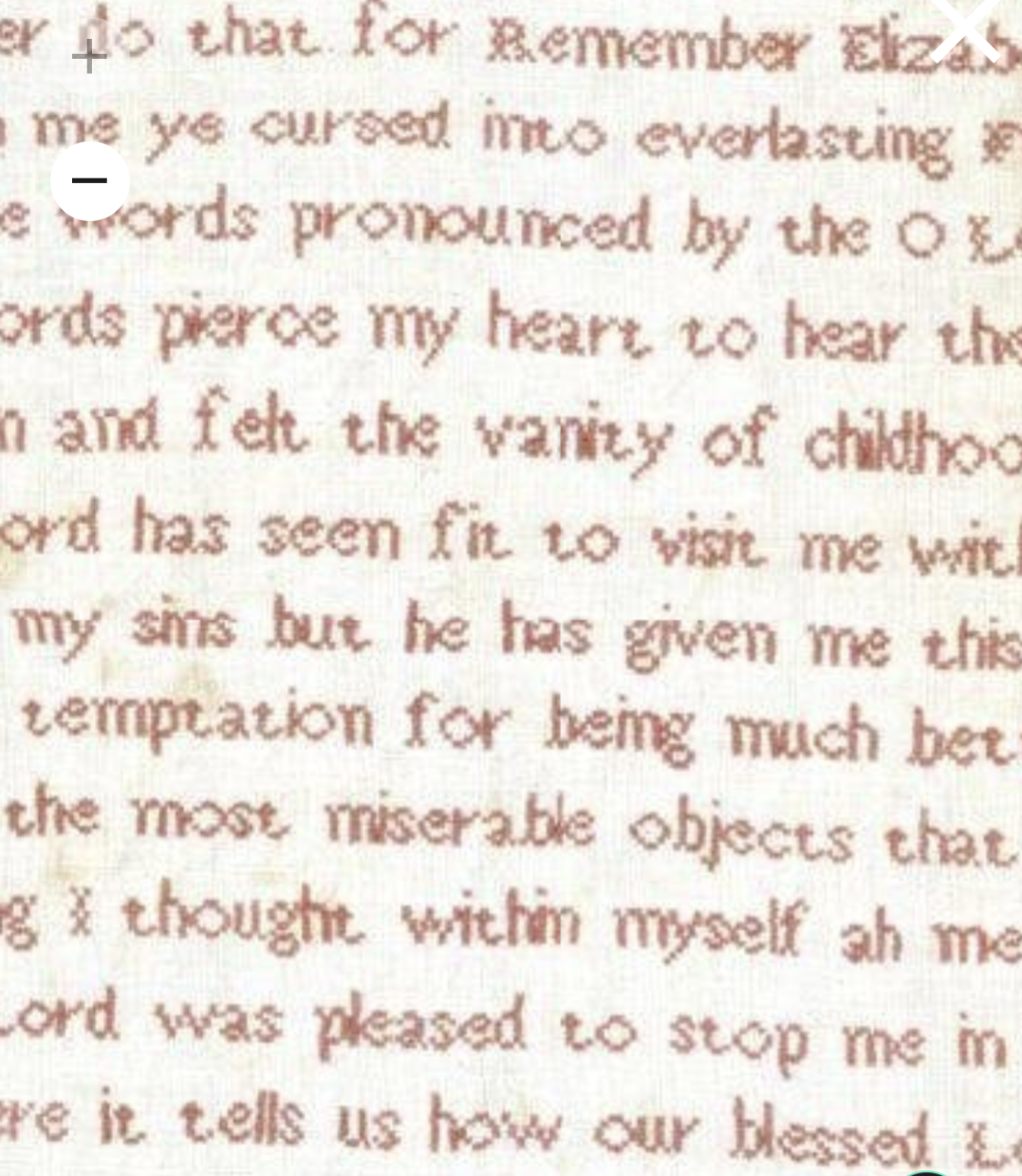
Sampler Elizabeth Parker, England 1820’s V and A
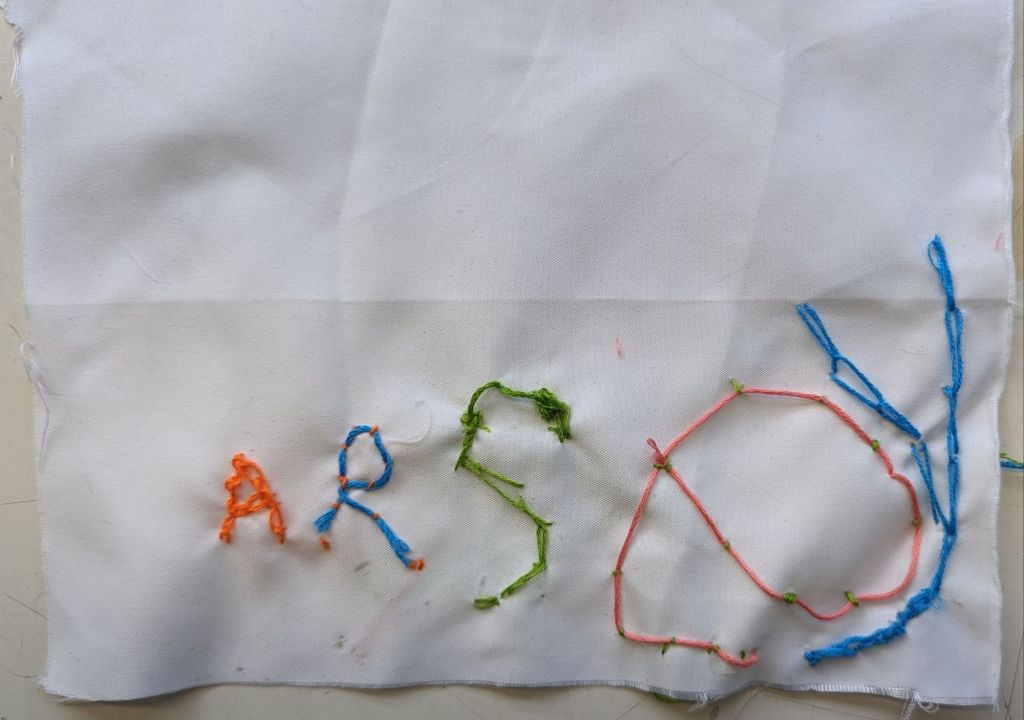
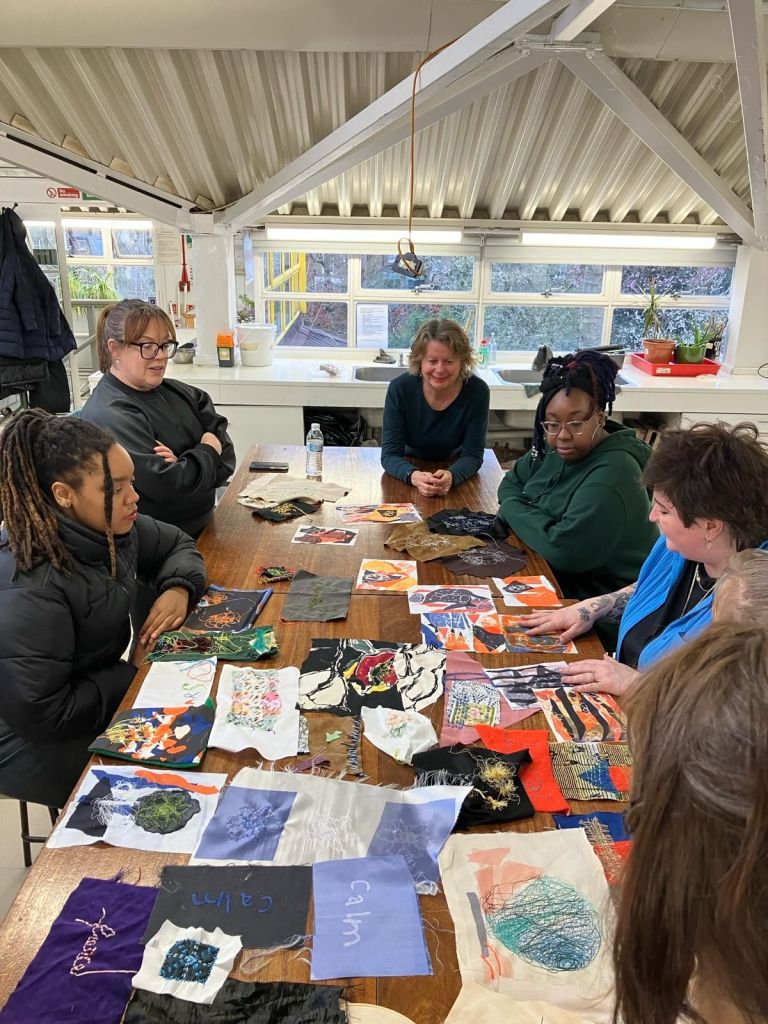
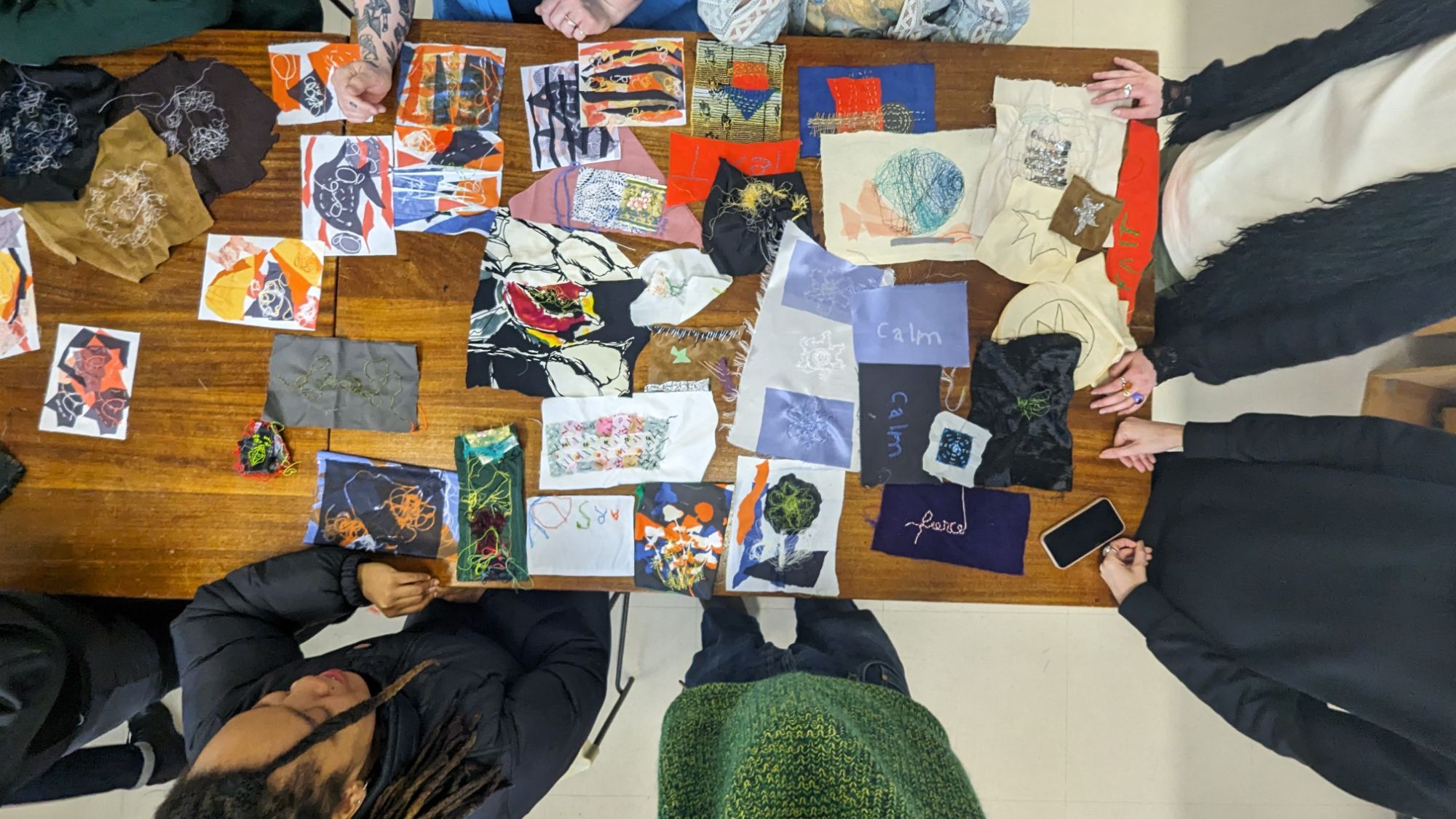
We produced our own stitched word expressing identity.
ARSEY my sampler using chain and couching stitch
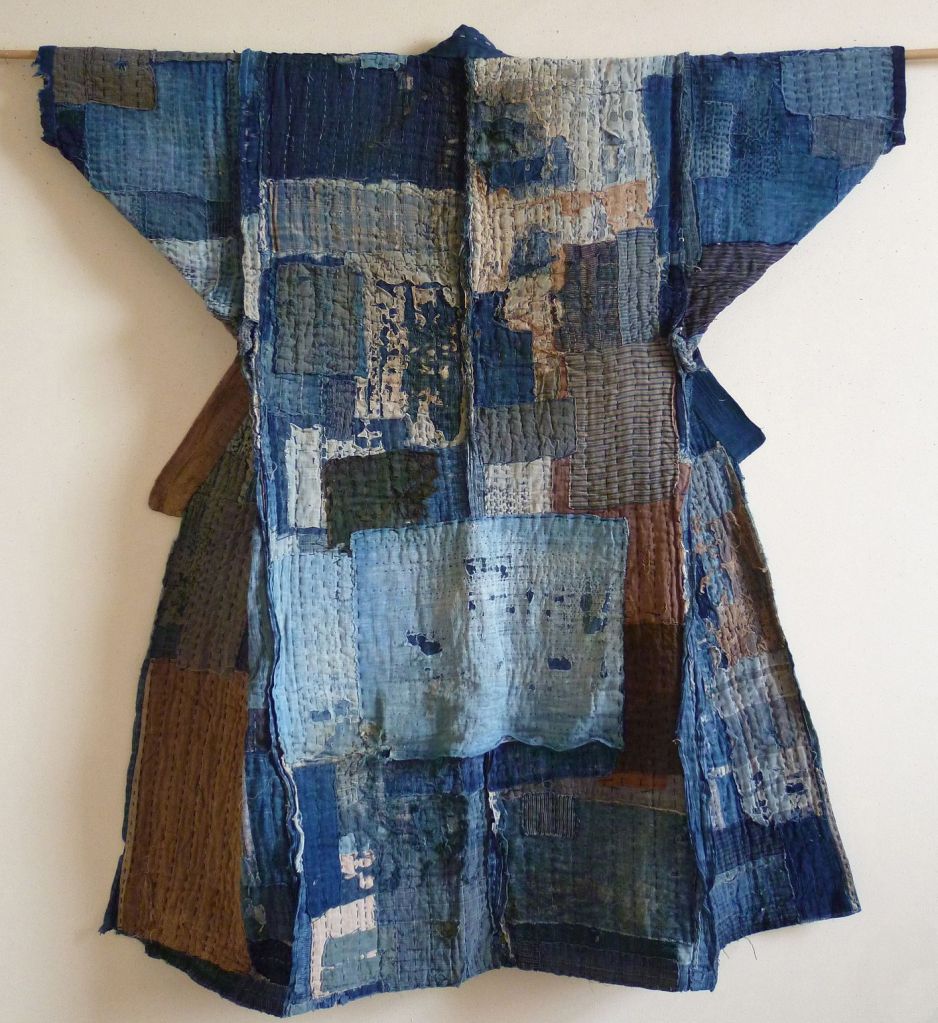
We discussed Boro( repairing patchwork) and Sashiko ( decorative and overt stitching)
Japanese coat repaired in Boro style 1890’s
the Boro tradition of visible repair,developed out of necessity became recognized as a craft and eventually embraced as an art form.
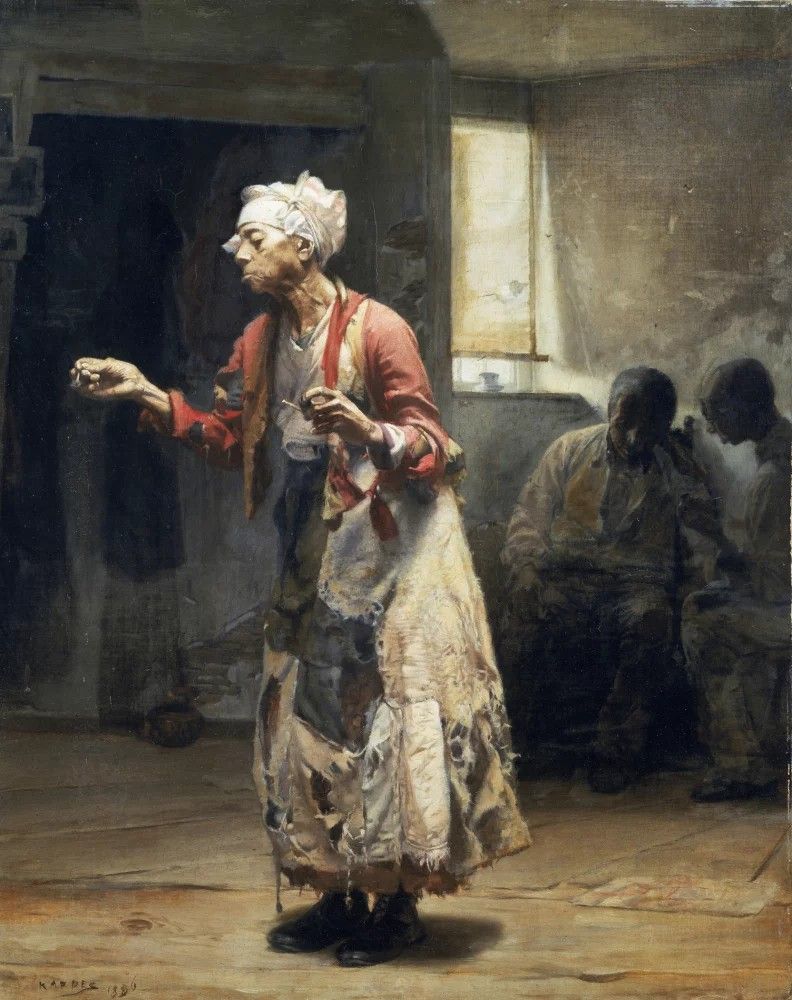
Tattered and Torn ,Alfred Kappes 1886 , Smith College
The patched clothes of the western poor received no recognition.
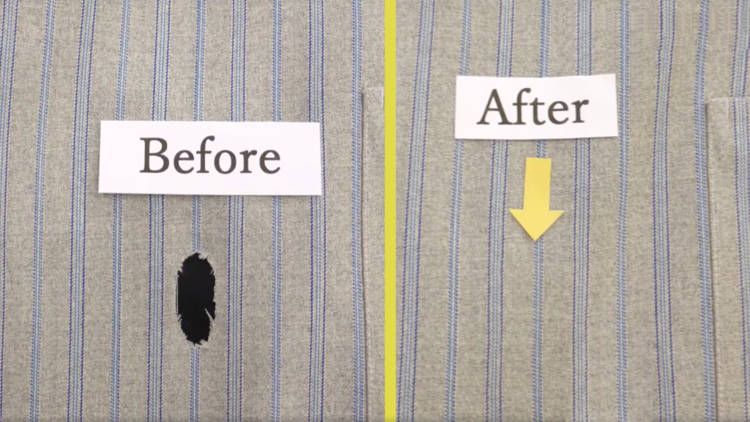
Sashiko sometimes a decorative and overt form of stitching with thick thread of a contrasting colour, the opposite of the discret hidden ‘ invisible mending’ of the west
Katesuki, a Japanese form of invisible mending.
Although ironically some of the best practices were imported from Japan.
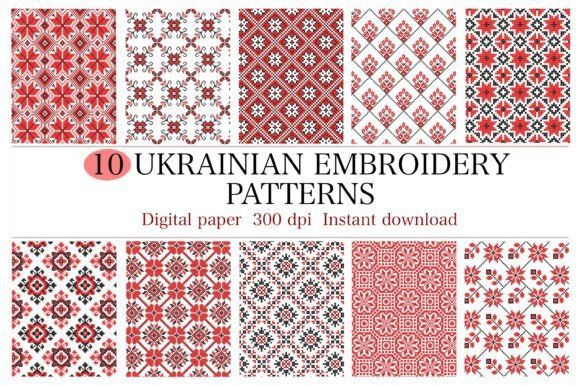
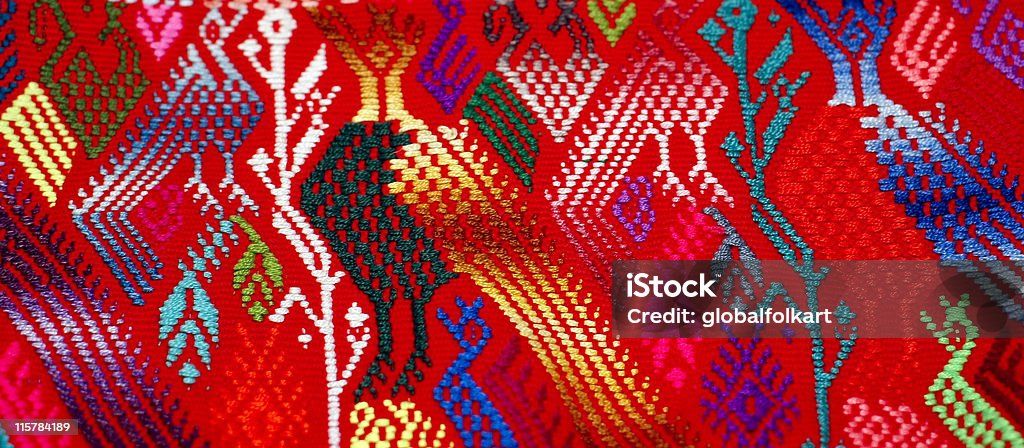
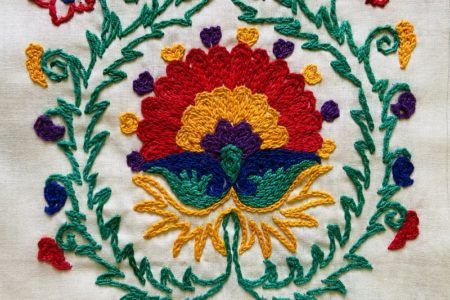
Ukrainian, Guatamalaian, Kashmiri embroidery
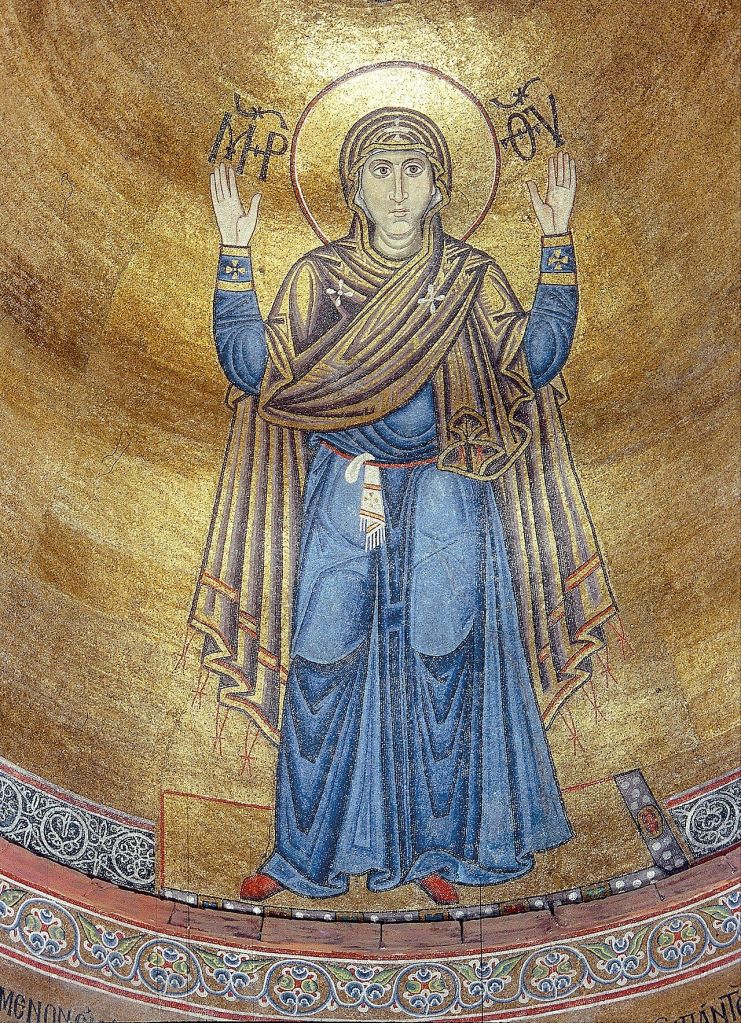
Across continents and centuries embroidery is used not only as decoration.but takes symbolic, religious and distinctive forms of regional Identity.
12th century Ukrainian mosaic with an embroidered belt, a belt still seen in Ukraine today
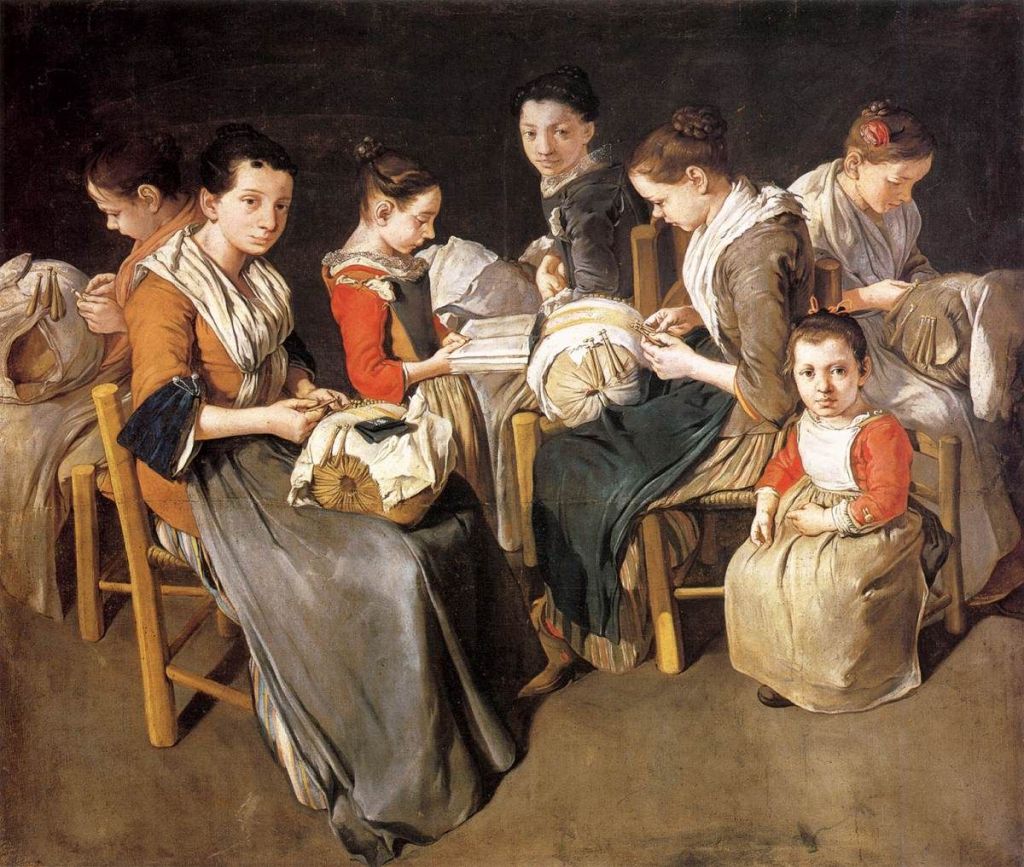
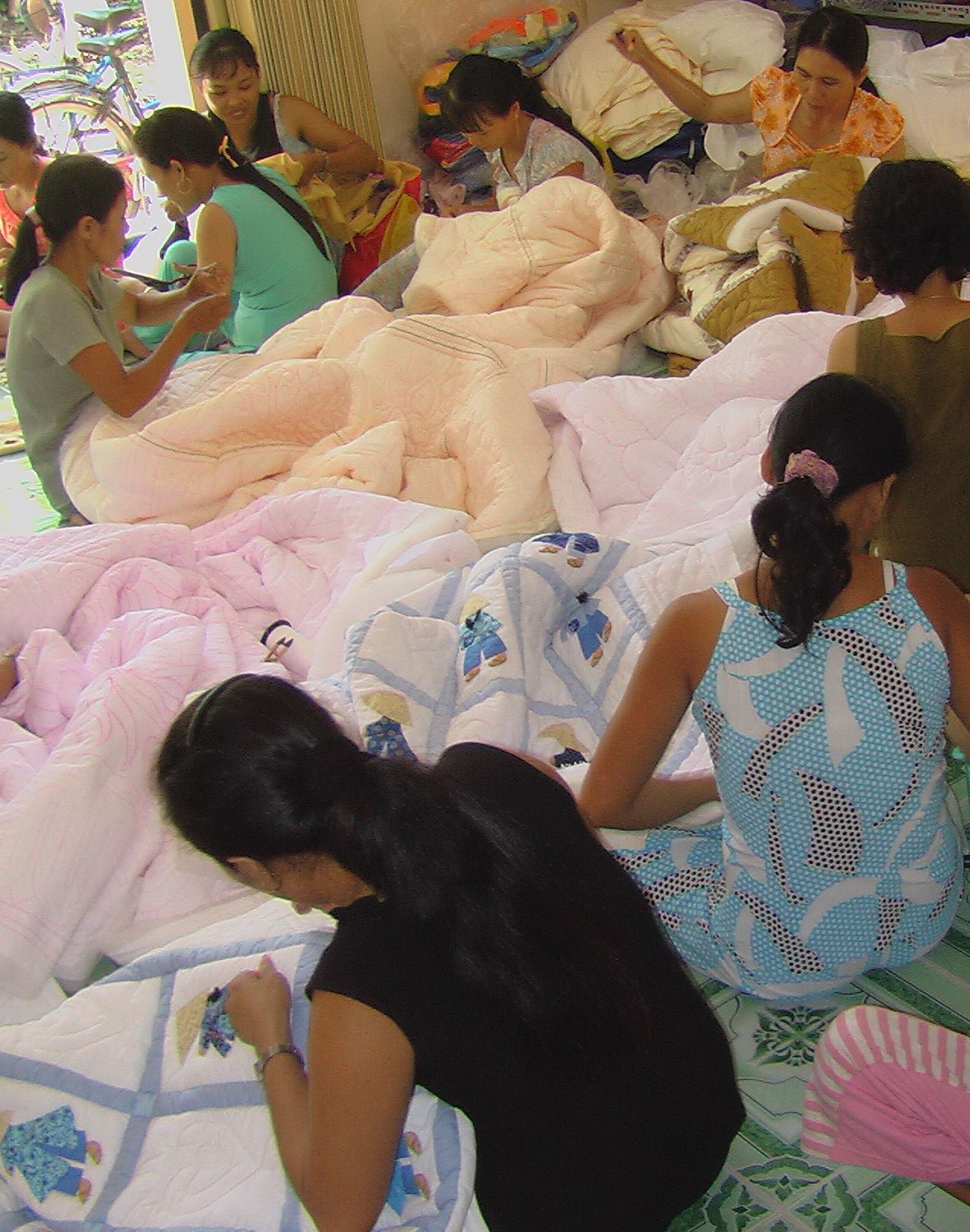
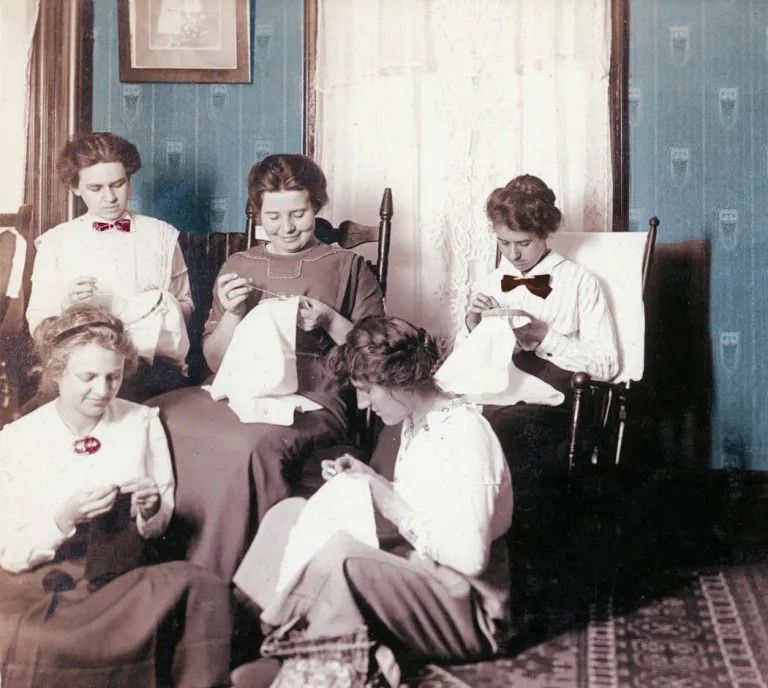
A day of sewing gave us all an opportunity to reflect on the relaxing, mindful aspect of handsewing, a long tradition of group activity
The society of stitchers, sewing circles
We sewed and gossiped, helping each other out as we learnt a new skill













 Nicholas Turner Morley Art Foundation