bitmaping and vectors

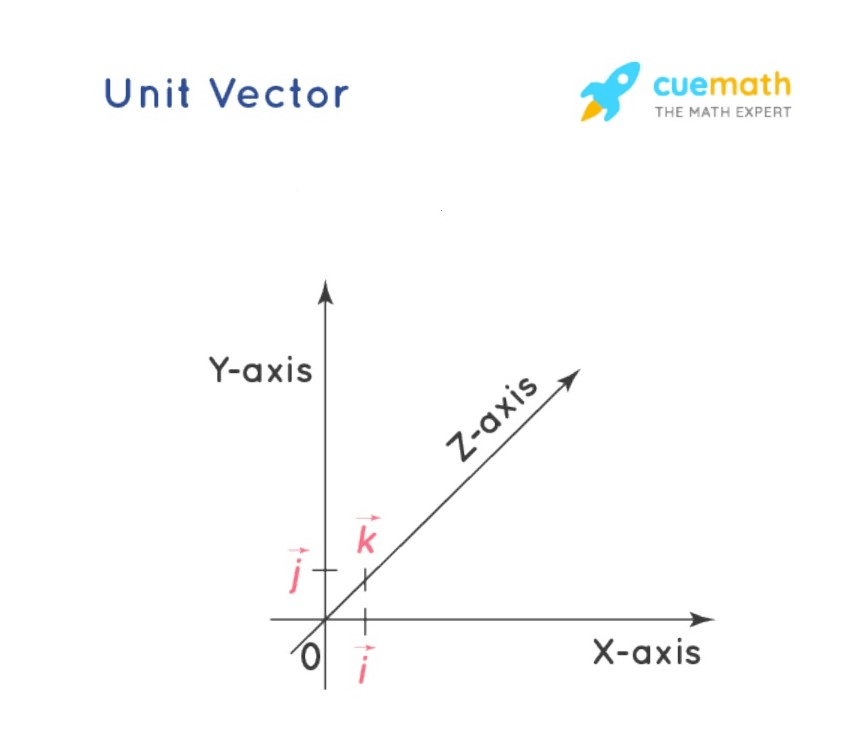
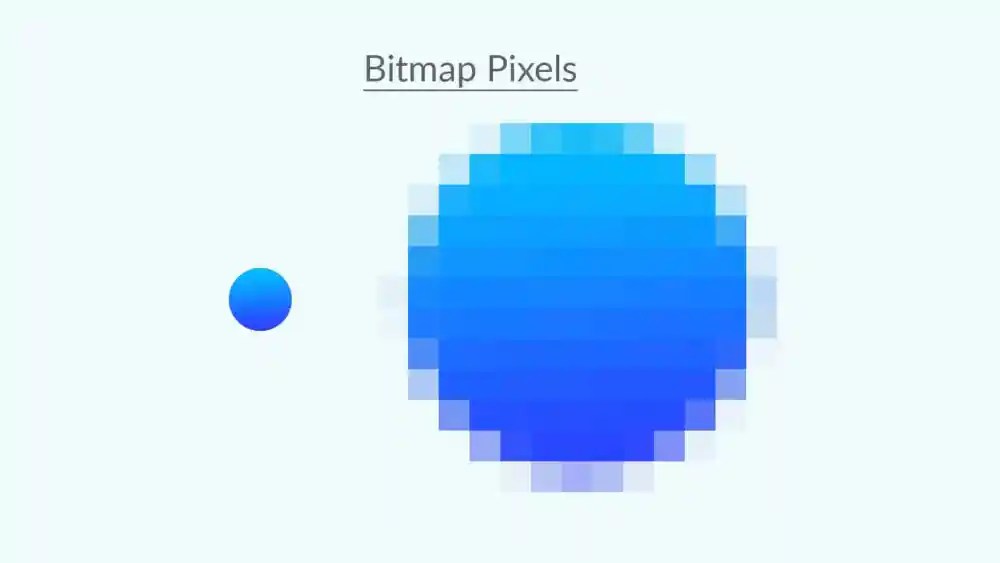
in class we discussed the difference between graphic programmes that use bitmaps ( adobe photoshop, brushes, procreate) and vectors ( Adobe Illustrator). Whilst bitmaping is a versatile graphic system for digital mainutplation, painting, drawing illustrating on a computer screen, using vectors which uses mathematical mapping to increase a graphic without losing any definition
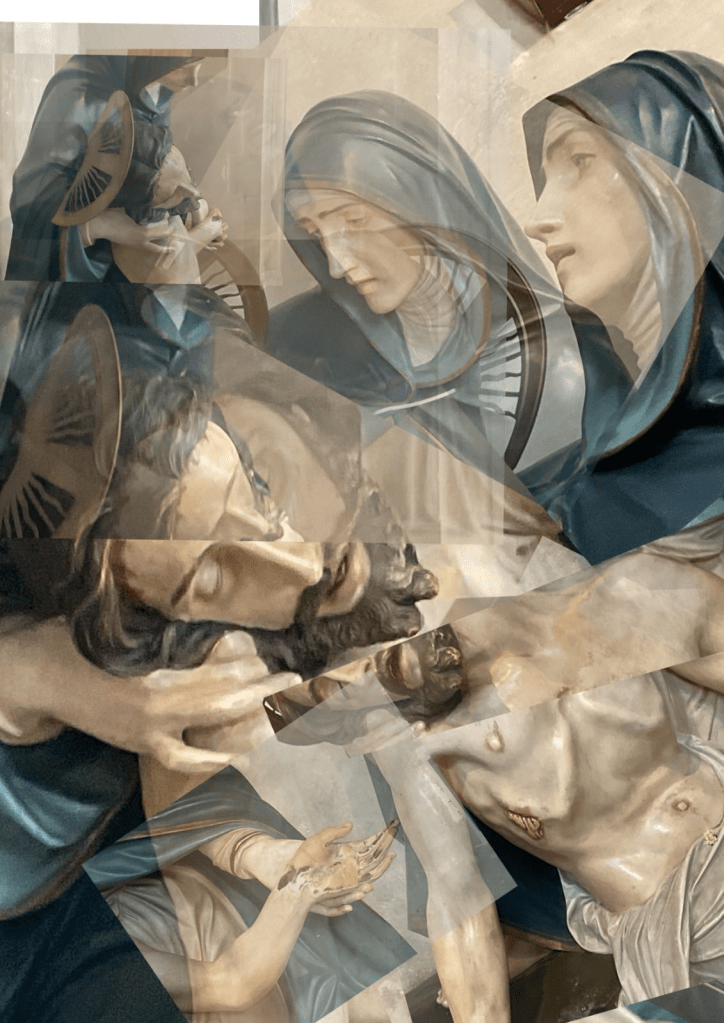
Multiple layered image in procreate, st georges cathedral, southwark

this image was created using bitmapping, in procreate I imported, layered and manipulated multiple layers of mobile phone photographs taken from different angles. As a bit map it could be enlaged to possibly A1 but to increase it anyfurthur the pixel base of the image would deteriorate
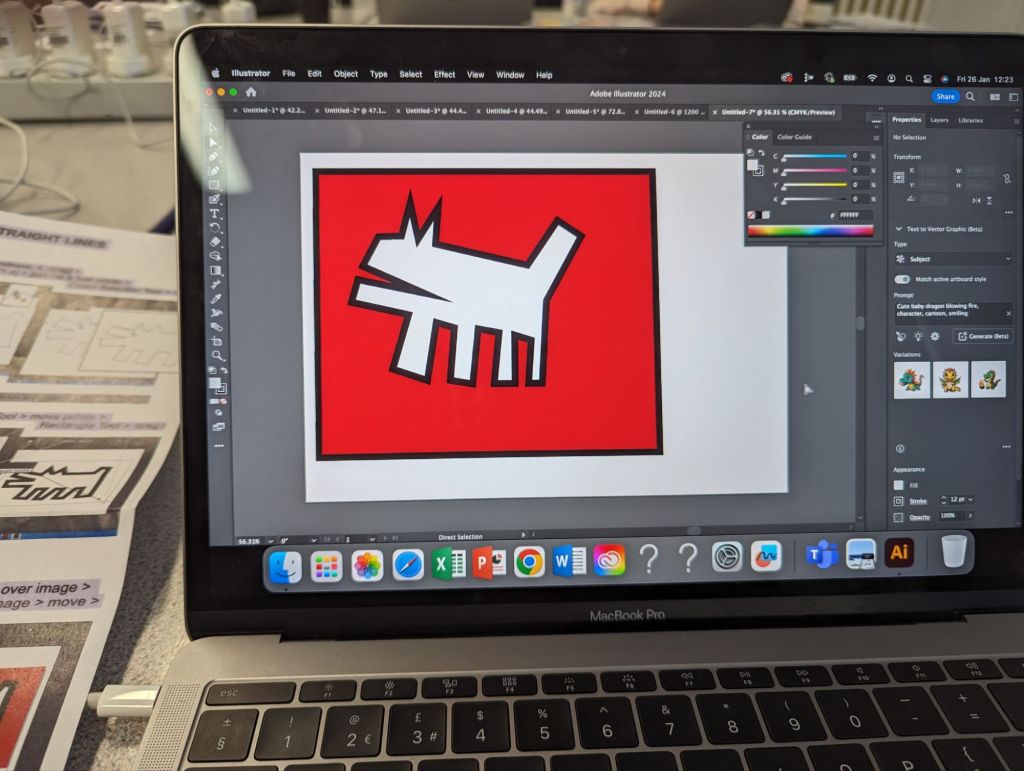
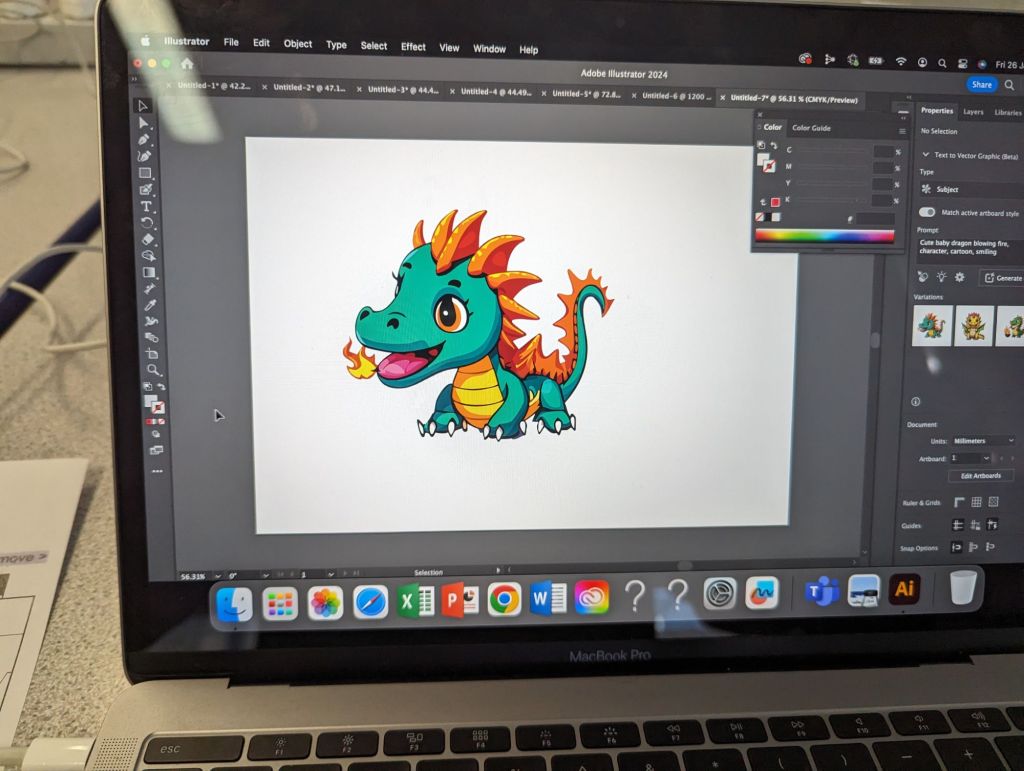
I drew a Keith Harring dog in Adobe Illustrator, its Artificial Intelligence AI provided this version
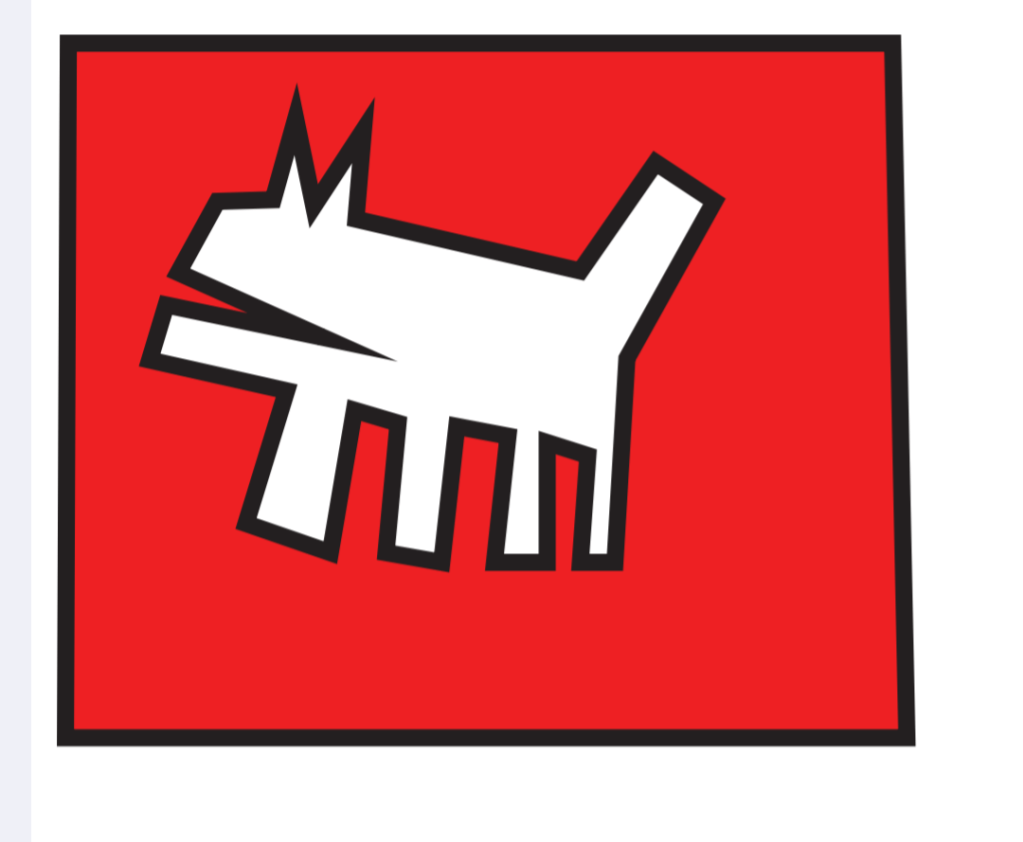
Draw on Adobe Illustrator this vector based image can be enlarged without any pixel loss, it is the industry standard for sharing images to be used commercially, instructions can be given to robotic 3d printers and laser cutting machines
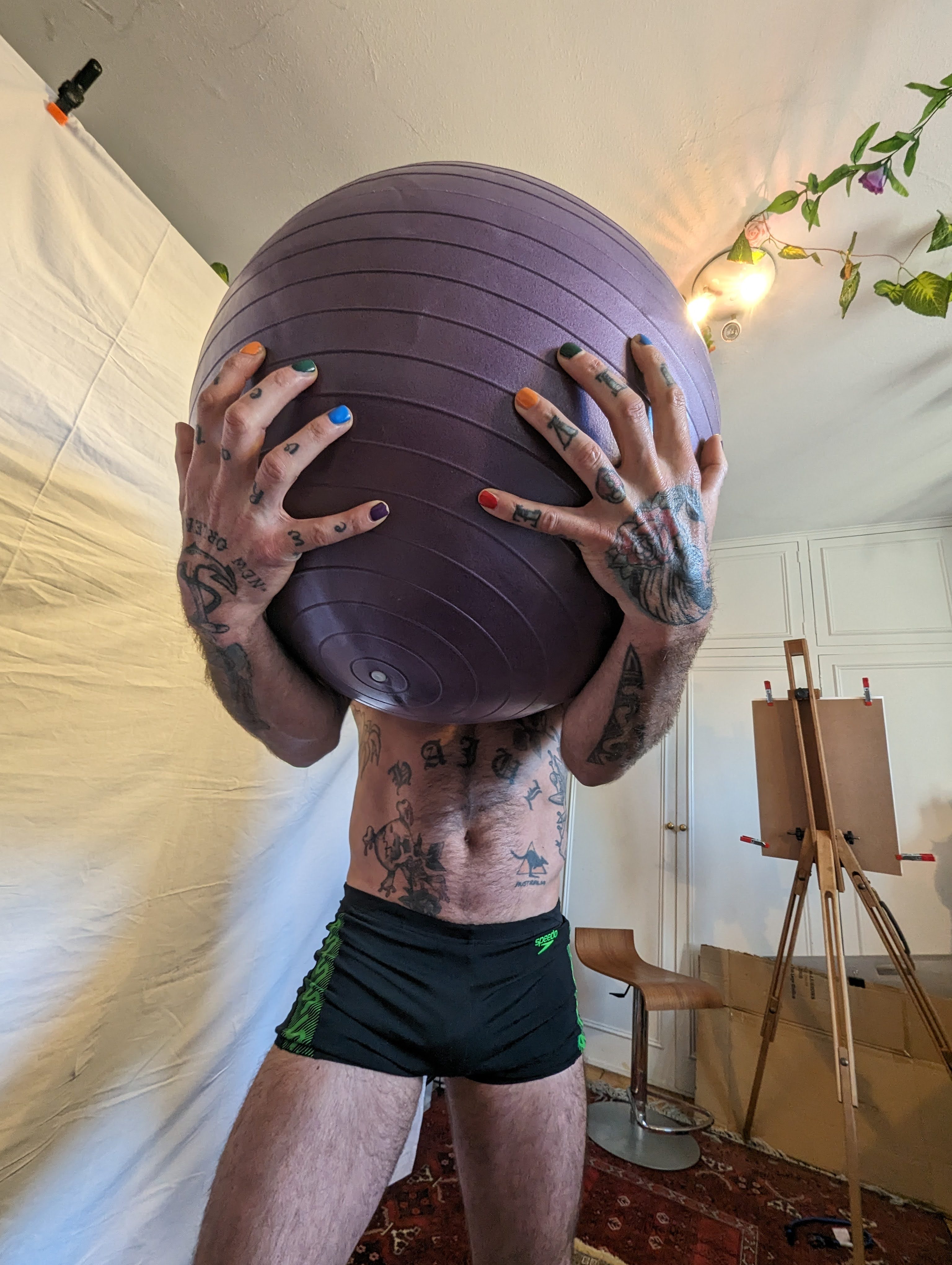
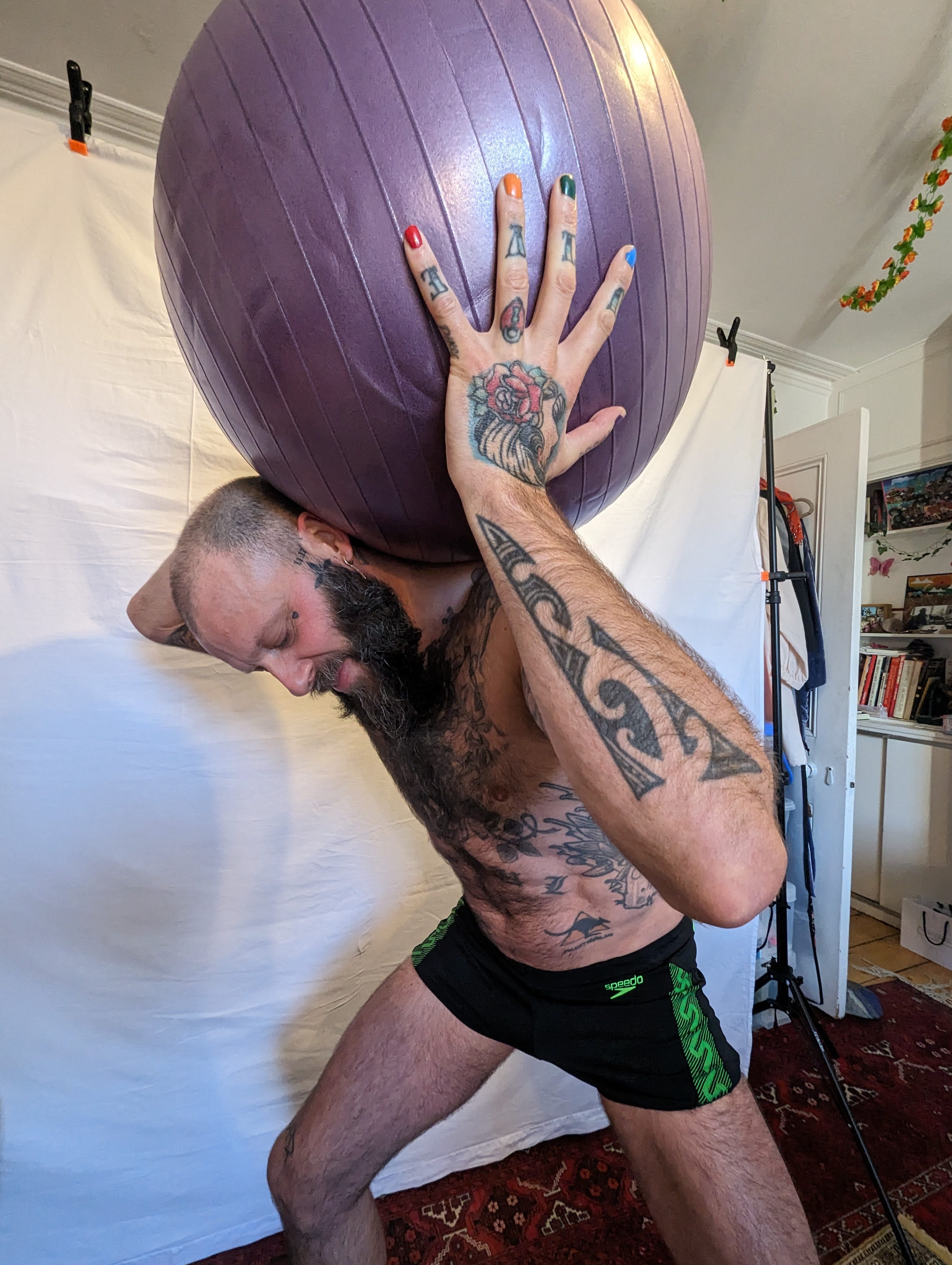
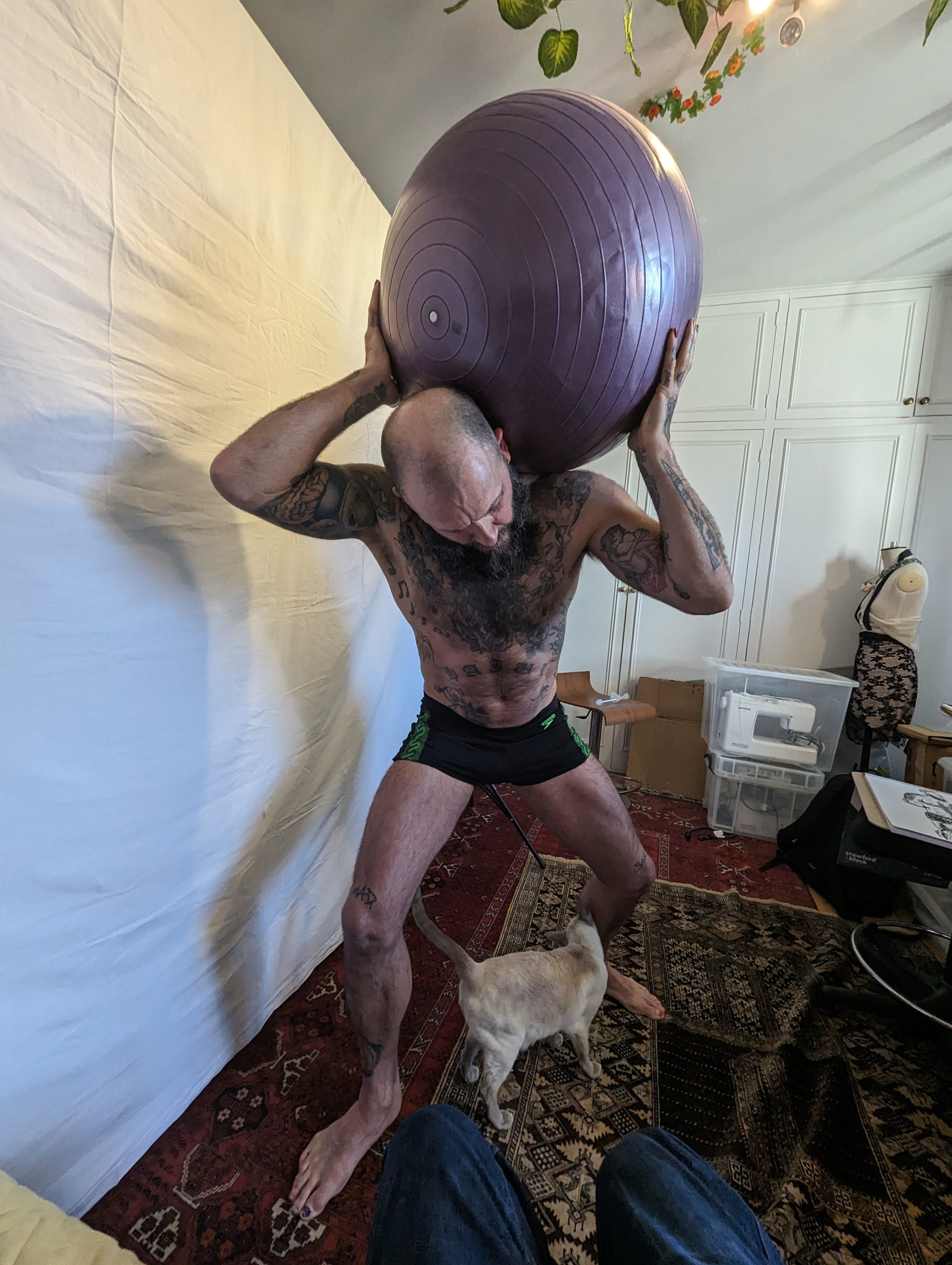
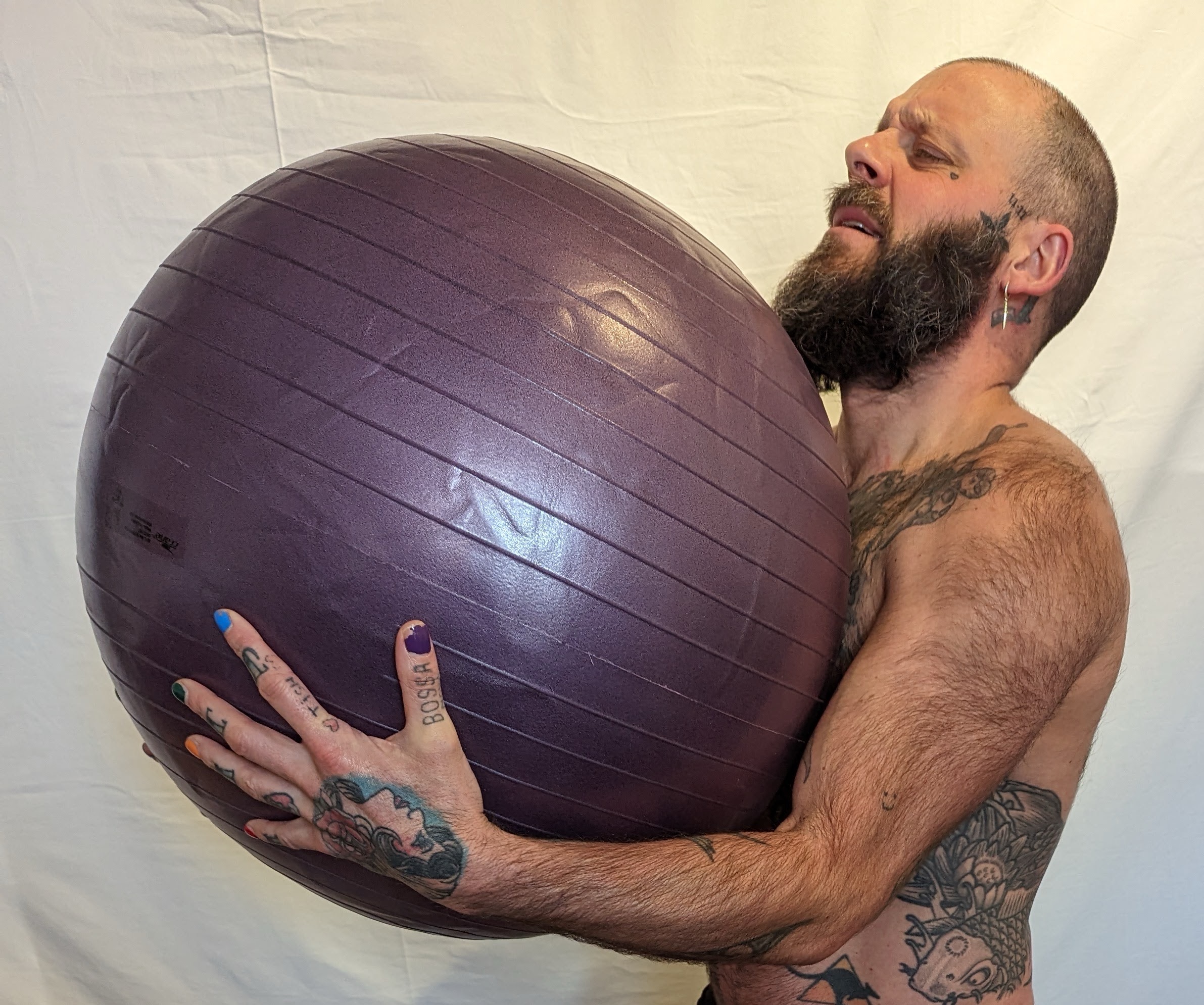
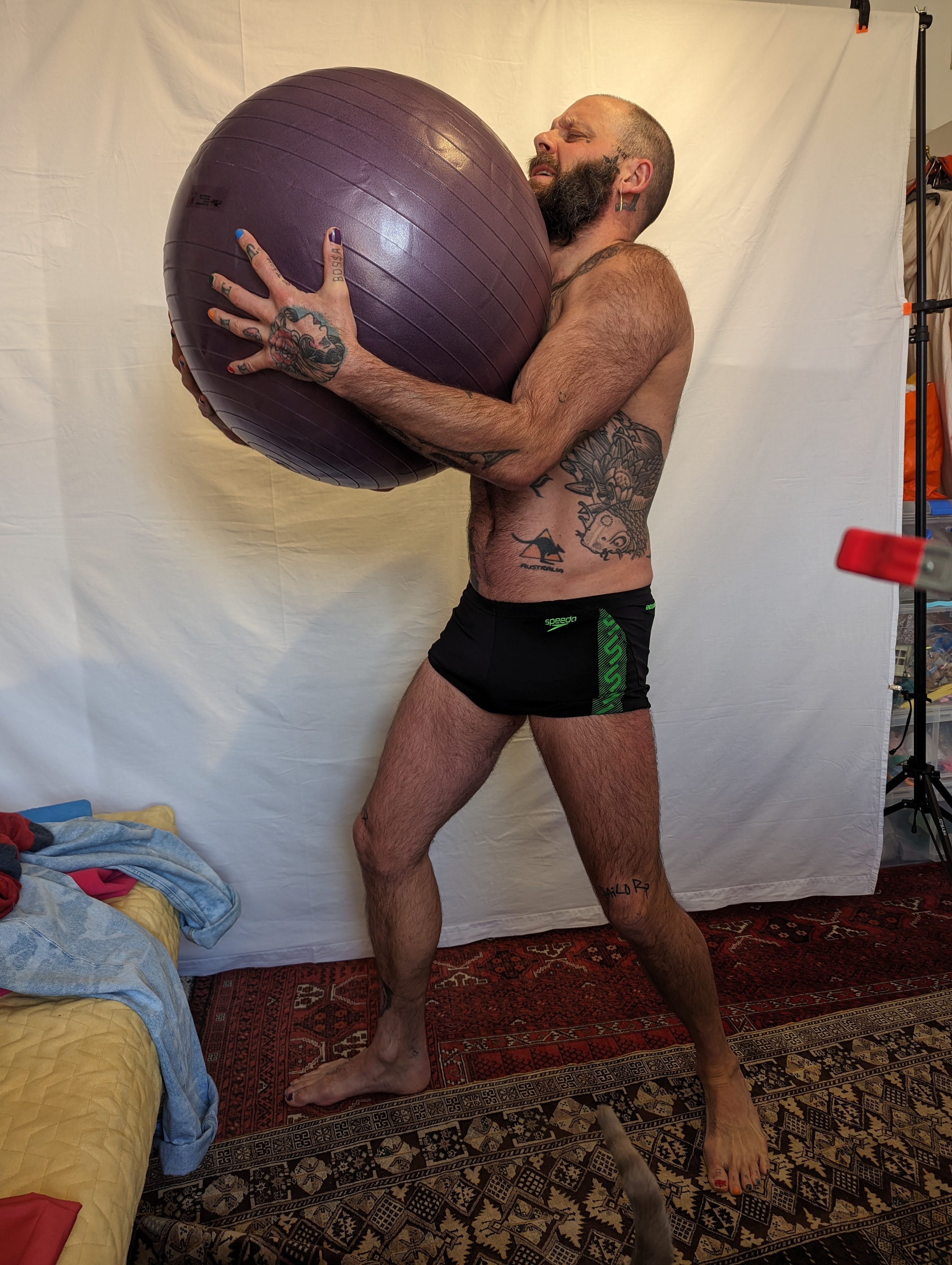
Atlas with a rubber world

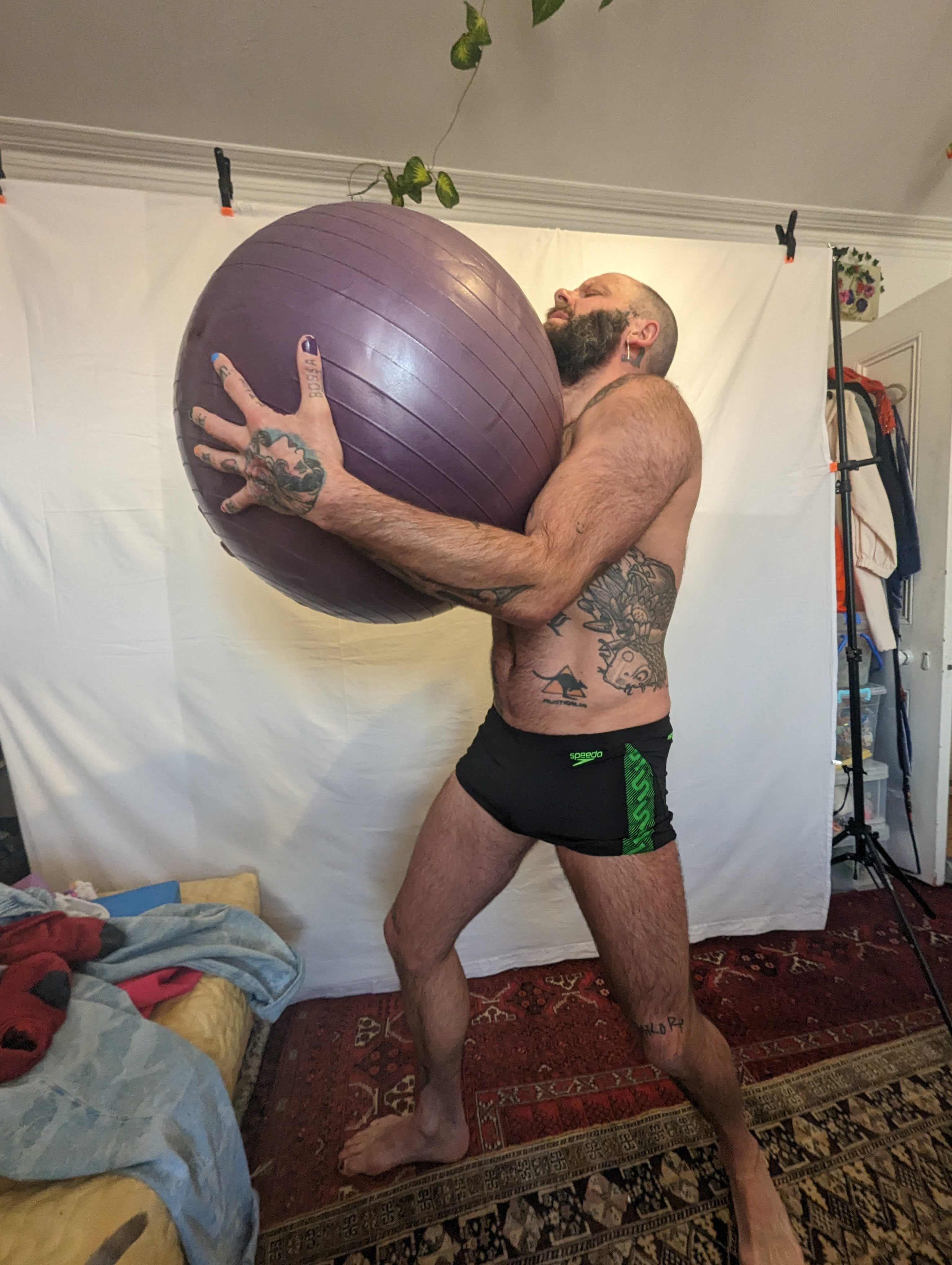
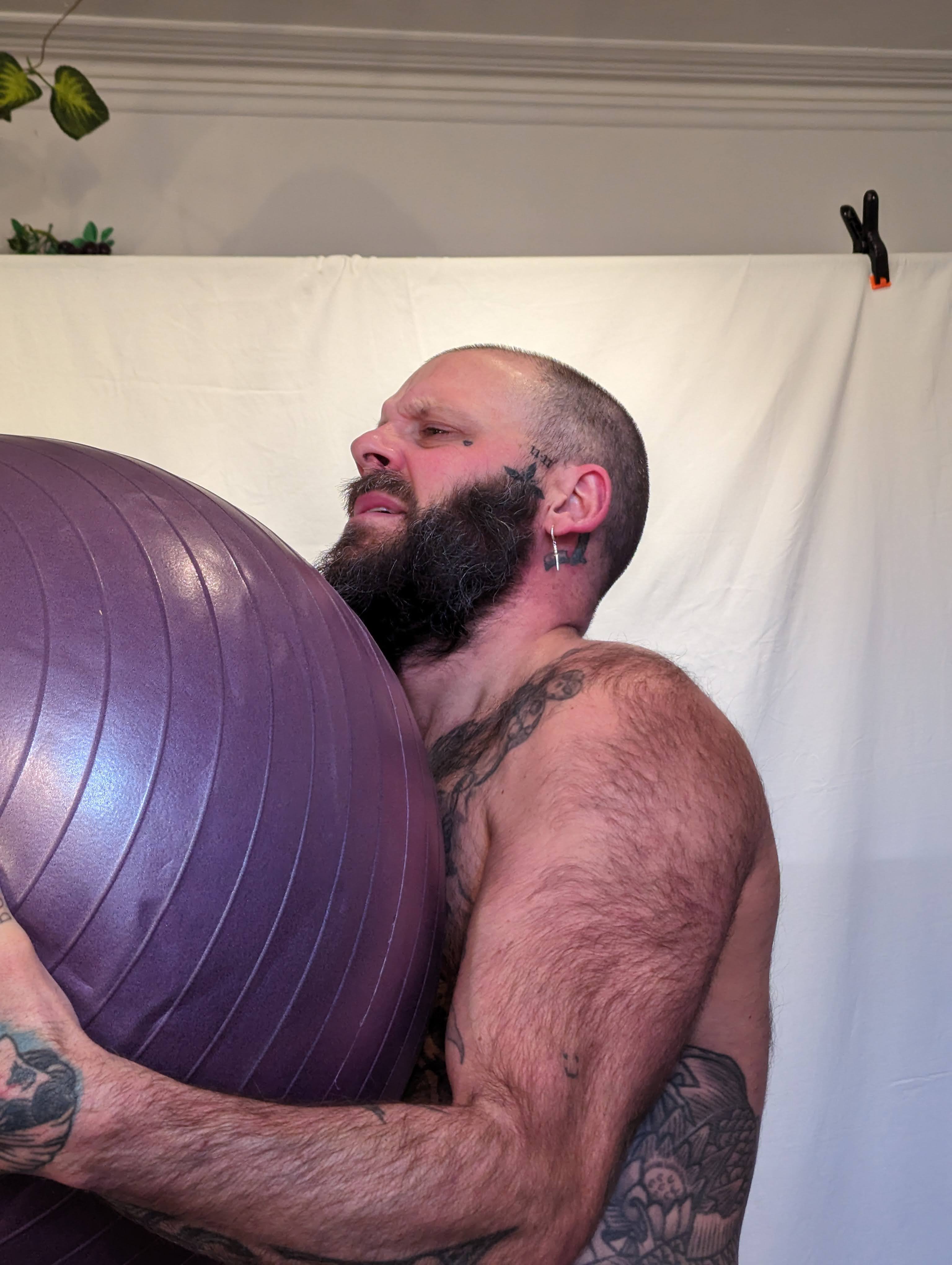
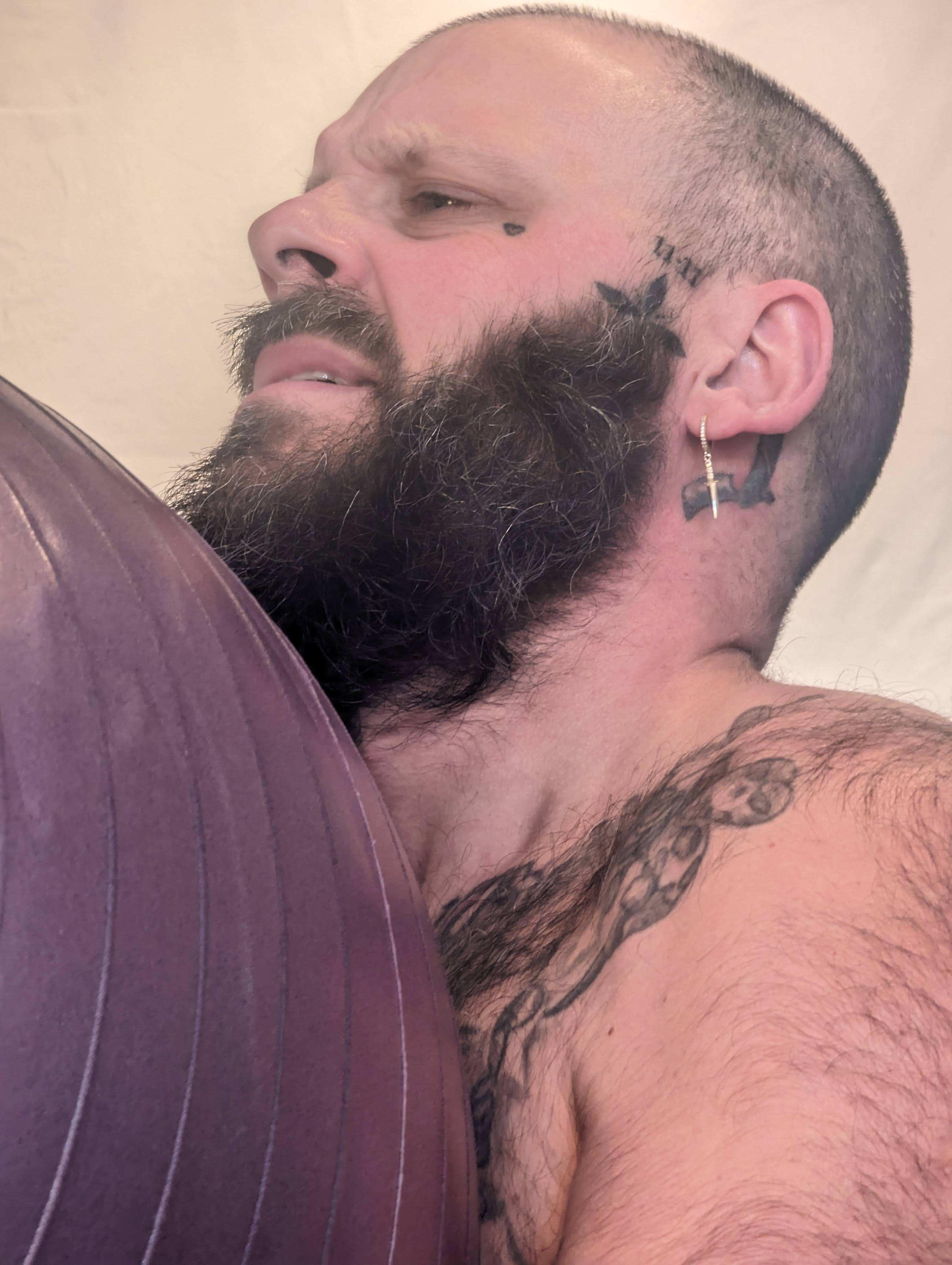
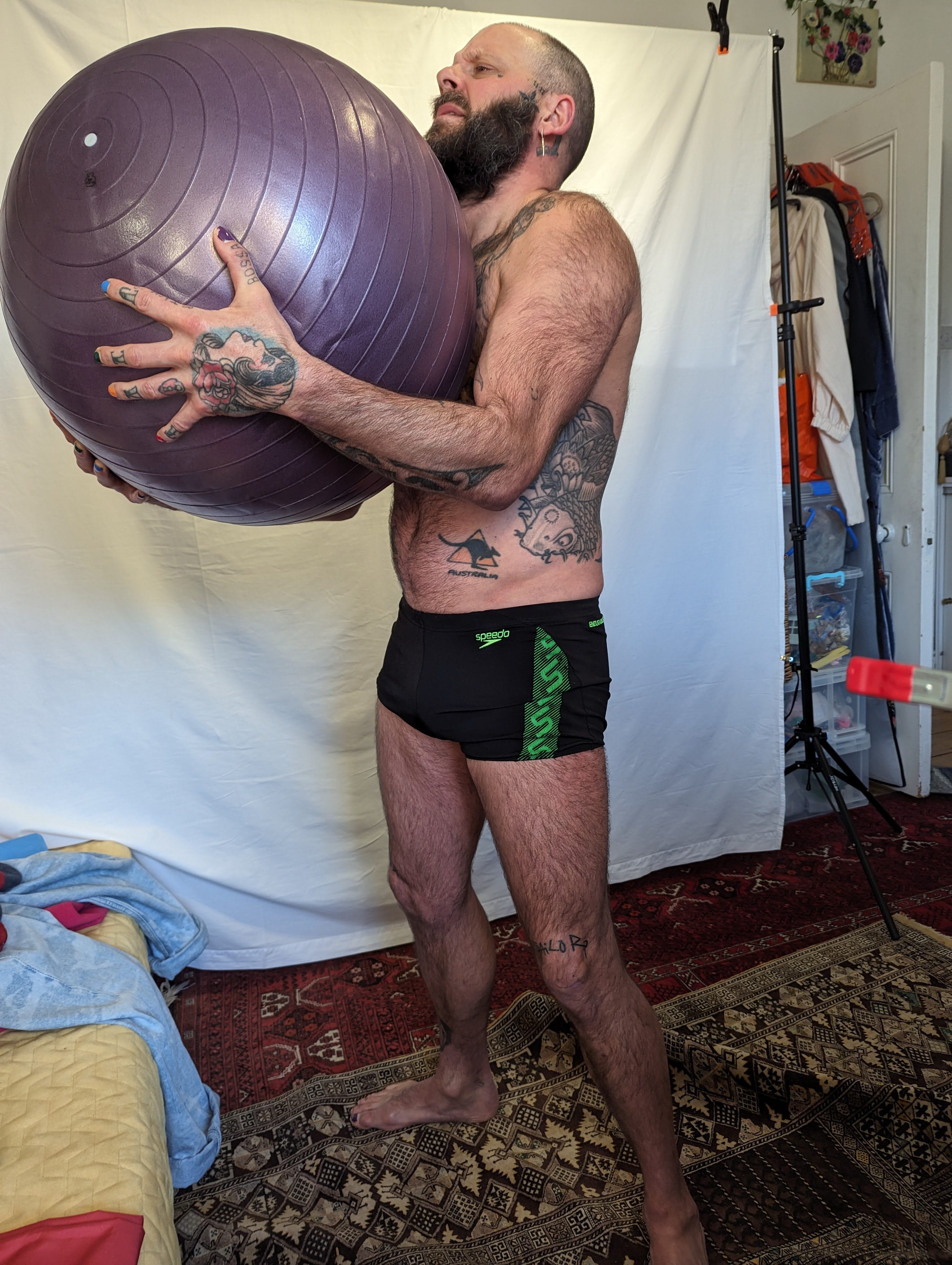
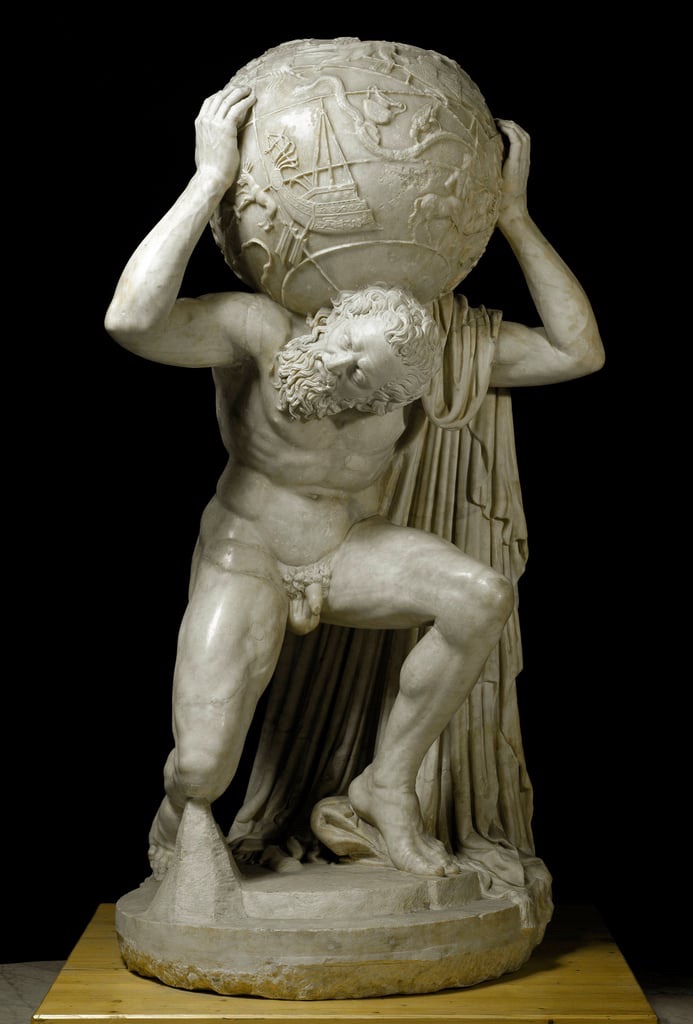
A life drawing and photo shoot with Darren , a circus performer and old friend. He posed as Atlas, carrying the world , inspired by the Faranese Atlas The The Faranase Atlas, 2nd Century marble Roman copy of earlier Greek original, National Archeological Museum, Naples
I found using a cell phone camera was distorting with a wide angle lens, legs were distorted and shrunk. i should have planned the fours hours better. Although Darren acts well, we did not take the lightness of the exercise ball into consideration. I have to emphasise the muscles in drawings, and also work hard on calculating the weight distribution on the feet
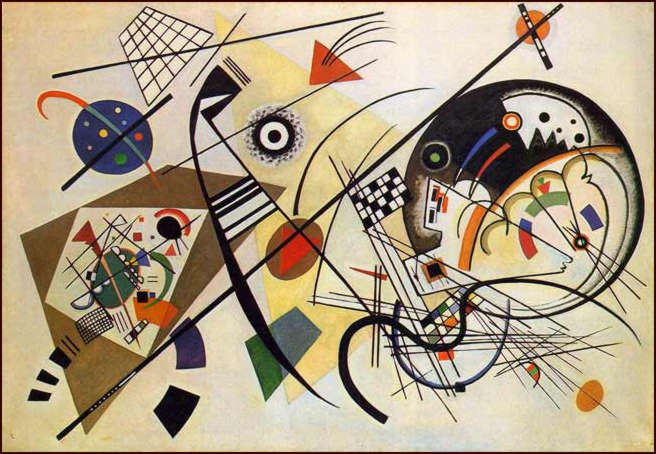
beat out that RHYTHM with your brush

Lend your ears to music, open your eyes to painting, and… stop thinking! Just ask yourself whether the work has enabled you to ‘walk about’ into a hitherto unknown world. If the answer is yes, what more do you want?
Wassily Kandinsky

introduced to the concept of using music as a muse for paining and drawing we spend an exciting day listening drawing and painting.

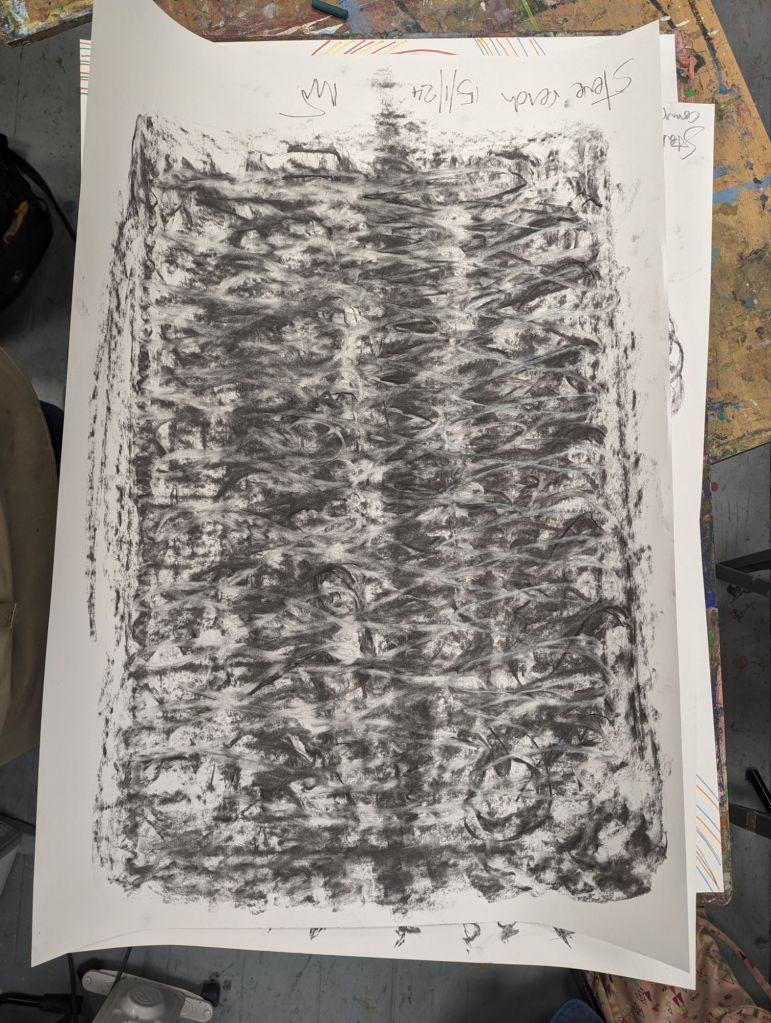
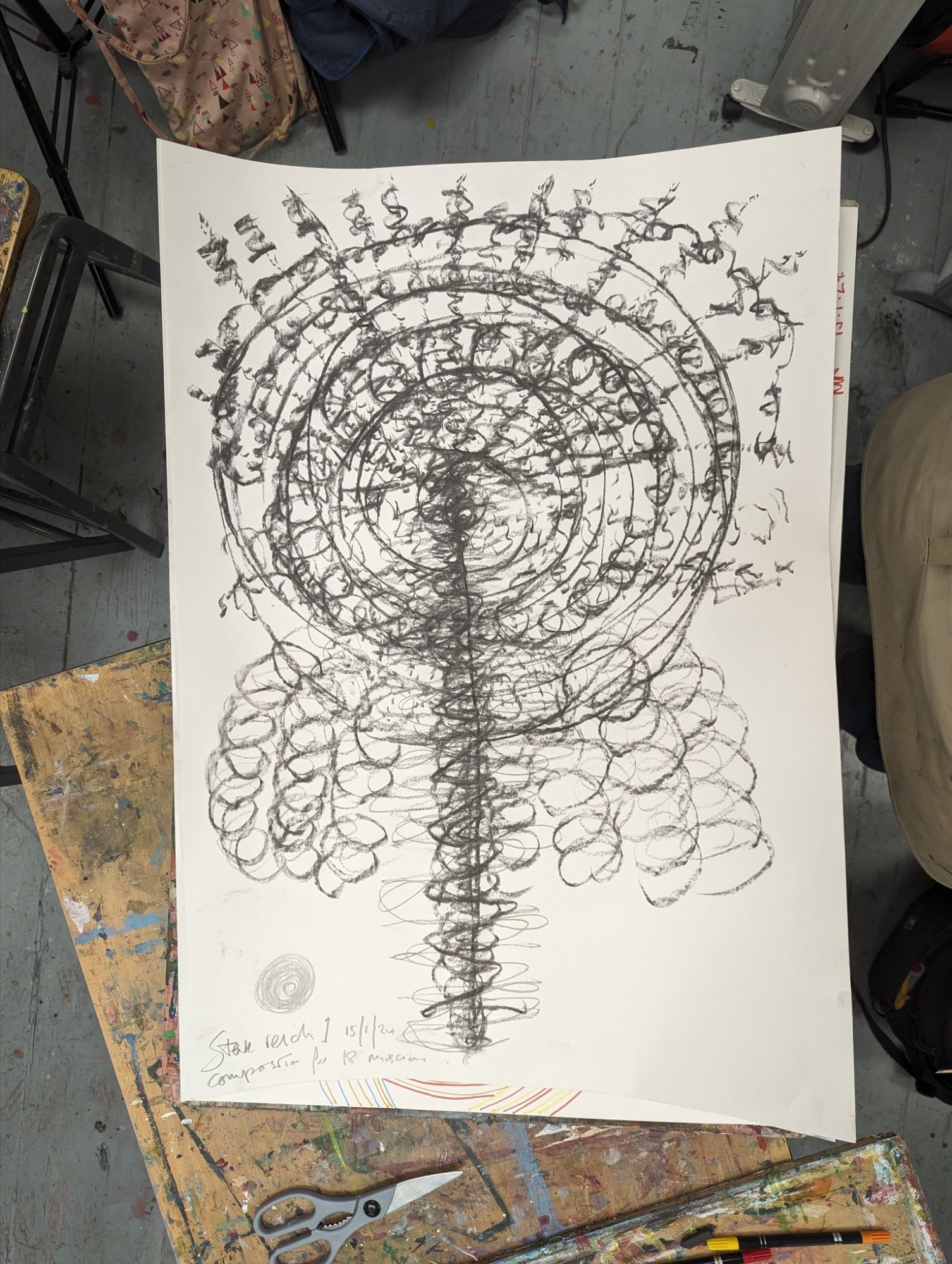
2 charcoal and chalk drawings to ‘Pulse’ by Steve Reich a rhythmic constantly chaning piec of music, I followed the changing tones and found I produced to two intersting drawings. We worked monochromatically

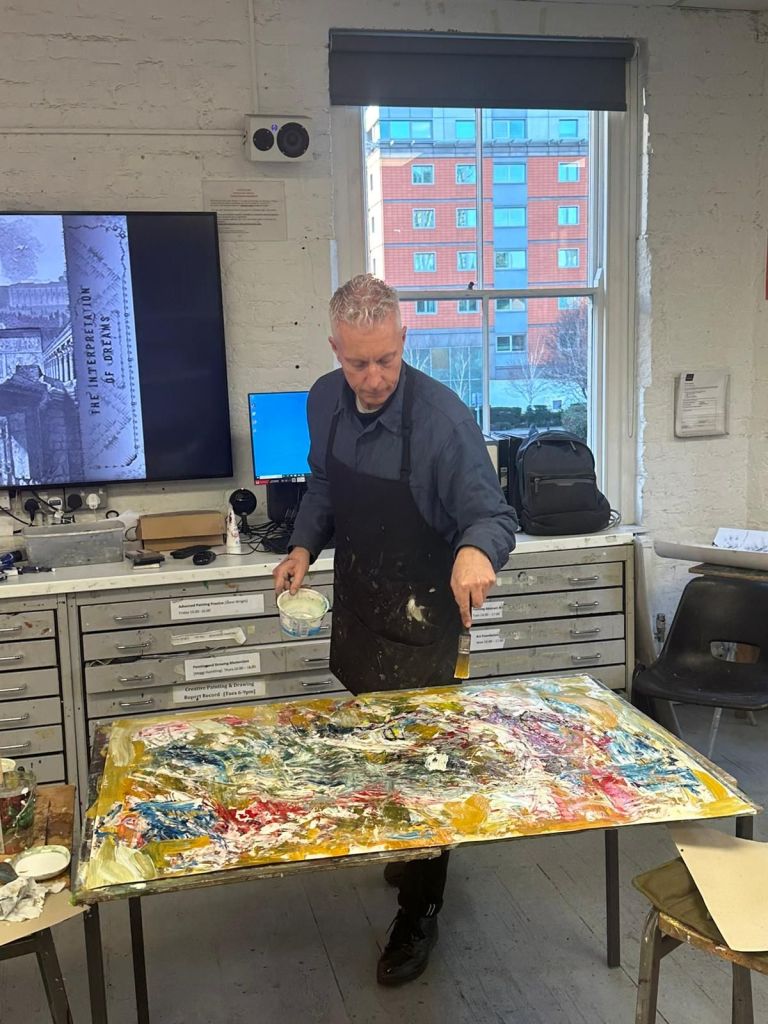
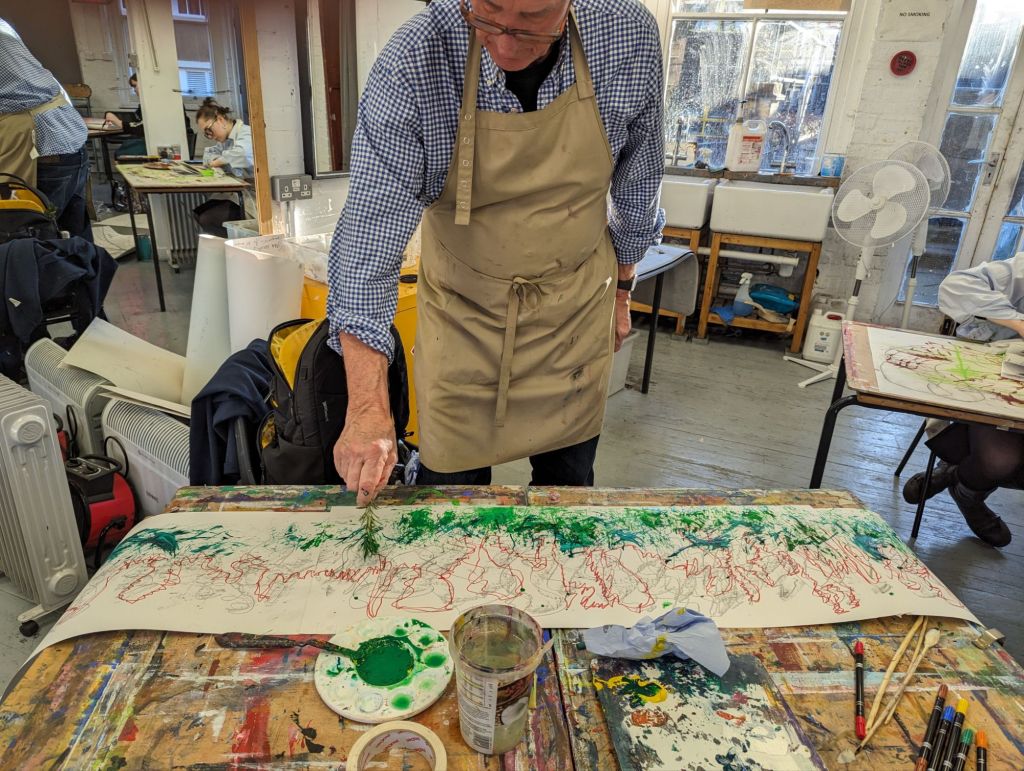
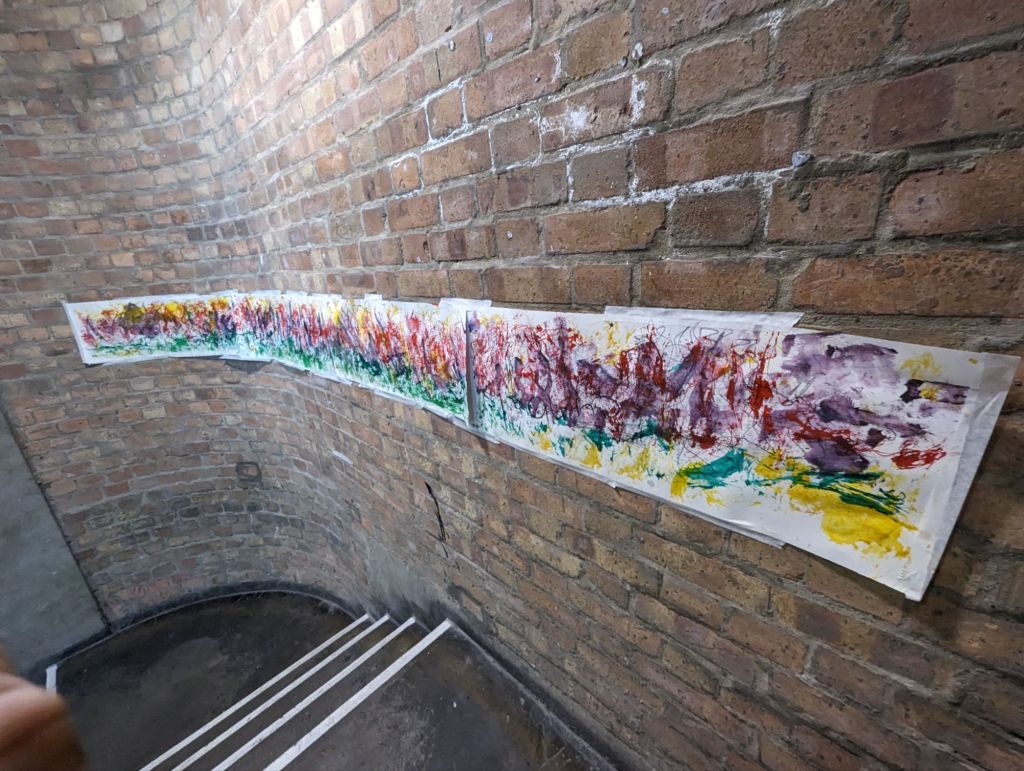
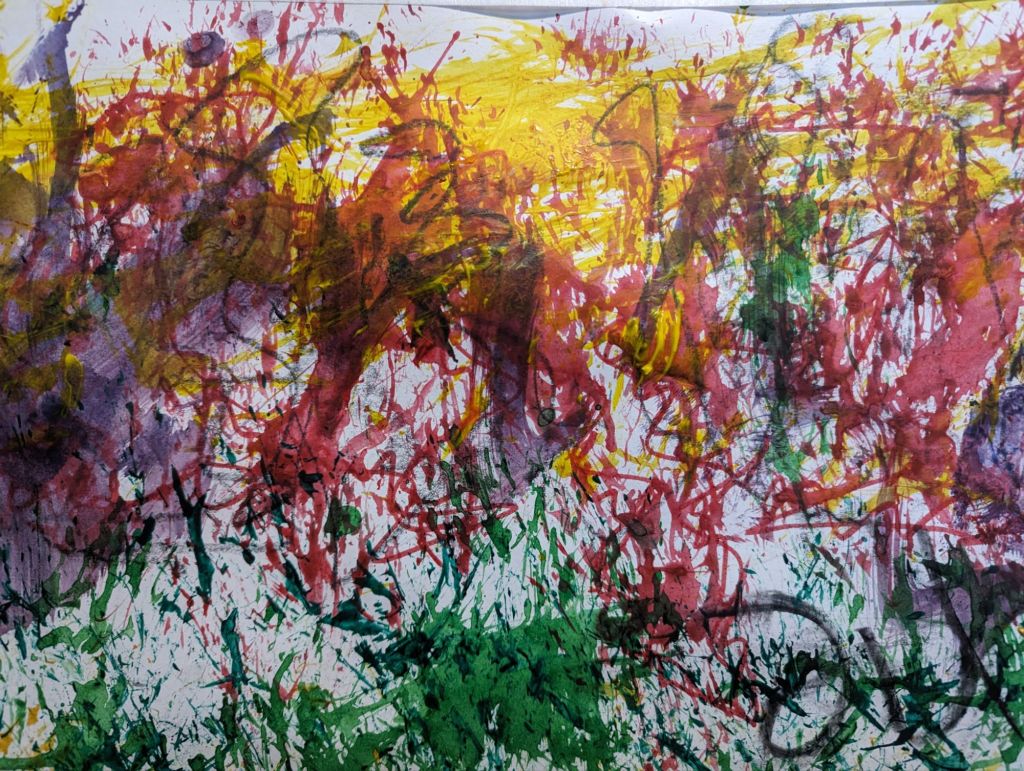
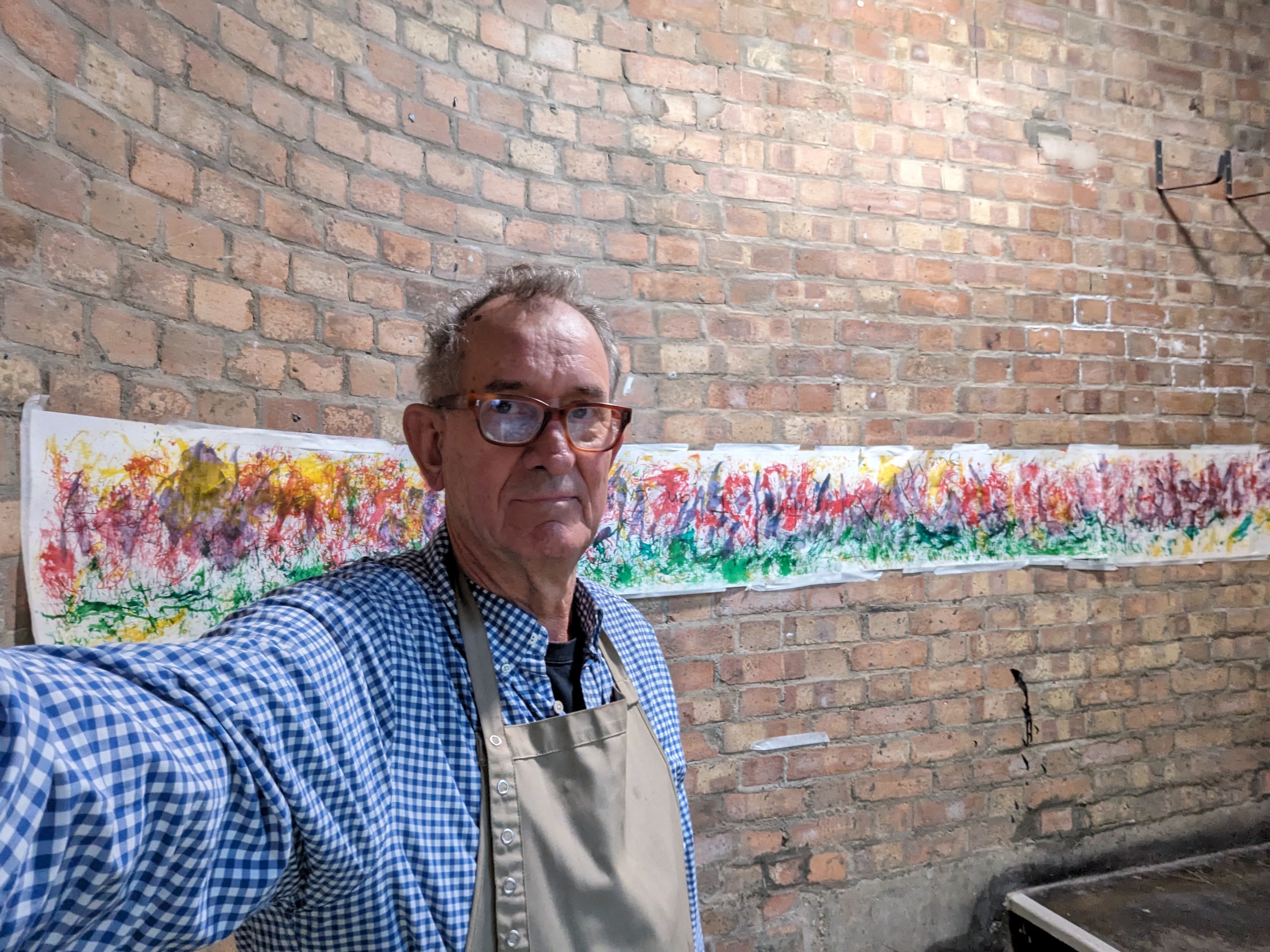
Later we moved to colour. I felt that music needed a ‘score’ so I constructed a 3 meter scroll and using a rosemary sprig as a ‘brush’ I worked back and forth with basic colours of red blue and yellow to convey my feelings of the music ” Interpretations of Dreams’ by John Zorn, an hour long meditation.

I found the method deeply satisfying. I have been frightened of working in the abstract, and I felt freed on my usual fears. My obsession with figurativ drawing took a back seat with music. I will certianly be using this method again. Using a sprig of rosemary was also interesting, I feelt the marks were very expressive, the needle leaves held watery paint well

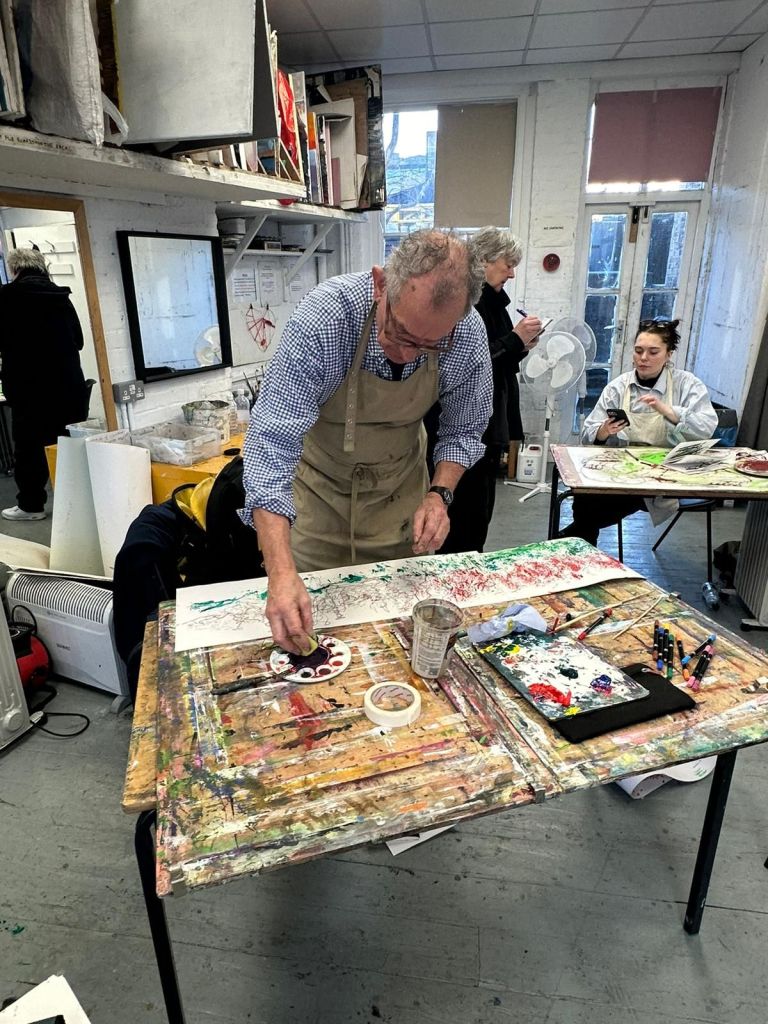
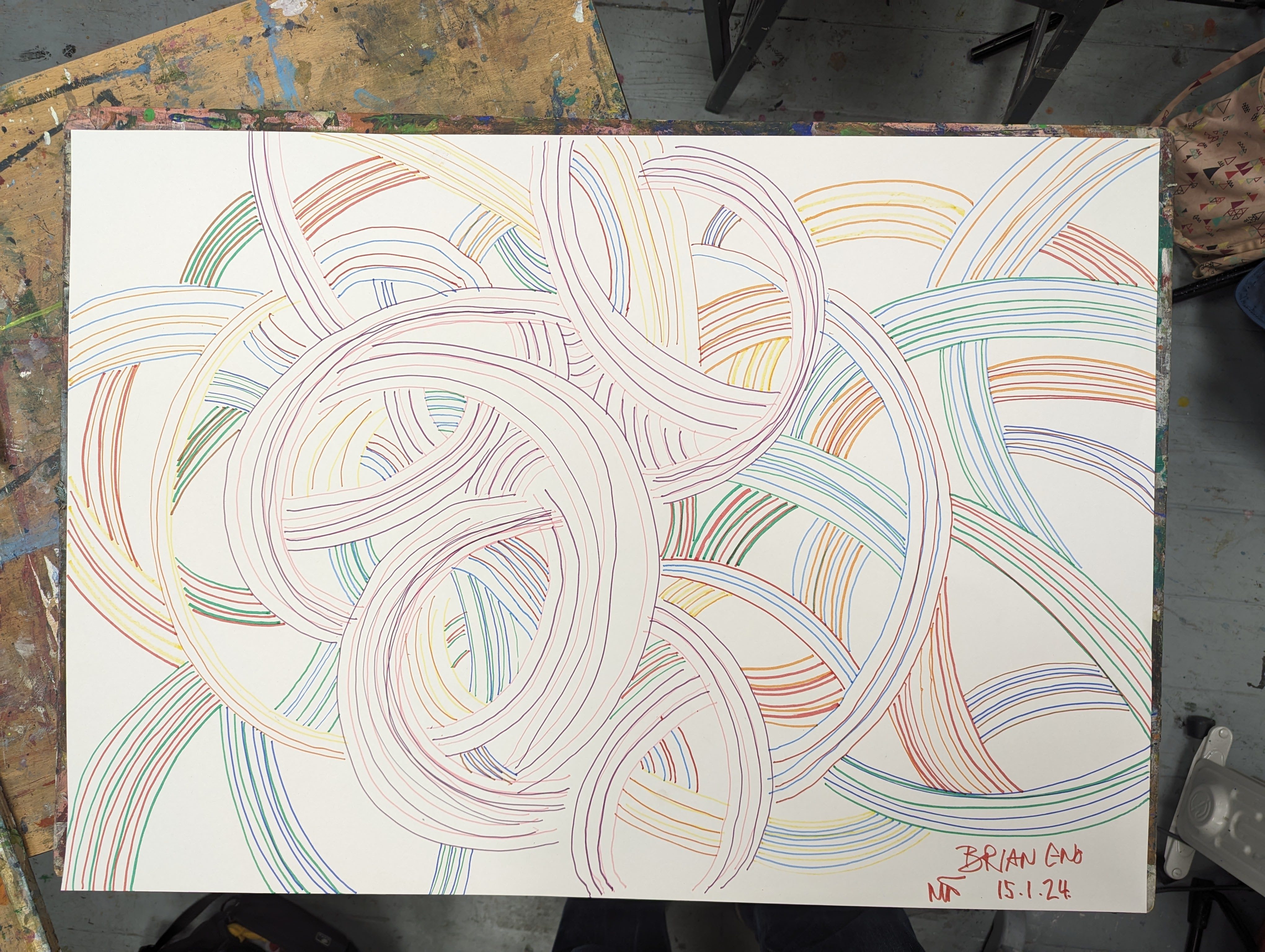
a final subdued piece by Brian eno produced a subtle Pop Art attempt with colouring inks. It was not so succesful, as there was no room left on the drying racks I did not use paint, the nibs were too thin and there is a lot of paper to cover on a sheet of A1. I also understand that one cannot be Bridget Reilly without a ruler. I will put in some tone next week

Listening to Brian Eno 15 Jan 2024

scissors or Bitmaps

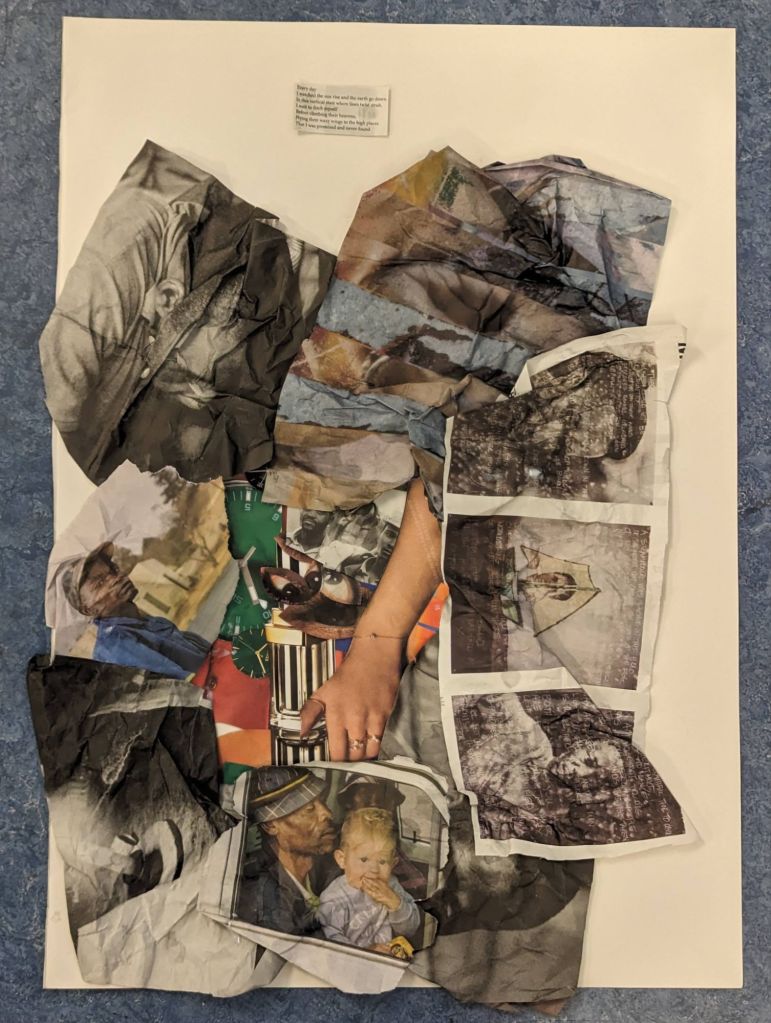
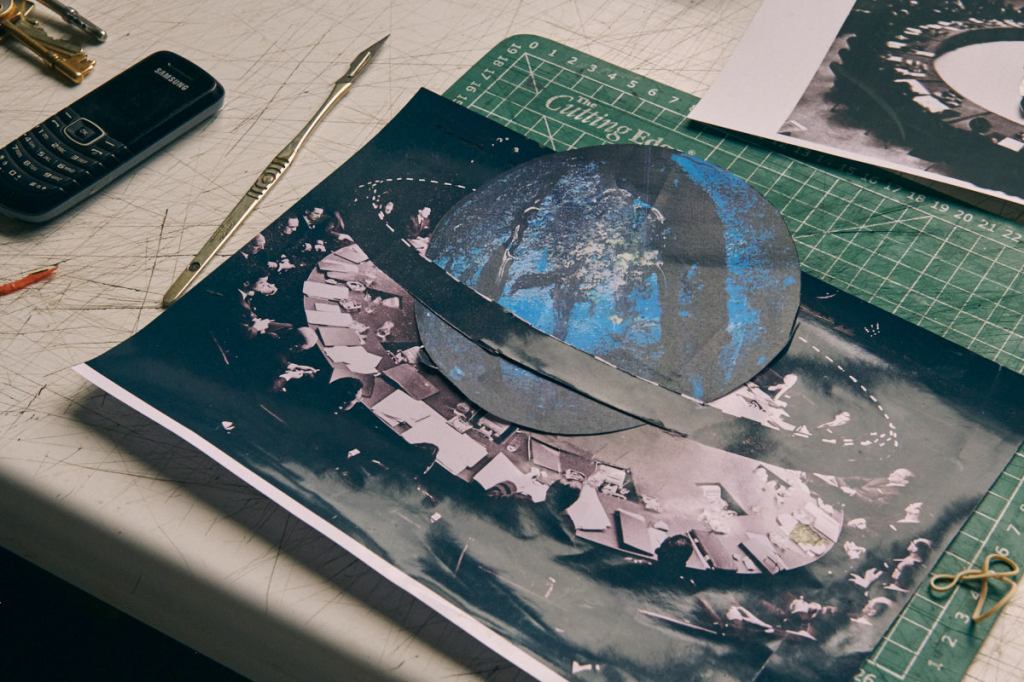
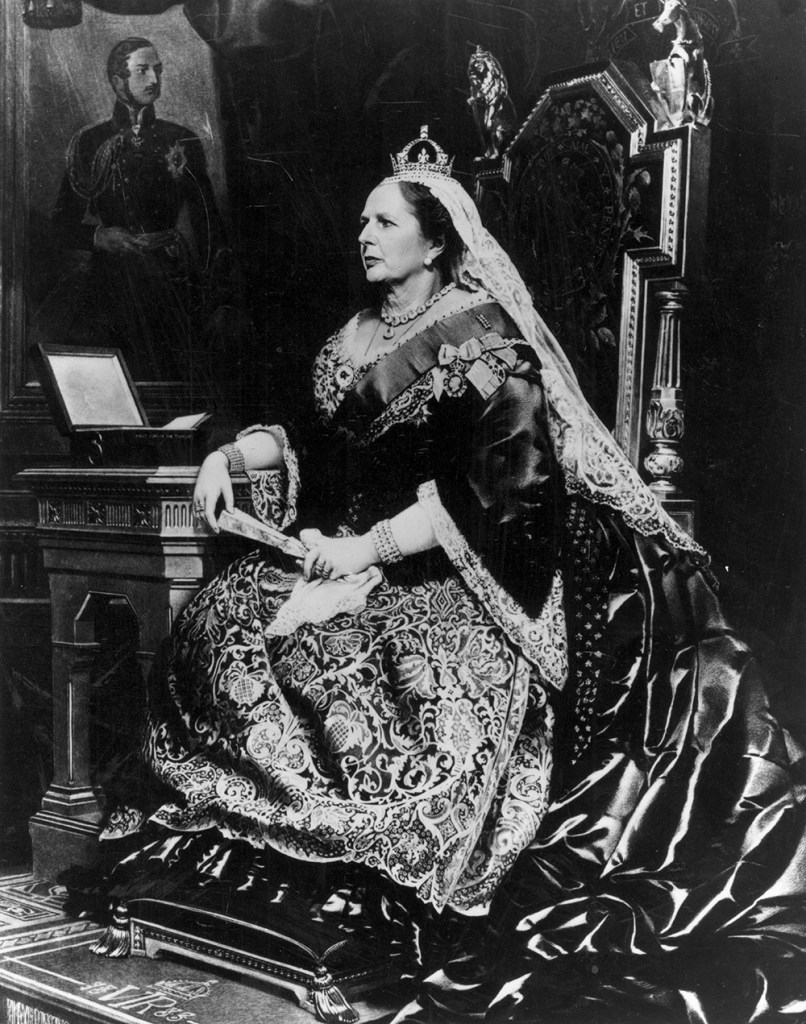
Is this collage or photo montage? A difficult question. After a great introduction to the early years of photo ‘art’ we were tasked to make a photomontage, sadly ill prepared and ill equipped I was able to produce a collage, but not an effective photo montage.

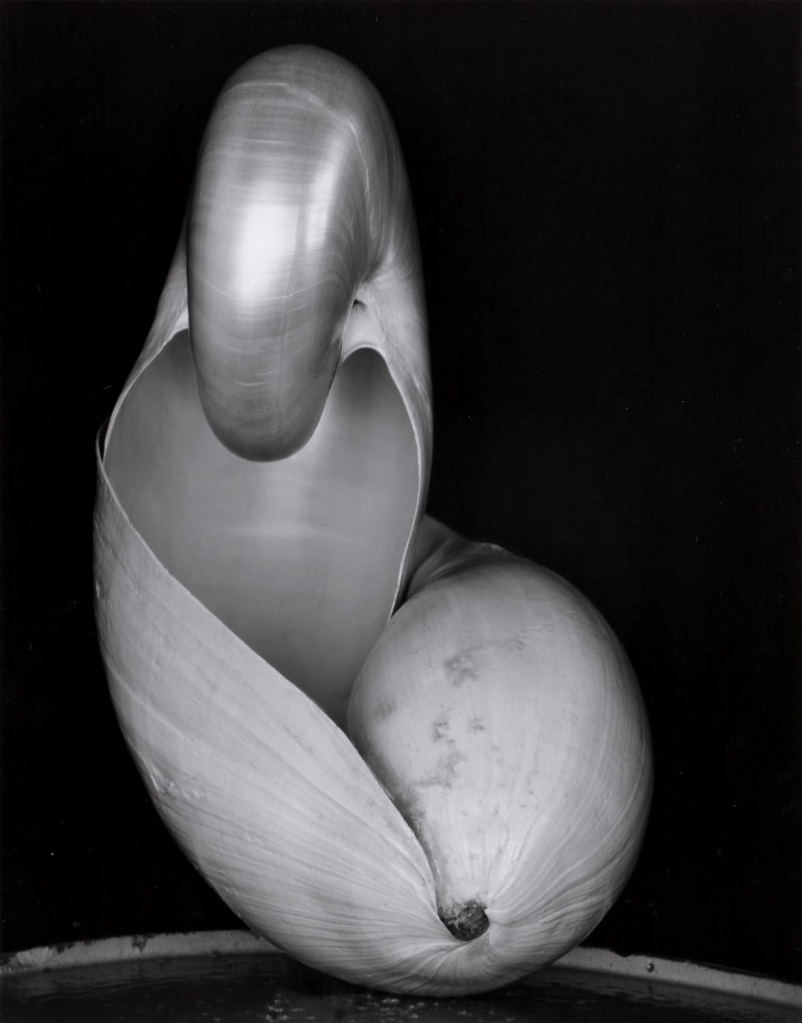
Edward Weston. ‘Shells’ 1926

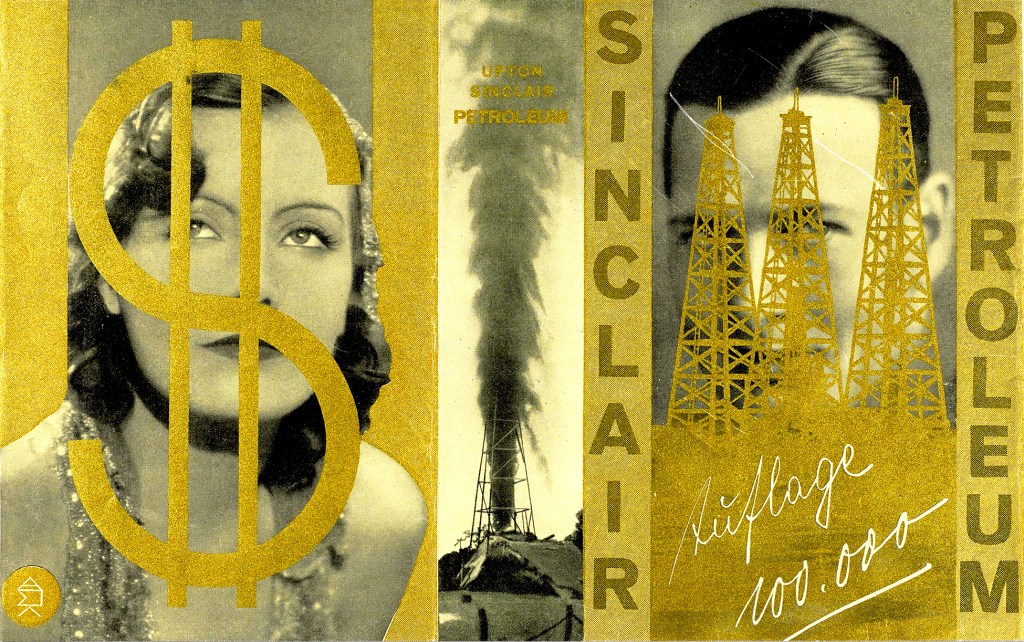
we discussed the art , and significance of ’photo montage’

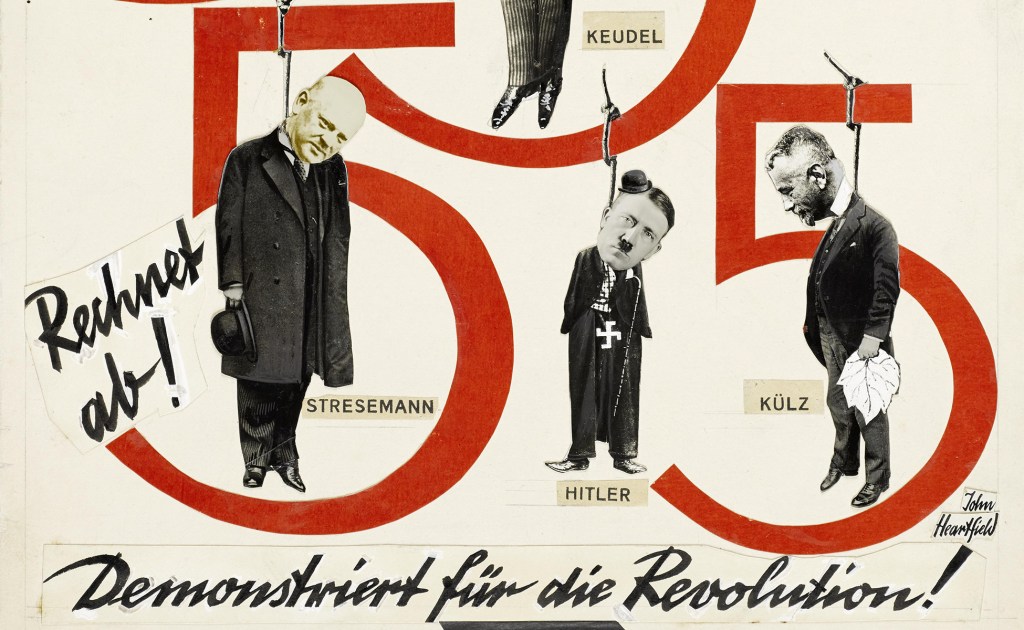
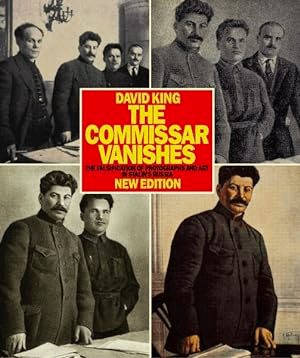
embraced by european artist and poltical activists in the 1920’s. Gollage had been used by the Dada movement during the 1914 1918 war , Photomontage took off with the work of John Hearfield, an anti Nazi German who found a home in the US. It was used in a significant way to eradicate political enemies in the USSR

well documented in David King’s seminal book.

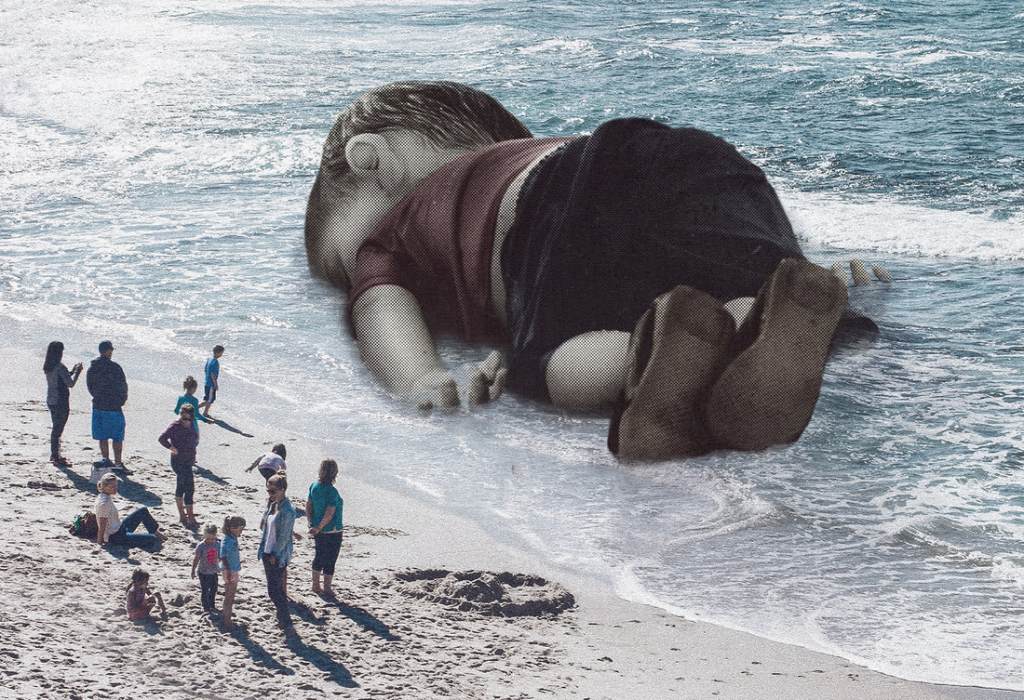
It continues as an effective political, editorial form, evolving from the delicate use of scissors, glue and patience, to the contemporary use of digital bit map software, Adobe Photoshop is well known,

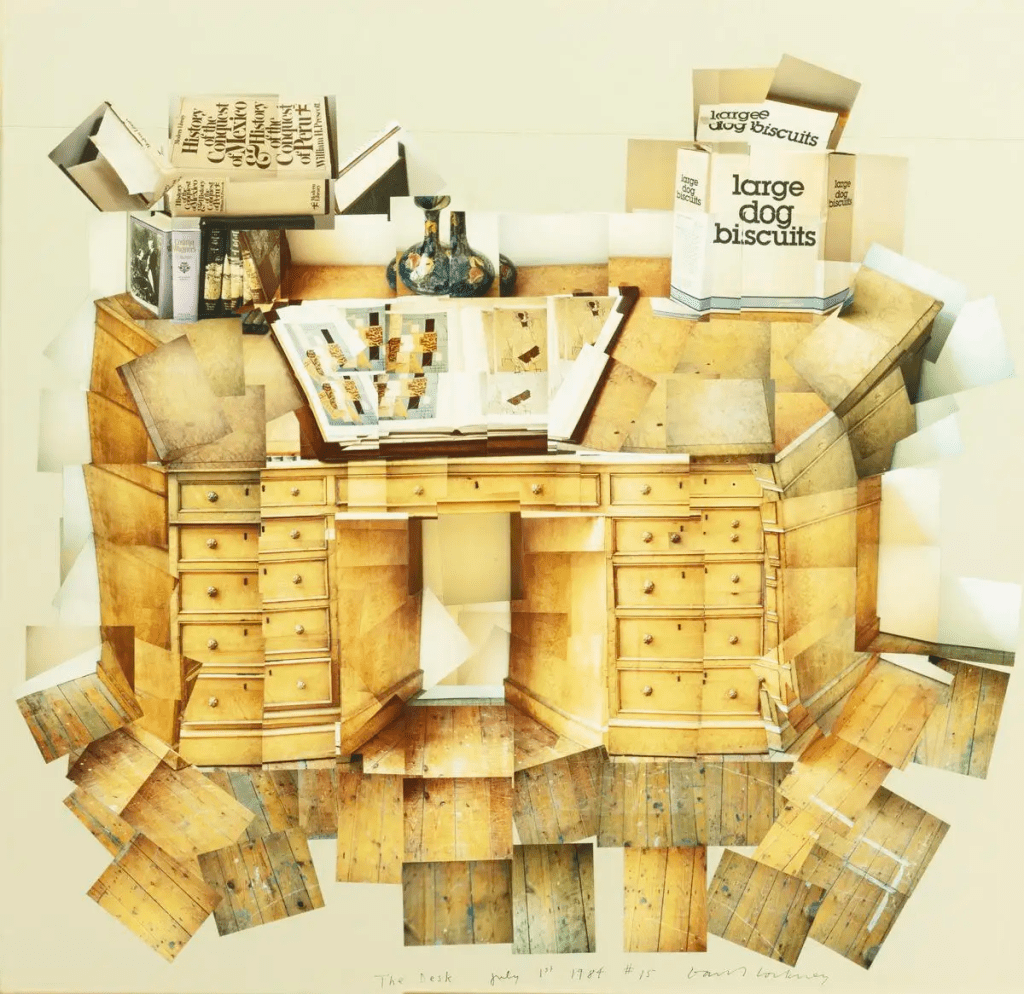
In Britain our most well known artist using some form of photo manipulation is David Hockney with his compositions of multiple polaroid photographs

David Hockney “the Desk’ 1984

Peter Kennard is the most prolific and political contemporary British artist, orginally working with scissors, now with digital manipulation

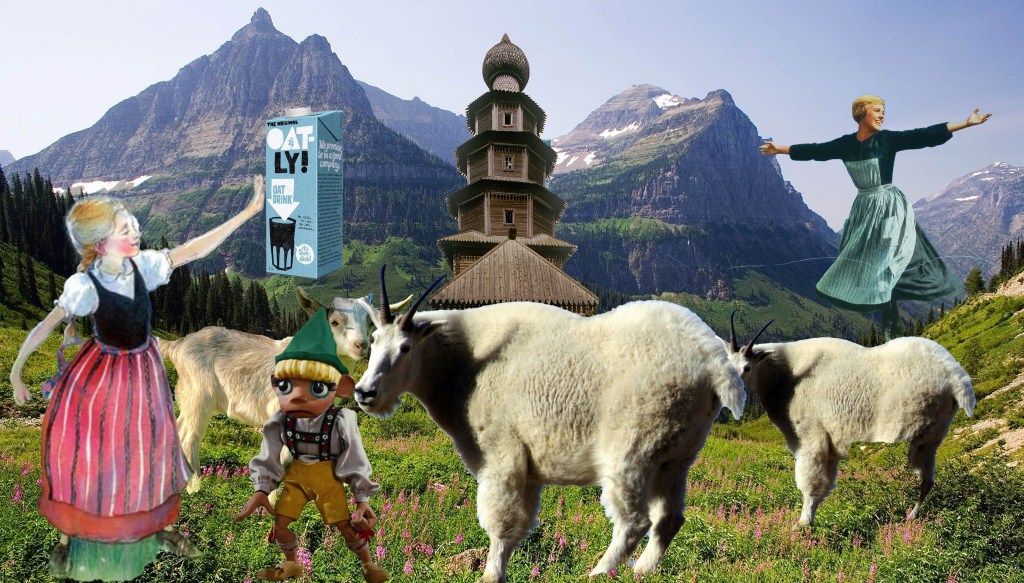
we had a frustrating lesson in Bit Map Digital manipulation. Eventually I had access to a working computer with a new AI version of Photoshop. With the help of a fellow student I was able by cuting , pasting , zooming and rotating images I was able to produce a slapdash but satisfying Montage ‘ Heidi says NO!’ 

Heidi says no!  Nicholas Turner 2024

Distortions and illusions

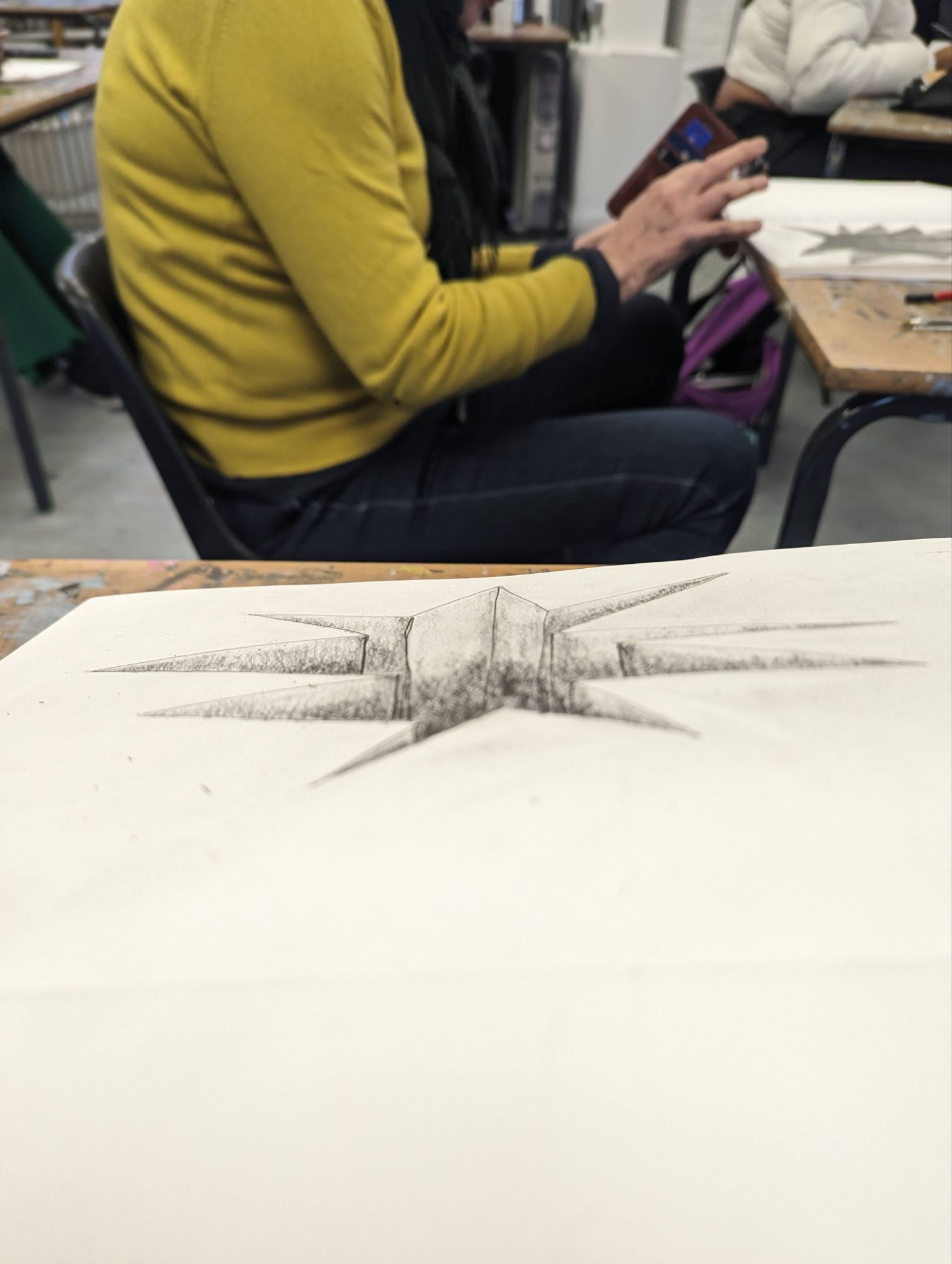
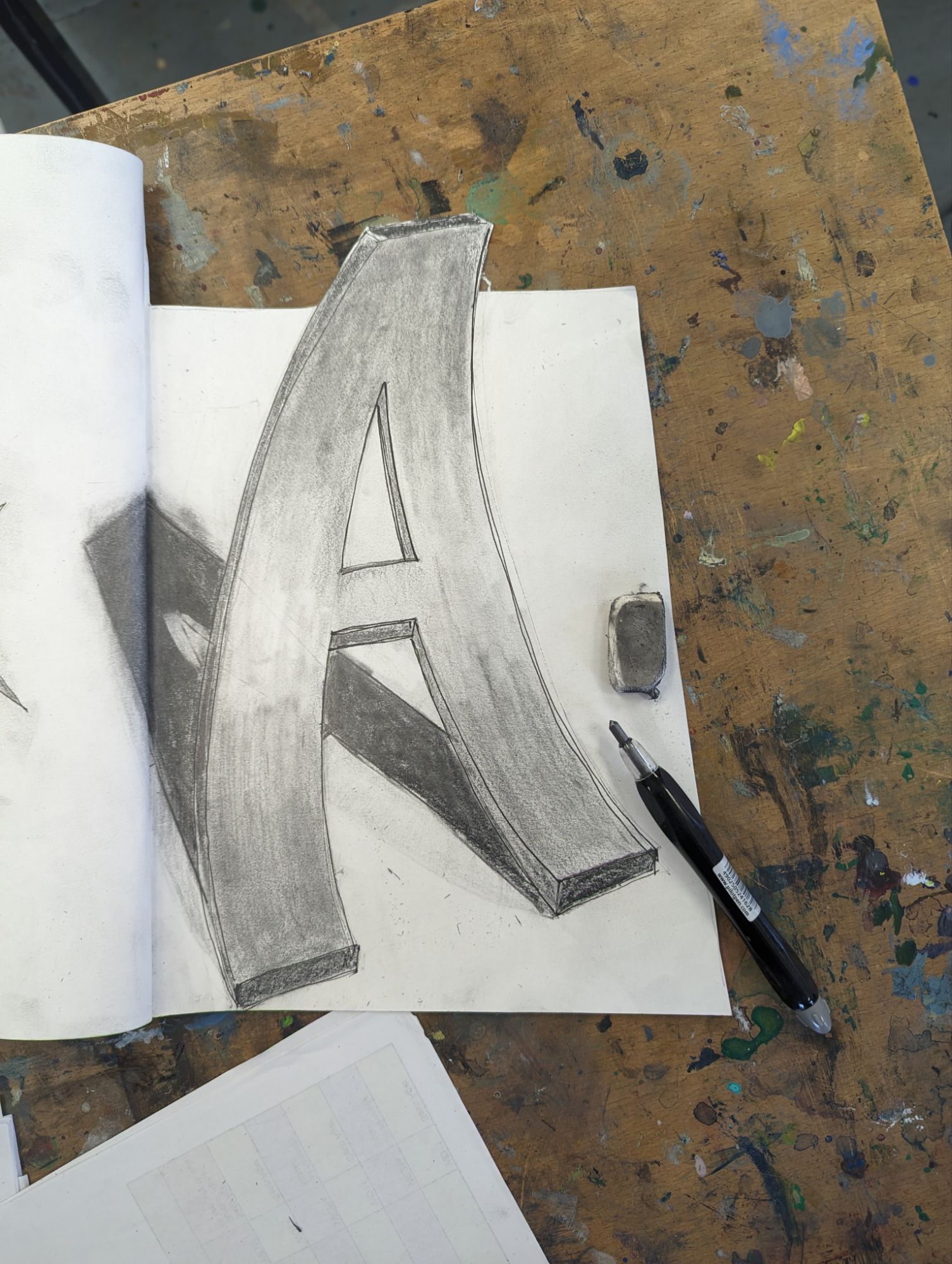
To add dimension to a 2 Dimensional picture plane, artists use a variety of techniques to achieve depth. Perspective and tonal variety are the most common and successful tools, but in some forms of narrative drawing and painting illusions are used. In Monday’s lesson I learnt how to draw a realistic hole and a curved letter using perspective techniques and shading.

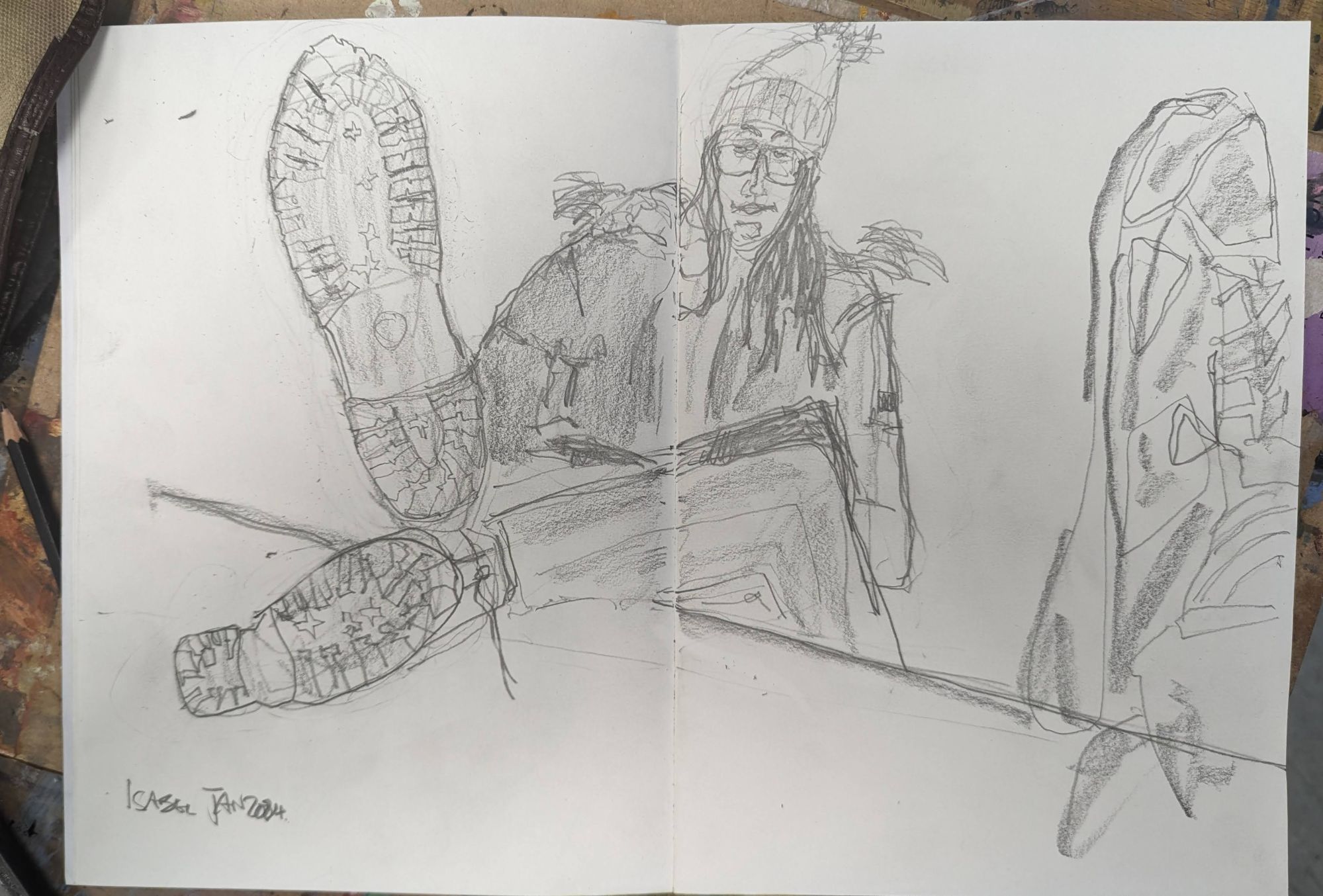
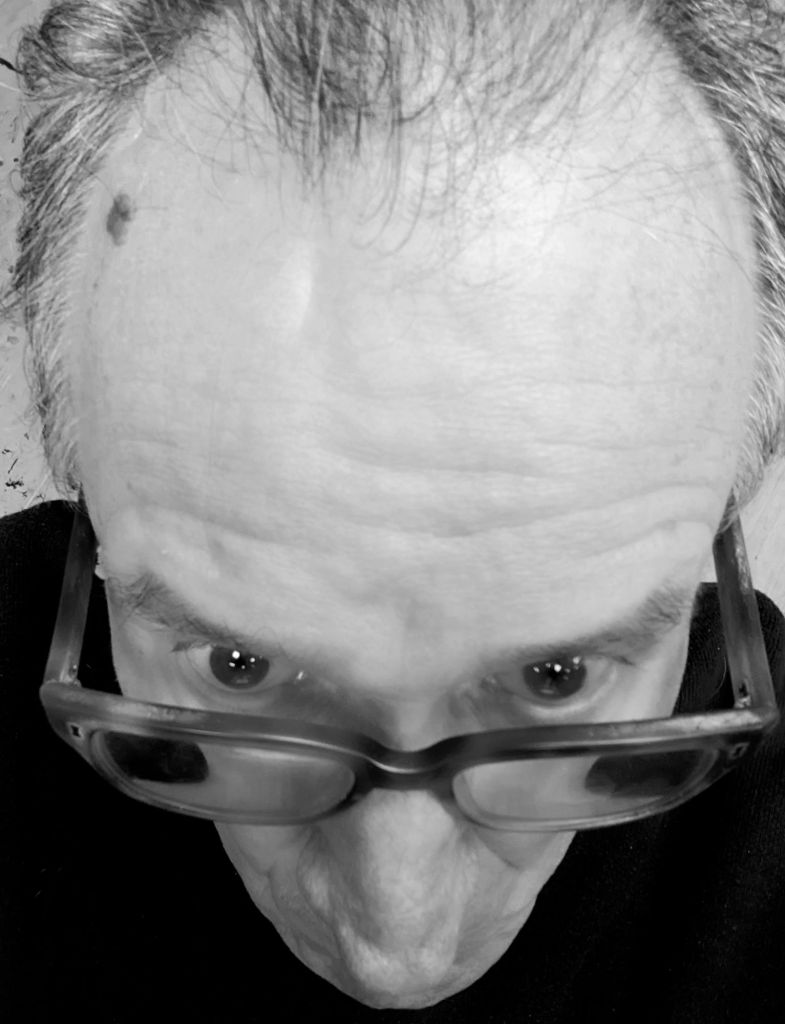
foreshortening is common in graphic comics and novels, we drew each other in class using extreme perspective, feet appear three times the size of heads to give very satisfying satisfactory illusions

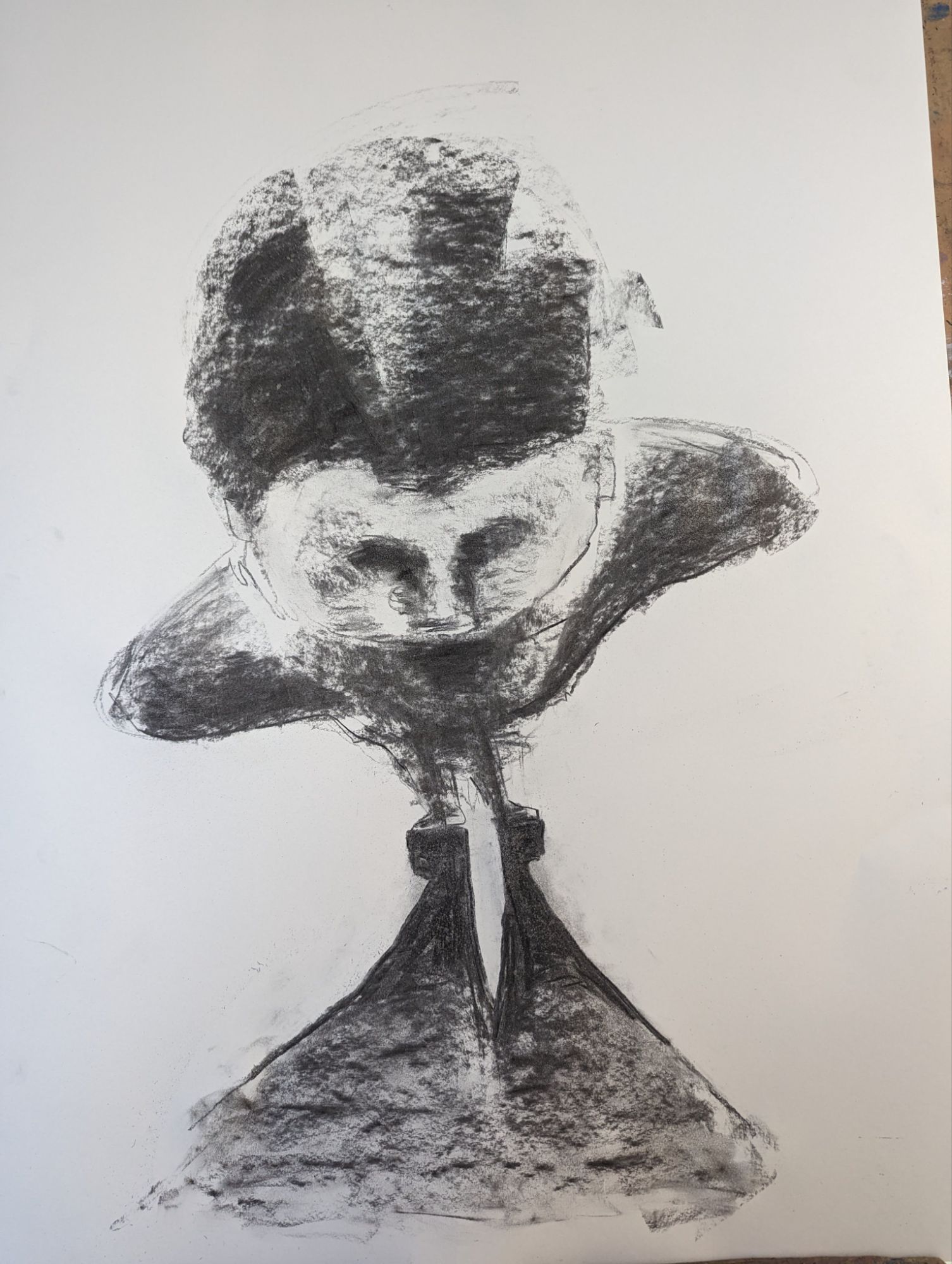
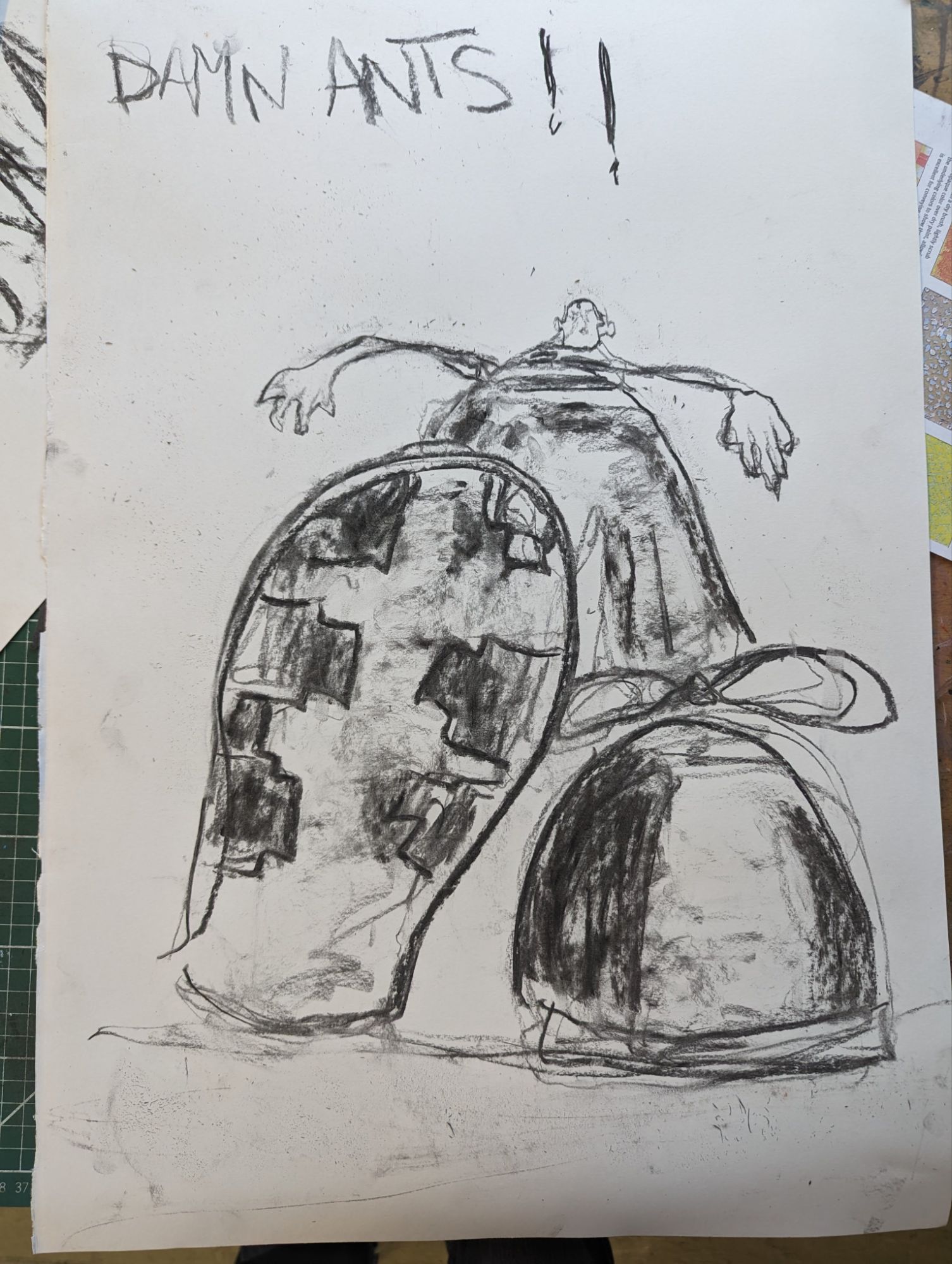
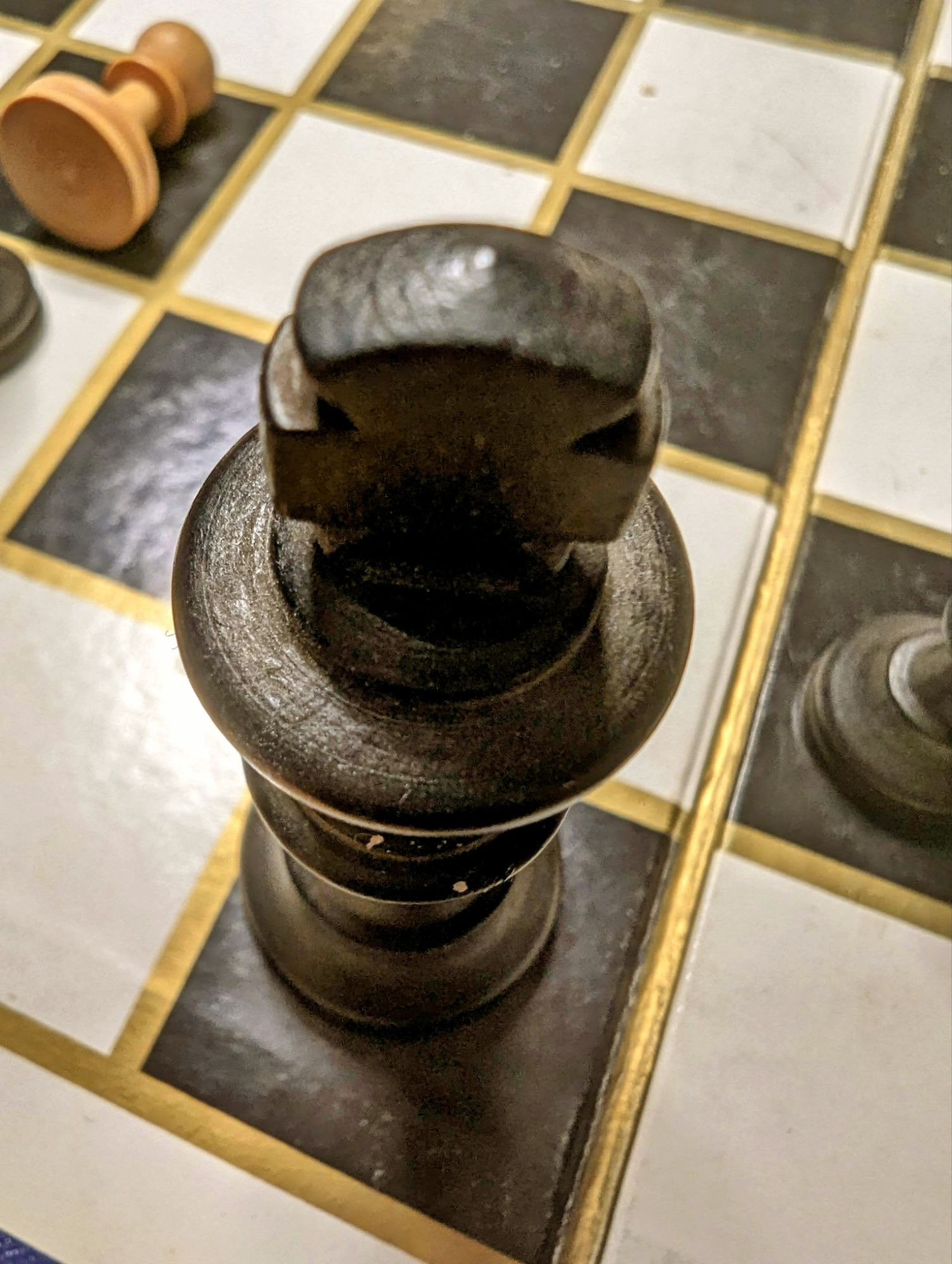
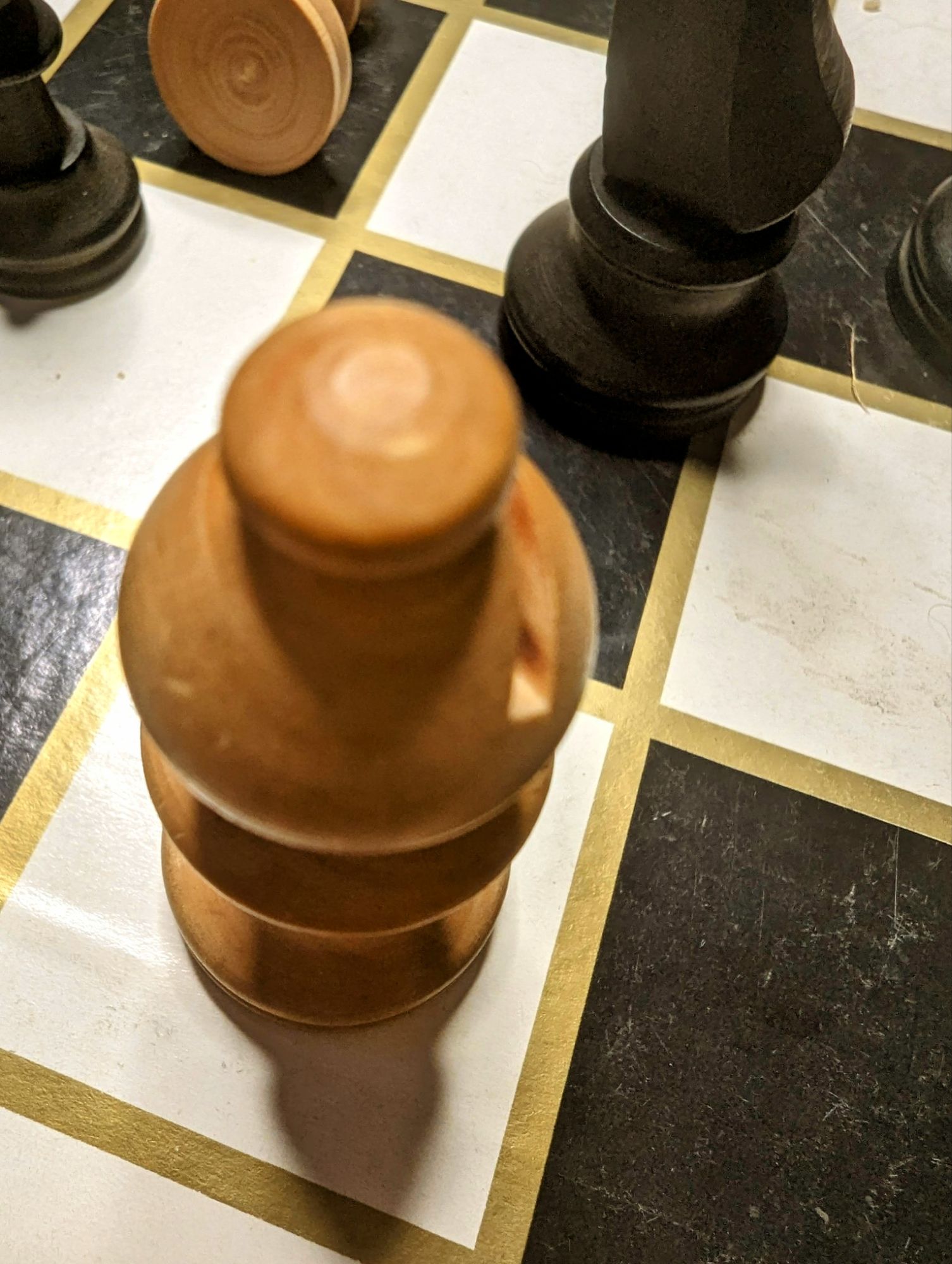
At the end of last term we worked on extreme points of view, an ant and a birds eye view, I have looked at chess pieces for a charcoal drawing

a new press at home

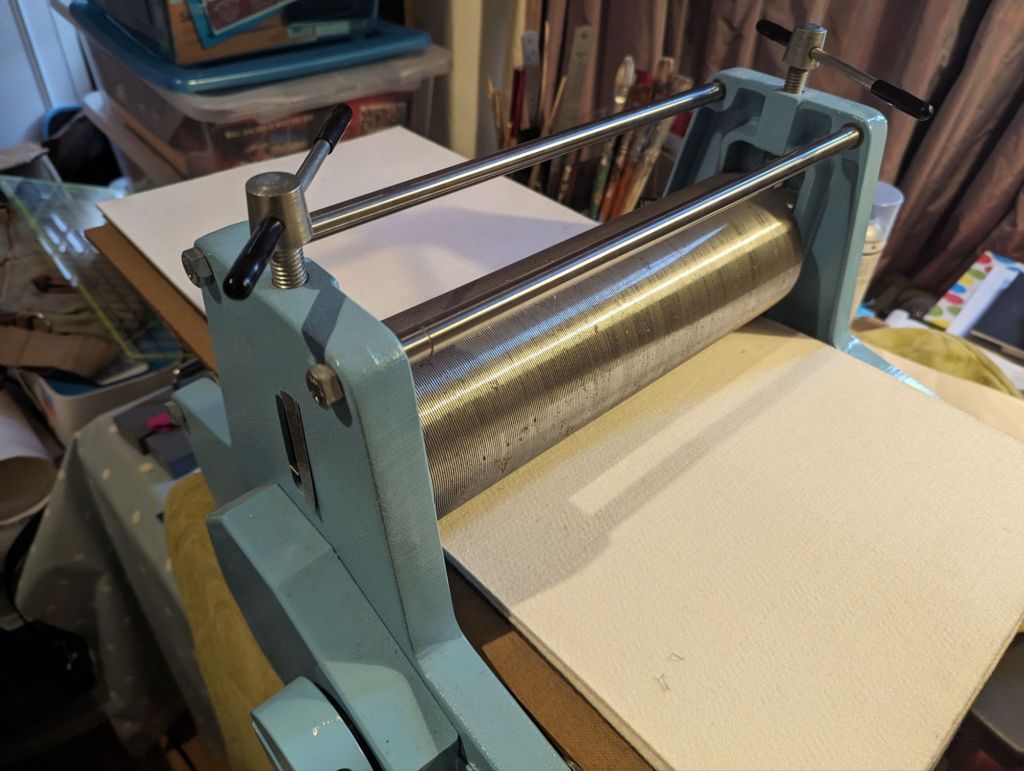
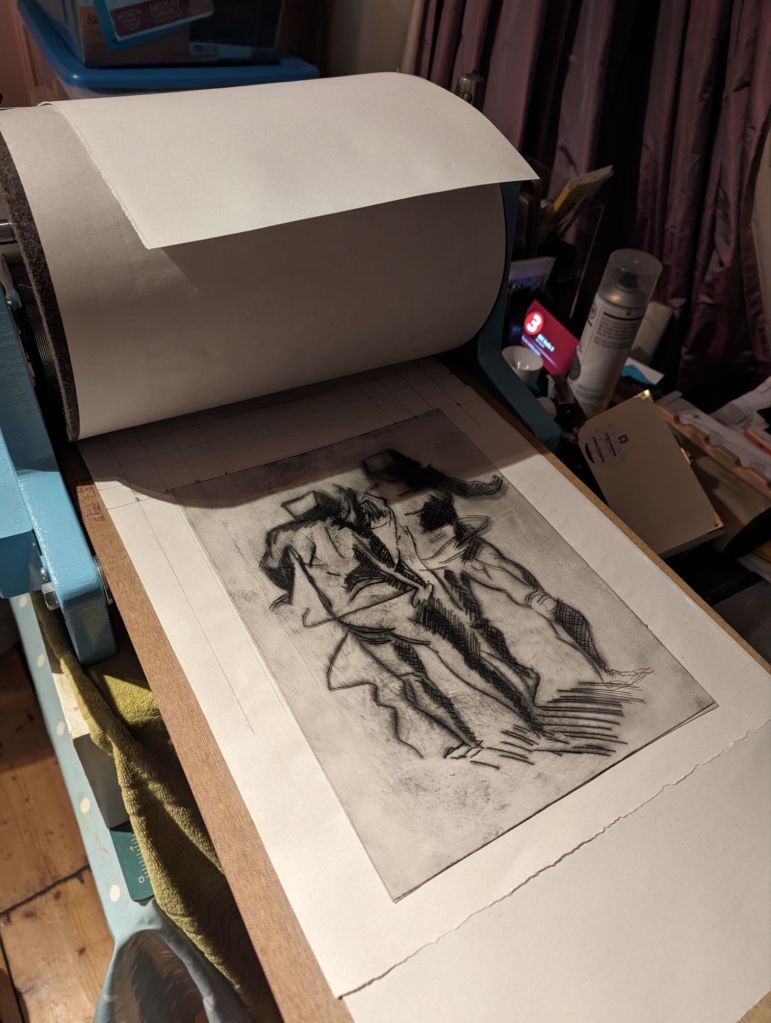
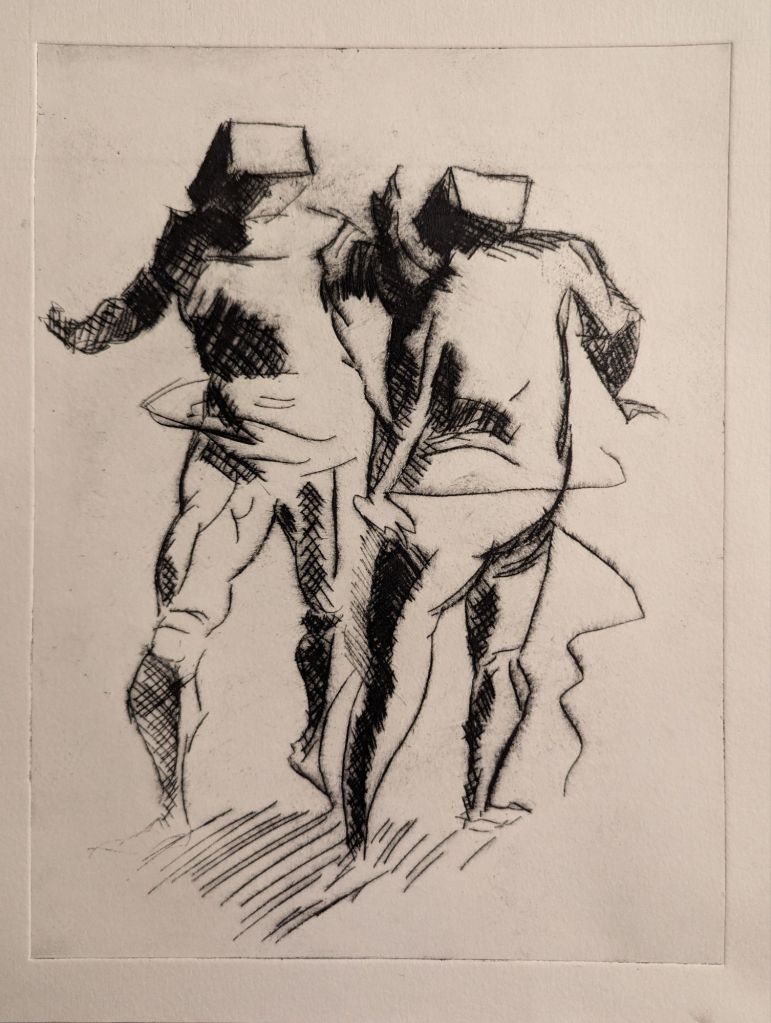
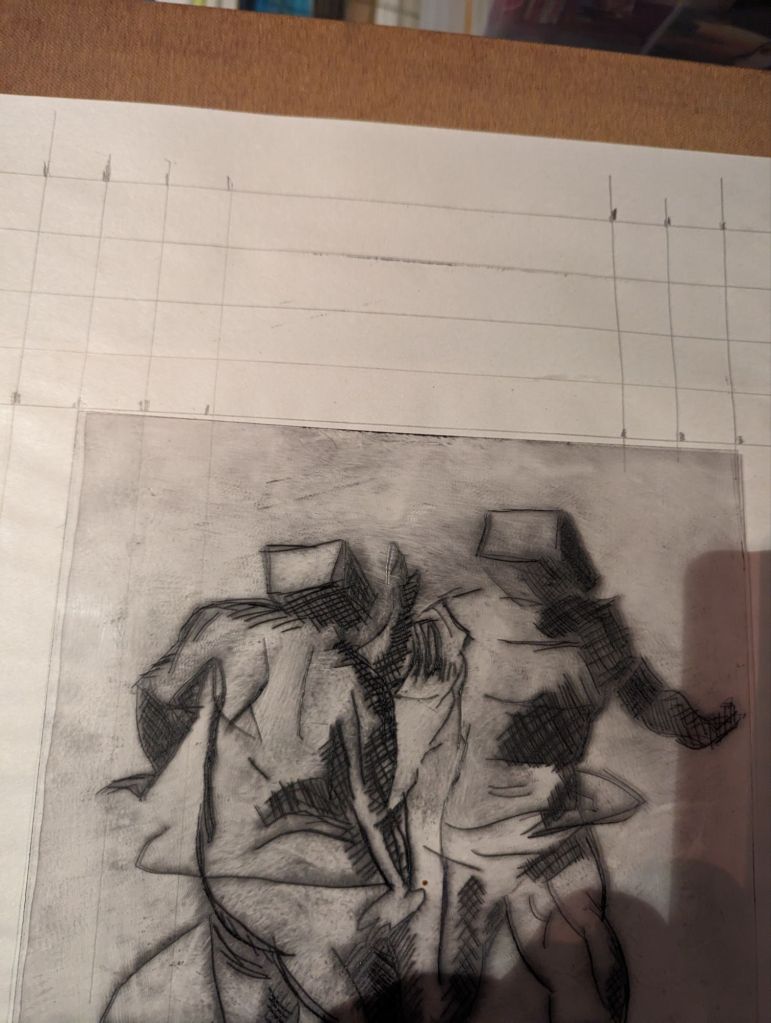
a friend loaned me a simple press, two rollers, a composite plate that will take a A3 paper. It took some time to get the tension right, the blankets have a very bad habit of moving and have to be reset every few prints. Struggling with new ink and a thinner acrylic sheet ( I almost scribed through the acrylic), I found a underwiped plate looked right for my first attempt

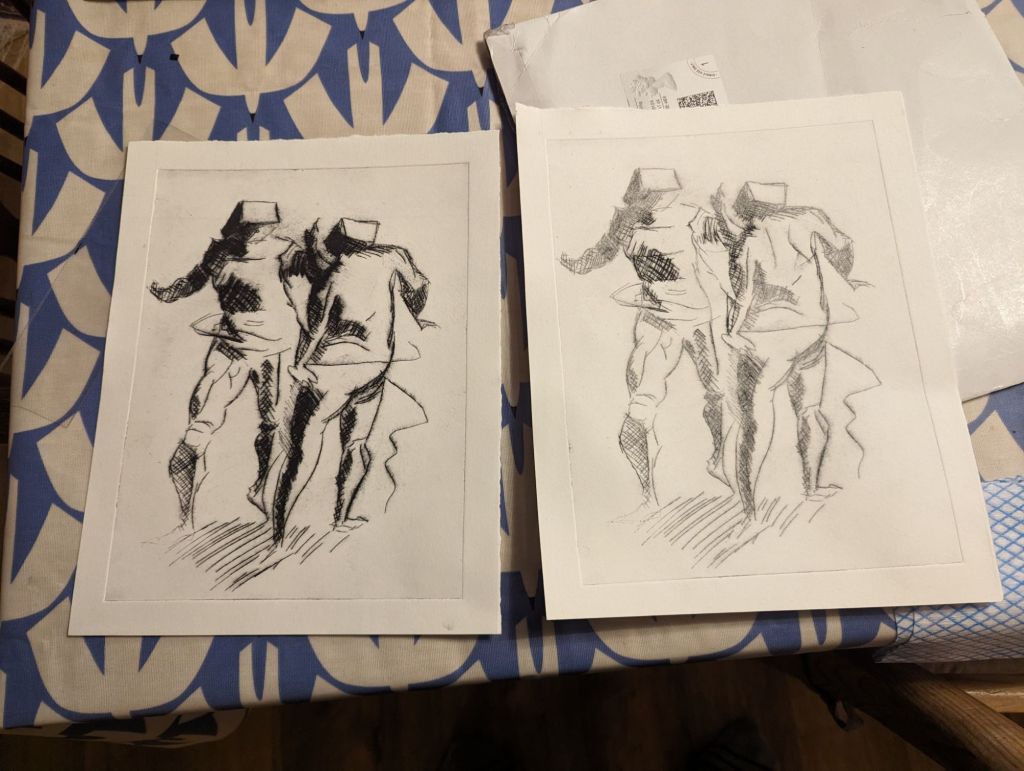
some elemental mistakes, I drew on the opaque backing of the sheet, but missed a couple of lines, reinking part of the plate of course gave me a very uneven print in the ghost copy

I found a guide sheet with gridded lines made printing much easier to place print and paper on the plate. I used baby oil to clean the plate and I learnt that one should never attempt to clean oil based ink with baby oil in a white tiled bathroom, cleaning up took up more the half the printing time!

R B Kitaj at Piano Nobile Gallery

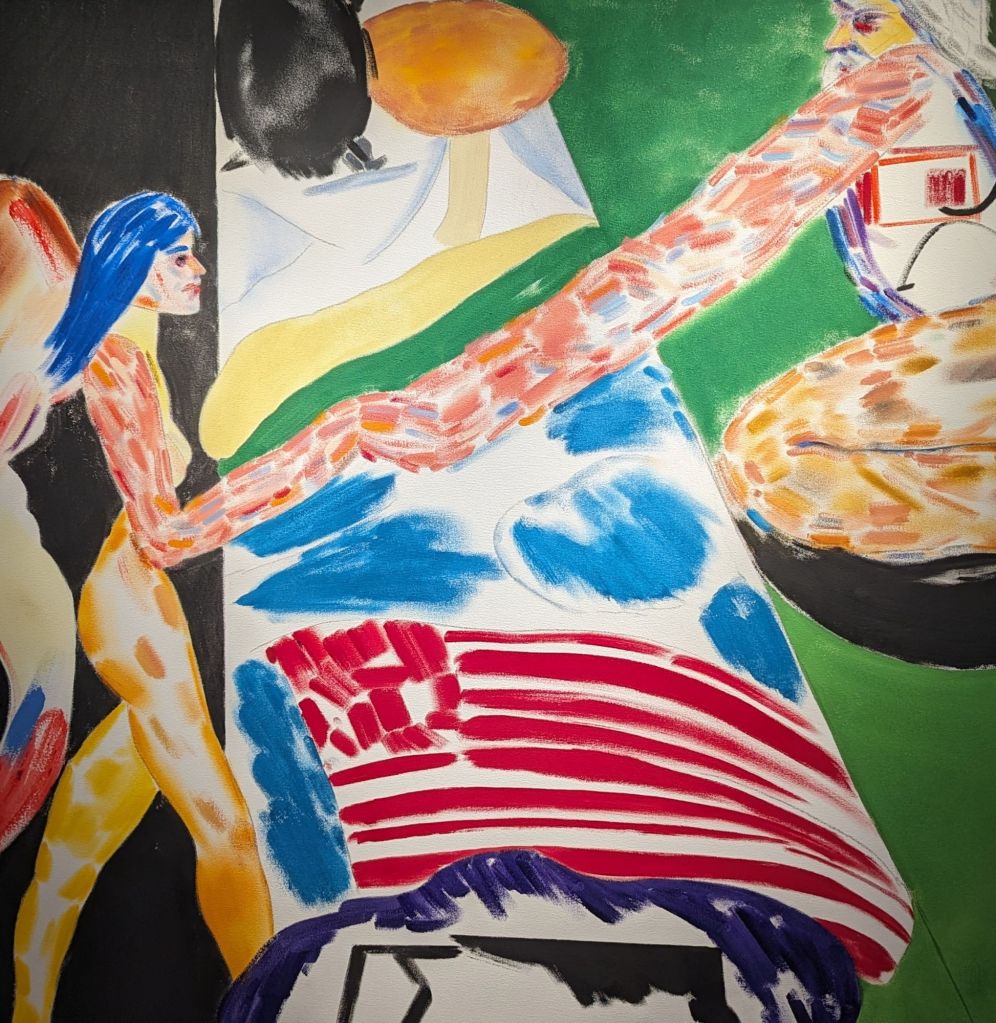
R V Kitaj 1932-2007 an American artist born in Ohio , his Eastern Europe Jewish roots became a vital identifier in later life.
A superb draftsman, he studied drawing in Vienna, New York, Oxford . His tutors claimed direct teaching credentials from Degas, Cezanne, Ingres, Poussin. In the early 60’s Kitaj studied at the RCA, a contemporary of Hockney , they maintained a life time friendship and working relationship. Until 97, Kitaj worked in Britain, considered with Hockney, Blake, Pazolli the vanguard British Pop Art, a title he rejected, calling them New British Art. He was a polymath and an energetic art theorist, exploring identity,

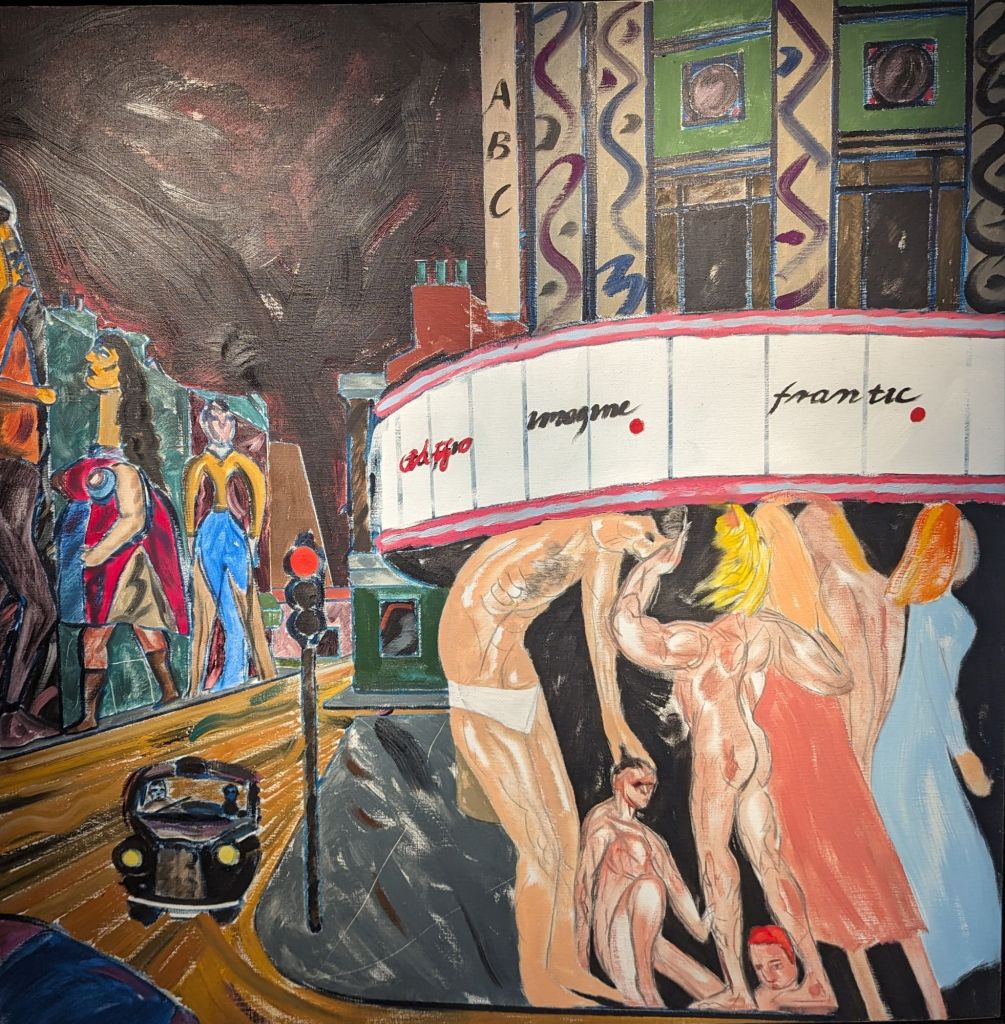
Welcome every dread delight, 1962, showing influnces of collage screen printing, thin underpainting and astonishing colours.

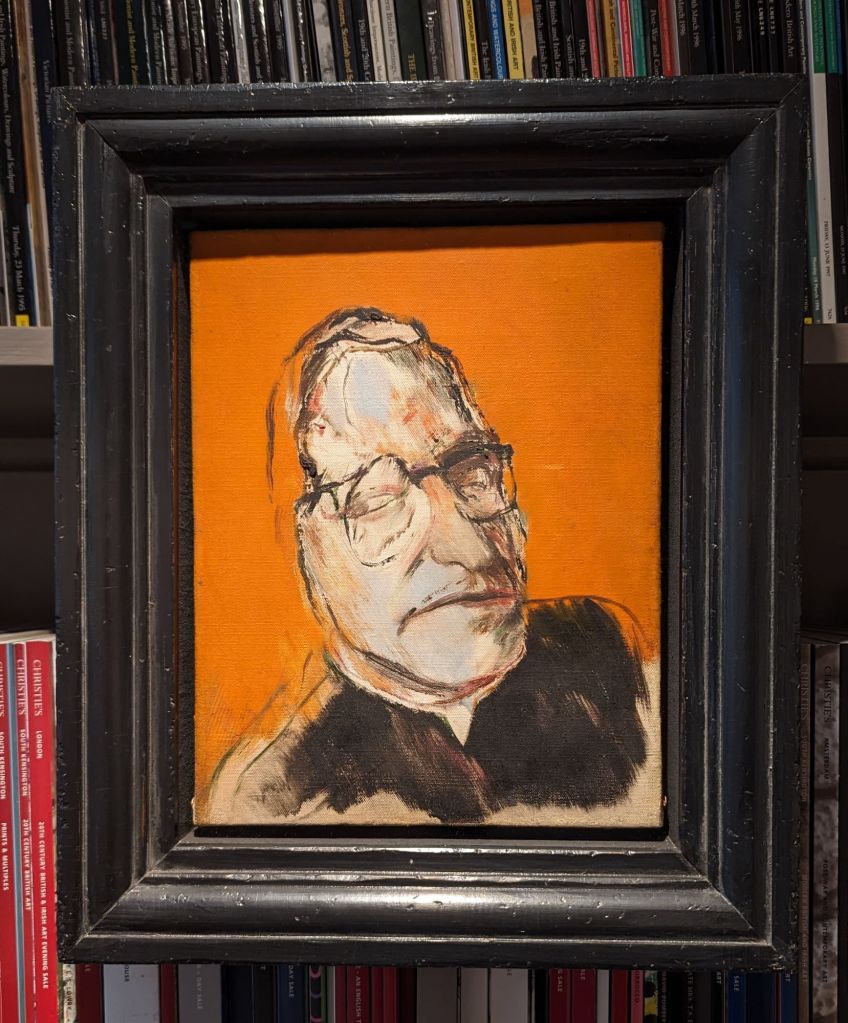
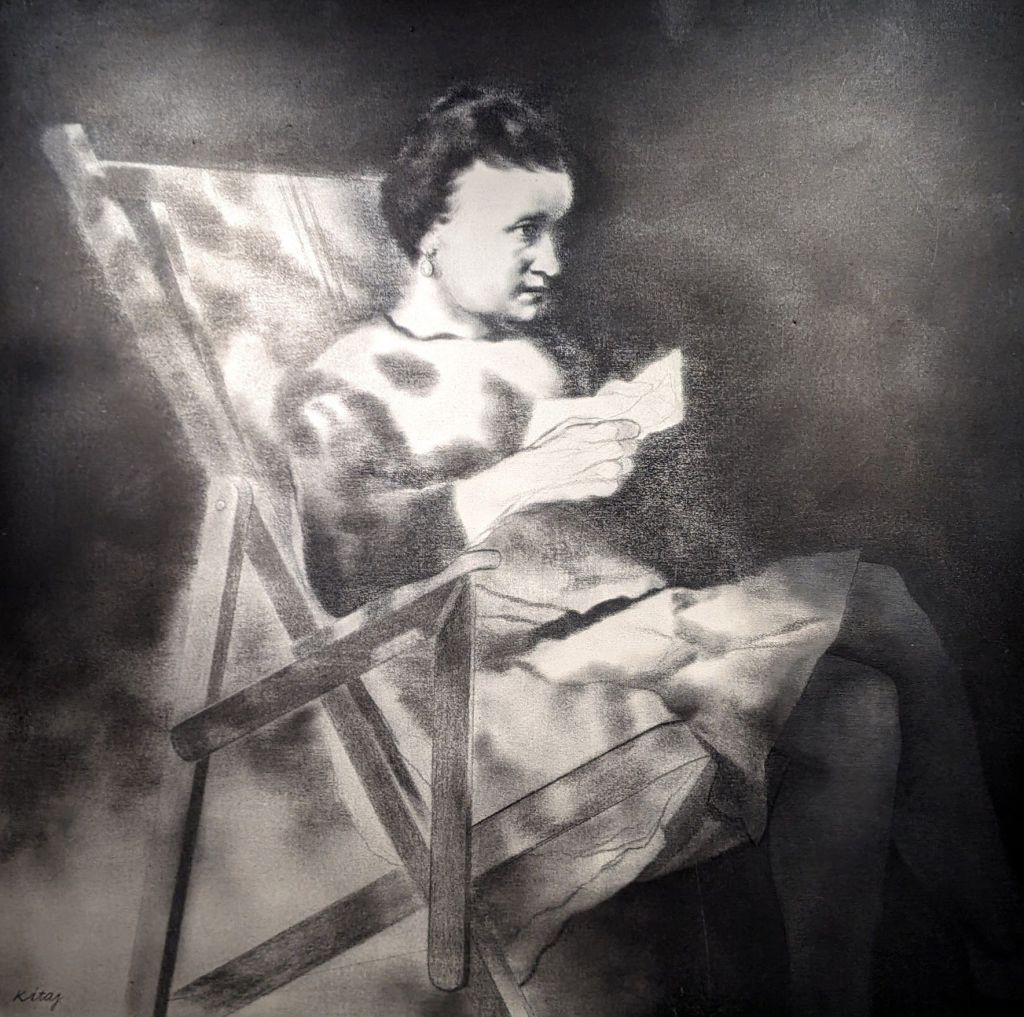
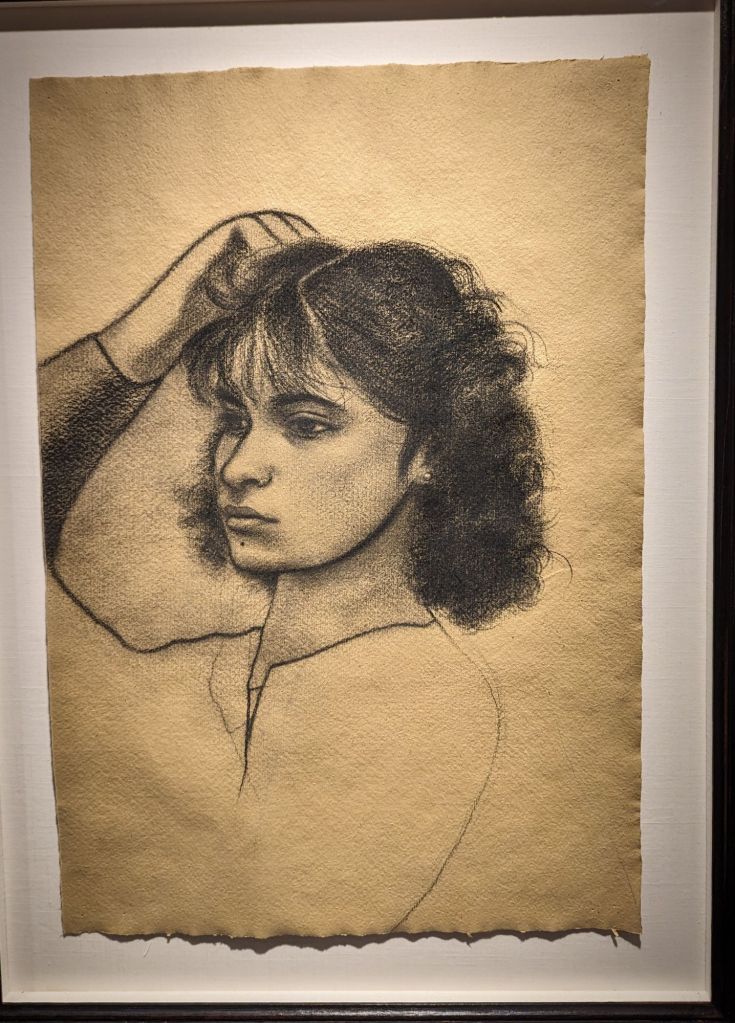
an accomplished portraitist, here one of the many charcoal drawings of his daughter and mother, Kitaj worked and reworked his drawings, aided by an extraordinary paper card he discovered with Hockney ‘porridge paper’

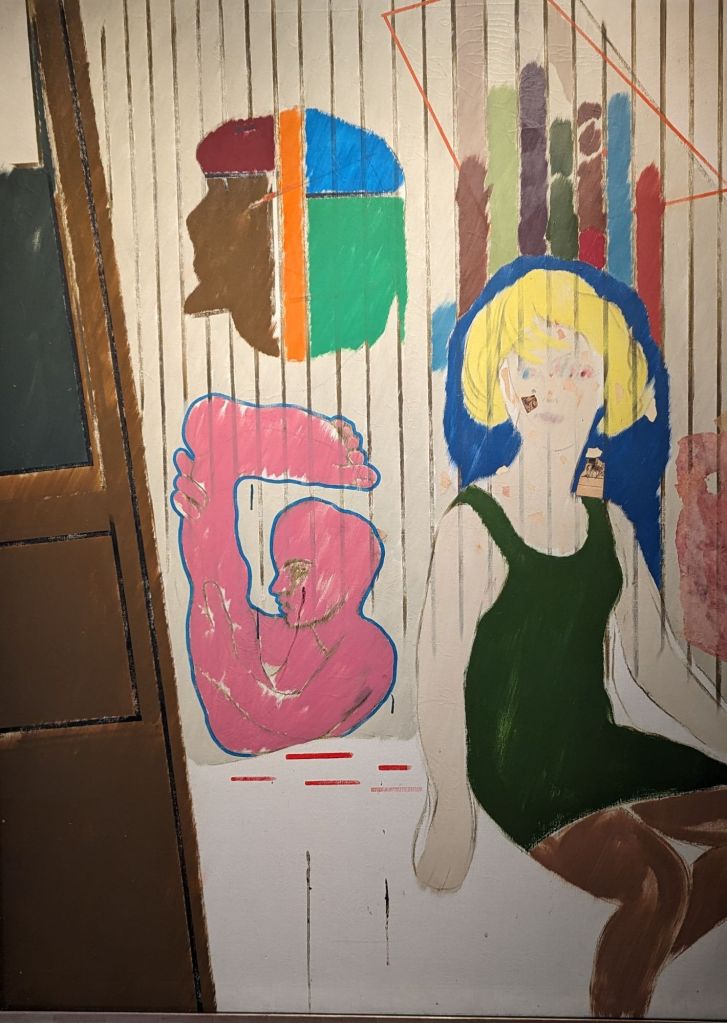
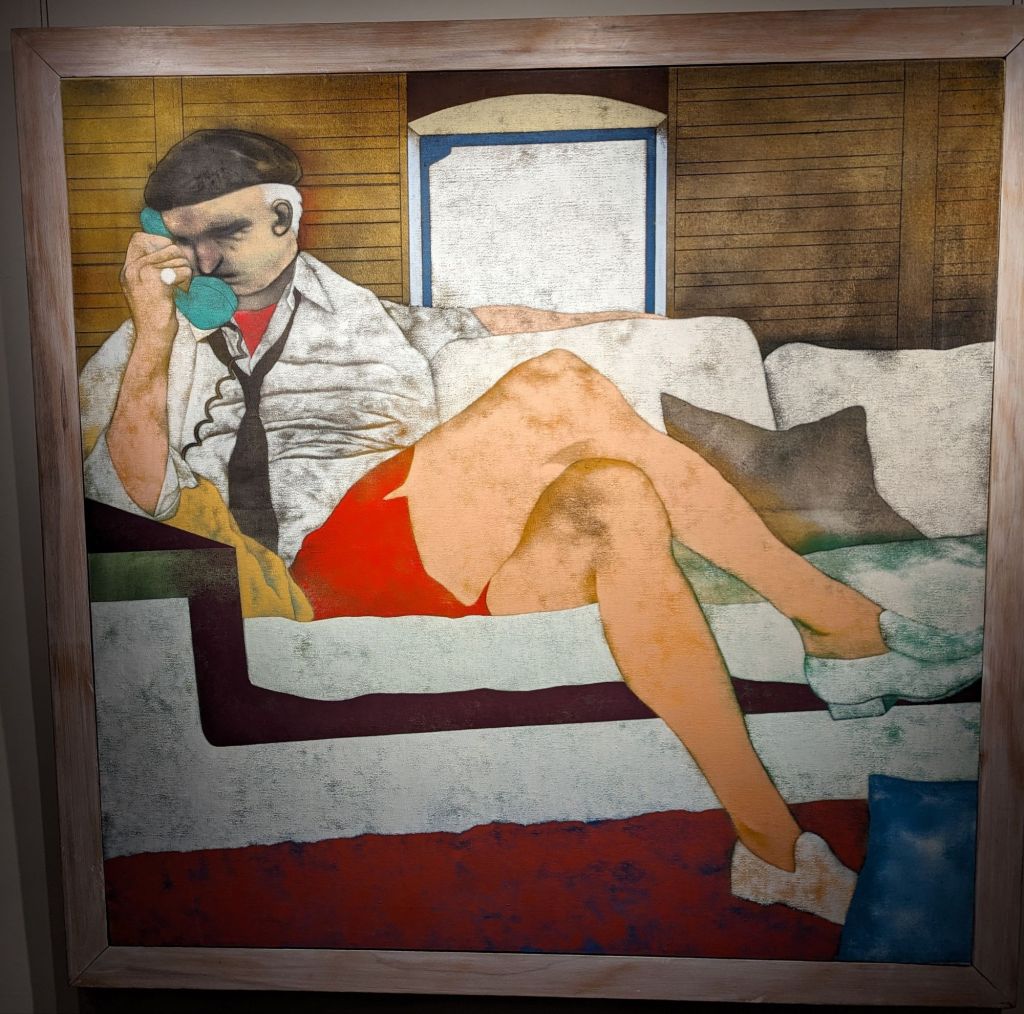
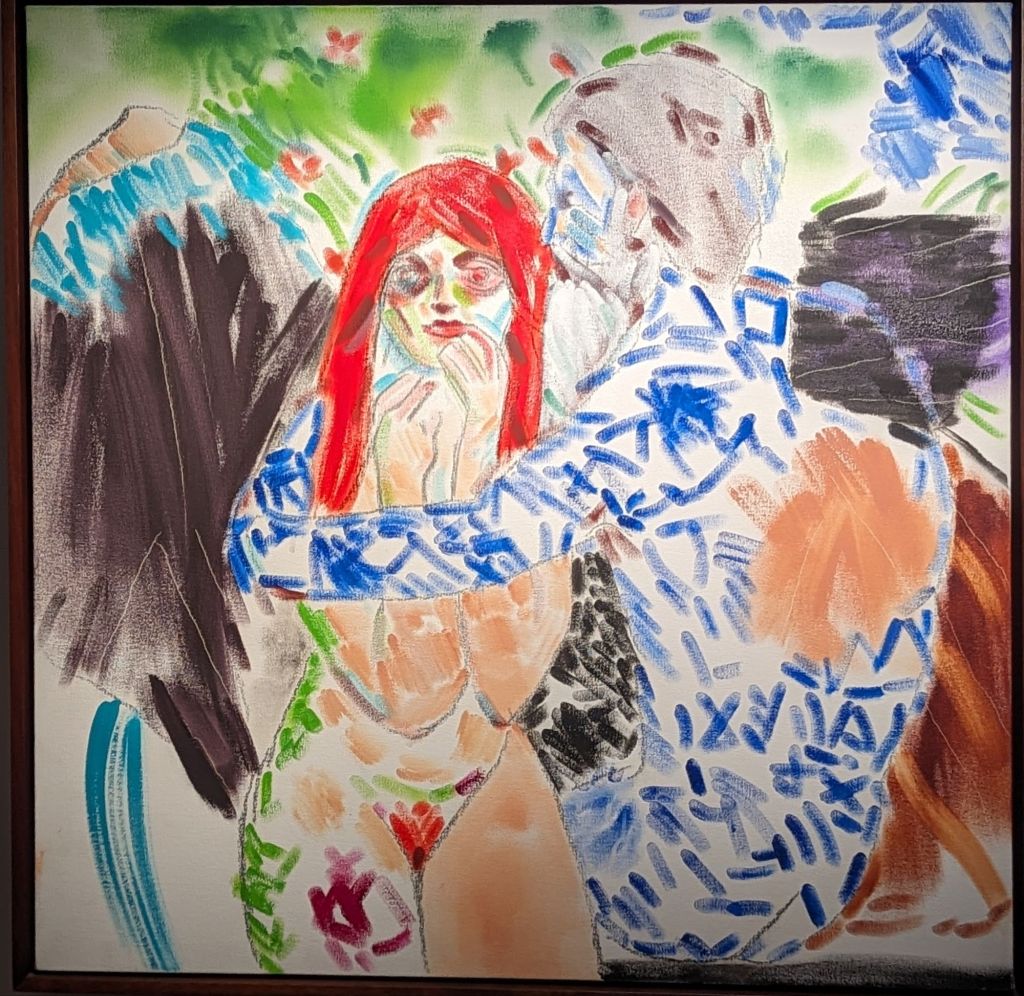
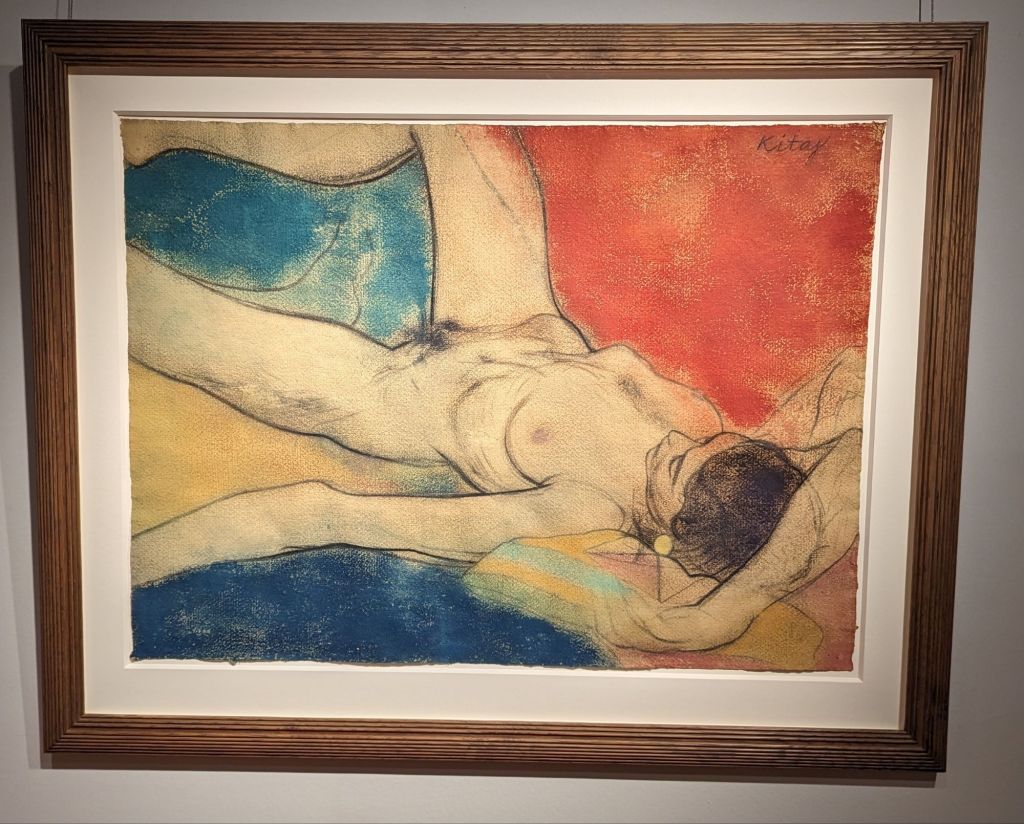
nude and secret jew, Kitaj as the perfect draughtsman, using layers of thin paint.

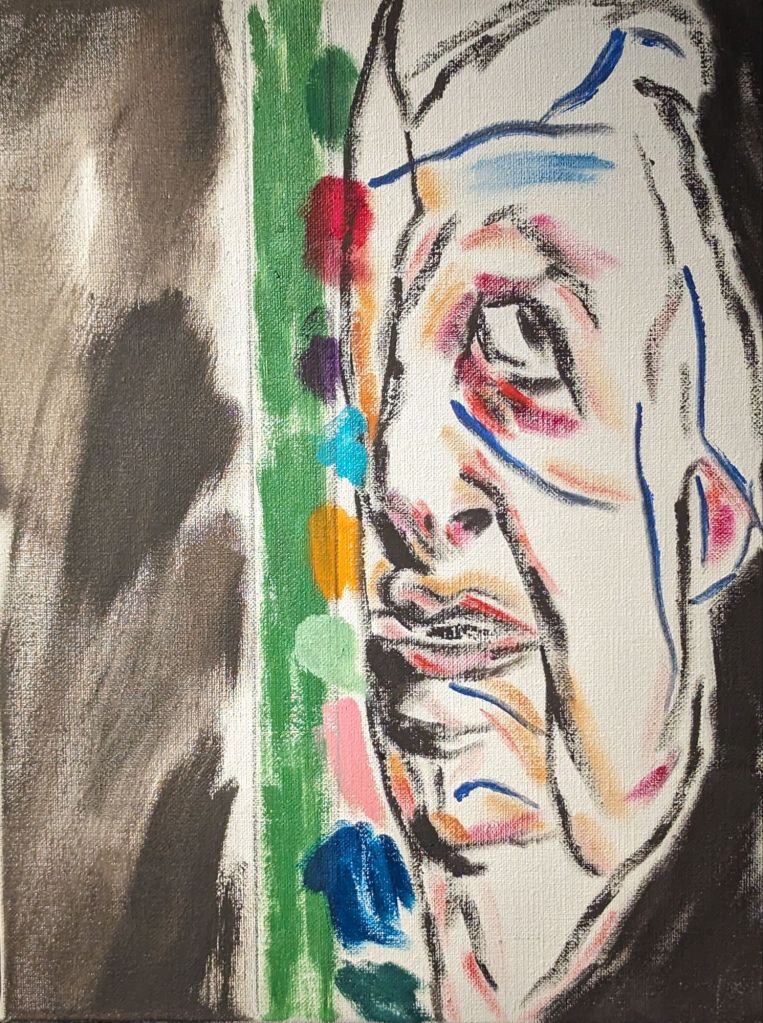
in the 1990’s following a heavily criticised retrosepctive at the Tate, and the death of his second wife, Kitaj , deeply depressed, left the UK for California. His later expressive paintings and portraits show a freedom from his classical constraints. He died in 2007