
Absolutely great artist of towns
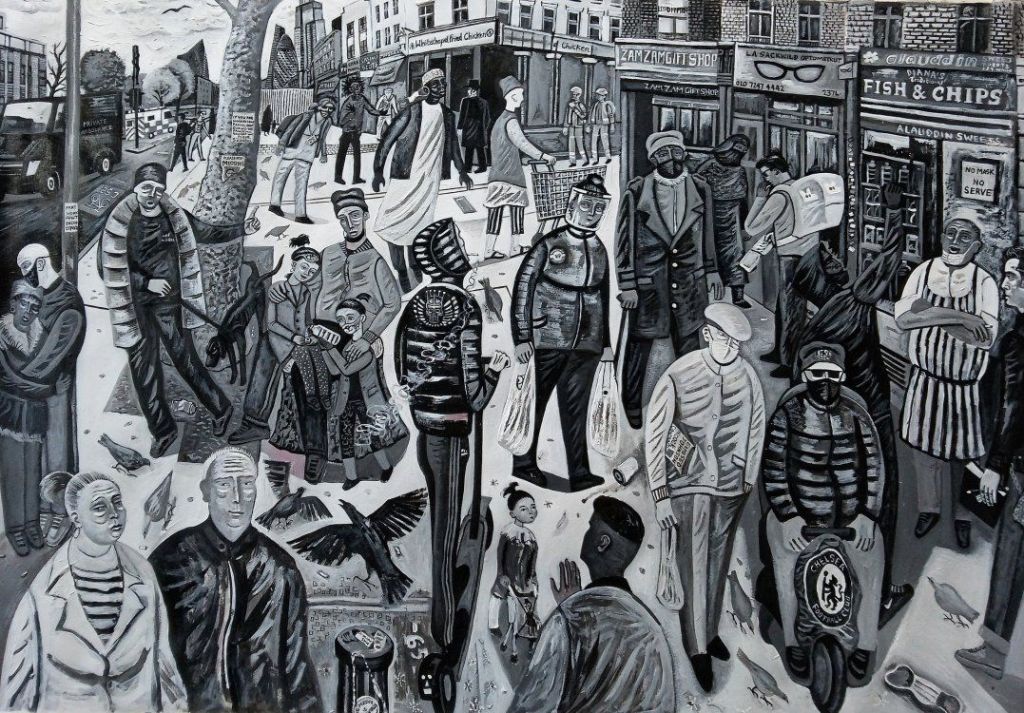

October 7th 2023, following an unforgivable outrage against israeli citizens by militants from Gaza, the Israeli government with the full support of its population turned its wrathe onto the Gaza strip, a narrow enclave that was the home to 2.3 million Palestinians. Reminiscent of John Milton’s poem Samson Agonistes
Promise was that I
Should Israel from Philistian yoke deliver;
Ask for this great Deliverer now, and find him
Eyeless in Gaza at the Mill with slaves,
Himself in bonds under Philistian yoke;
when an enraged blinded Samson strikes out madly in Gaza. Now Israel attacked a civilan population to destroy its terrorist government. Thousands of children were injured and killed, the rest are traumatised.

I have lived and worked in the middle east since 1976, I spent my 18th birthday in Jerusalem and visited Gaza many times. I was so desperately upset, I copied and drew some of the press photographs until I became too sad. Paula Rego’s famous image War , from an earlier Middle Eastern conflict transfixed me

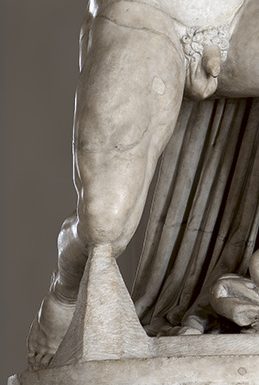
I had been thinking of a wounded god holding an injured world and looked at classical sculptures . I looked at the Farnese Atlas, a Roman 3rd century copy of a Greek original currently in a museum in Naples
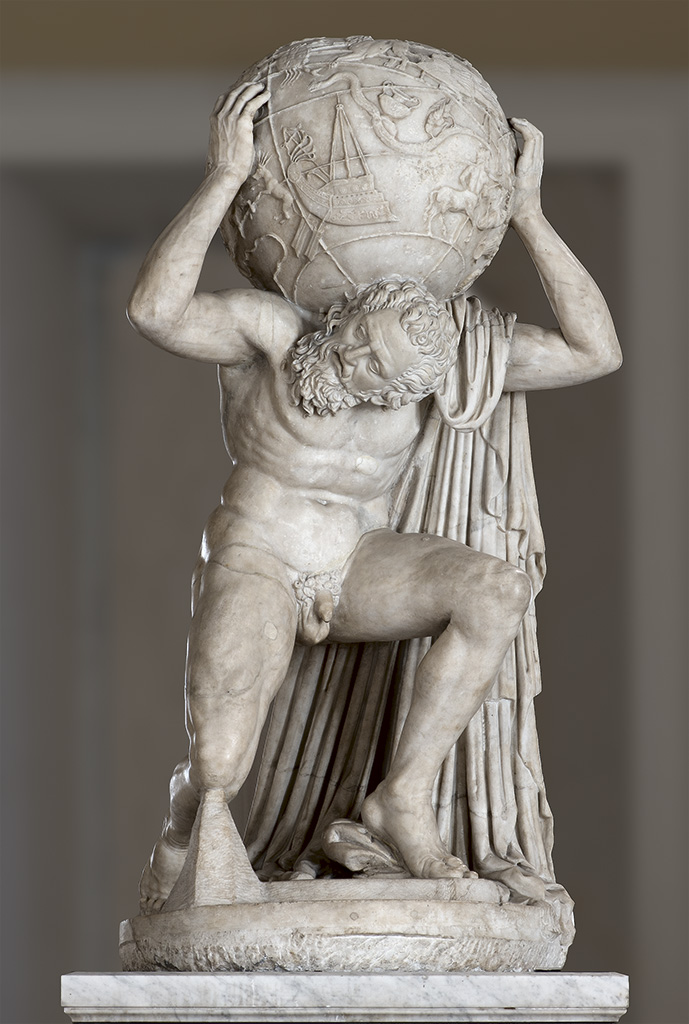
Atlas, a Titan, defeated in a war with the Gods was condemned to hold up the sky, and its constellations for eternity. He was turned to stone to ease his burden. In the Middle Ages the depiction of the constellations turned to the then new concept of the globe and now Atlas carries the world. Sometimes, with pride, sometimes as a burden

I asked a friend, Darren , a performer, to pose as Atlas, he is well built but quite sleight.
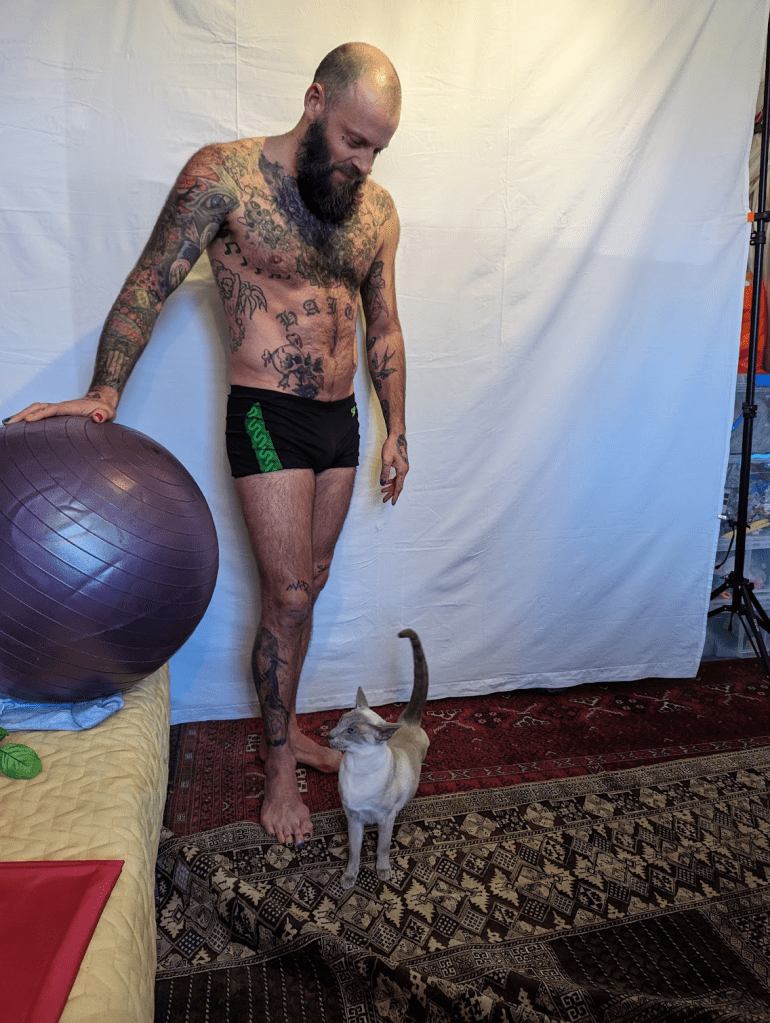
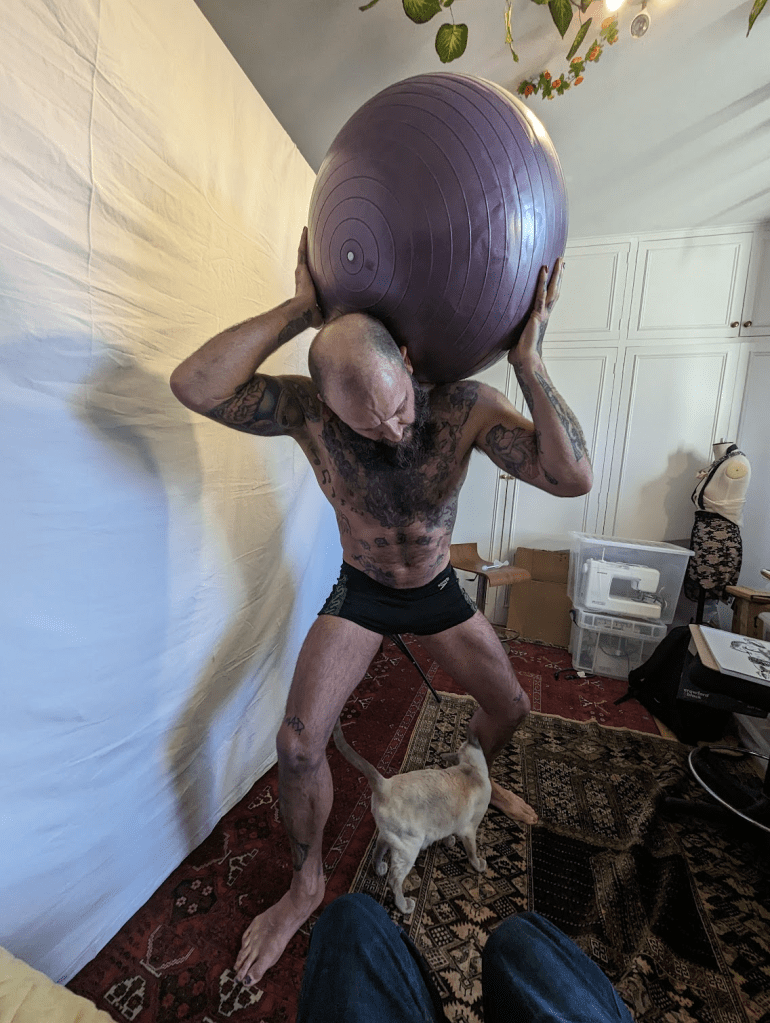
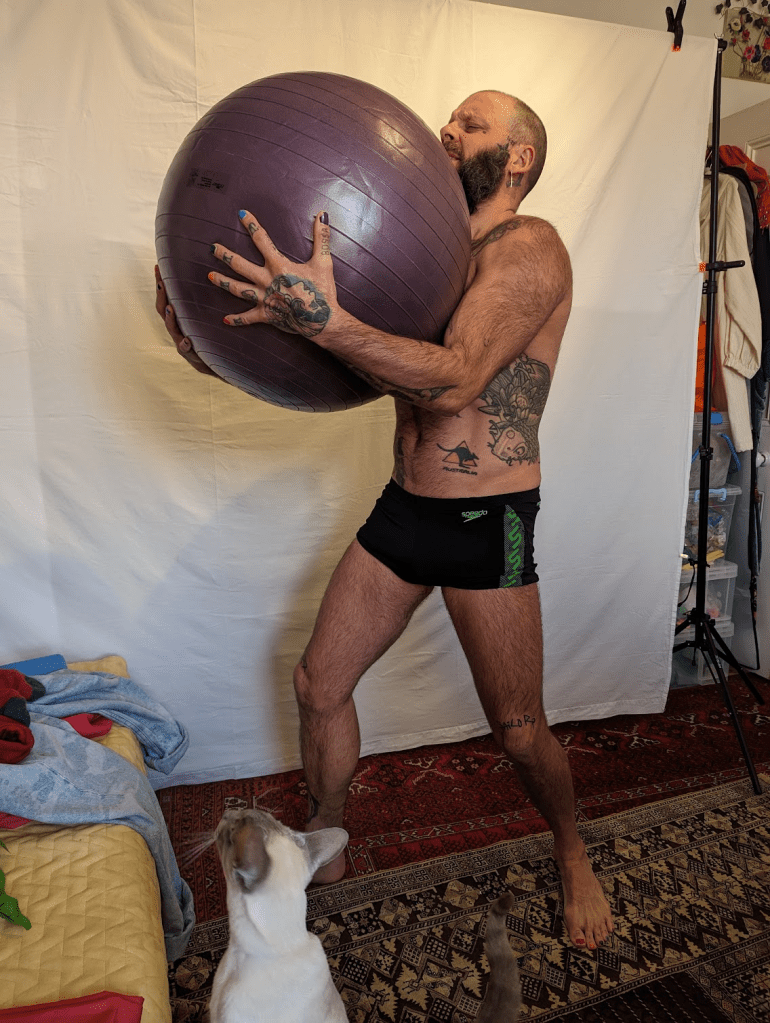
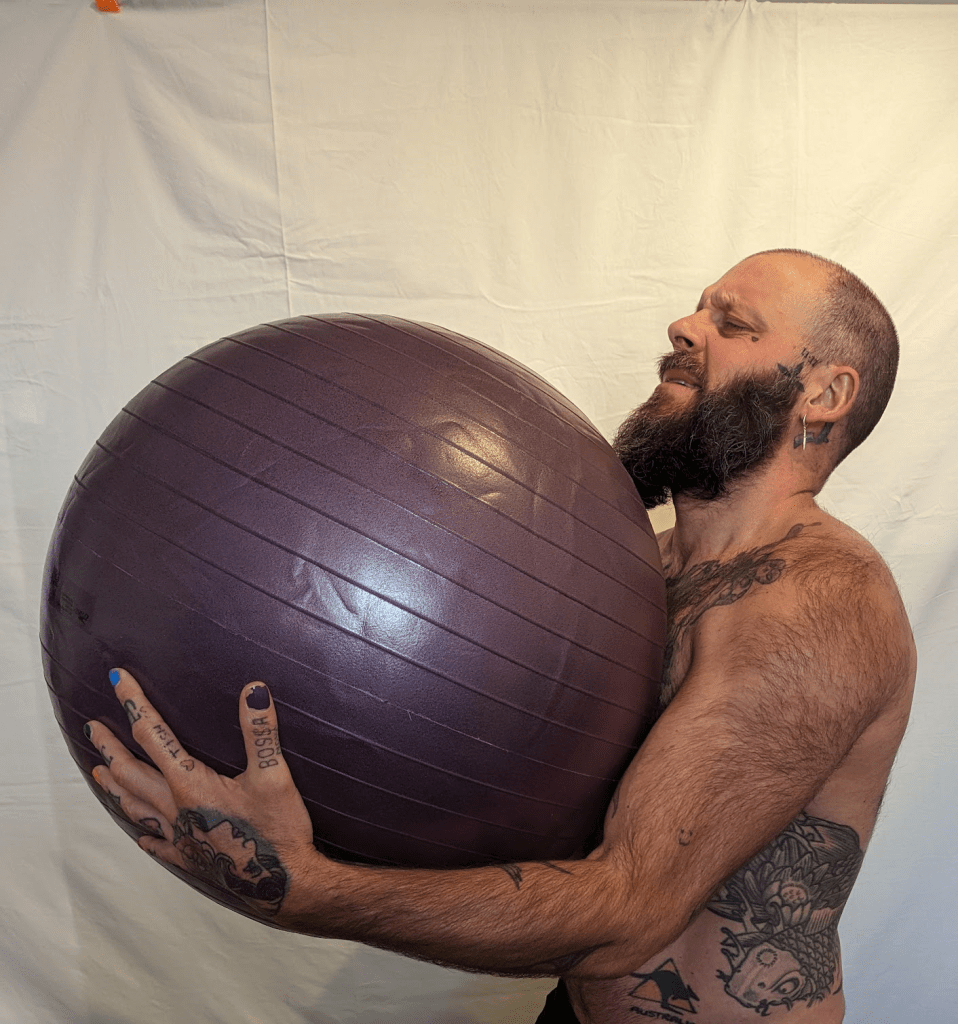
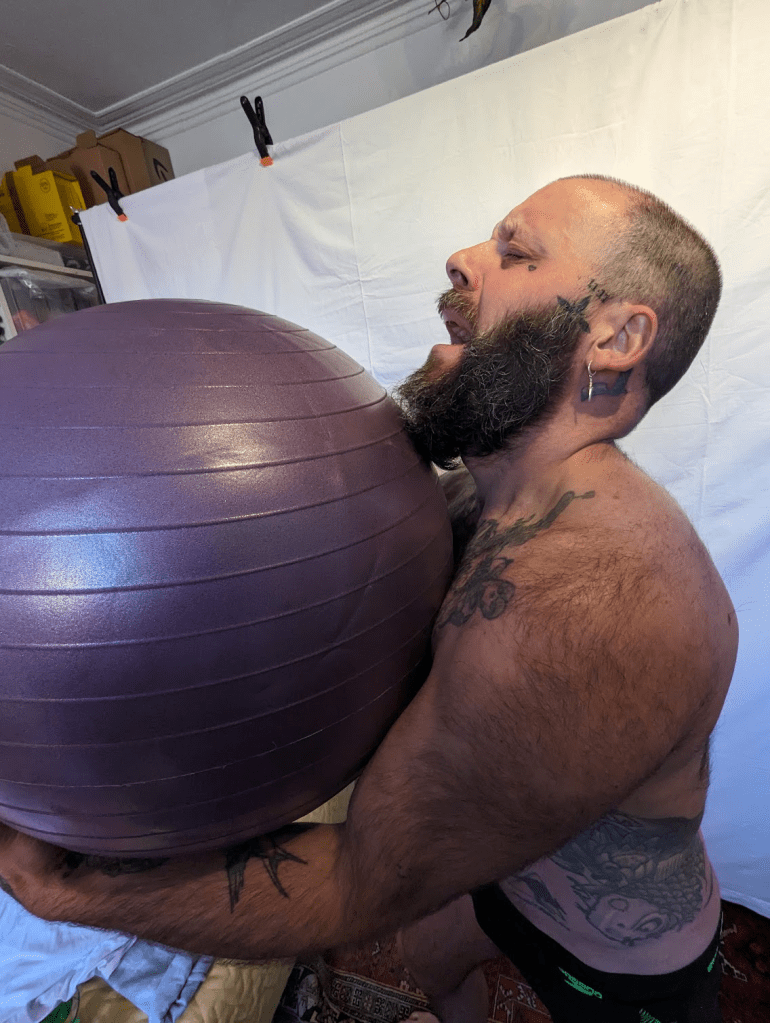
Darren is a perfect troubled Atlas, there were problems with posing with a rubber ball, the weight was not right and I had real issues later on trying to work out how Atlas would pose carrying an unfathomable weight, something I have yet to achieve.
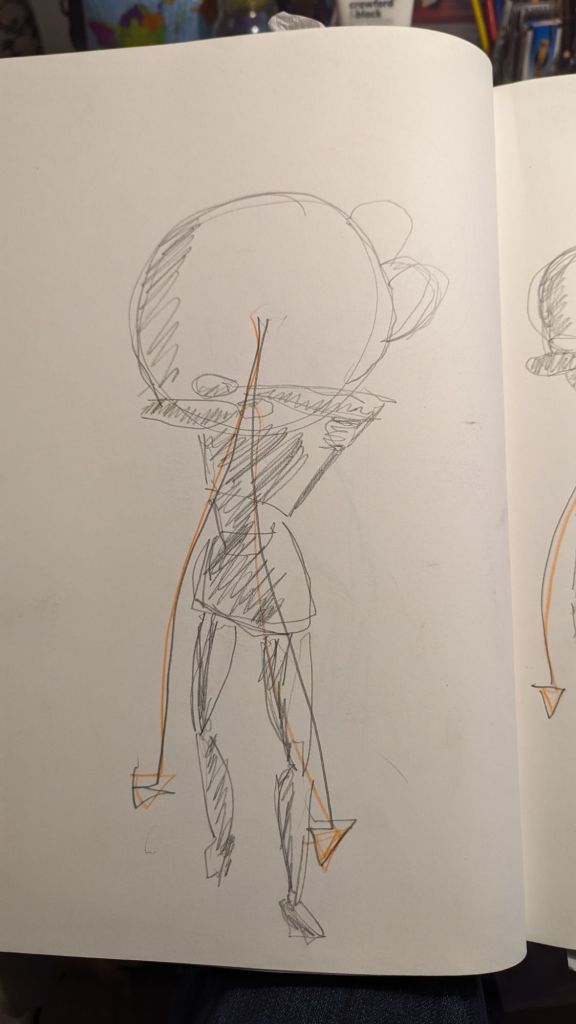
many sketches and a plasticine maquette later
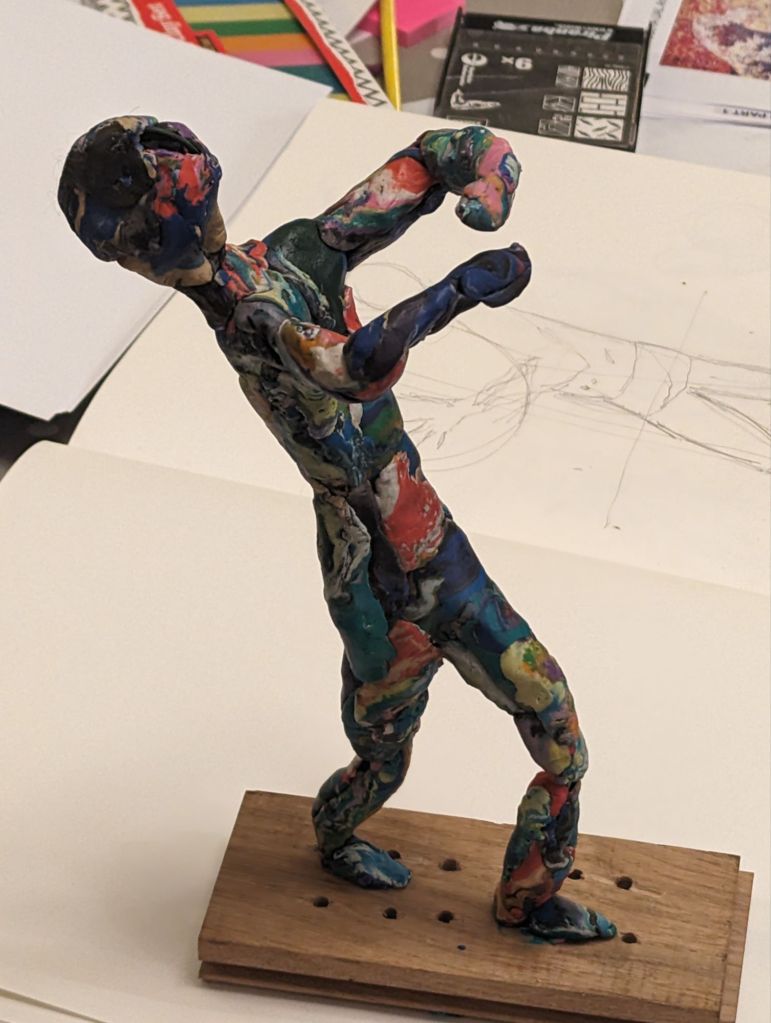
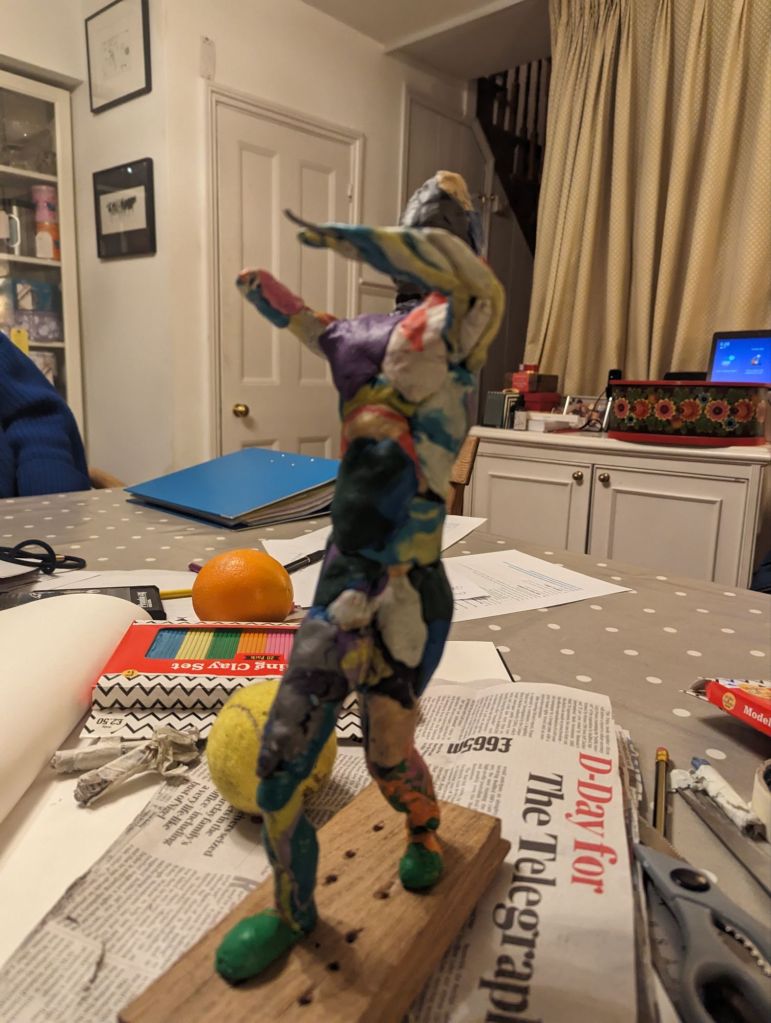
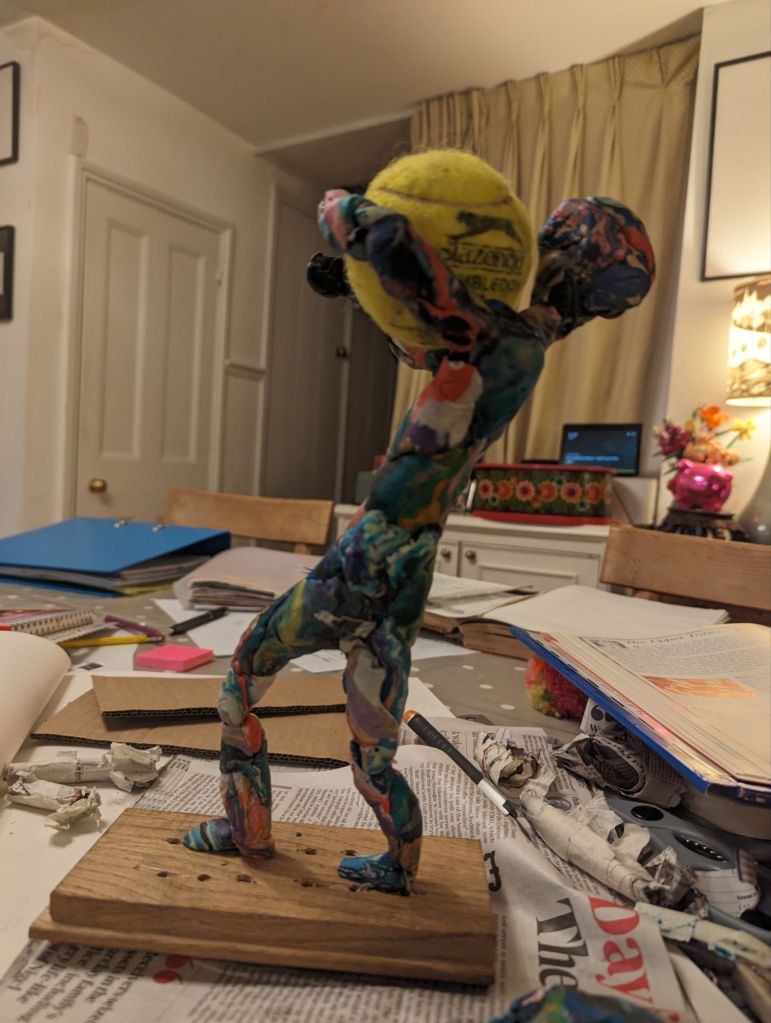
i made an armature from aluminum wire ( 4mm) attached to a repurposed floor board, planning a 1400 mm statue. My original plan was to use polystyrene waste as the form. With respect for my weak lungs I choose to use cardboard, newspaper and masking tape to build the body
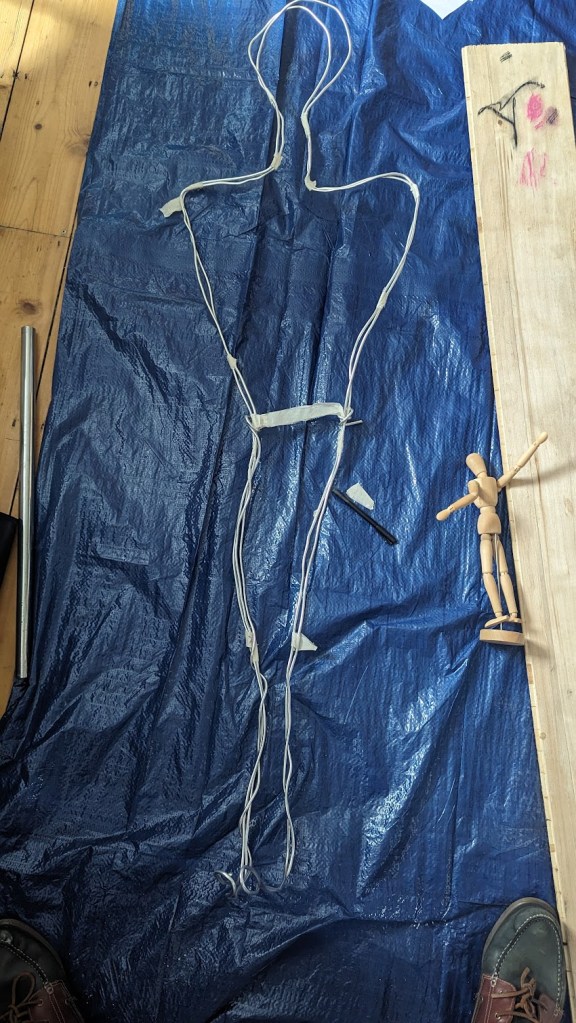
almost immediately I found the aluminium too weak and had to reinforce the ankles to the knees with mild steel kebab sticks

I continued to build with cardboard, newspaper and masking tape, fixing to the frame. It was not as flexible, but restricted by the righidity of the cardboard I was able to produce a good if top heavy body
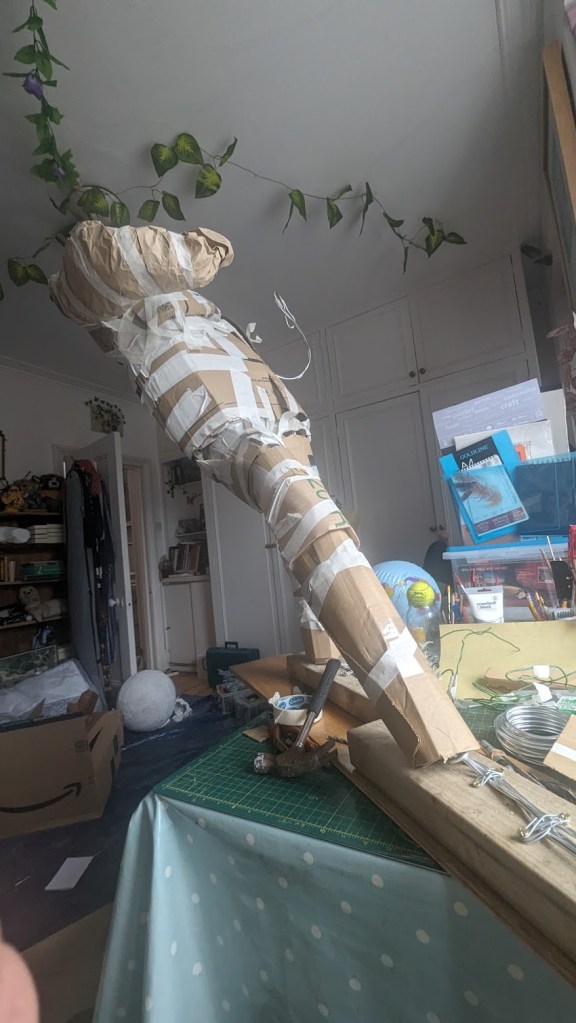
worrying about the permability of the cardbaord I coated it with several layers of PVA glue before plastering

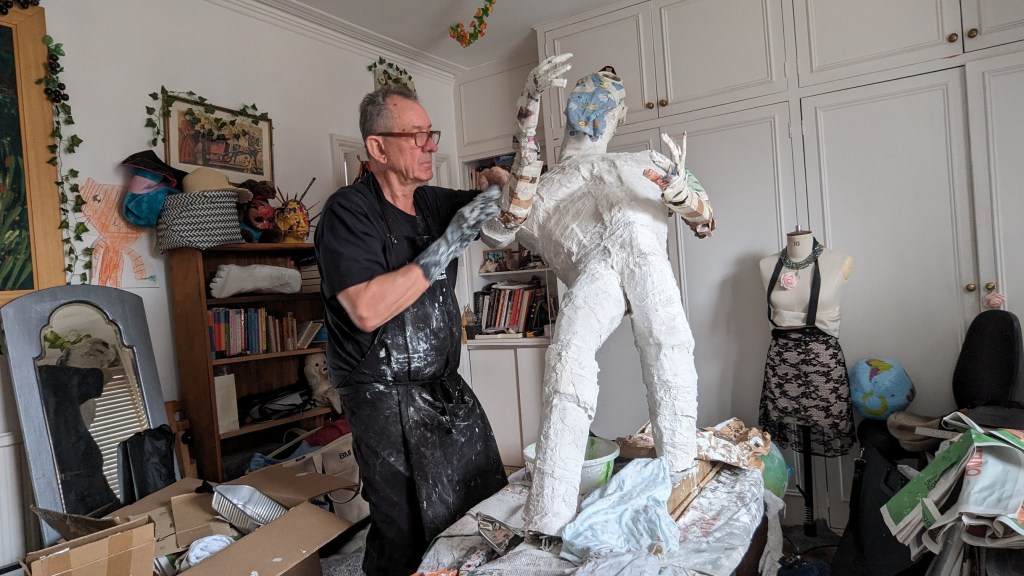
during the porcess I watched countless you tube tutorials by expert and amatuer scultptors, they each had different approaches to the application of plaster but were universdal in the mixing of plaster of paris. It has to be treated with respect, I orgiannly stirred the water plaster water mis vigorously but learnt that a gentle addition of plaster to water at a ratio 2:3 and then a gentle hand stir will keep the plaster wet. I initially wrapped the statue in mudroc, a plaster infused bandage. Despite the waterproofing the cardboard became damp and I had to dry it for two days under a fan to circulate the damp air.
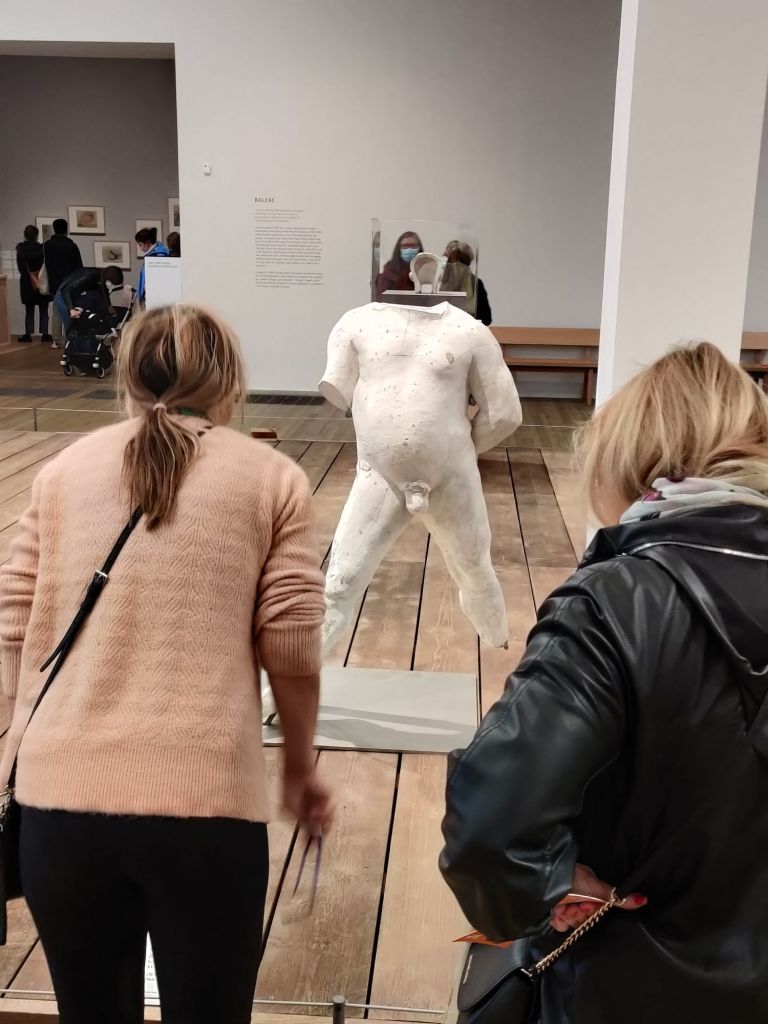
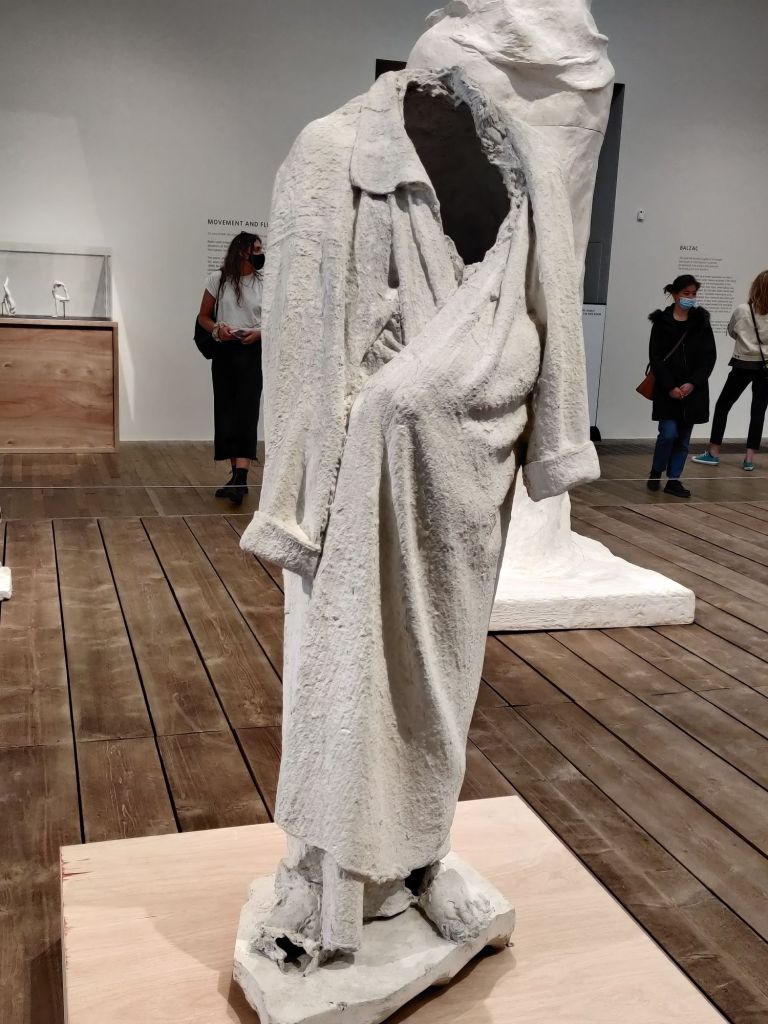
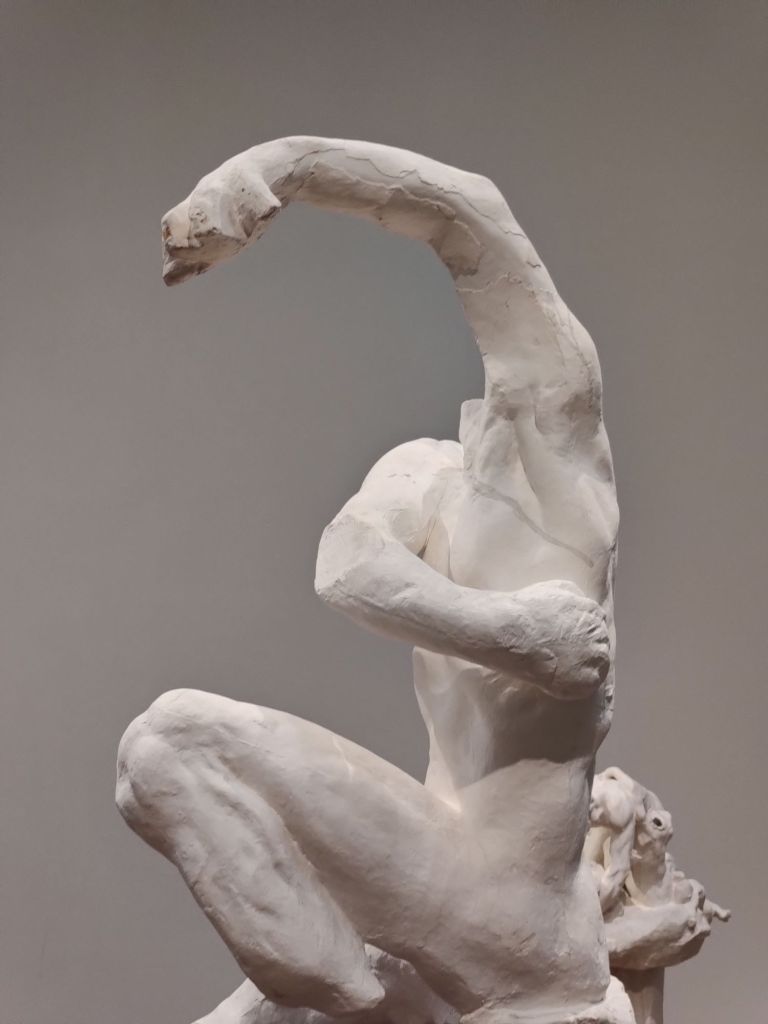
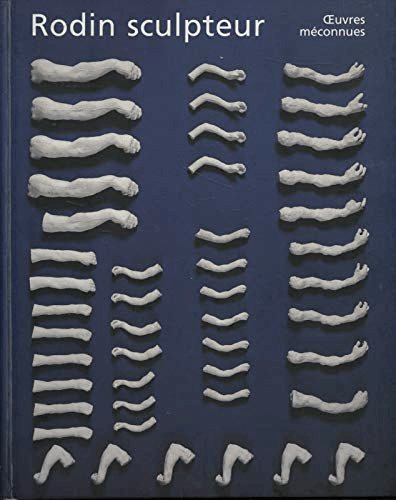
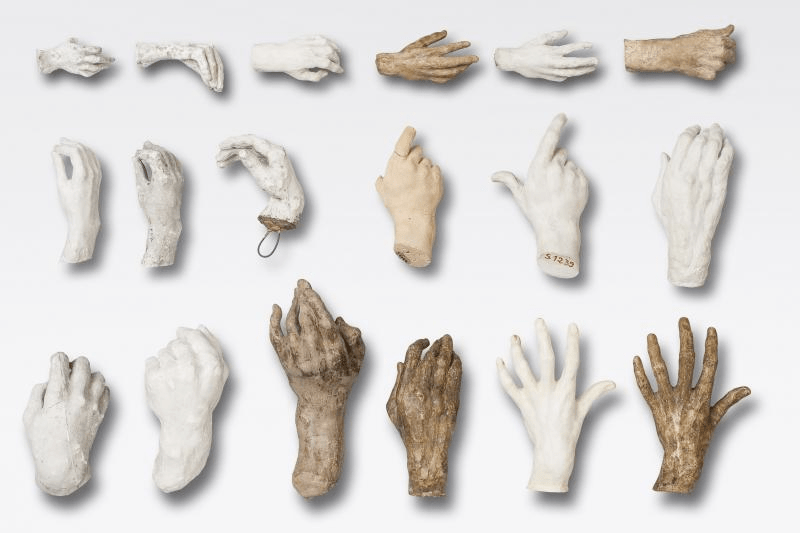
I had been fascinated by rodin and his working pracise, at a recent exhibition in the Tate I learnt that the famous balzac statue had been modeled using a dreesing gown of Rodin dipped in plaster. I made a sarong for the Atlas from a fitted sheet dipped in plaster. It was reasonably successful, keeping the flow of the material and a very pretty bow at the back.
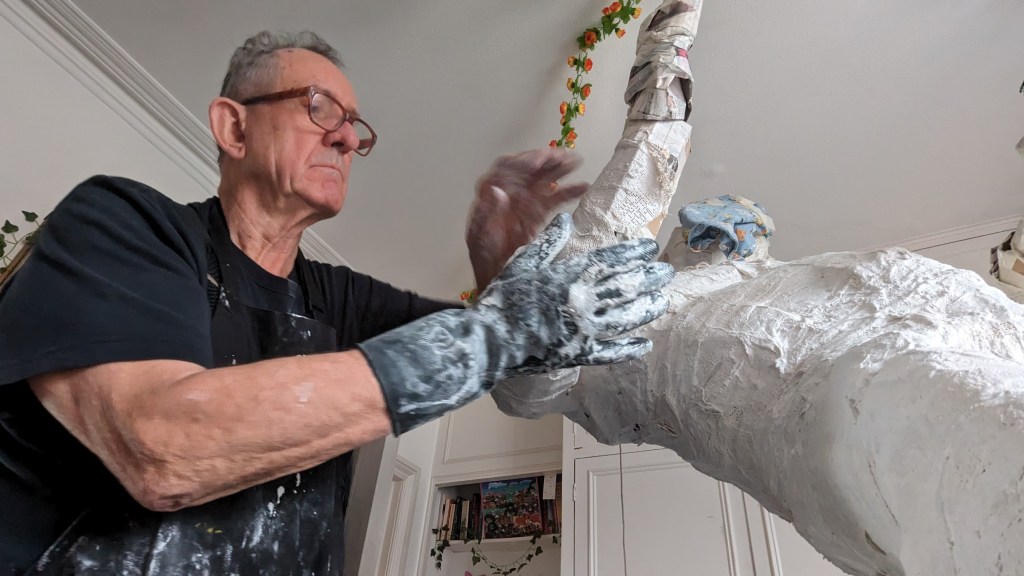
as I worked I fell under the spell of the materials, at first I was hoping for a smooth realistic finish but as I continued with the plaster I enjoyed the rough serendipity of the rapidly drying plaster. Certainly given more time and space I would have reworked some of hte limbs but the final uneven texture gave me an unexpectedly expressive form
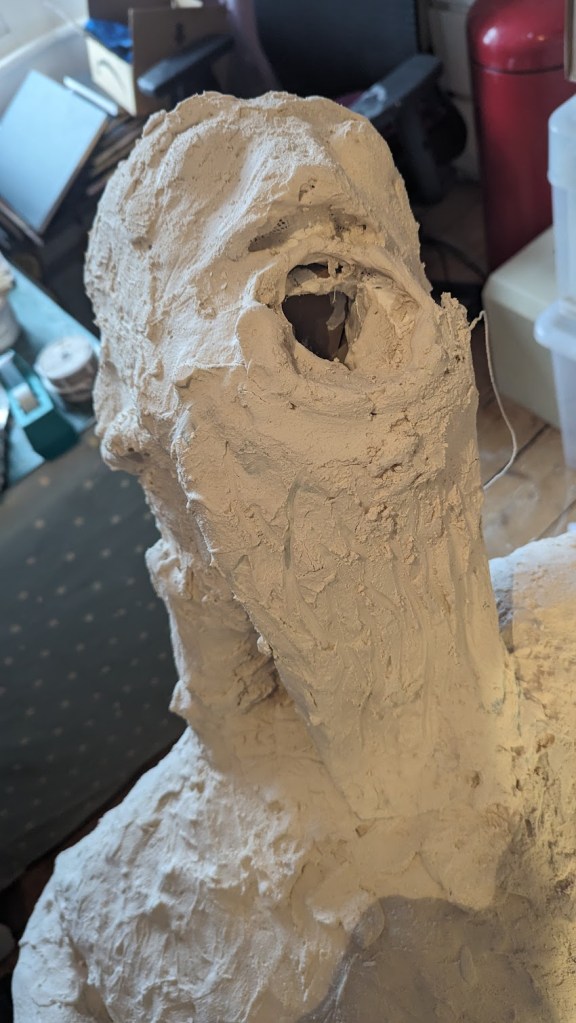
I wound as I built th staue that it skloped back under the wight of the plaster body and eventually I had to use a re enforcing rod to keep it from snapping there were some serious crack around the thighs , hidden and supported by the sarong. I was reassured to see the the Farnese Atlas has a support under one knee
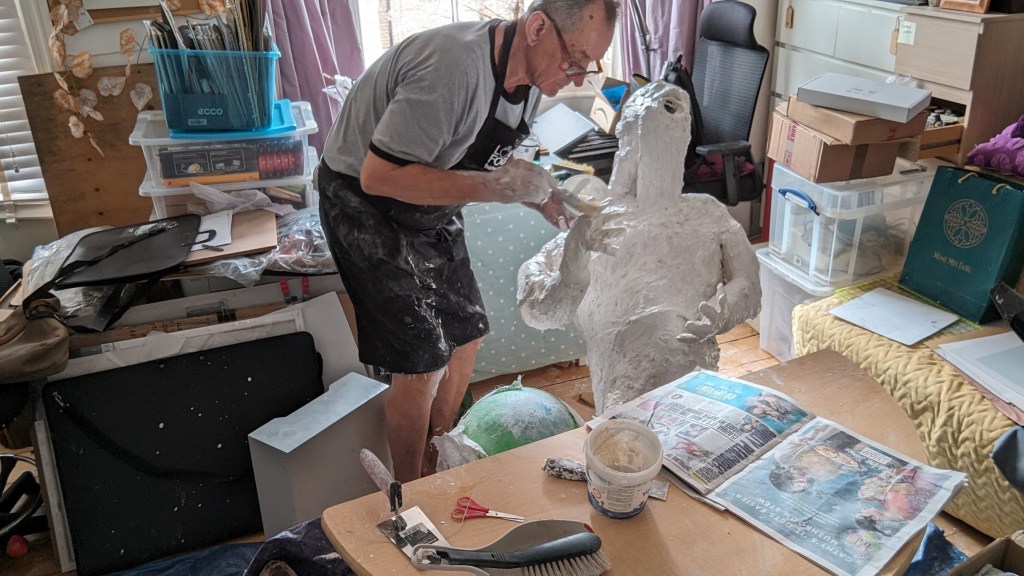
I finally. covered Atlas with a mixture of PVA and white acrylic paint to give it a clean waterproof finish. On exhibition I plan to sprinkle ash and surround the unfinshed feet ( left bare in case I have to remove the wire from the wooden base) with discarded clothes, the mess one sees in a refugee camp . There will be a sound element.
making the statue was cathartic , I found the engineering , conceiving, m, fabrication deeply satisfying, trying to balance a creative concept with a three dimensional object whose final shape was often dictated by the limits of the materials, the unveness and fast drying of the plaster, the fragile cardboard underlayer and the unfortunately weak central armature limited the statue.
With an opportunity to make it again I would produce a properly welded skeleton from steel with a more considered shape. I would also have worked much harder on the weight of the world. It is still a rubber ball.
I hovered on the boarder of craft and art and am not sure where i found myself. Directed with sadness and anger I do believe that ‘Atlas in Gaza” is a valid piece of art.
I ts future is uncertain, I was proposing to have my fellow students destroy it after its exhibition but there is an opportunity for its temporary display in the garden of Hammersmith Quaker Meeting House, a sculpture that reflects their fundamental message of peace.
In a fascinating class introducing us to the world of textiles , their uses, manipulation, decoration, and the fine line between a piece of art and a product,my fellow student SUKI presented an exquisite printed and sewn bag as her art piece, a framed printed fabric as her object , Framed, and priced. It was the perfect argument for crossing the lines between craft, art, and the fetishistion of products.
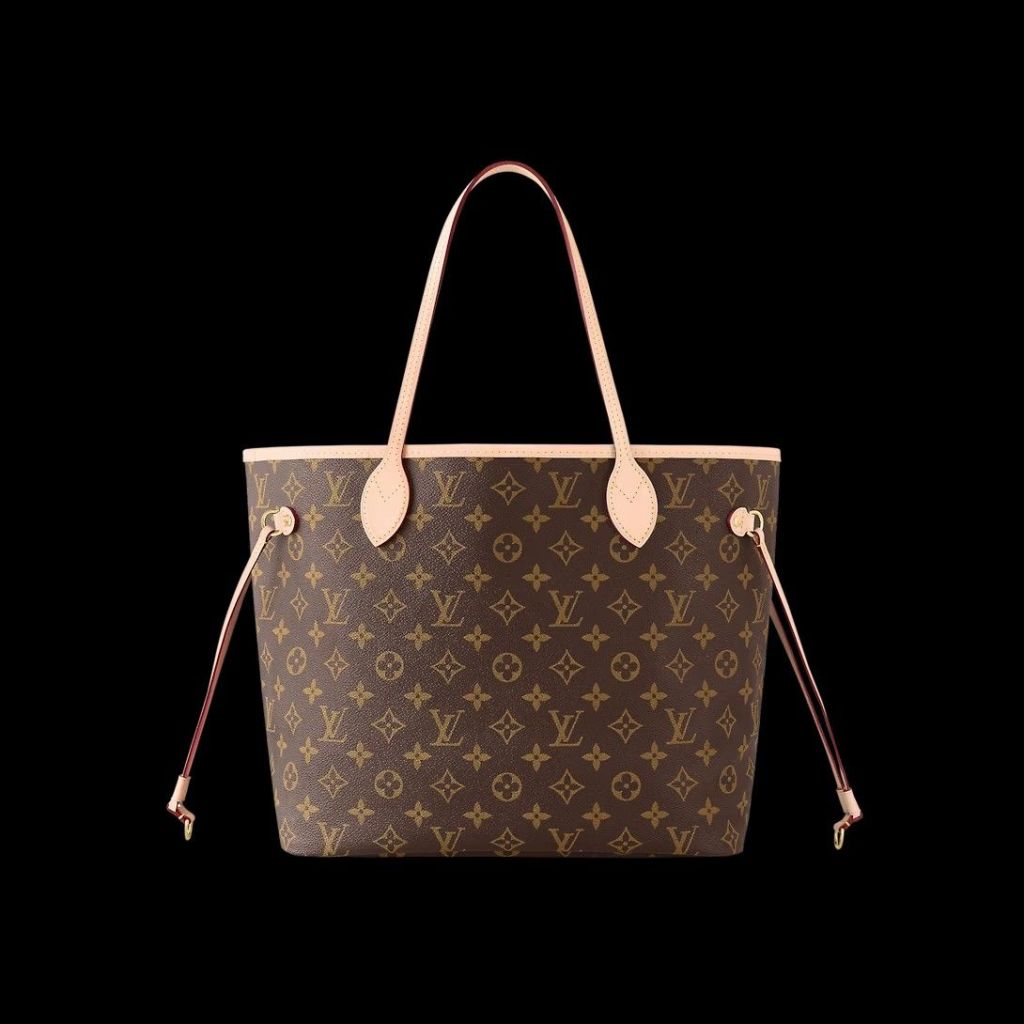
I produced a pencil case
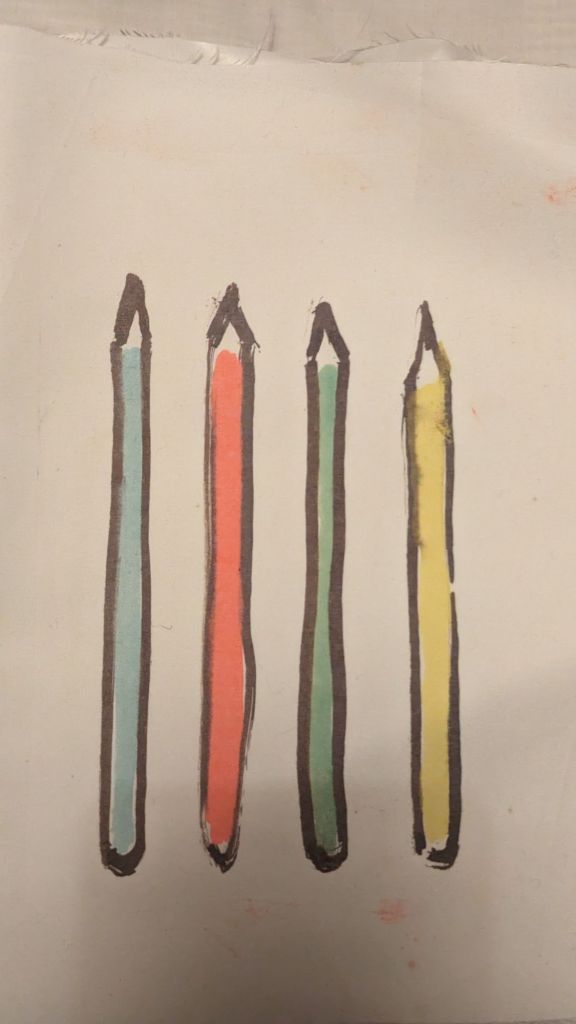
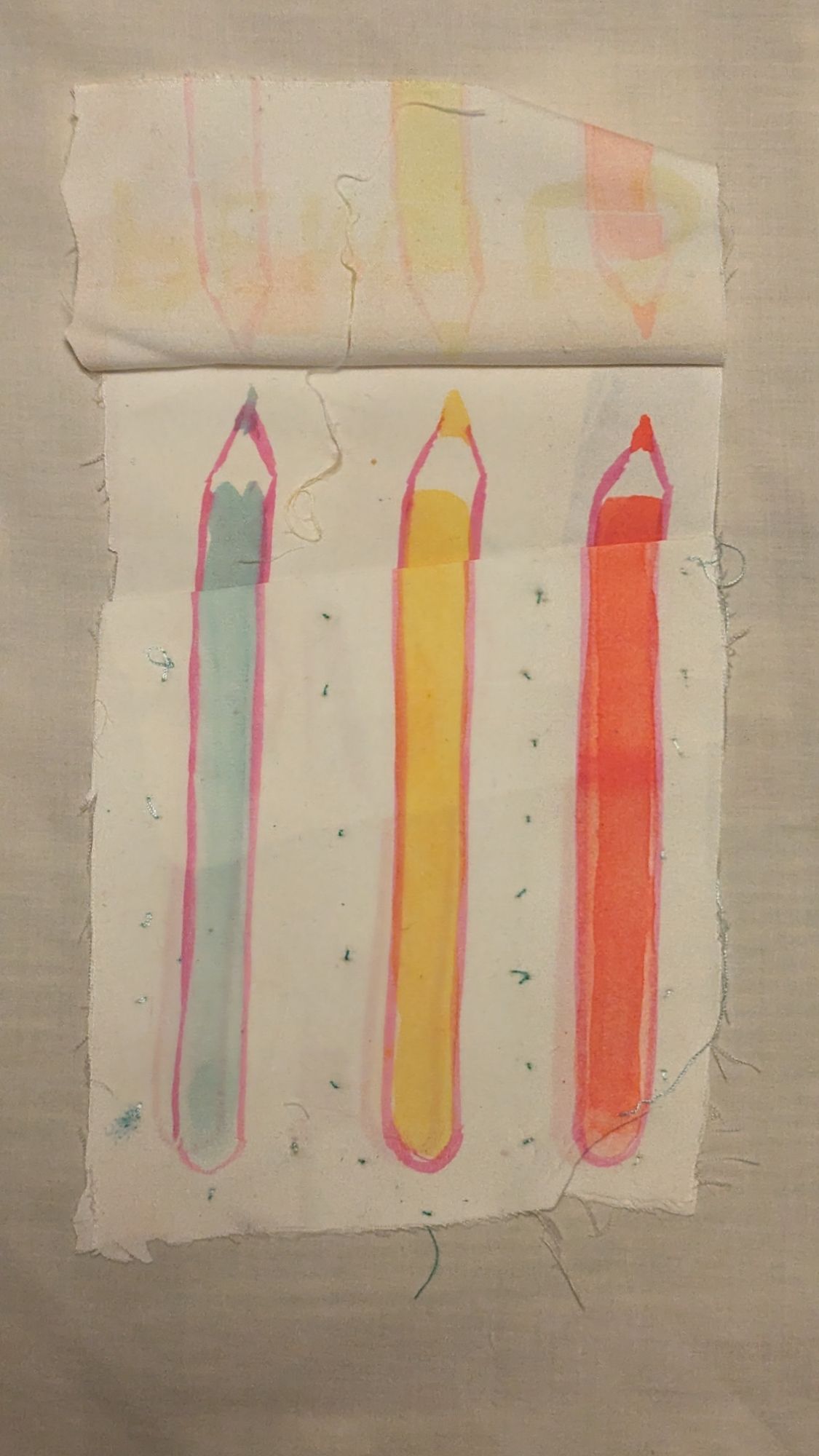
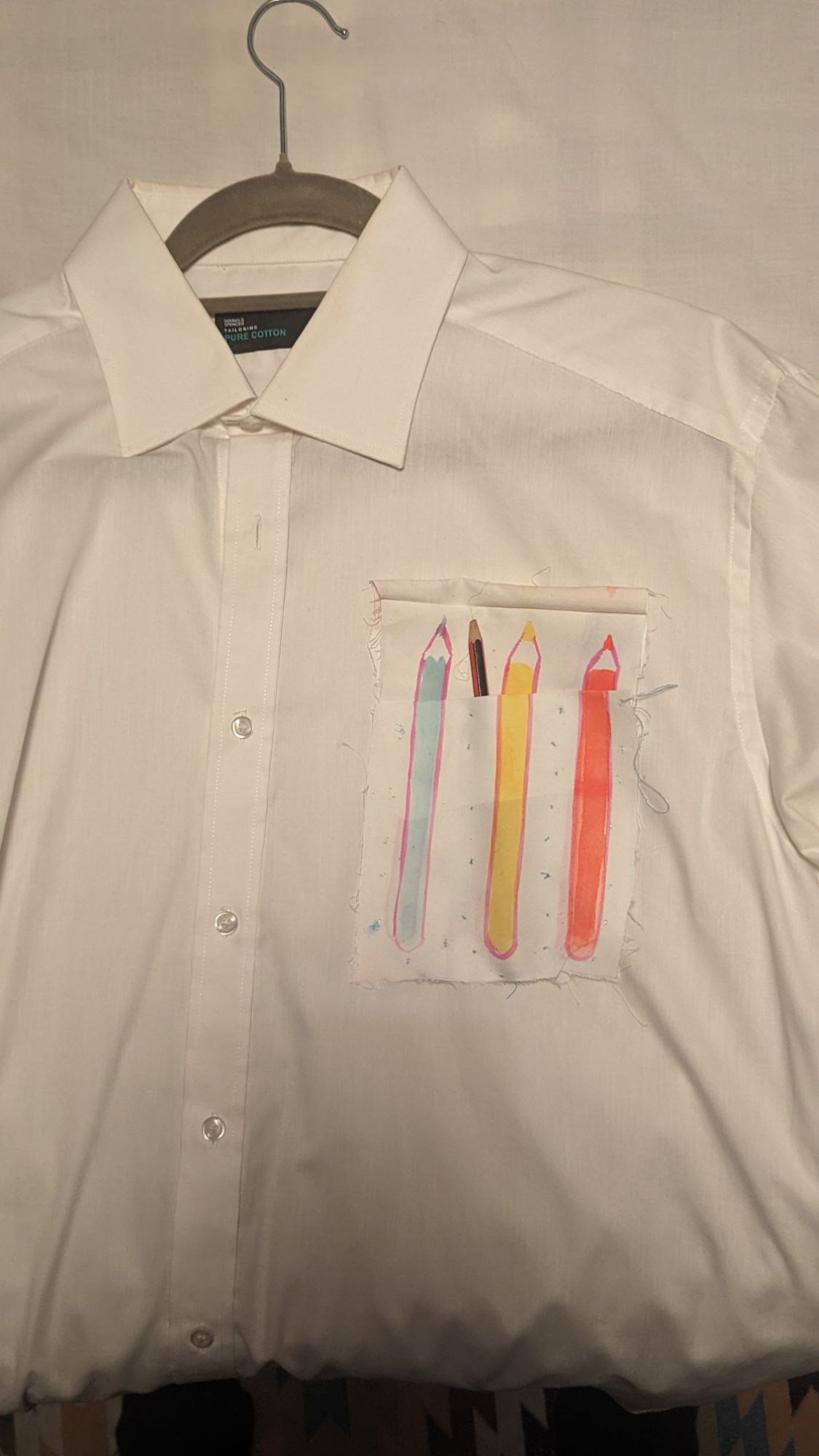
We were introduced to and learnt the skill of heated dye transfer.
Using a range of dues we learnt to apply it to thick paper in a painterly way. Using a flat plated iron ( a heat press) we transferred the dye to pieces of white polyester fabric. The results were rapid and deeply satisfying. The entire class took to the process with enthusiasm, ignoring breaks and reluctantly moving on to the next part of the process, dyed paper to be used in a process of blocks of colour or to be used in multiple printing using layers of colour and objects to block the dye
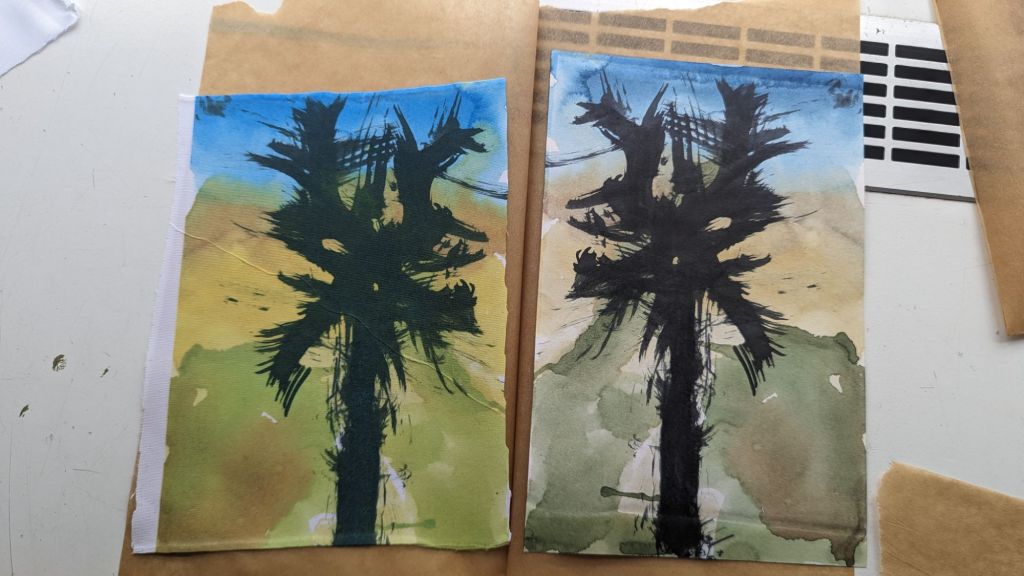
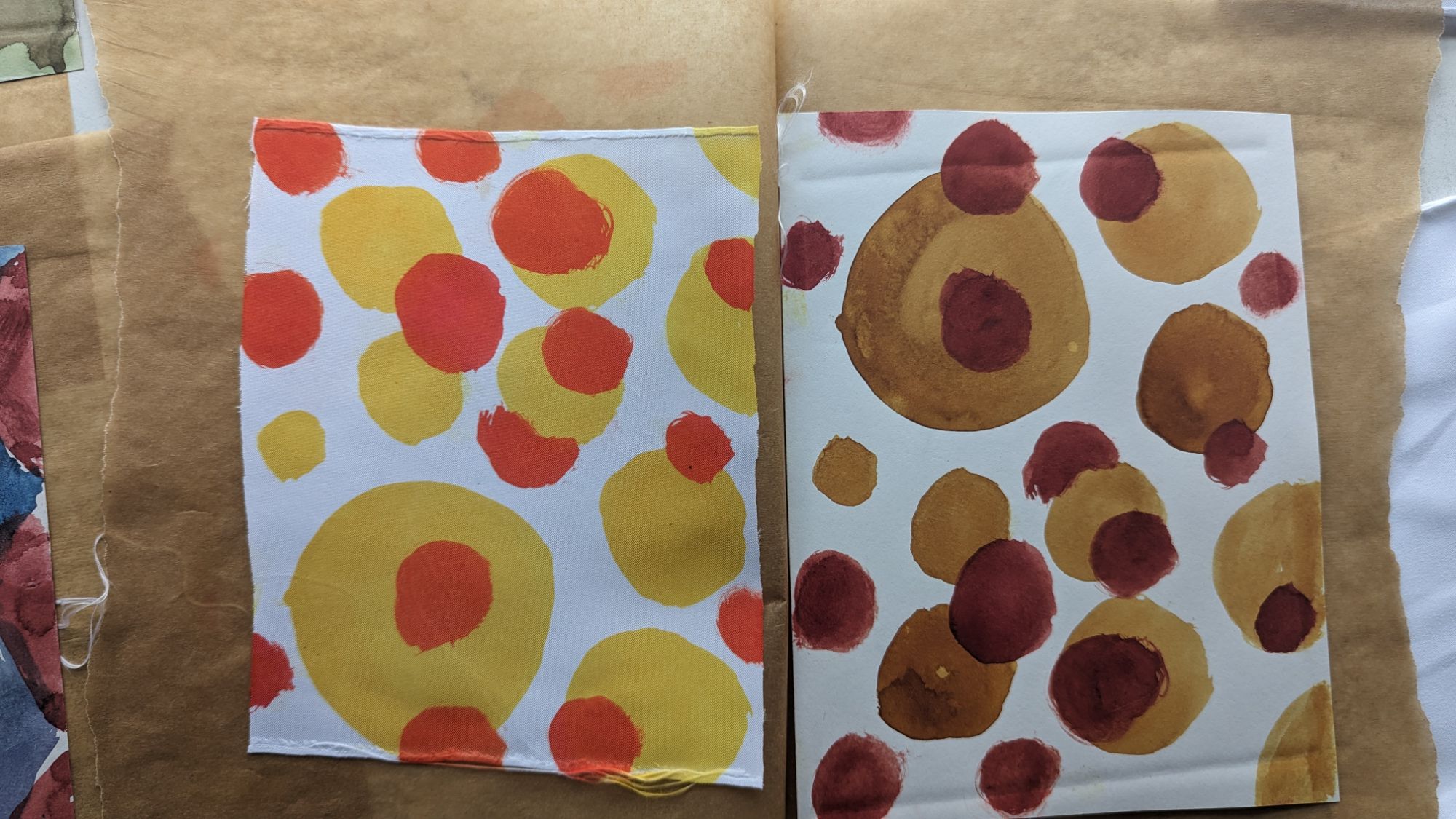
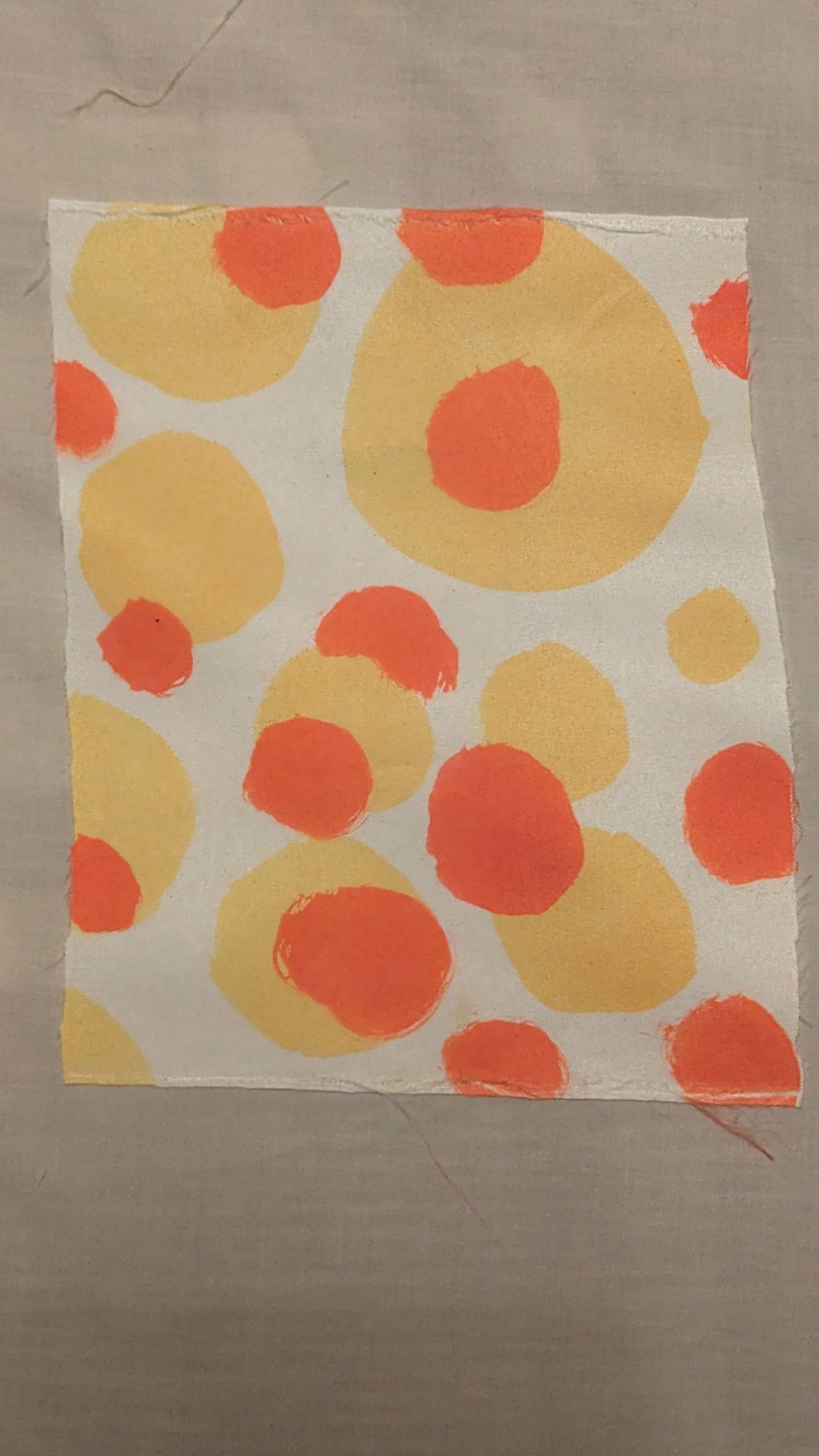
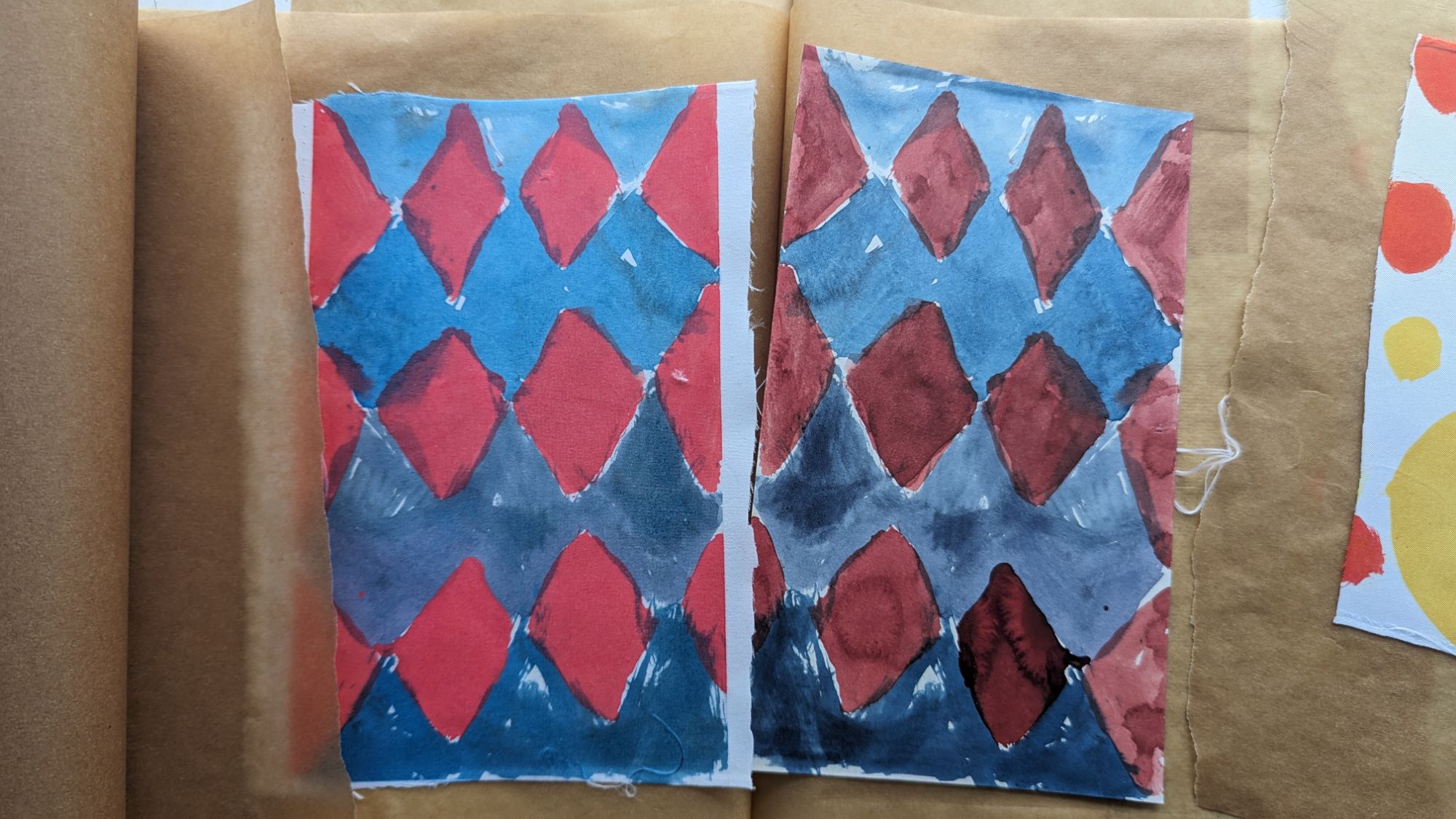
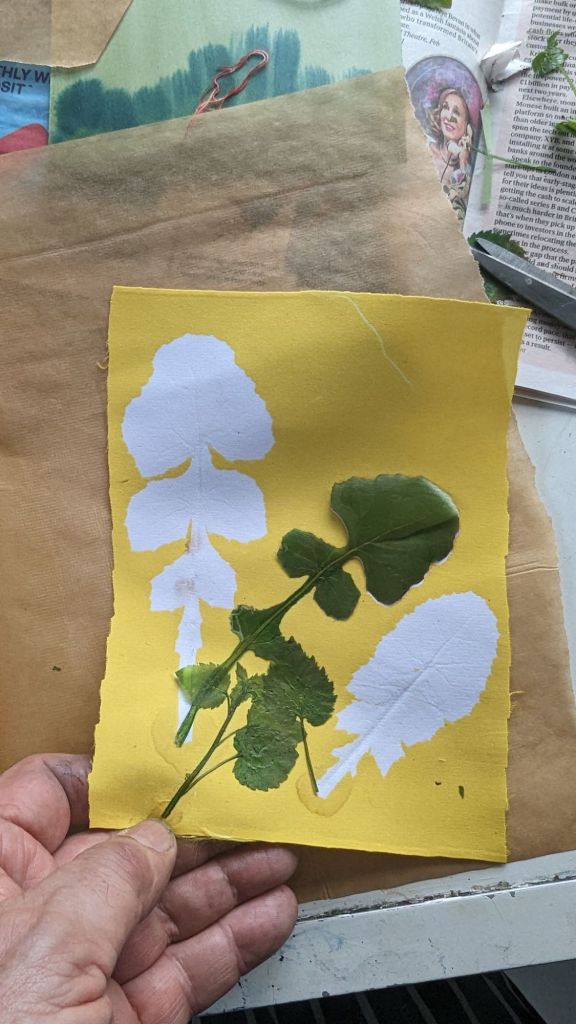
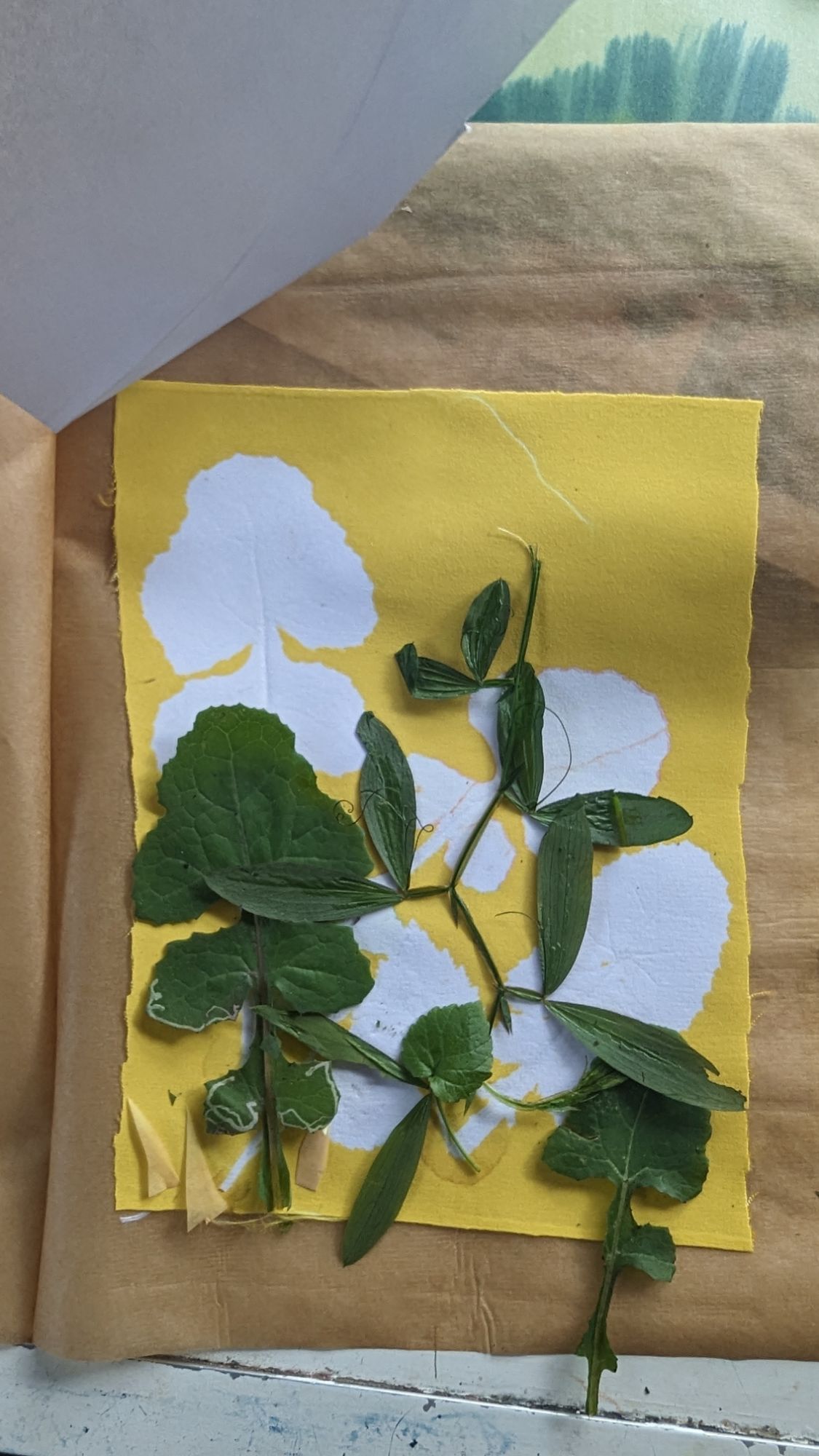
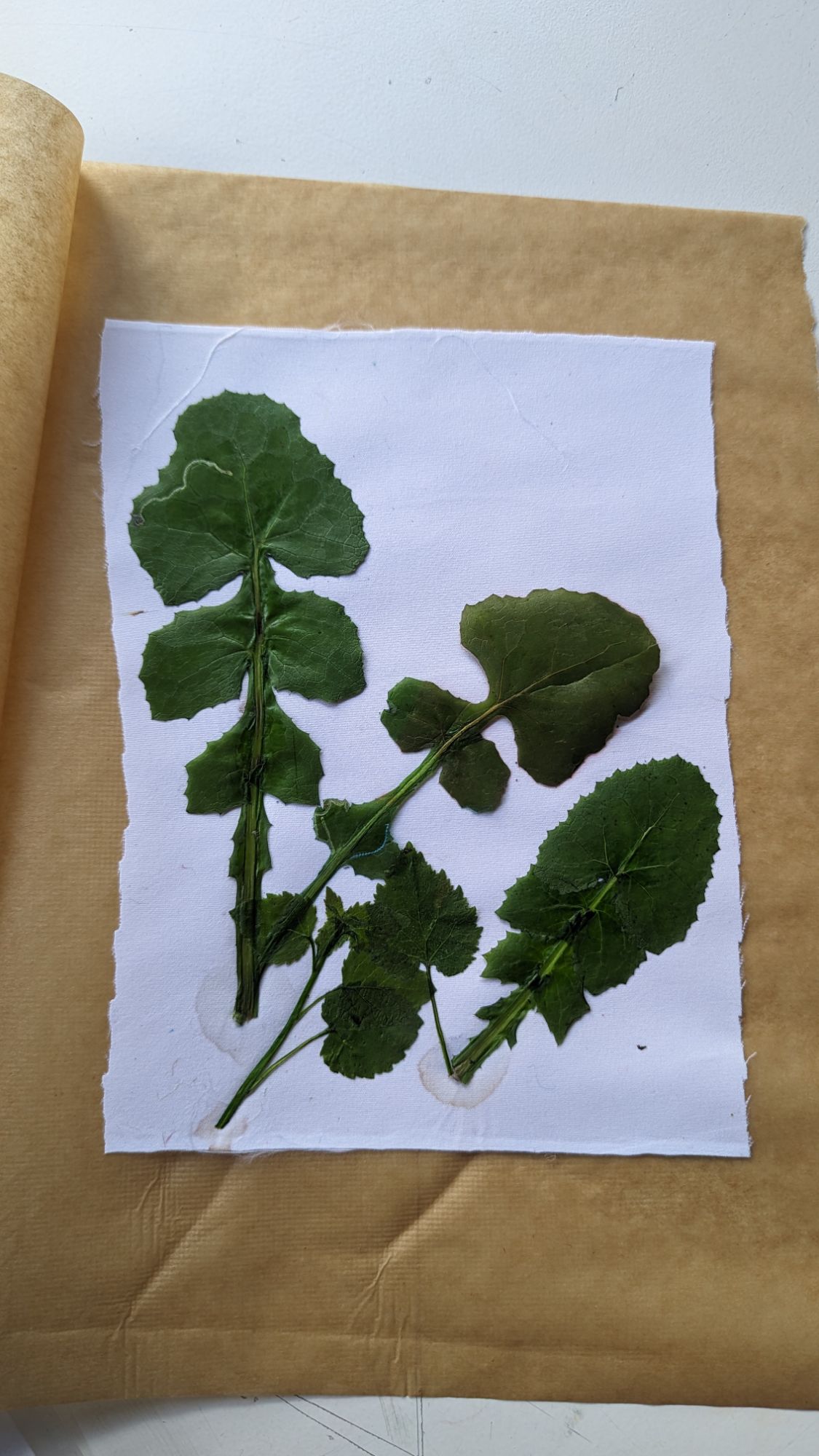
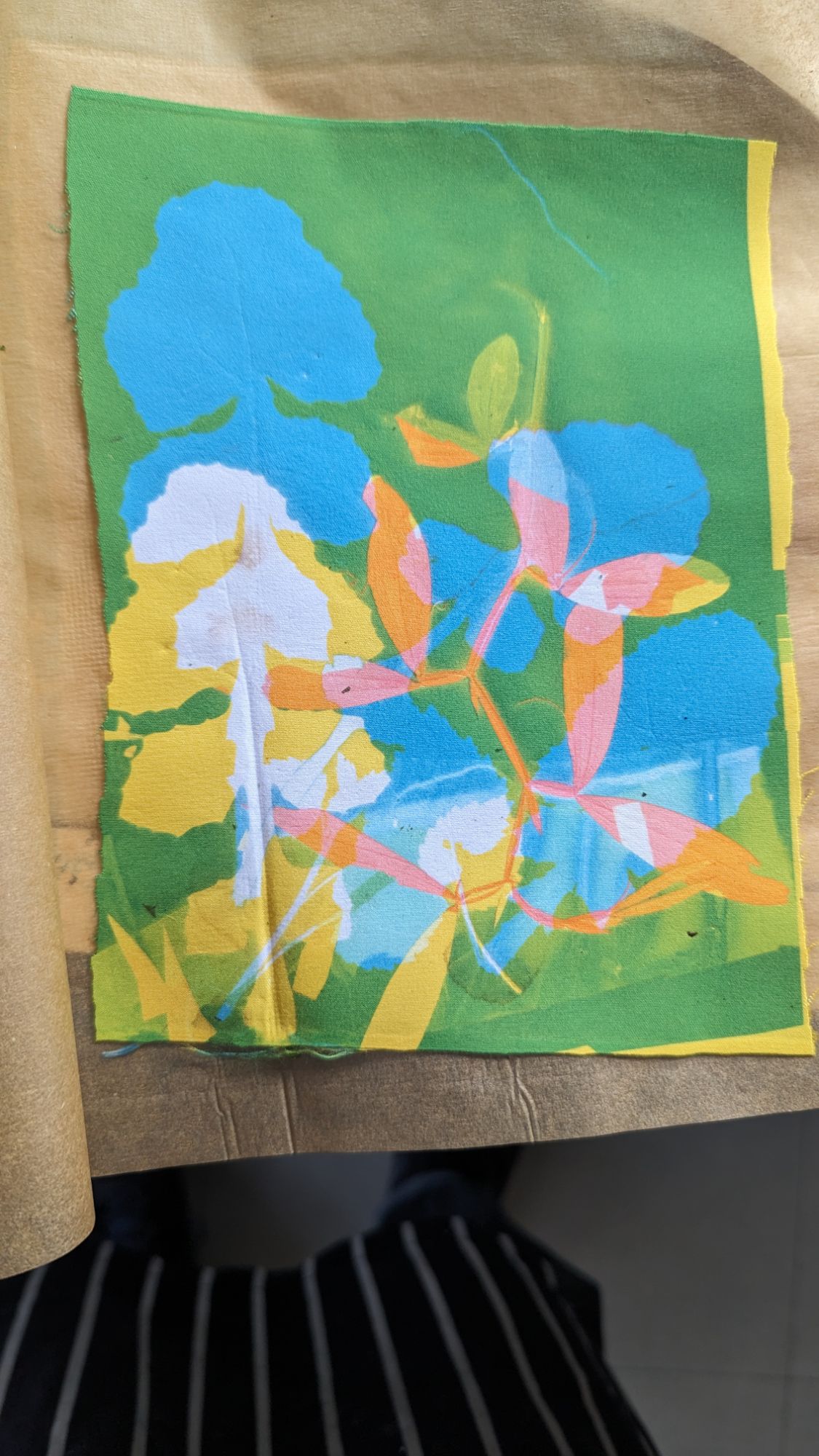
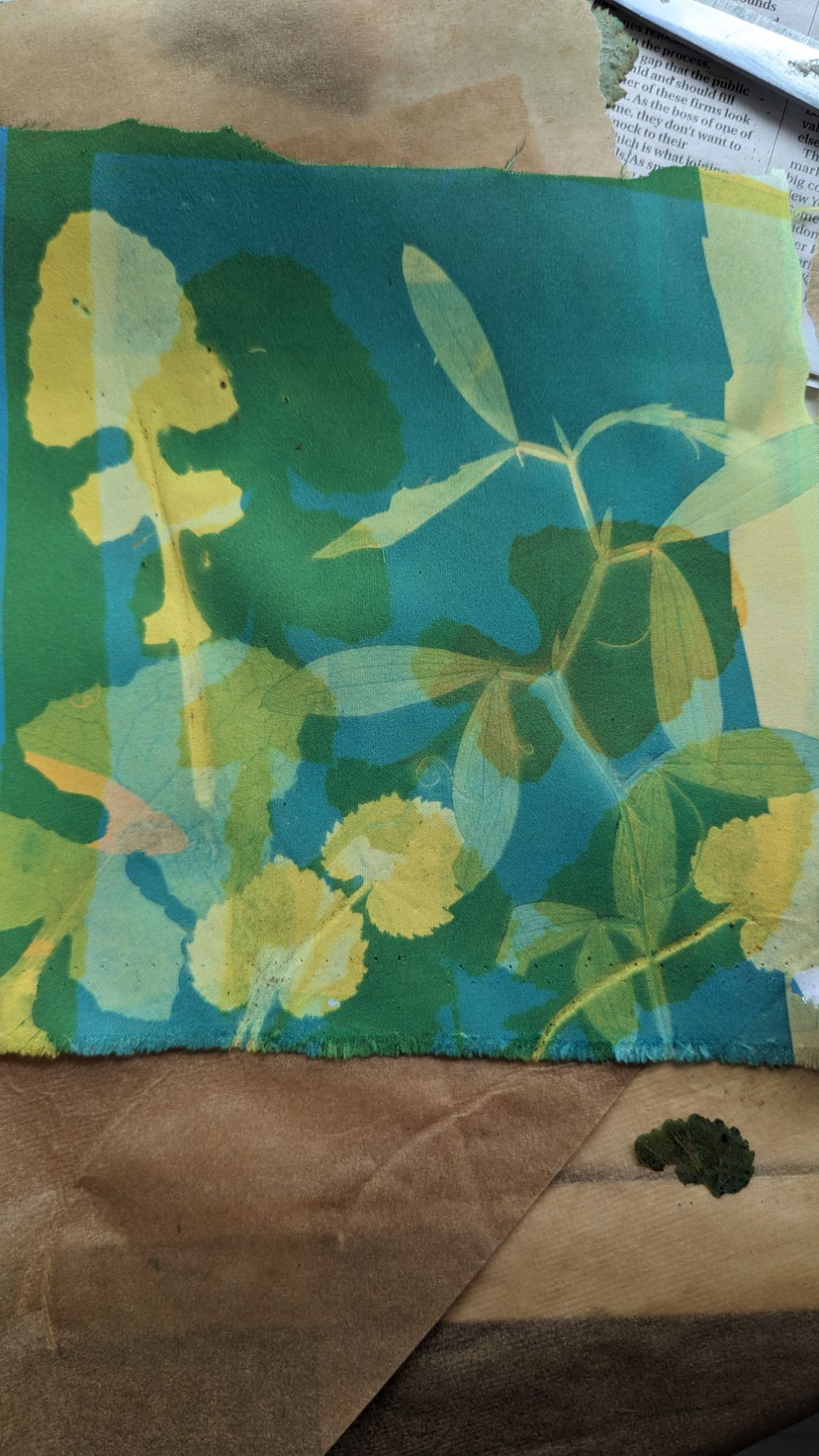
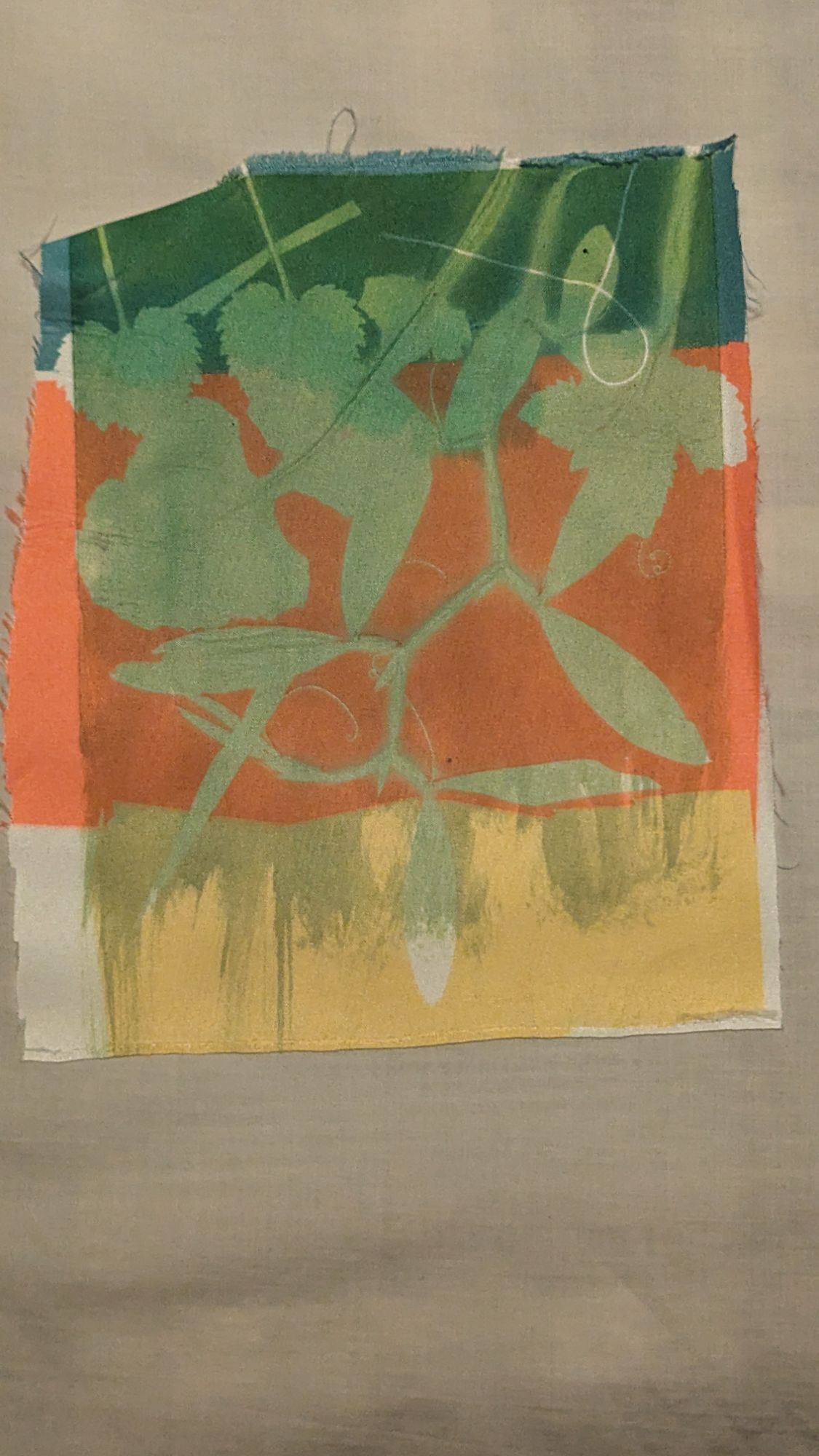
The day was stimulating, not only in the new skills we learnt, but is a series of interesting and provocative discussions about the blurred lines between art, craft and production, a place where the use of textiles easily finds itself
R V Kitaj 1932-2007 an American artist born in Ohio , his Eastern Europe Jewish roots became a vital identifier in later life.
A superb draftsman, he studied drawing in Vienna, New York, Oxford . His tutors claimed direct teaching credentials from Degas, Cezanne, Ingres, Poussin. In the early 60’s Kitaj studied at the RCA, a contemporary of Hockney , they maintained a life time friendship and working relationship. Until 97, Kitaj worked in Britain, considered with Hockney, Blake, Pazolli the vanguard British Pop Art, a title he rejected, calling them New British Art. He was a polymath and an energetic art theorist, exploring identity,
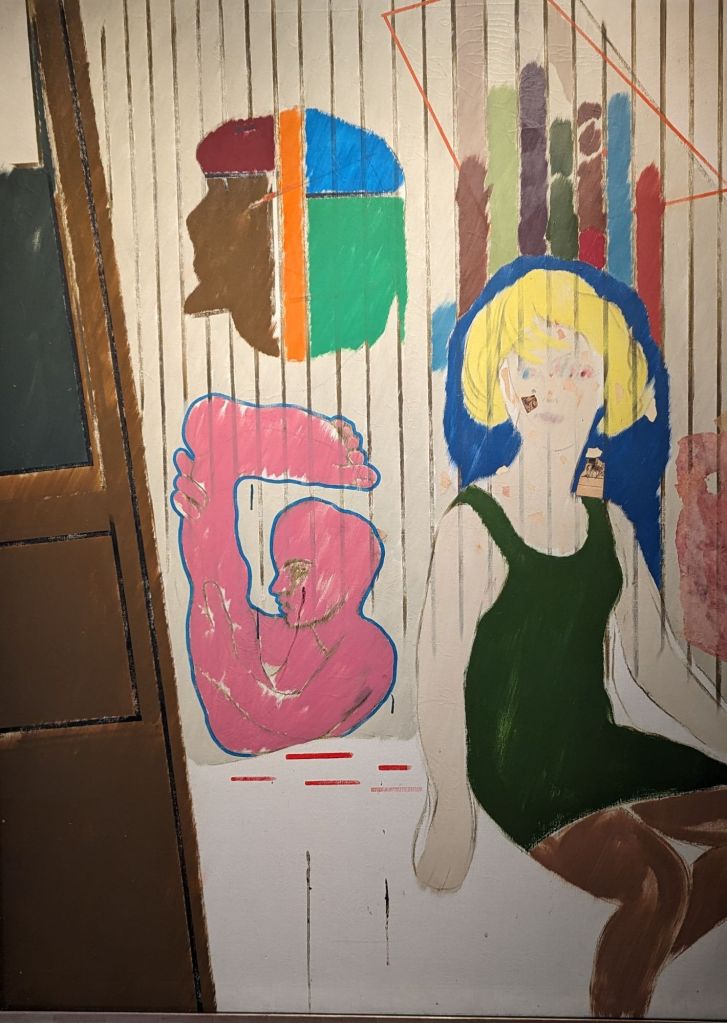
Welcome every dread delight, 1962, showing influnces of collage screen printing, thin underpainting and astonishing colours.
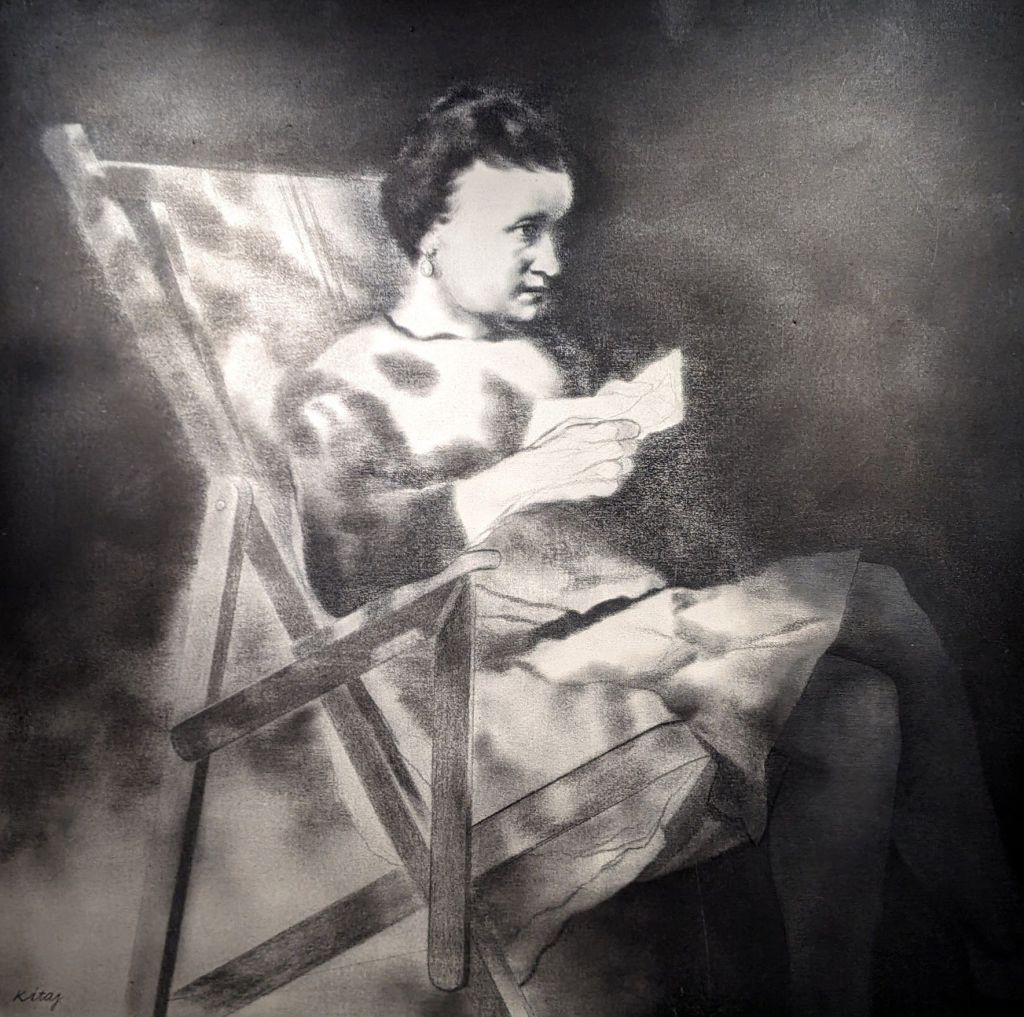
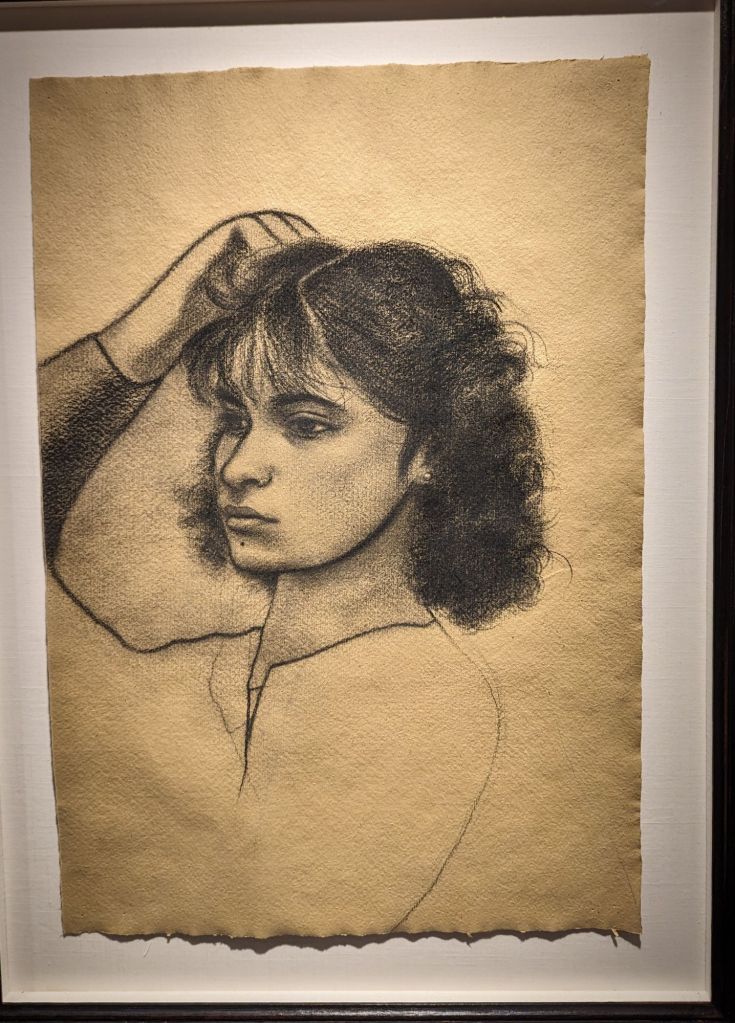
an accomplished portraitist, here one of the many charcoal drawings of his daughter and mother, Kitaj worked and reworked his drawings, aided by an extraordinary paper card he discovered with Hockney ‘porridge paper’
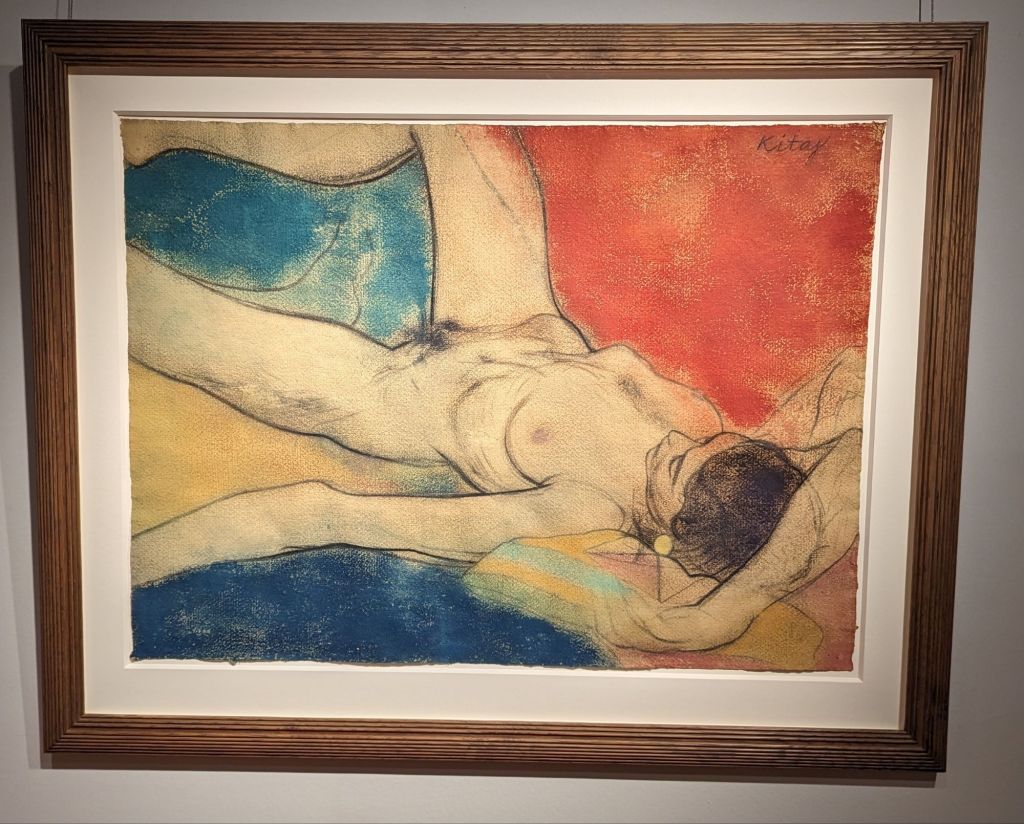
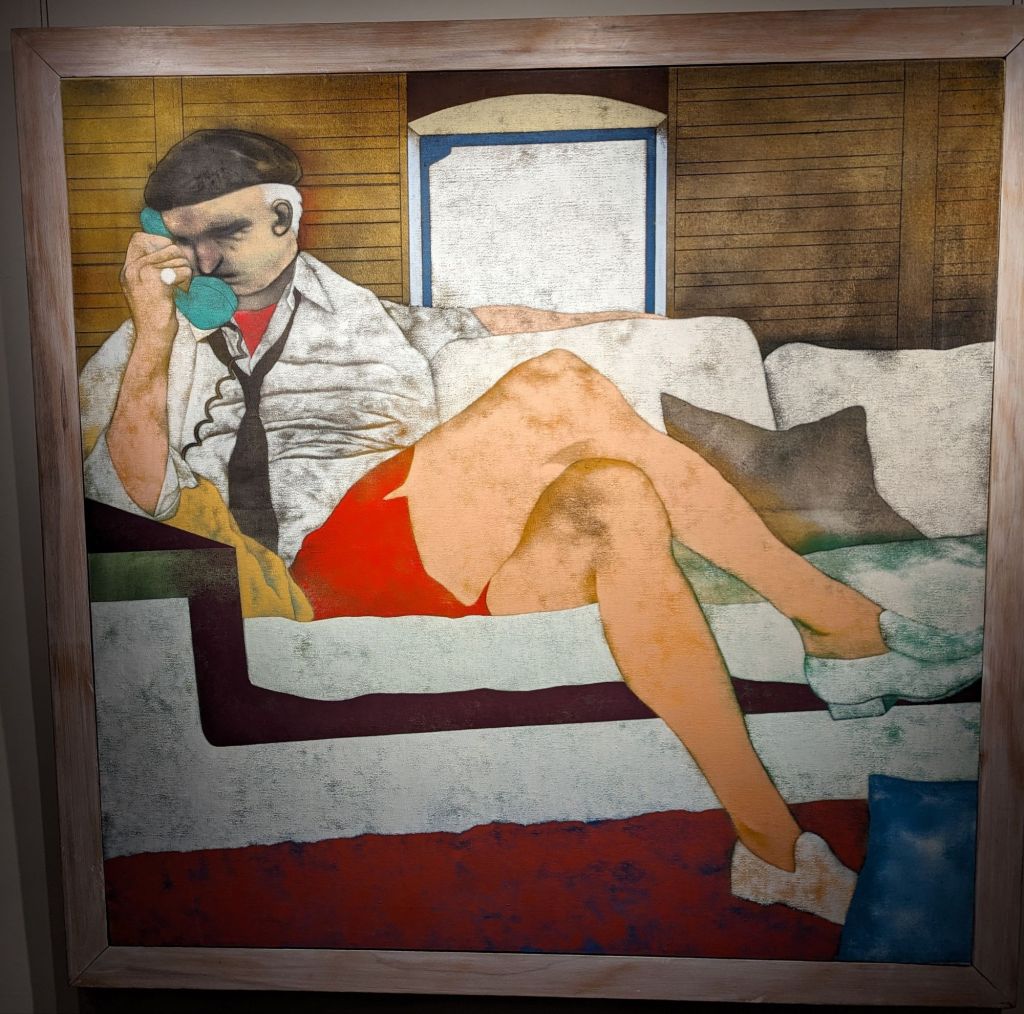
nude and secret jew, Kitaj as the perfect draughtsman, using layers of thin paint.
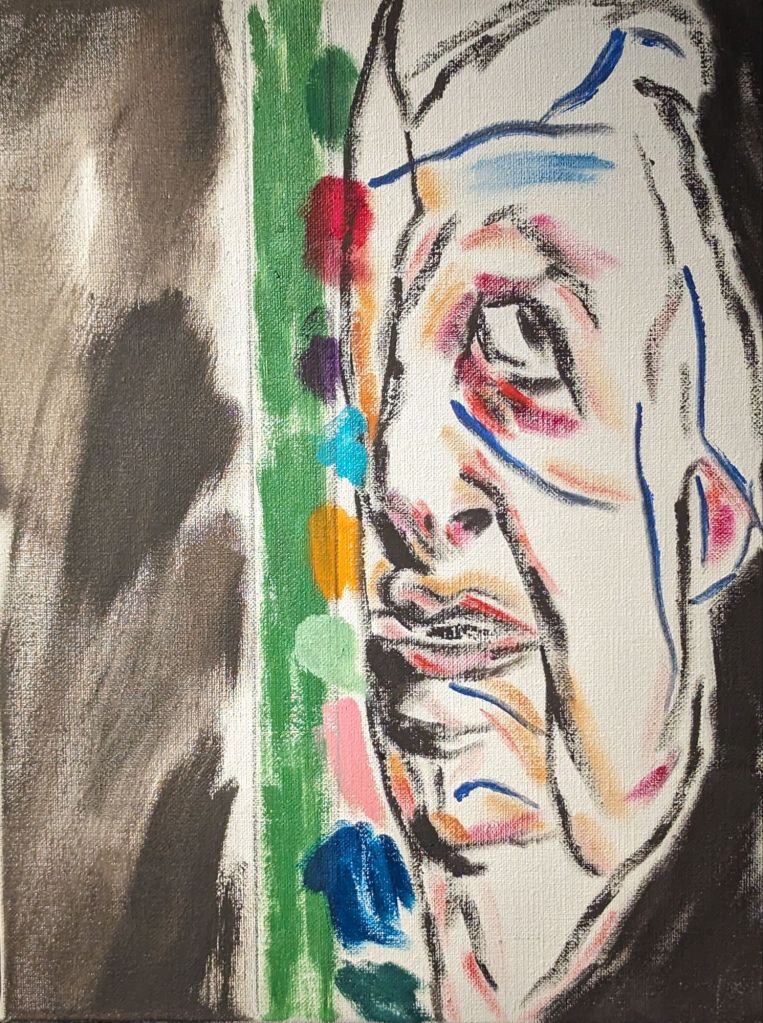
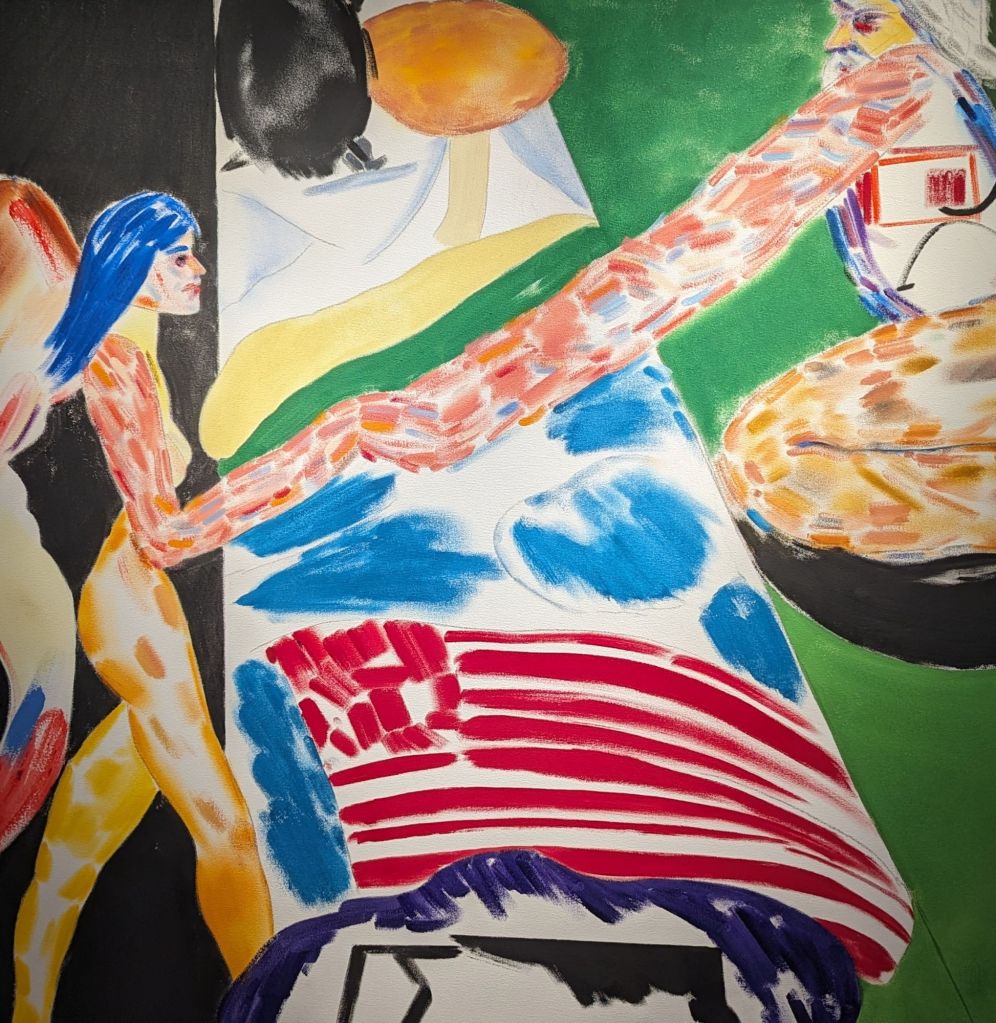
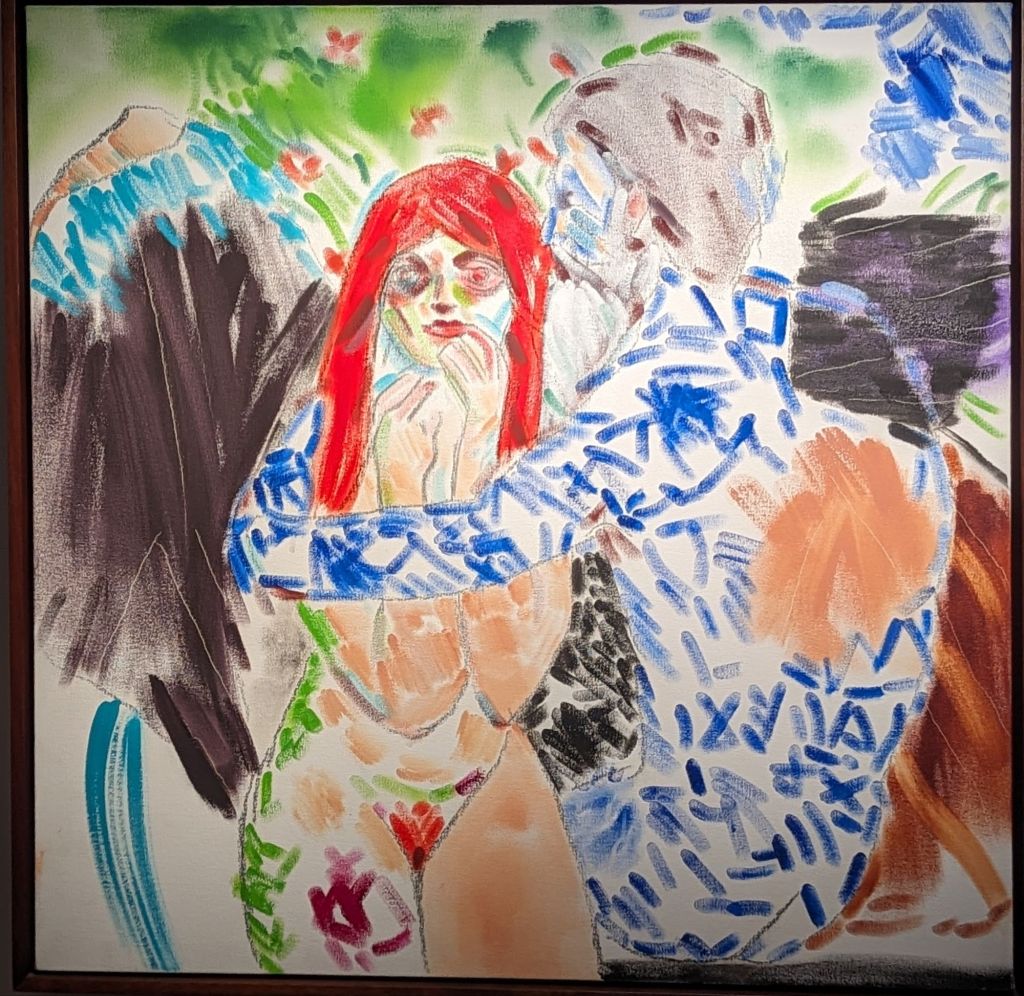
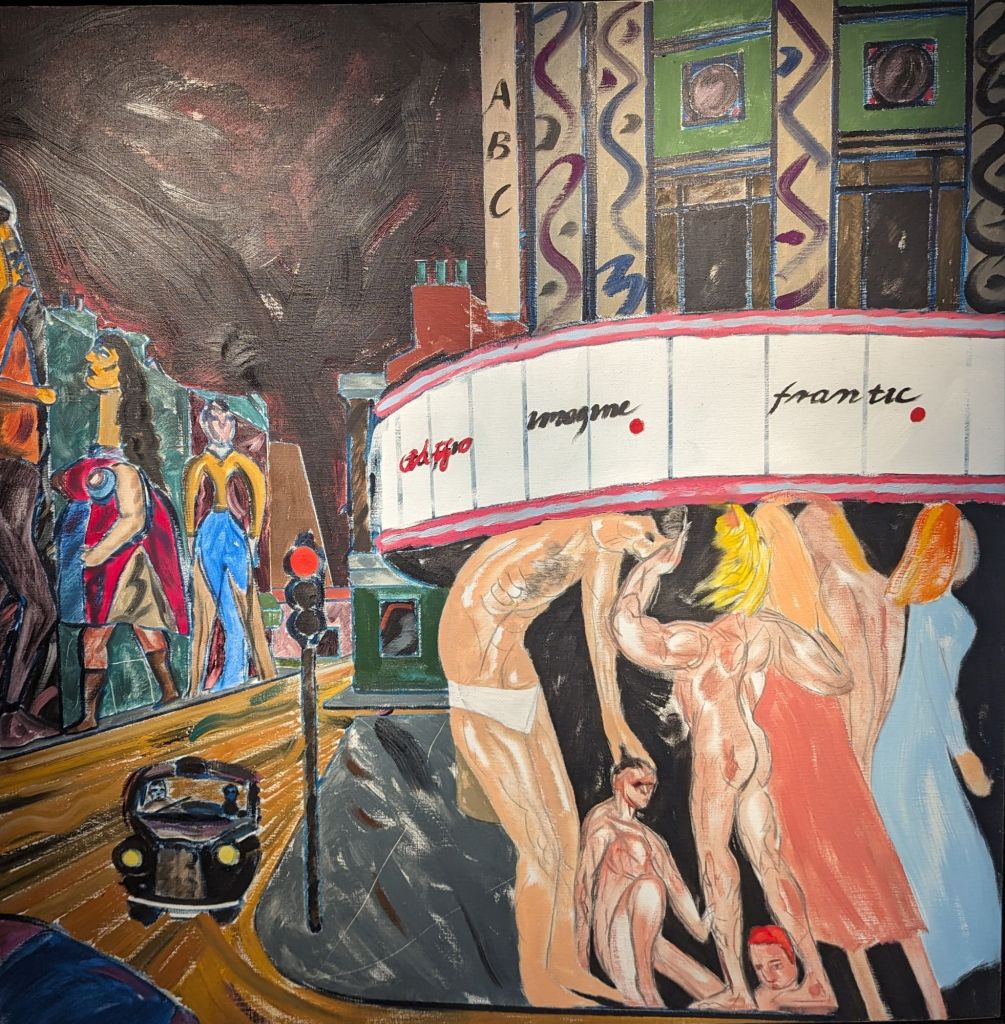
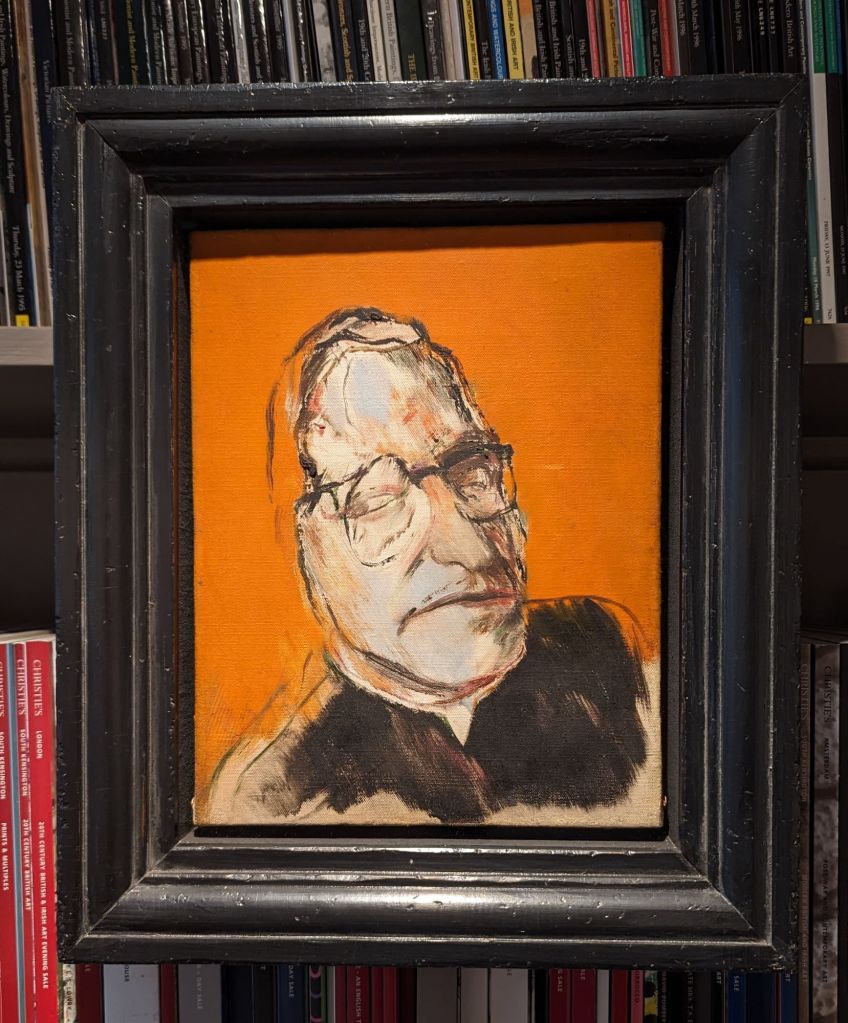
in the 1990’s following a heavily criticised retrosepctive at the Tate, and the death of his second wife, Kitaj , deeply depressed, left the UK for California. His later expressive paintings and portraits show a freedom from his classical constraints. He died in 2007
 Nicholas Turner Morley Art Foundation