
A short film with the soundtrack I made
film
J.U.M.P….C.U.T.S. + MAN@WORK MONTAGE
We studied jump cuts, a film editing technique to generally used to narrate or indicate the change in time or appearance. The frame remains unchanged, , without transitions( dissolves, wipes) a series of cut images are edited in a sequence. We considered a variety of examples from British and Hollywood films. we each successfully made a series of six short films. I made a how to make a marmite sandwich
For the rest of the lesson we prepared, story boarded , filmed, edited, and uploaded to YouTube individual films on the theme pf transition. I made a three minute montage of my preparing and printing a drypoint .
“The Change” & a boring montage
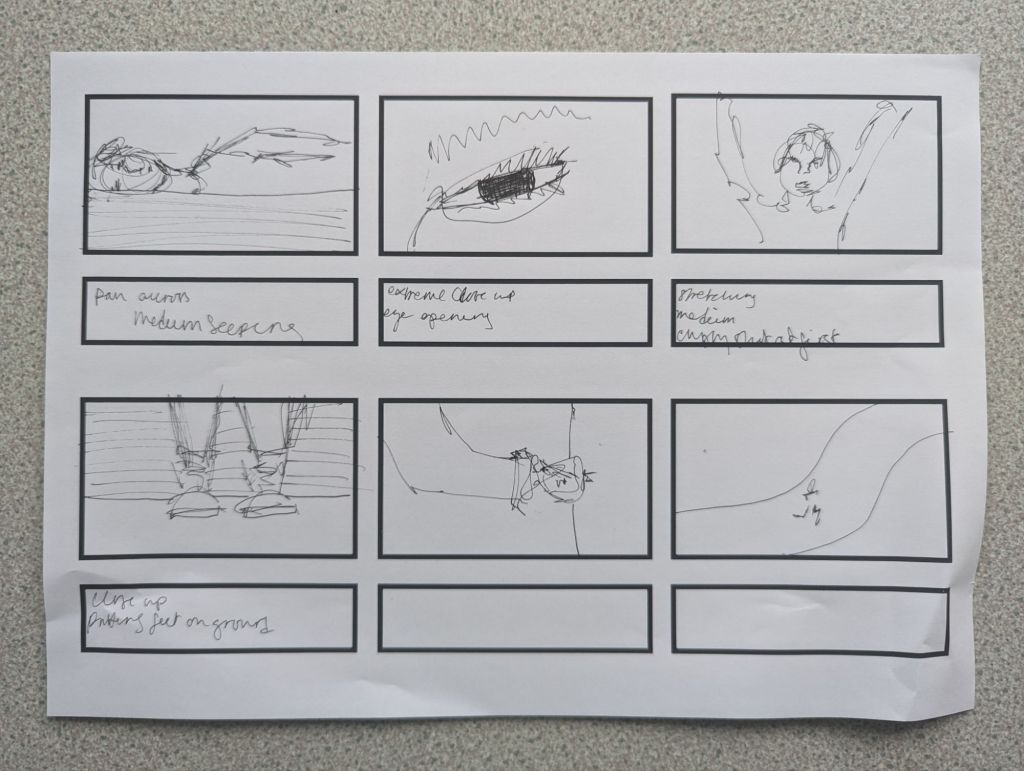
In class we studied cinema terms and the variety of use of images, from extreme close ups to wide or establishing shots. We were tasked to storyboard ,film,and edit a six shot film using a variety of shots.
We then discussed montage edits where a series of images indicate the passing of time or a sequence of events. I filmed a dull series of shots in the library and edited a 30 second twelve shot sequence. The boring film was enlivened by an upbeat ska sound track.
The most interesting discovery was how music has a powerful voice influence on the film. Up beat or sad,mysterious or scary. The Blue Ska soundtrack made searching for a library book almost fun
Incompetech.com was a very useful source of royalty free music.
Match cut transition
Match cut transition is an editing technique for using two similar themes,shape,colour, ideas, to connect two different scenes. This film was a journey to Morley
Filming a rainbow
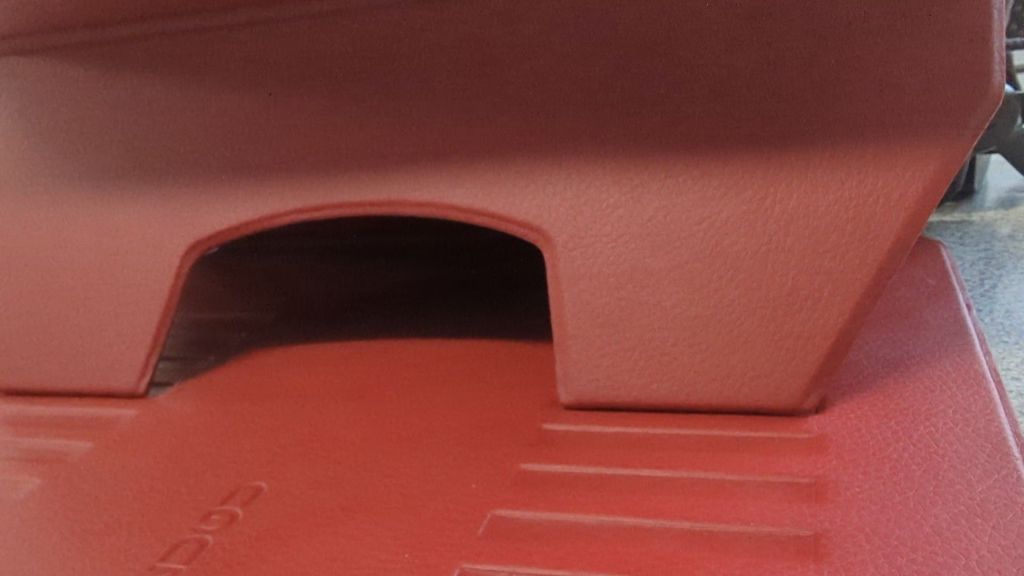
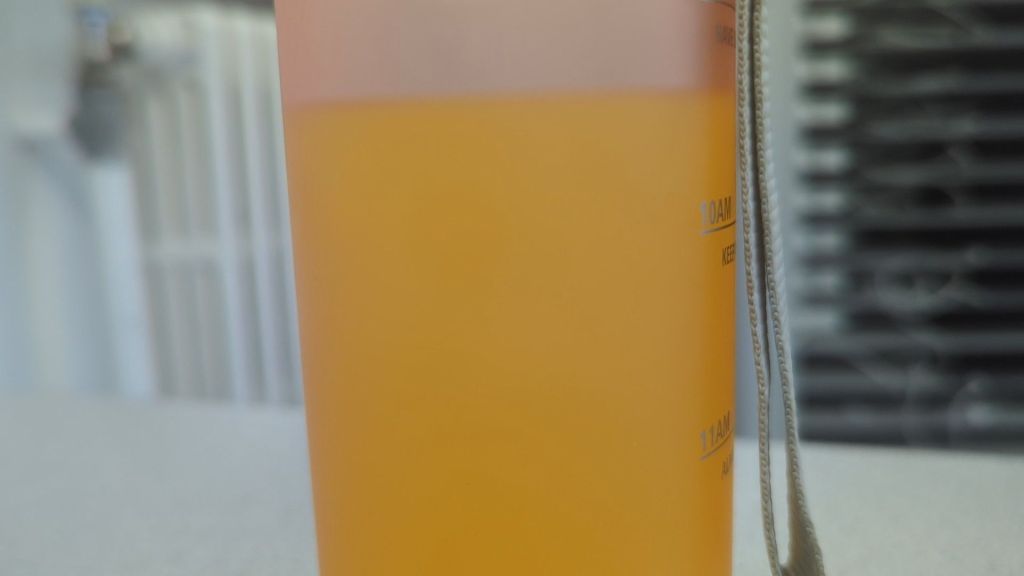
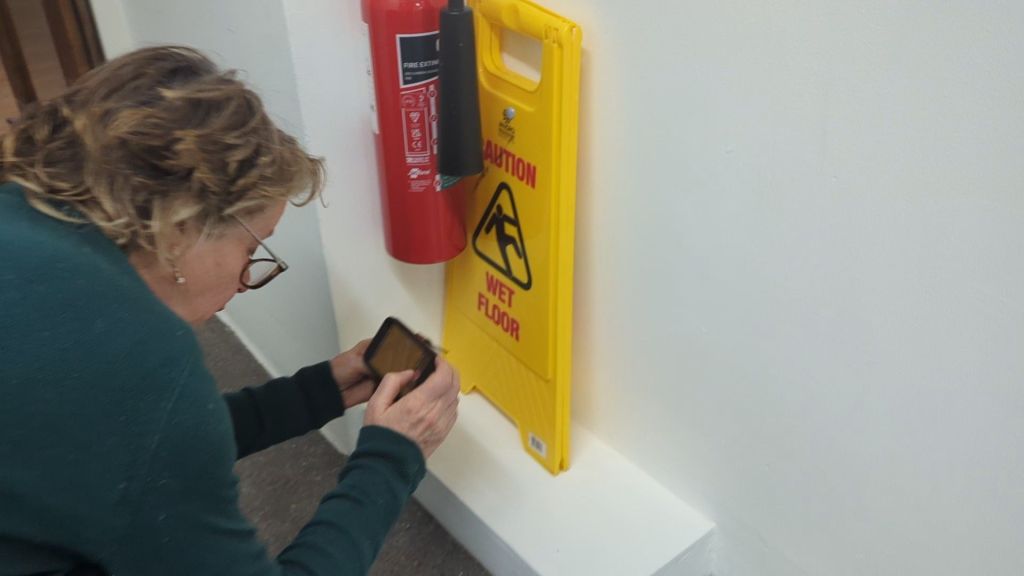

an excellent introduction to the fundamentals of film making, selecting of images, type of framing, close up, extrme close ups , wide shots, and how to use framing and camera movement to create effects, and using edit images together to make film, narrative or abstract.
I worked as current affairs cameraman for forty years. I was a journeyman cameraman, filming everything plainly in a ‘news format’ For most of my career, the intracties of camerwork were ignored, the physical limations of 16mm film and the electronic news gathering cameras that replaced it, made most image with a extreme depth of field. I used camera movements and the occasional zoom to make an editorial point, and my work always took into account the requirements of the editor. When there was time, I would provide a variety of frames, close ups, wide shots, a variety of angles of the action.
It was a good day, everyone learnt the essential basics, and everyone produced imaginative short films.
The incredible filmmaking features now available in contemporary ‘smart phones’ are incredible. Work that would take teams of camera crews, processing laboratories, negative cutters, film editors, projectionists, satellite and broadcast engineers, have all been replaced with sift and hardware to enable even the most inexperienced to produce and share professional looking images and sequences.
We were tasked to film ourselves, using the lighting techniques we learnt in class, an excellent exercise, it was very difficult to avoid filming in portrait mode, holding a phone in landscape is difficult and it is very easy to obscure the lens with a finger.
In class Sheena introduced us to phone diting programmes. As an Android user I downloaded VN edit, a free and easy to use program. We were all able to edit short sequences in fifteen minutes. I was fustrated trying to make a very fine edit, but on laptops the edit programs bundeled, iMovie or Movie Maker are more sophisticated, but the ability to edit on a phone in the field is very useful.
It was an excellent day of learning and I look forward to more adventures in the digital world
Doors: Christian Marclay
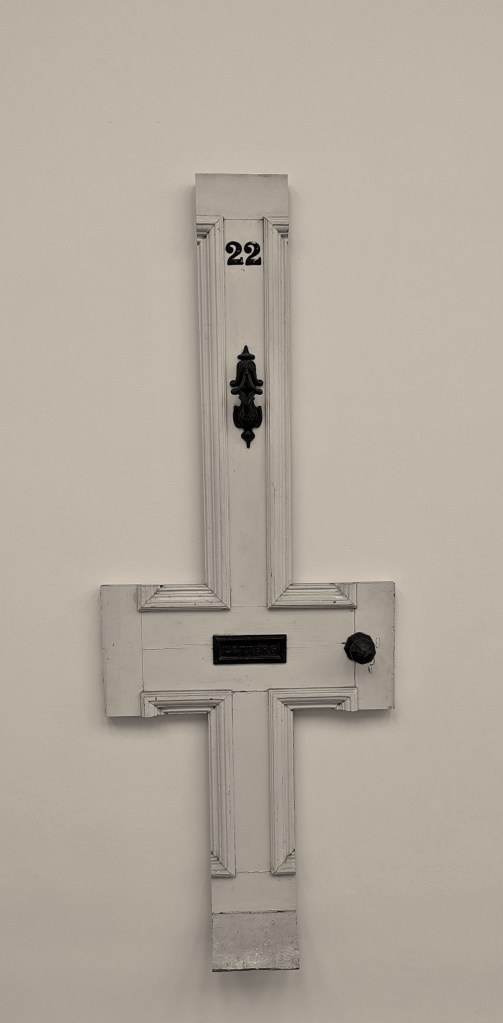
At the white cube with fellow students, I have a No22 door in Brixton, thus I especially liked this piece which is a companion to the film ‘doors’ a wonderfully crafted edit of doors, entrances and exits from french british and hollywood films.
I loved the pace of the film , going through doors finding the expected/ unexpected/ unwanted/scary/ nothing.
the star of the edit is the sound, perfectly cut to create tension. I loved all the fragments, playing at identifying actors, styles, films, and so wanting to know what they all discovered on the other side of the door
I also had a lot to think about the market in non fungible art, ‘Doors’ must be a formidable expensive piece to make, I cant believe the sale of books and the few chopped up doors shown upstairs in the White Gallery covers the cost of the film.
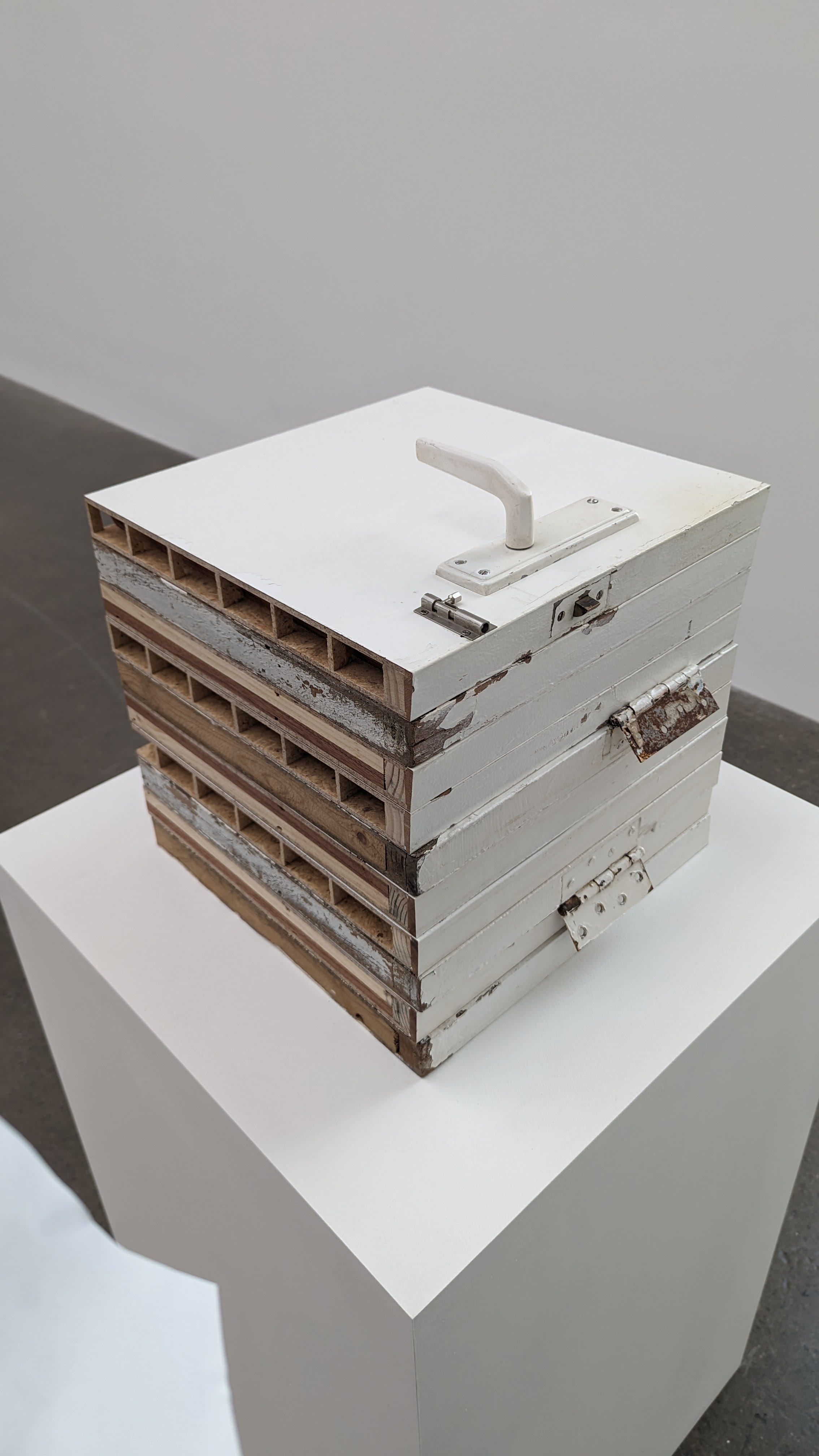
i didnt think about identity at all in the White Cube
 Nicholas Turner Morley Art Foundation