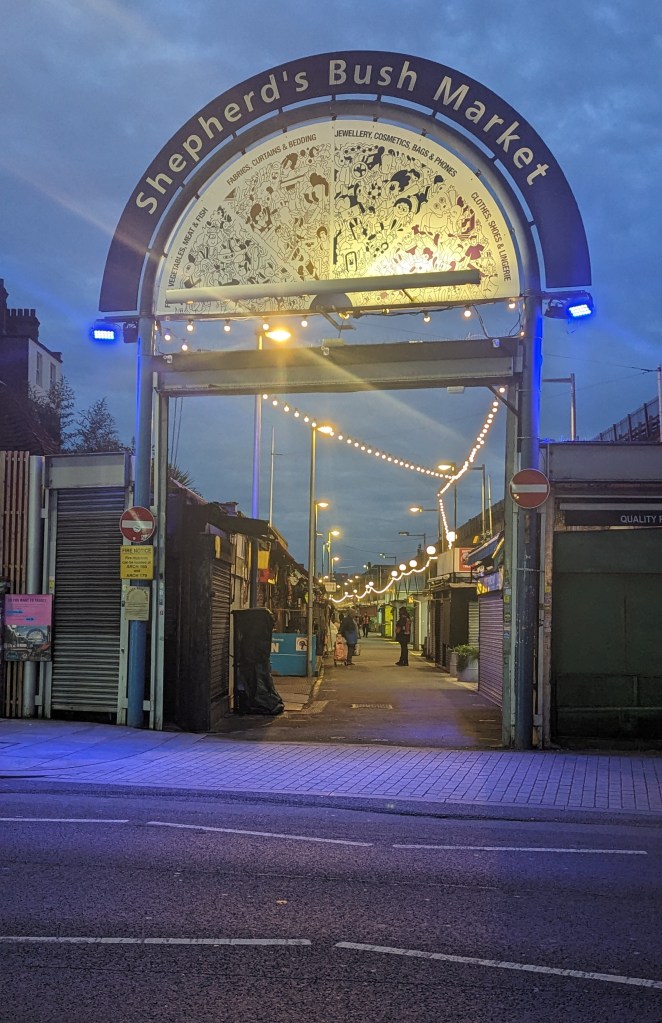
Unit 4 proposal Shepherds Bush Market

Review

In Unit 1 & 2 we explored creative expression in the classical form of fine art. From a background of photography and a career as a photojournalist I explored ways of expressing my curiosities and passions. From dry-point prints of funerals to plaster sculptures of mourning gods, I have found ways of expressing myself.  I believe I was successful in my Unit 2 sculpture to find in art the capacity to express my frustration and despair of the images from the invasion of Gaza.  In the meantime, I explored colour and composition with acrylic paints and pastels, understanding light and colour. We were shown the possibilities in photography and digital imaging and manipulation.  They were exciting and opened many new forms of expression. However, I will continue with drawing into Unit 4, to learn and improve on my line, my composition and aid my understanding of colour, light, and tone 

Proposal

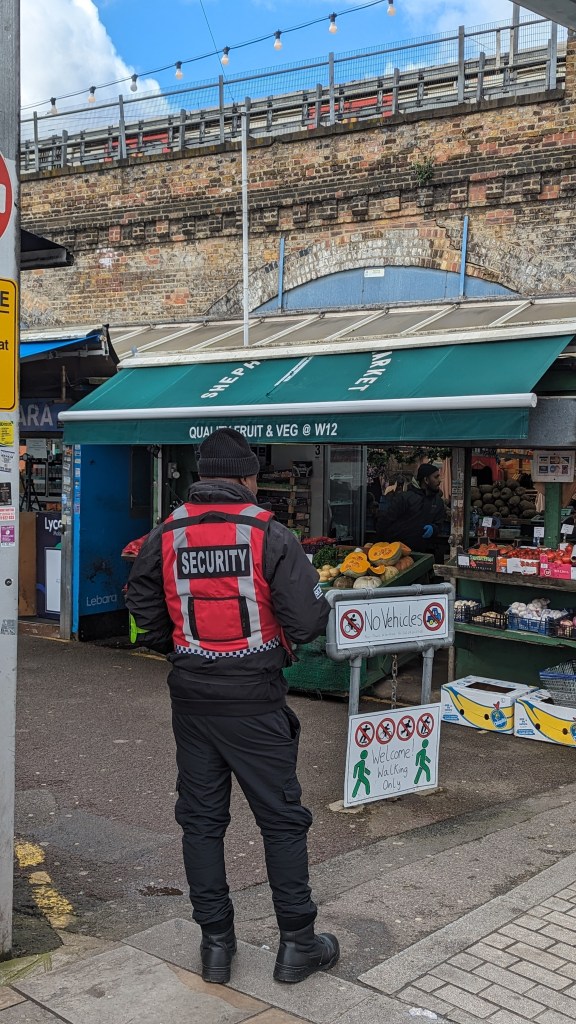
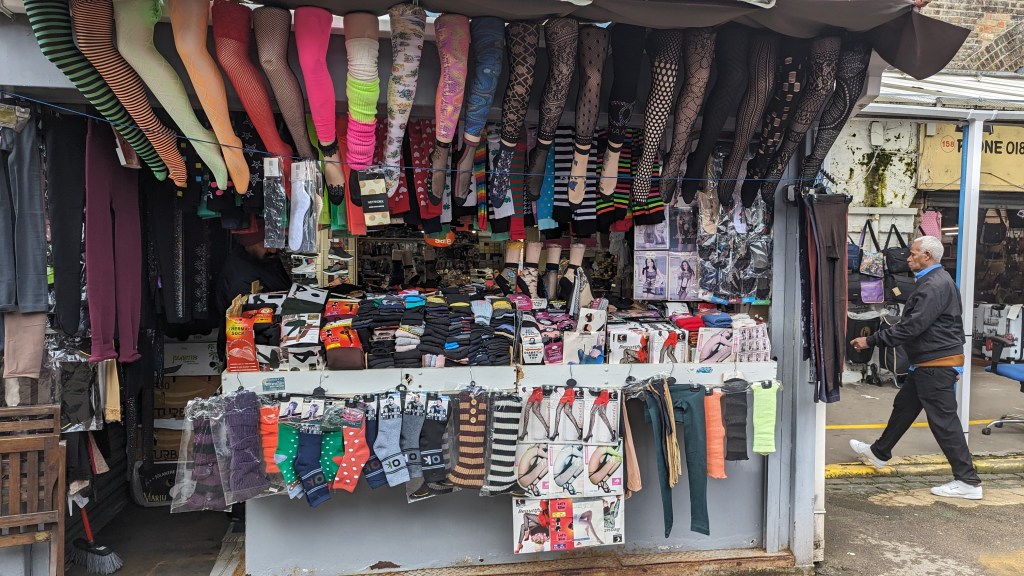
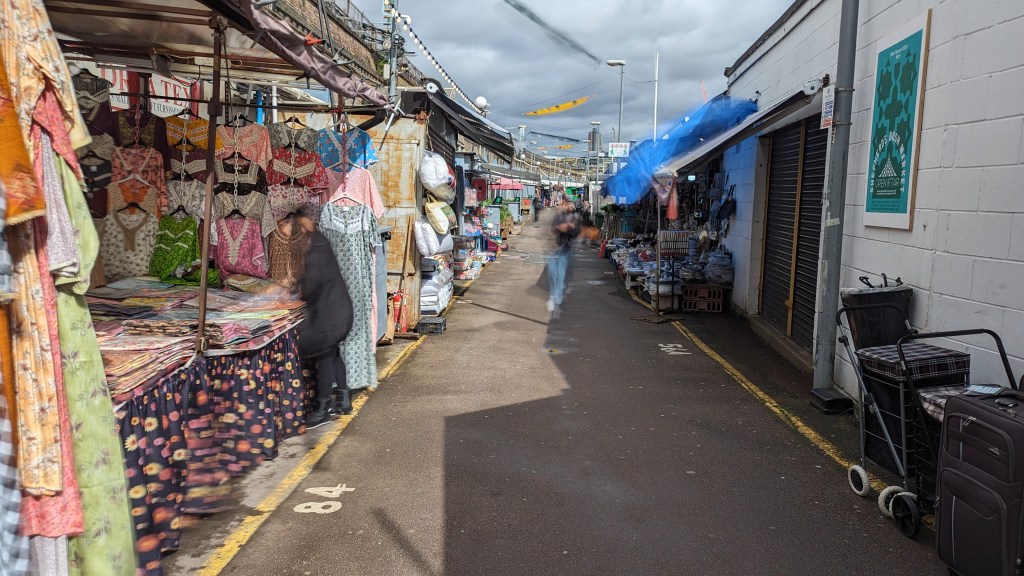
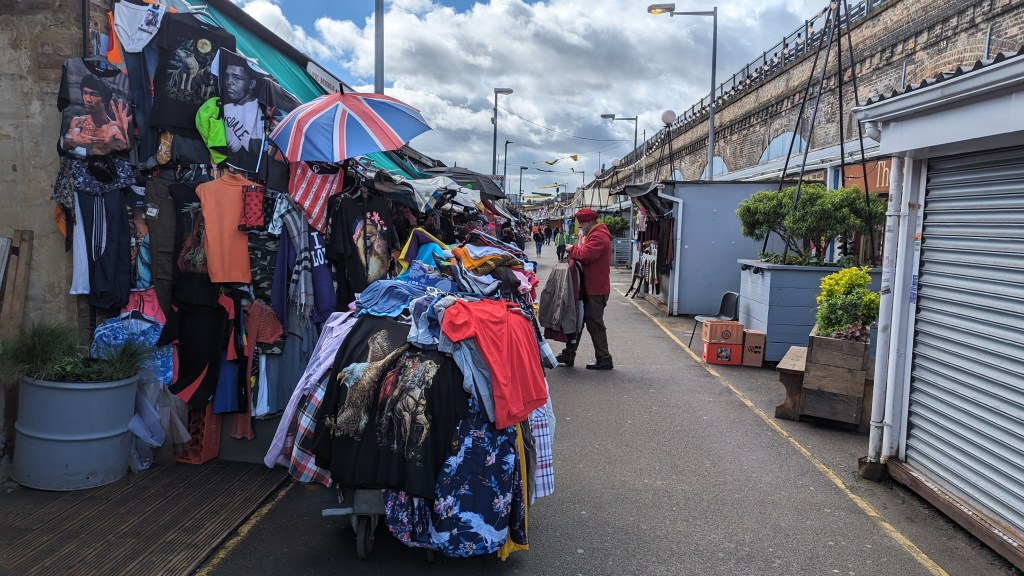
Shepherds Bush Market is a declining shopping street in West London. It is in the early stage of a radical redevelopment, the street will be rebuilt, the stalls replaced, it has the support of many of the stall holders. I   live close by. 

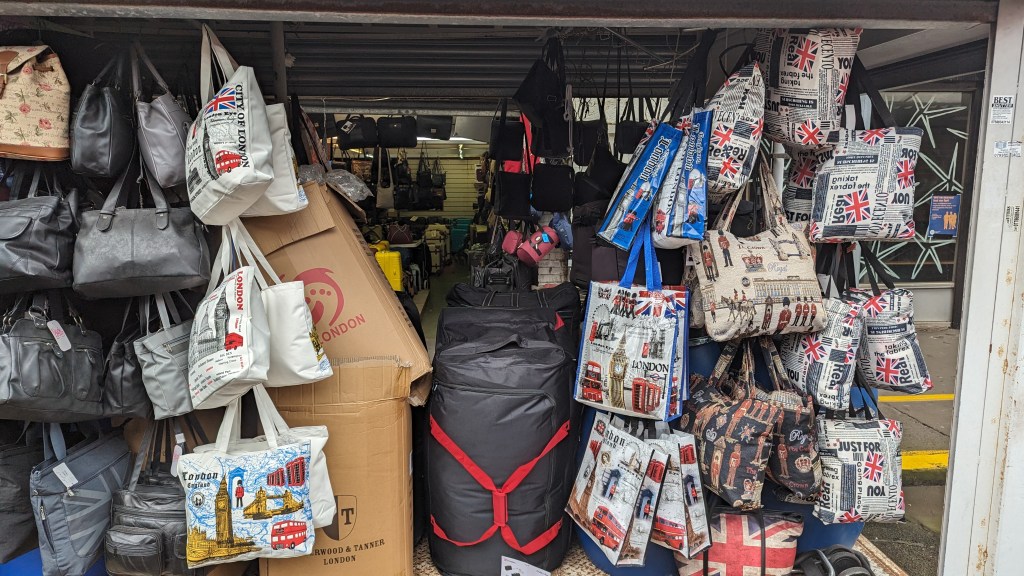
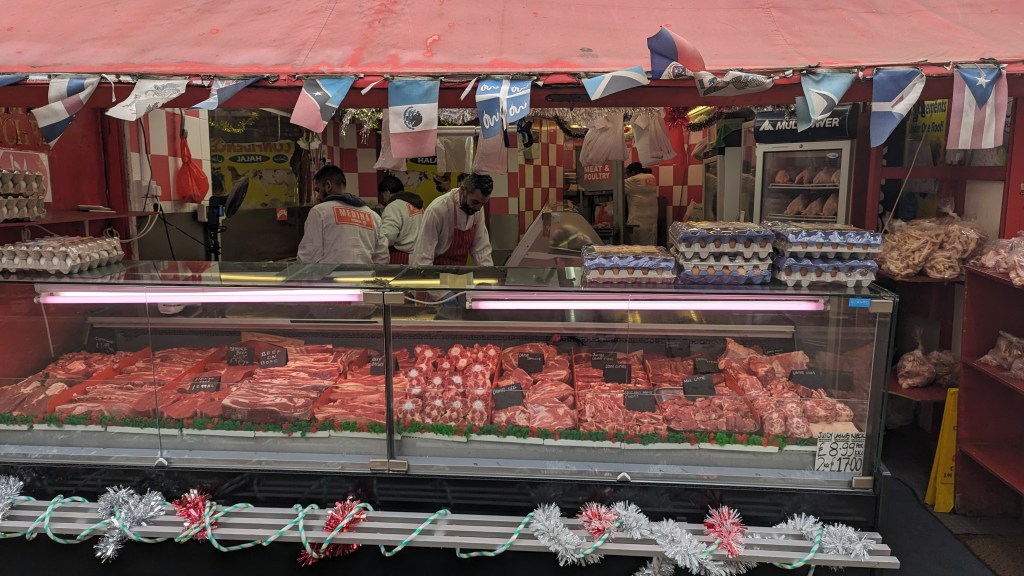
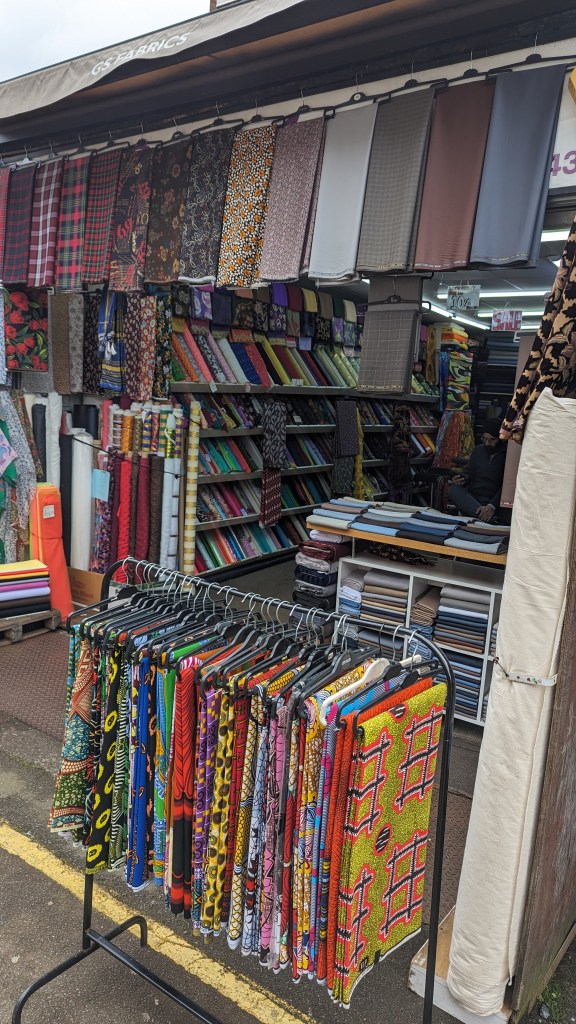
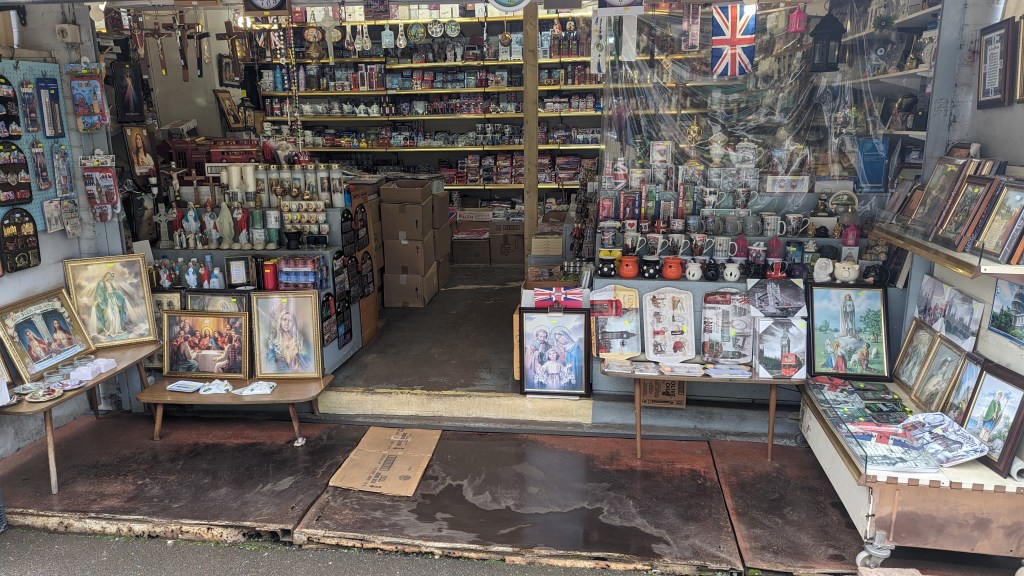
 The diverse community of stall holders and their customers interest me. I propose to spend time every week drawing and recording the market, the stall holders, their stalls, their contents,….and, I hope, their stories.  

I realise this will be an interestingly difficult task, the stall holders are a diverse group, very few white British, the majority are Sikh, with people from the Middle East, Africa, eastern and Southern Europe. It may be difficult to get their trust, and their permission, to record their lives.  

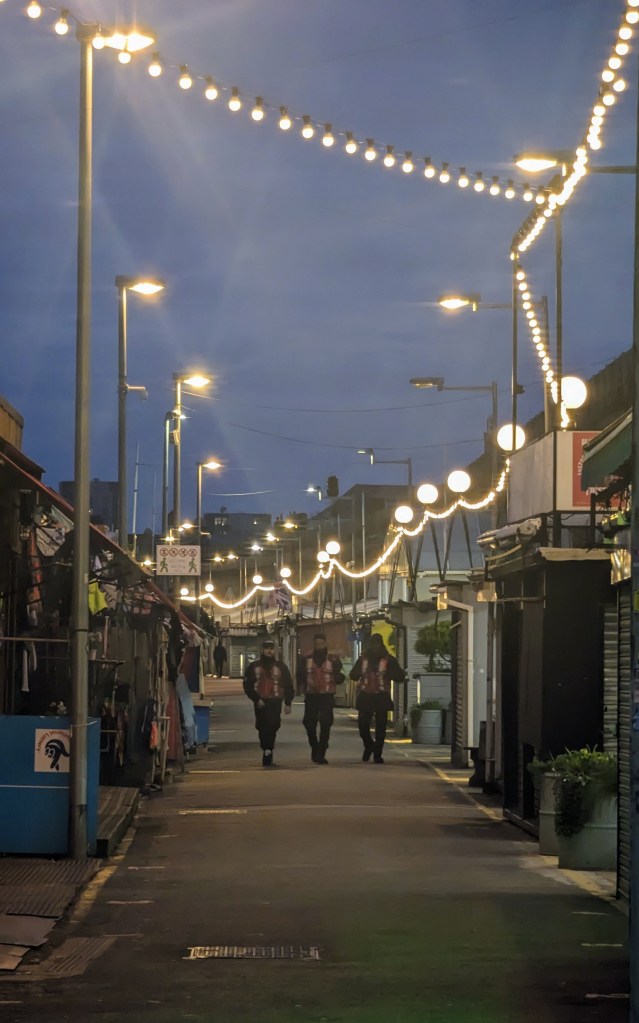
I have the permission from the Market owners and managers and will be working with them and their street security workers. 

 From my drawings and photographs I hope to produce a coherent art piece. I am unsure if it will be a traditional set of drawings and prints. Or a more complex work. 

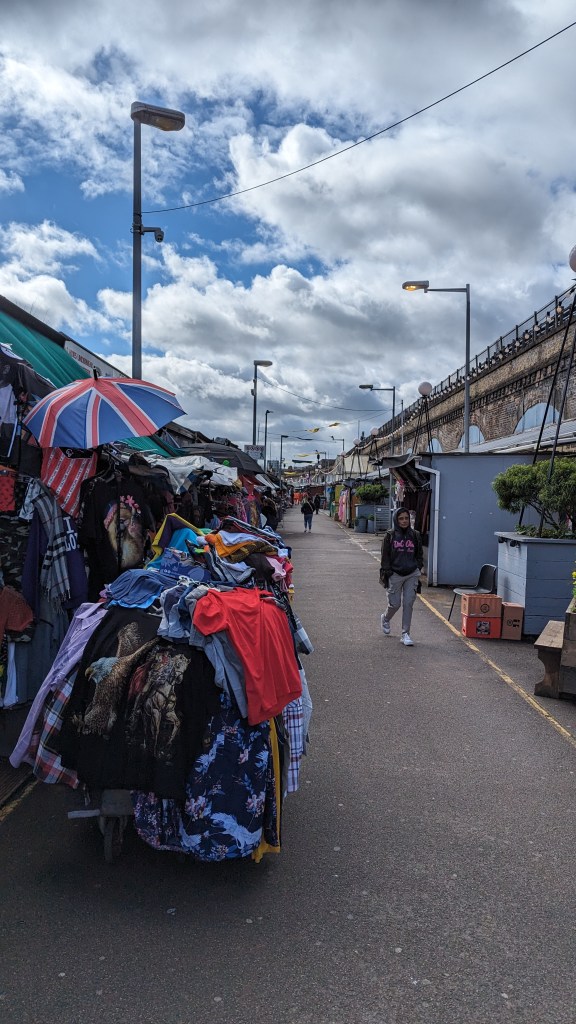
The market street is visually uninspiring, grey stalls, a tarmac path, a nondescript brick railway embankment. The people, and the kaleidoscope of watches, African clothes, fish, falafel, exotic fruits excite me. 

 I may produce nothing more than a documentary on paper in a series of sketchbooks.  

I am nervous of my ability to capture what I see and feel, I enjoy drawing but have very little confidence. Beyond anything, I hope that this exercise will help me to learn to capture and reflect life with my art 
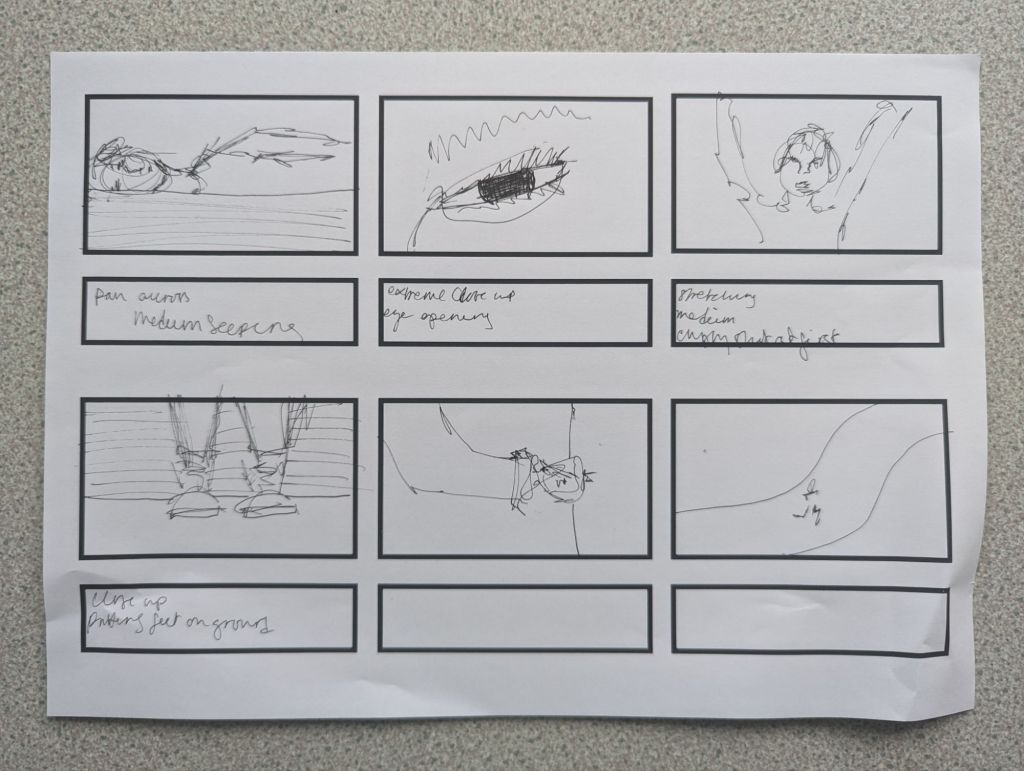
“The Change” & a boring montage

Storyboard for six shot film

In class we studied cinema terms and the variety of use of images, from extreme close ups to wide or establishing shots. We were tasked to storyboard ,film,and edit a six shot film using a variety of shots.

We then discussed montage edits where a series of images indicate the passing of time or a sequence of events. I filmed a dull series of shots in the library and edited a 30 second twelve shot sequence. The boring film was enlivened by an upbeat ska sound track.

The most interesting discovery was how music has a powerful voice influence on the film. Up beat or sad,mysterious or scary. The Blue Ska soundtrack made searching for a library book almost fun

Incompetech.com was a very useful source of royalty free music.

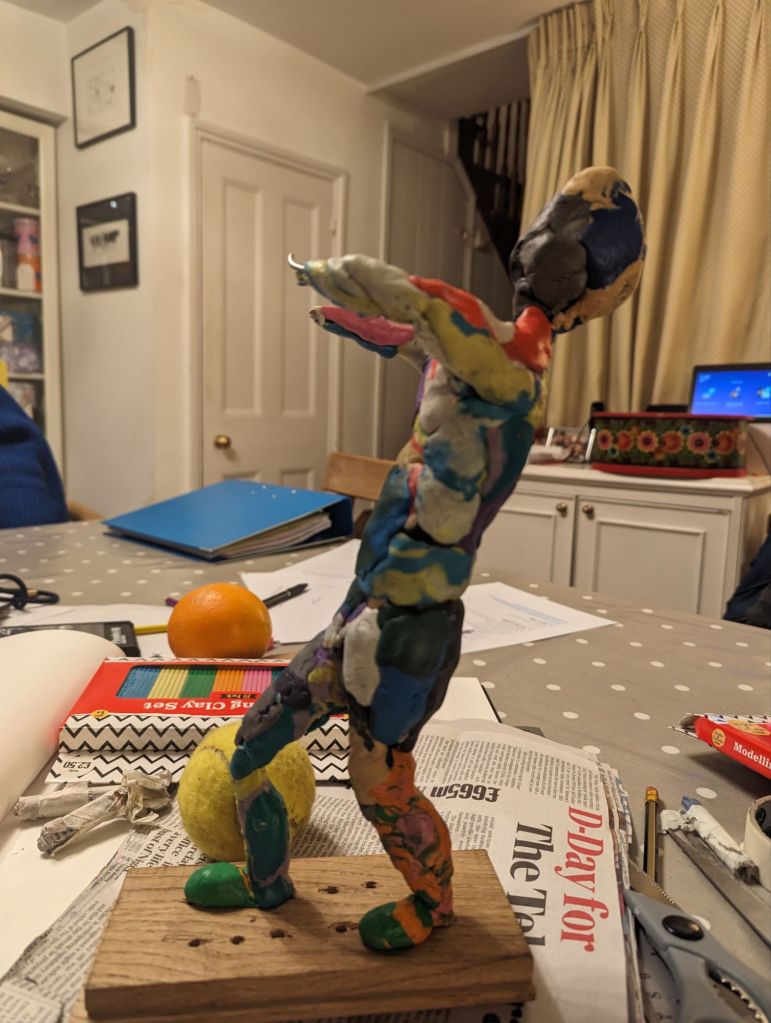
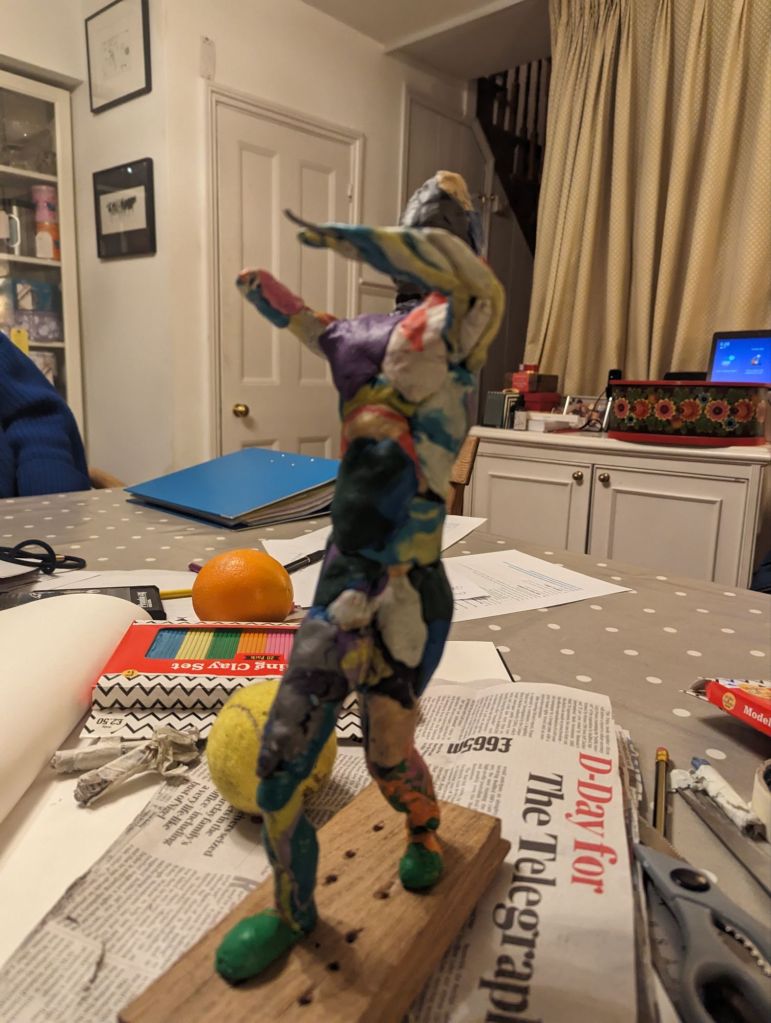
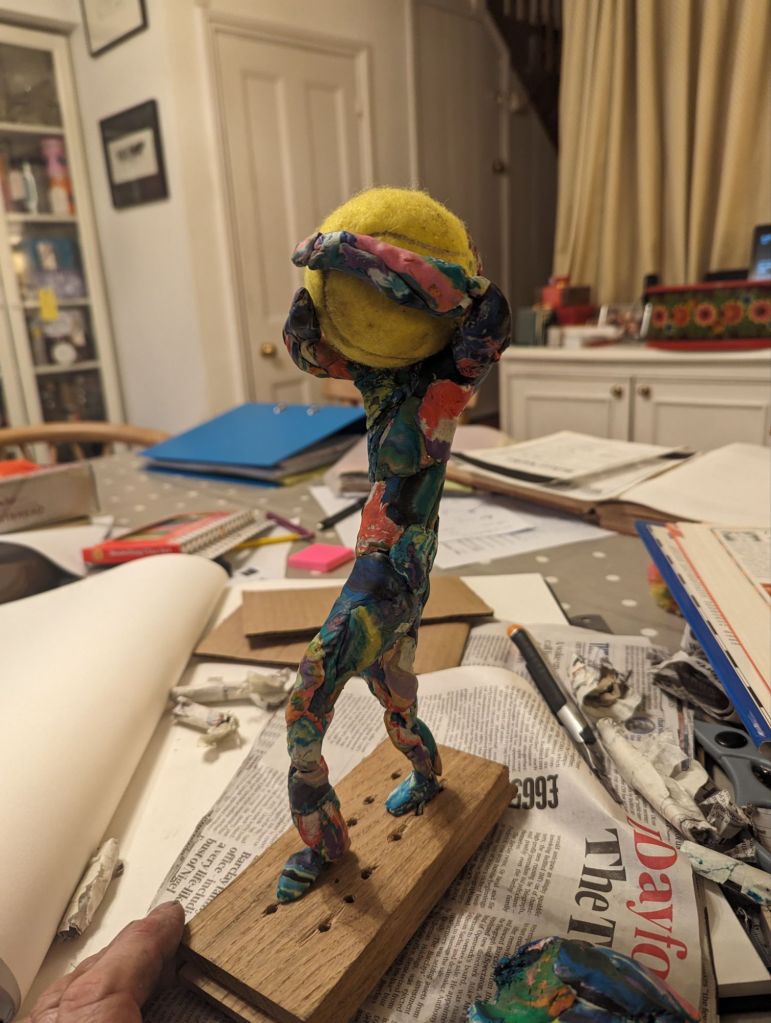
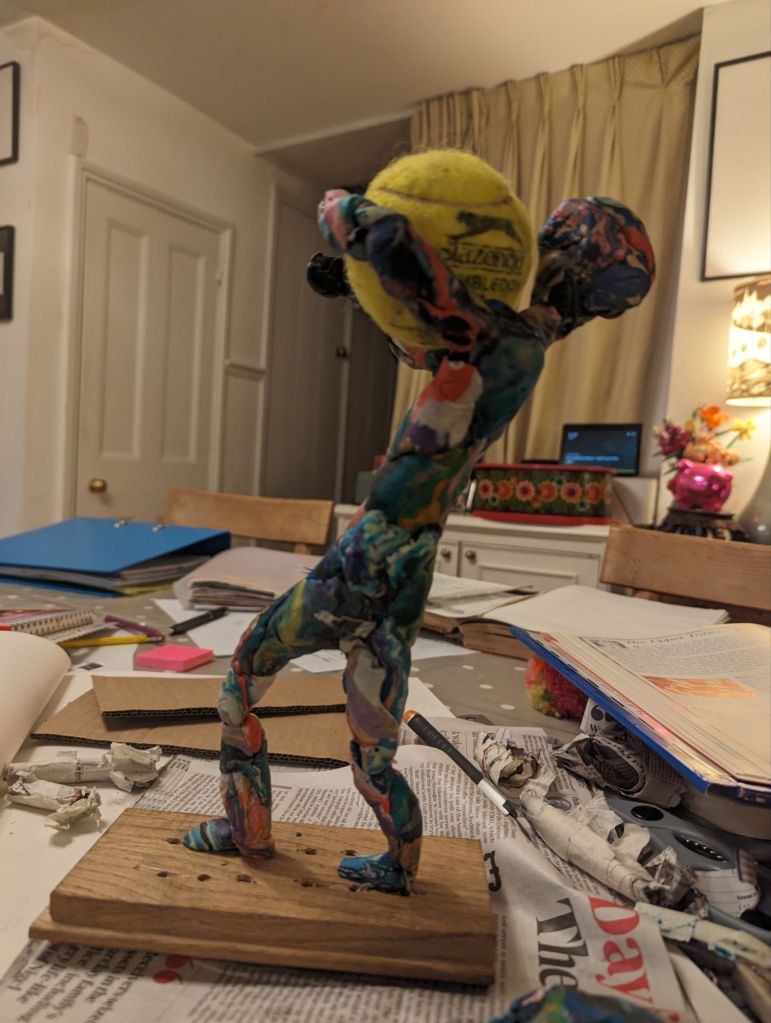
Atlas in plasticine

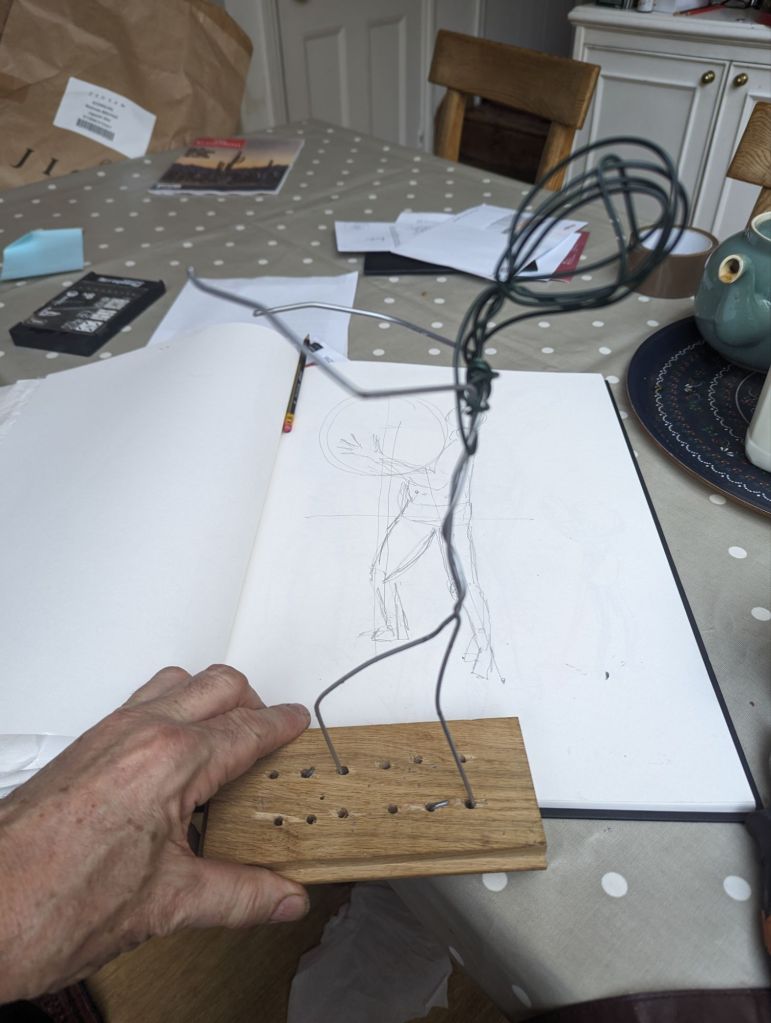
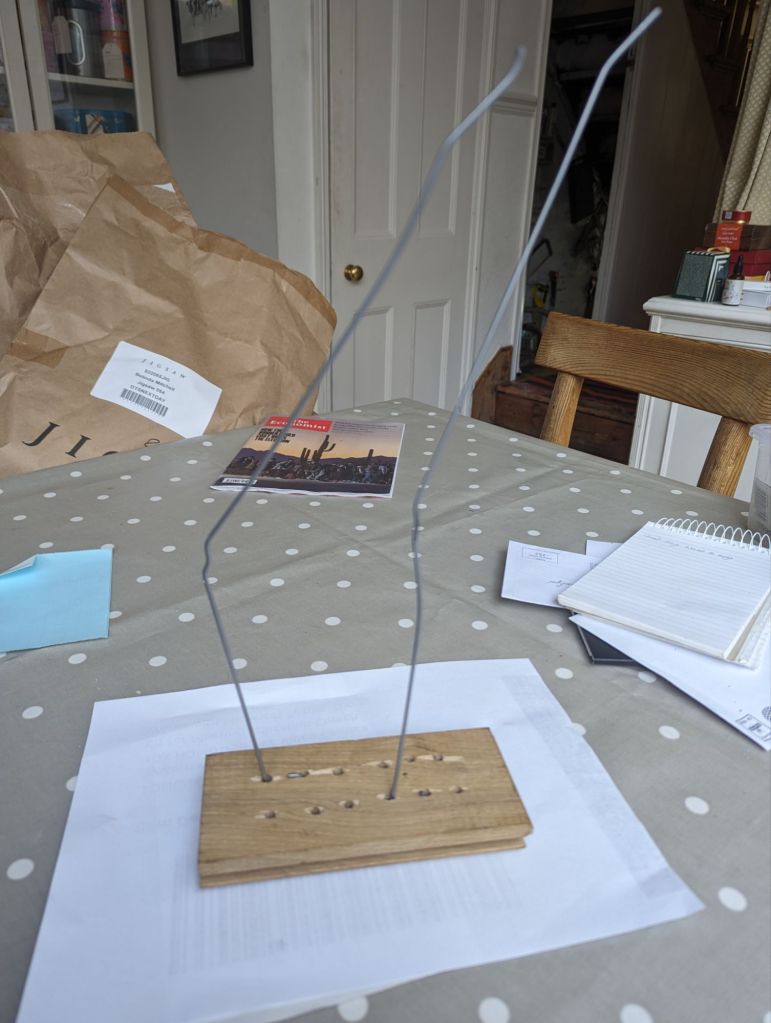
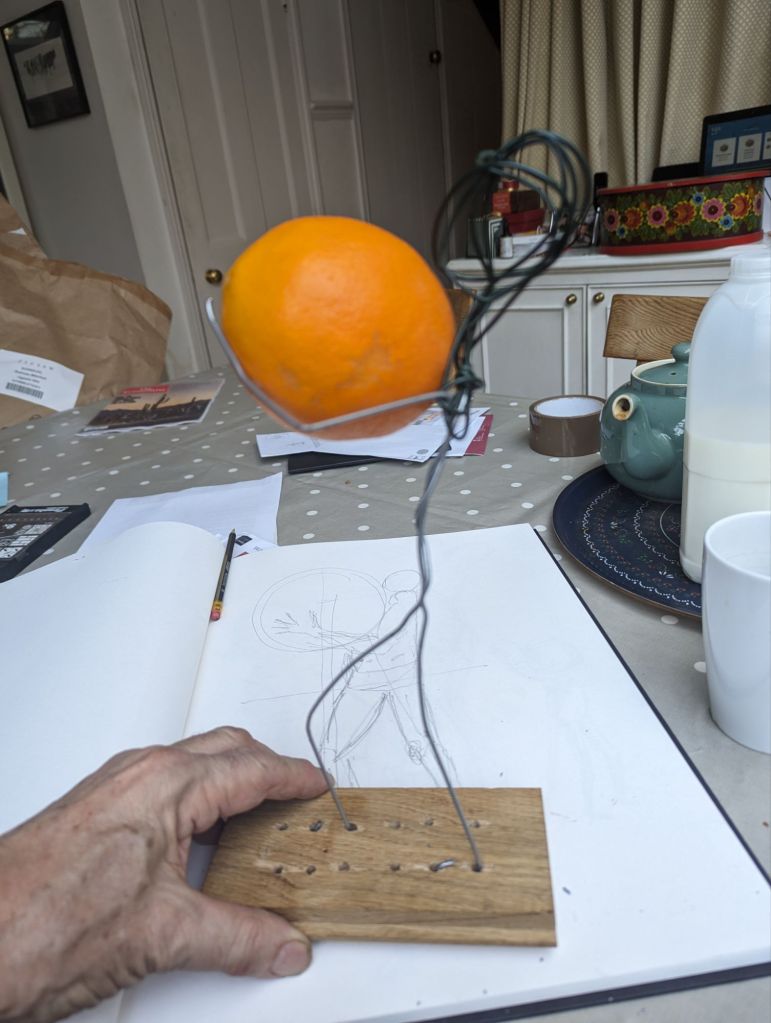
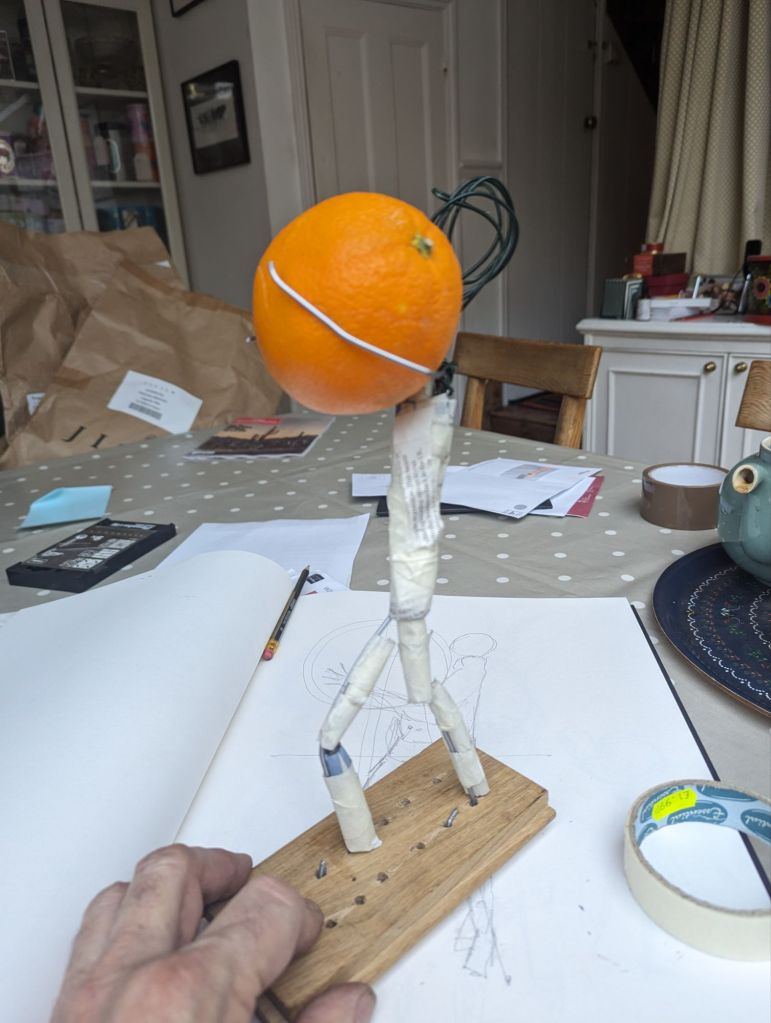
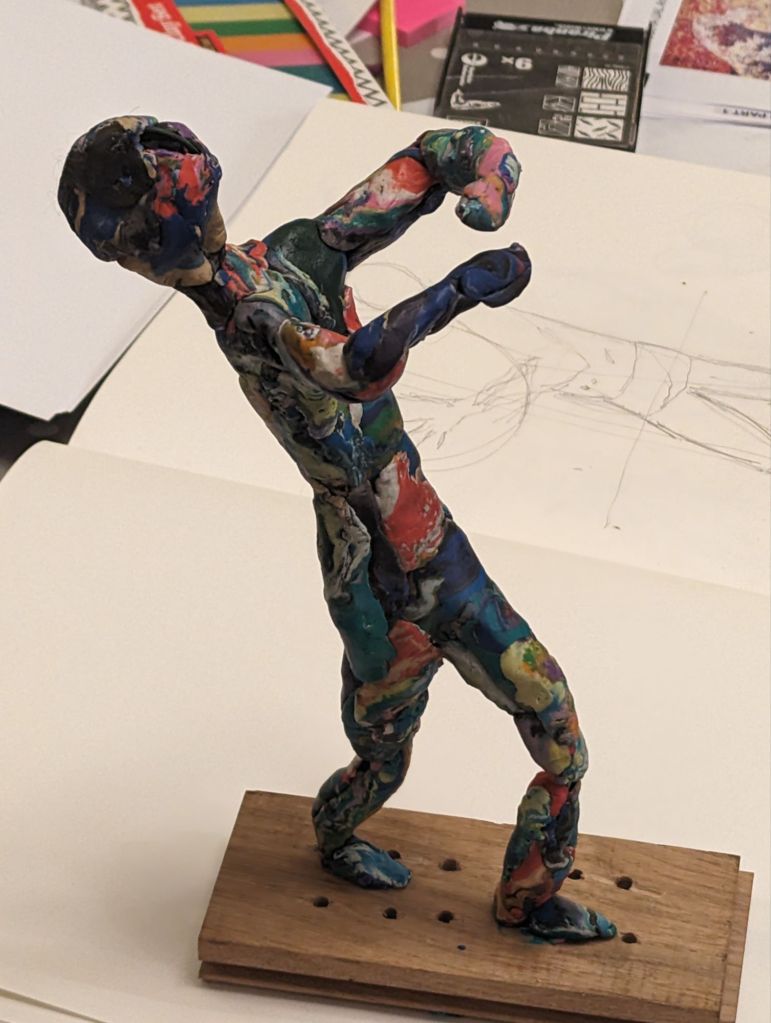
following a photo shoot with Darren, a circus performer,I have started to research making a 3D sculpture. Making a coat hanger armature I built up with paper , masking tape, and pastacine I investigated how to work in 3D. I found it very challenging, I found that I essentially worked in 2D and made a model with no ral depth. I failed to allow for hips and the size of the chest. For my next armature I will build a real skeleton with hips and ribs. I am considering making a form with polystyrene to be cut with a hot wire ( subtraction rather than addition) to be covered with paster. I have tried SPF with Gesso, but that is absorbed by the foam.

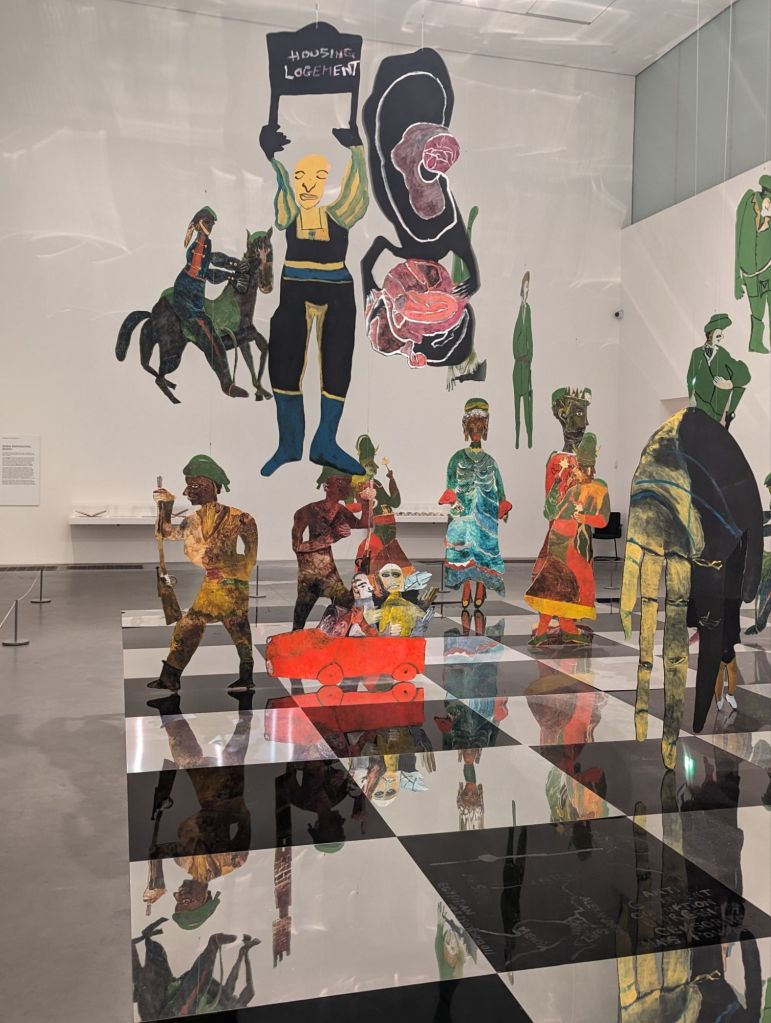
In the Tate Modern I looked at Anna Boghiguian, a Cairo based artist, and am considering her intersting @D cutouts as an alternative,possibly easier form.

Anna boghiguian. INSTITUTION v the masses ,tate modern

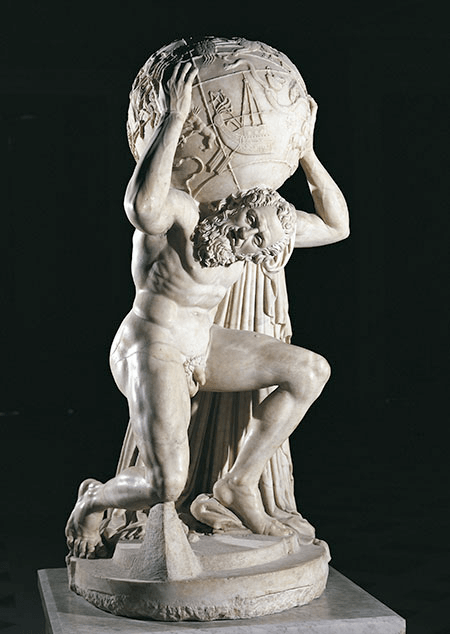
I am also considering how to decorate the globe, the essential idea is a woeful Atlas carrying an injured world, I am not sure how dramitc it could be, broken, dripping with blood, on fire, or like the Faranese Atlas covered with not images fo the heavens, but images of sadness and unhappiness

Farnese atlas, a 2nd century roman copy of earlier greek statue, atlas is holding a DEPICTION of the heavens, as a greek titan he was CONDEMNED to support the heavens, to make it easier he was turned to stone, from the RENAISSANCE the heavens were SUBSTITUTED for the world.

in the orginal photo shoot the rubber globe was too light and in my drawings and sculpture I will have to empasise the muscles using photos of the Farnese Atlas

bitmaping and vectors

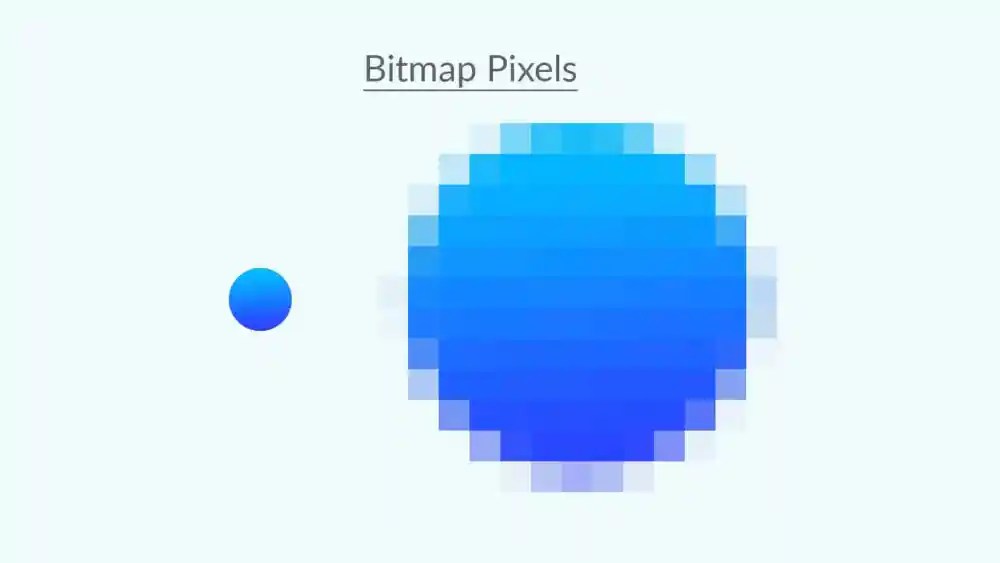
in class we discussed the difference between graphic programmes that use bitmaps ( adobe photoshop, brushes, procreate) and vectors ( Adobe Illustrator). Whilst bitmaping is a versatile graphic system for digital mainutplation, painting, drawing illustrating on a computer screen, using vectors which uses mathematical mapping to increase a graphic without losing any definition

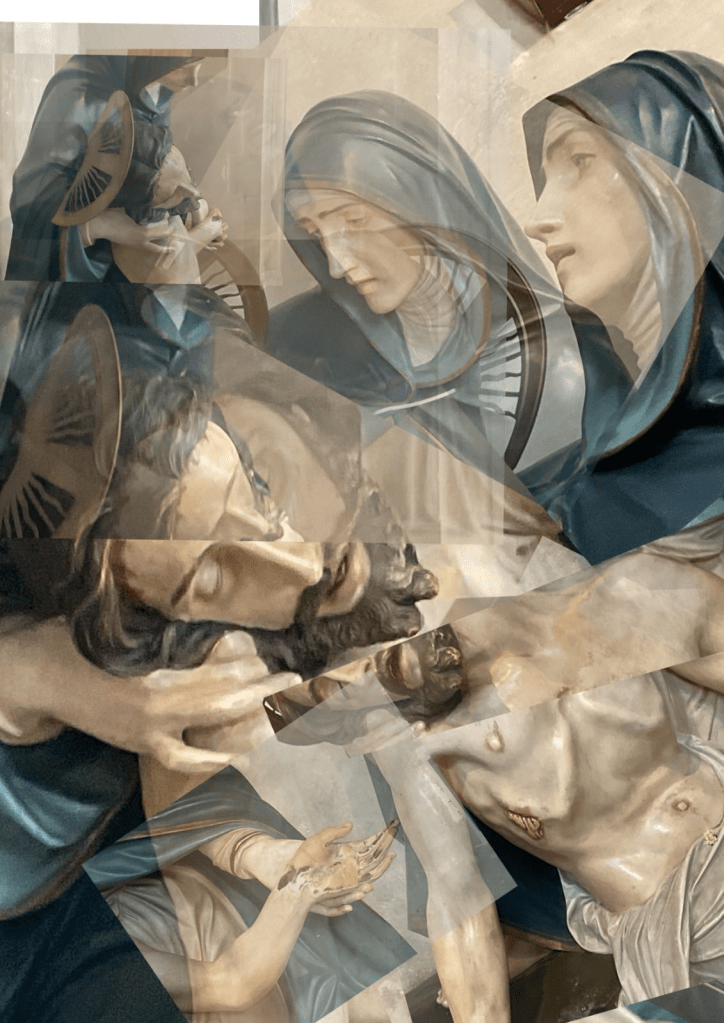
Multiple layered image in procreate, st georges cathedral, southwark

this image was created using bitmapping, in procreate I imported, layered and manipulated multiple layers of mobile phone photographs taken from different angles. As a bit map it could be enlaged to possibly A1 but to increase it anyfurthur the pixel base of the image would deteriorate

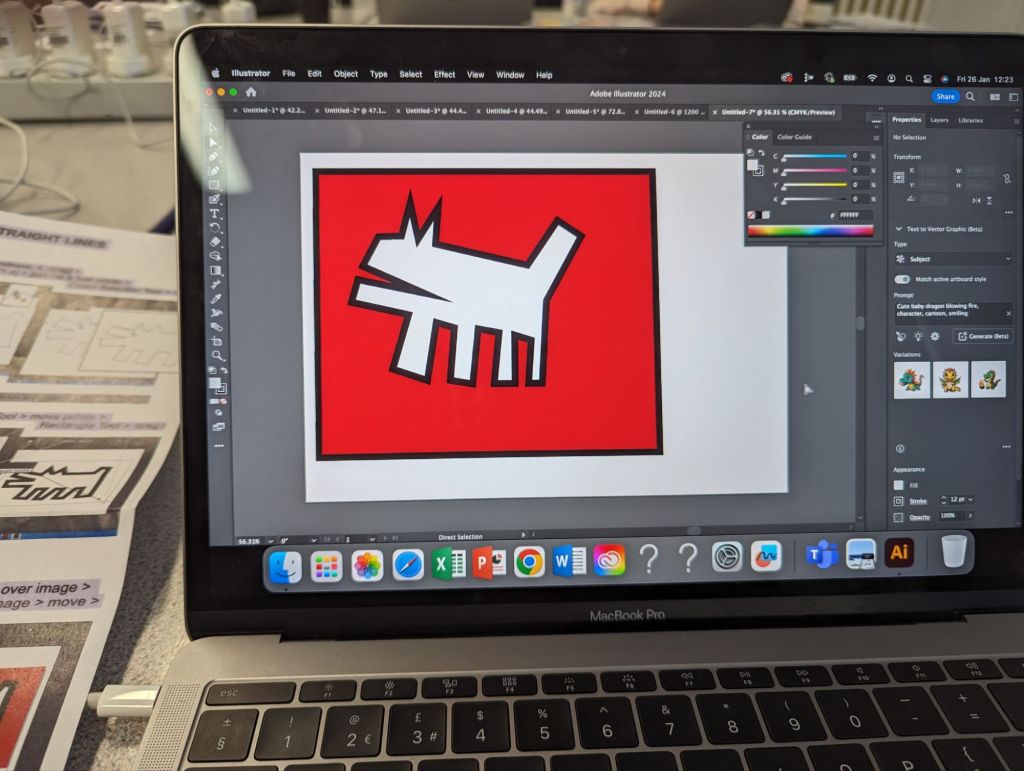
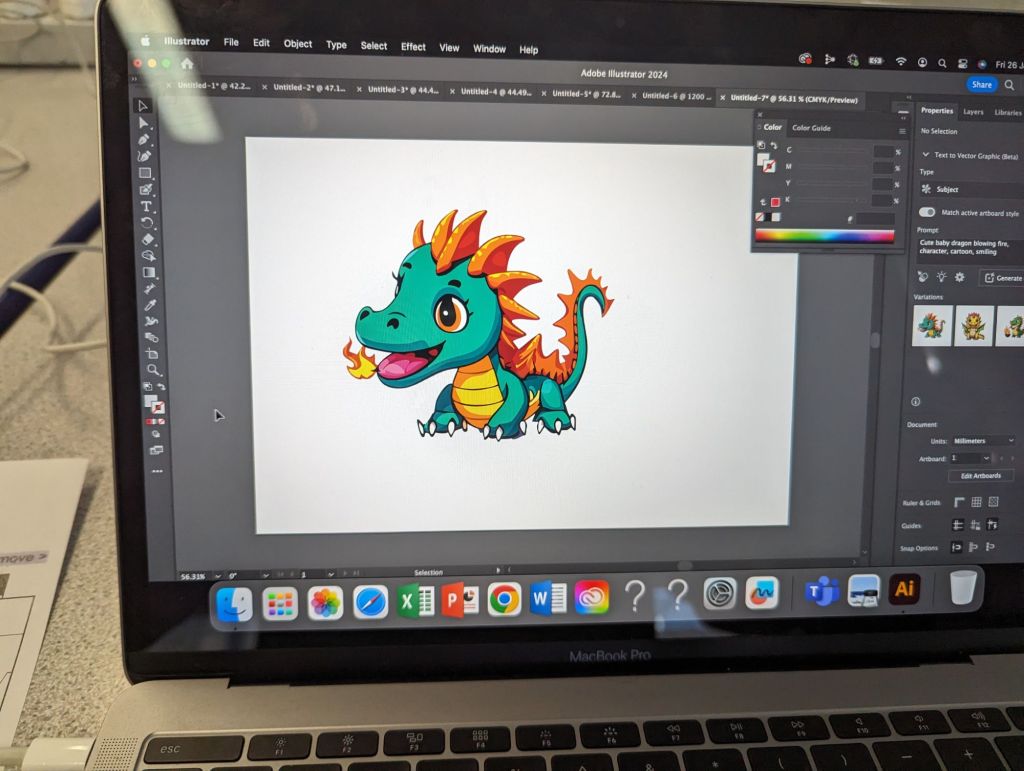
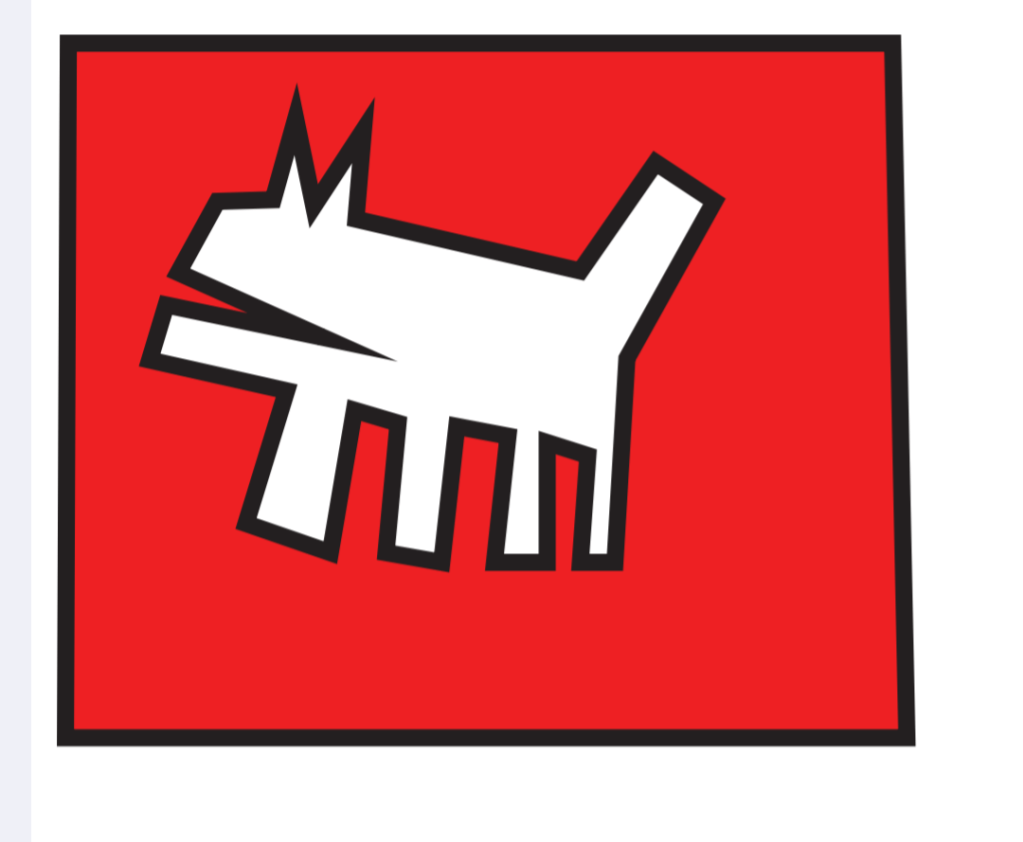
I drew a Keith Harring dog in Adobe Illustrator, its Artificial Intelligence AI provided this version

Draw on Adobe Illustrator this vector based image can be enlarged without any pixel loss, it is the industry standard for sharing images to be used commercially, instructions can be given to robotic 3d printers and laser cutting machines

scissors or Bitmaps

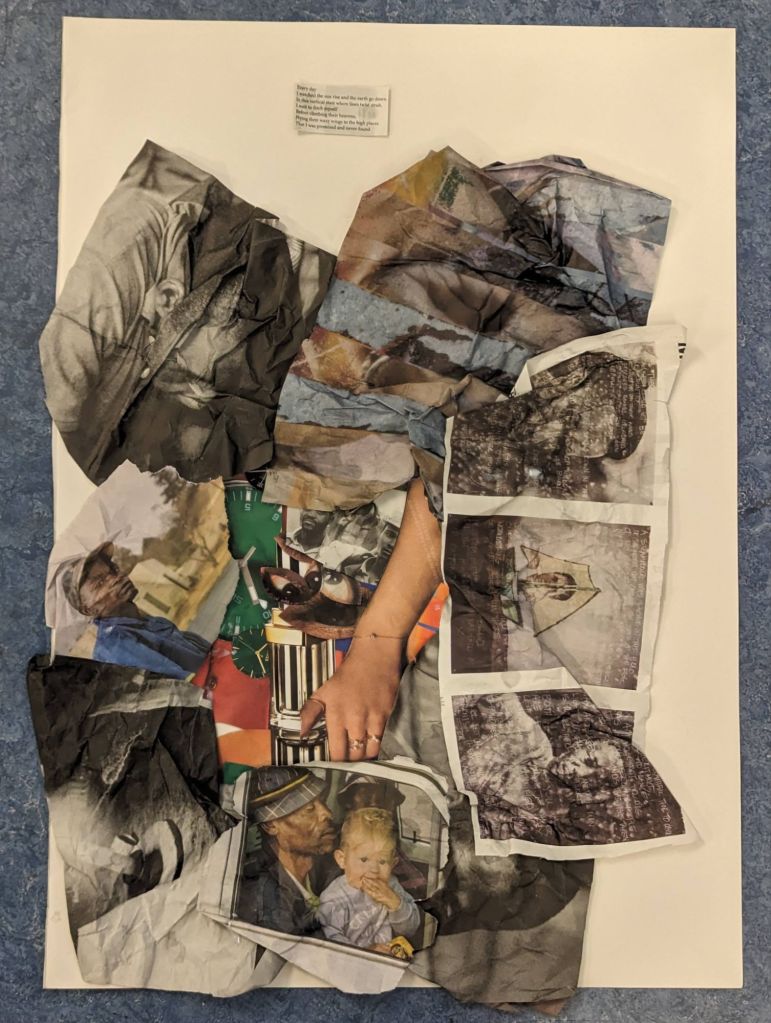
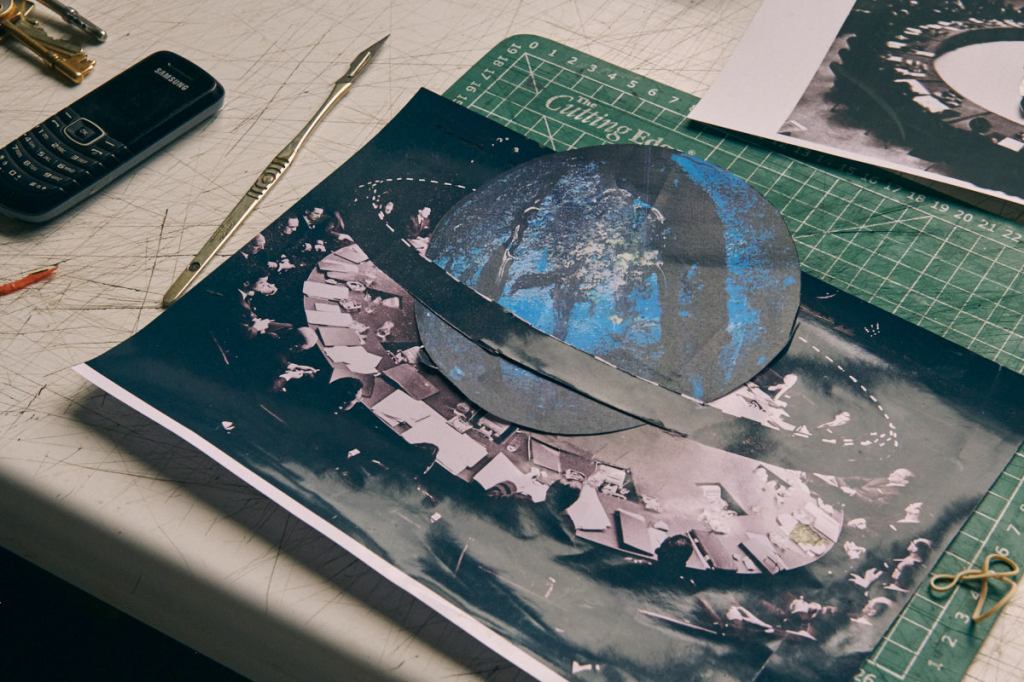
Is this collage or photo montage? A difficult question. After a great introduction to the early years of photo ‘art’ we were tasked to make a photomontage, sadly ill prepared and ill equipped I was able to produce a collage, but not an effective photo montage.

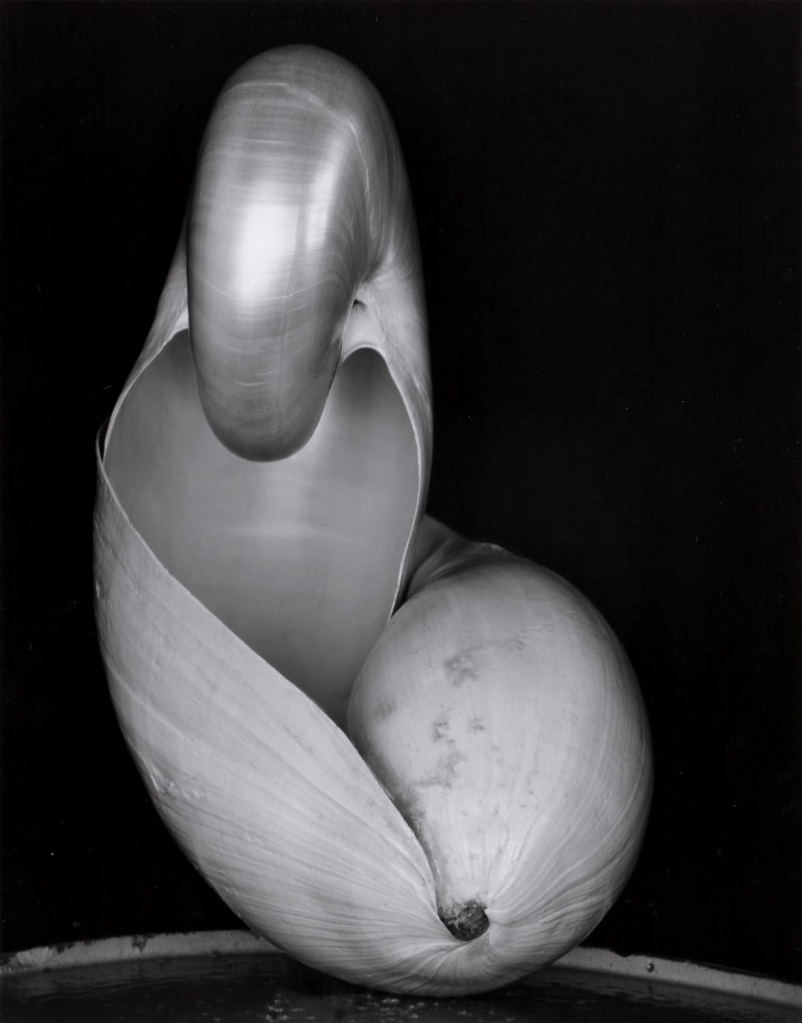
Edward Weston. ‘Shells’ 1926

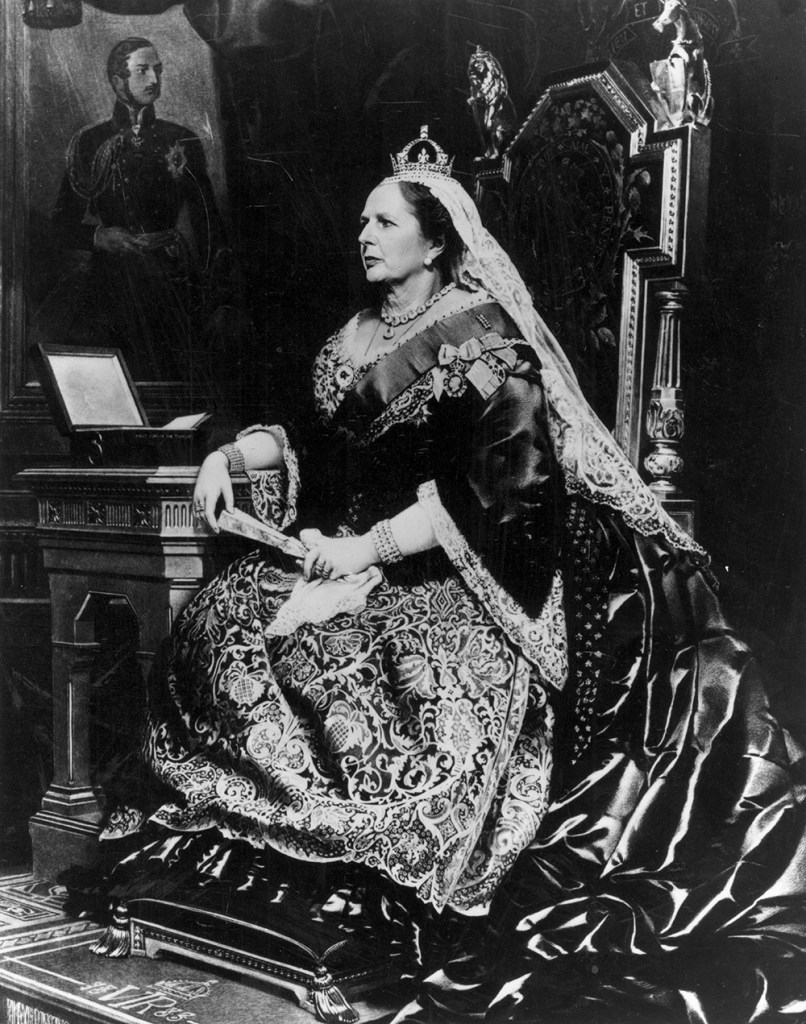
we discussed the art , and significance of ’photo montage’
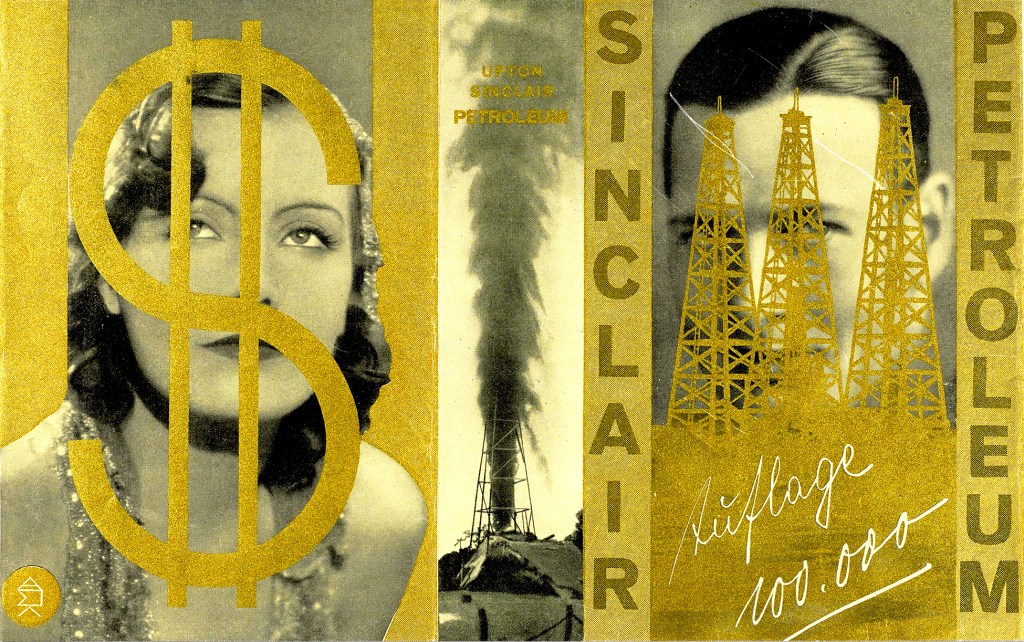
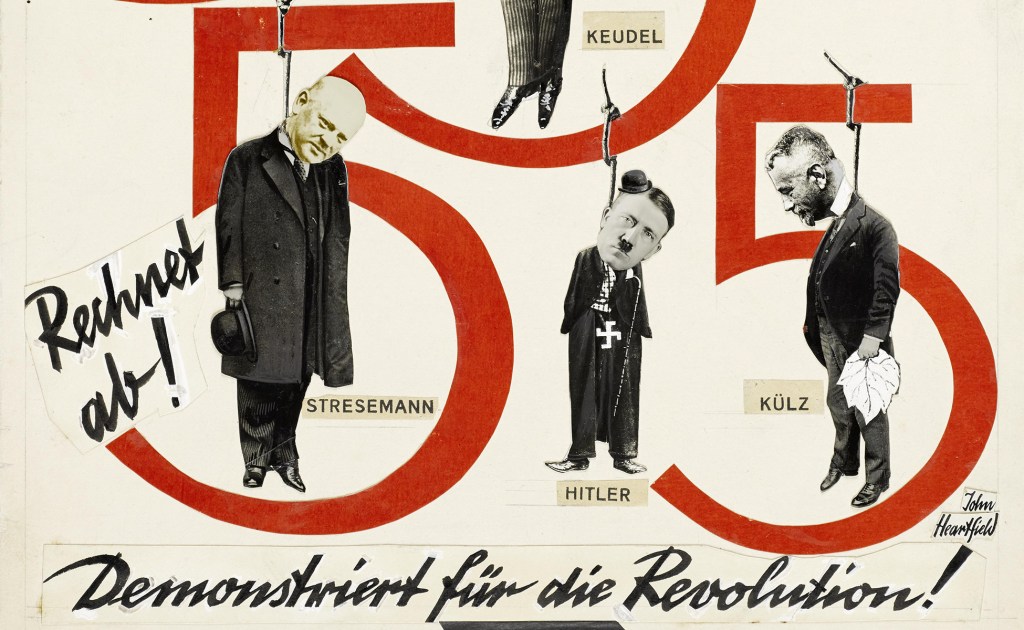
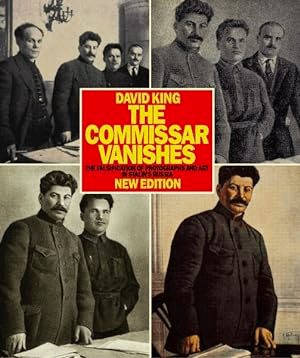
embraced by european artist and poltical activists in the 1920’s. Gollage had been used by the Dada movement during the 1914 1918 war , Photomontage took off with the work of John Hearfield, an anti Nazi German who found a home in the US. It was used in a significant way to eradicate political enemies in the USSR

well documented in David King’s seminal book.

It continues as an effective political, editorial form, evolving from the delicate use of scissors, glue and patience, to the contemporary use of digital bit map software, Adobe Photoshop is well known,

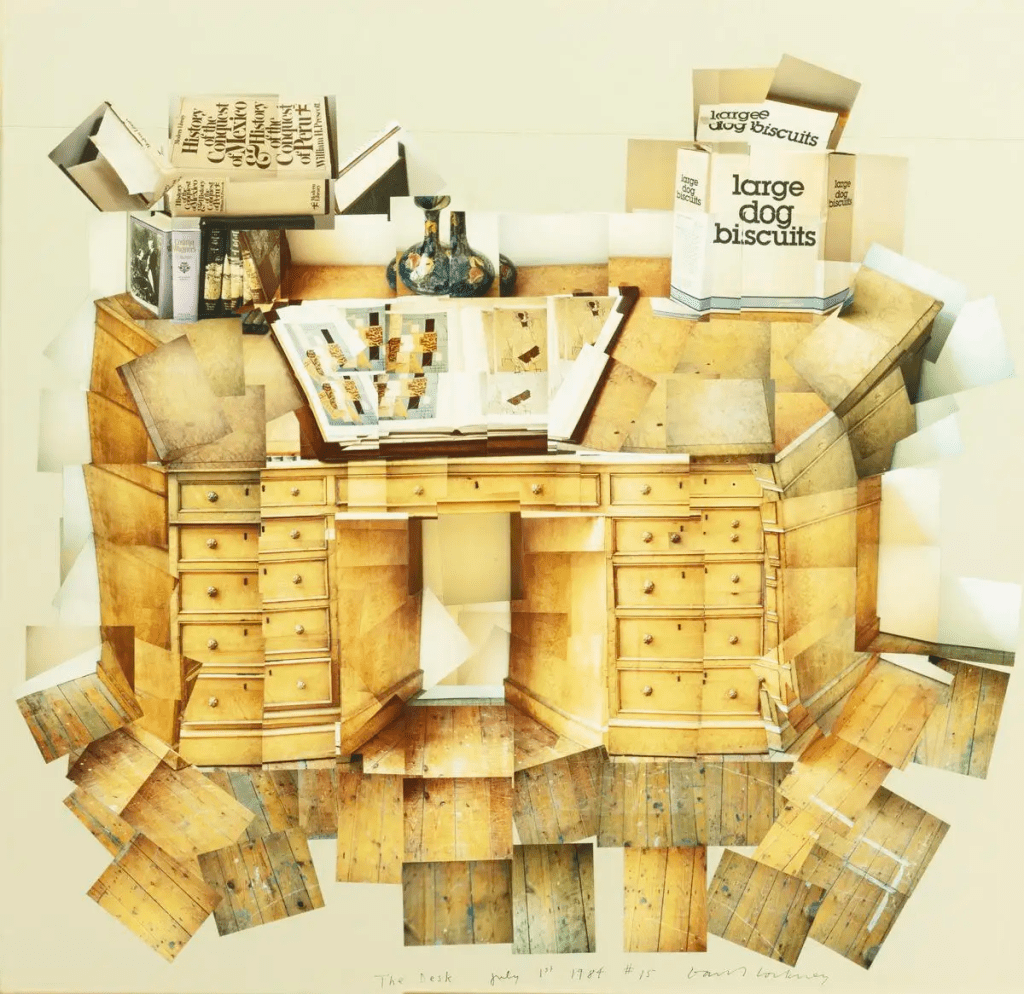
In Britain our most well known artist using some form of photo manipulation is David Hockney with his compositions of multiple polaroid photographs

David Hockney “the Desk’ 1984

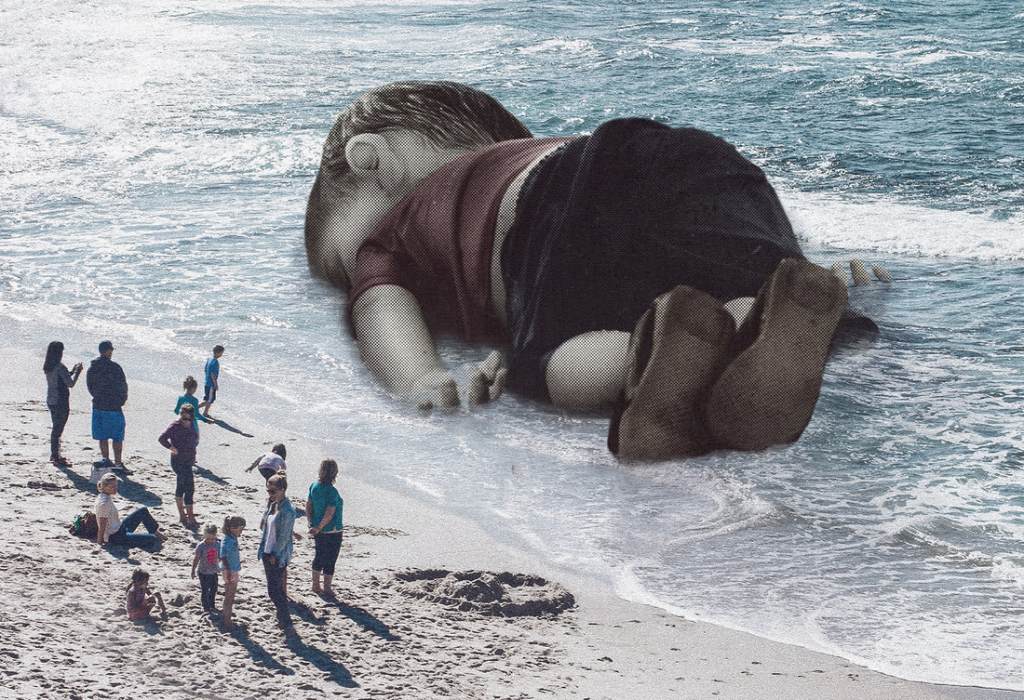
Peter Kennard is the most prolific and political contemporary British artist, orginally working with scissors, now with digital manipulation

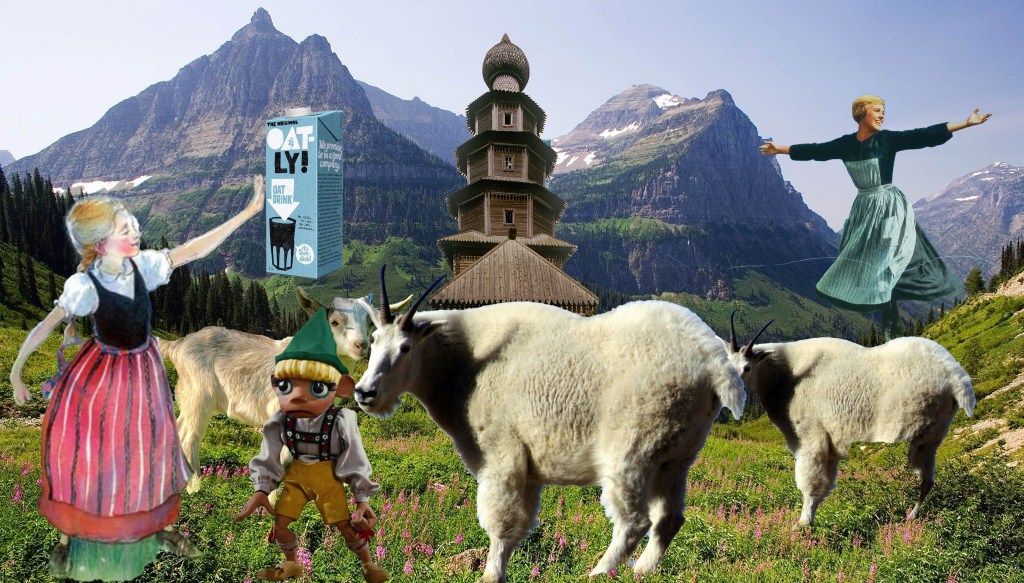
we had a frustrating lesson in Bit Map Digital manipulation. Eventually I had access to a working computer with a new AI version of Photoshop. With the help of a fellow student I was able by cuting , pasting , zooming and rotating images I was able to produce a slapdash but satisfying Montage ‘ Heidi says NO!’ 

Heidi says no!  Nicholas Turner 2024

Filming a rainbow

an excellent introduction to the fundamentals of film making, selecting of images, type of framing, close up, extrme close ups , wide shots, and how to use framing and camera movement to create effects, and using edit images together to make film, narrative or abstract.

I worked as current affairs cameraman for forty years. I was a journeyman cameraman, filming everything plainly in a ‘news format’ For most of my career, the intracties of camerwork were ignored, the physical limations of 16mm film and the electronic news gathering cameras that replaced it, made most image with a extreme depth of field. I used camera movements and the occasional zoom to make an editorial point, and my work always took into account the requirements of the editor. When there was time, I would provide a variety of frames, close ups, wide shots, a variety of angles of the action.

It was a good day, everyone learnt the essential basics, and everyone produced imaginative short films.

The incredible filmmaking features now available in contemporary ‘smart phones’ are incredible. Work that would take teams of camera crews, processing laboratories, negative cutters, film editors, projectionists, satellite and broadcast engineers, have all been replaced with sift and hardware to enable even the most inexperienced to produce and share professional looking images and sequences.
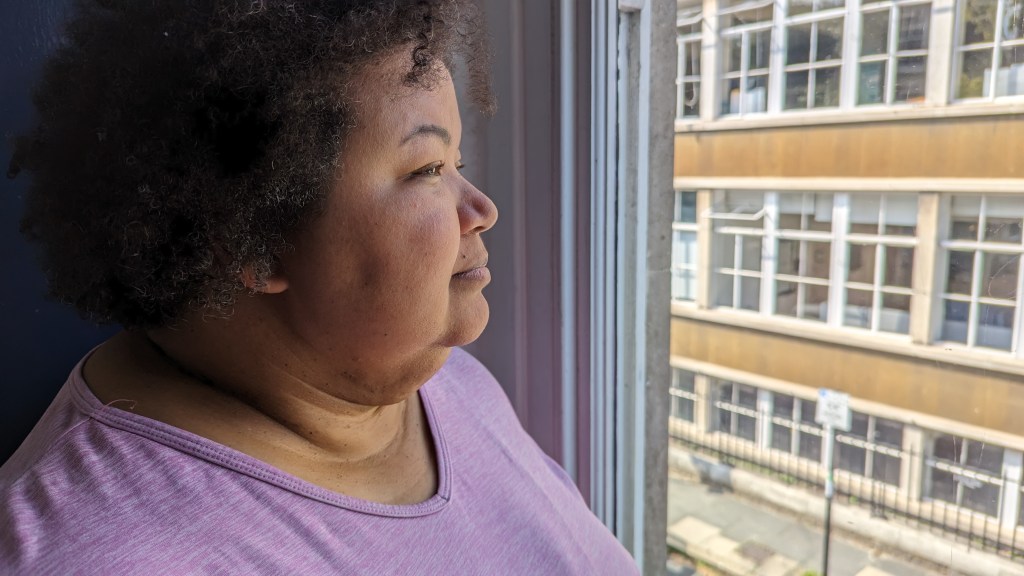
We were tasked to film ourselves, using the lighting techniques we learnt in class, an excellent exercise, it was very difficult to avoid filming in portrait mode, holding a phone in landscape is difficult and it is very easy to obscure the lens with a finger.

In class Sheena introduced us to phone diting programmes. As an Android user I downloaded VN edit, a free and easy to use program. We were all able to edit short sequences in fifteen minutes. I was fustrated trying to make a very fine edit, but on laptops the edit programs bundeled, iMovie or Movie Maker are more sophisticated, but the ability to edit on a phone in the field is very useful.
It was an excellent day of learning and I look forward to more adventures in the digital world