

Luyi as an exercise in portaits
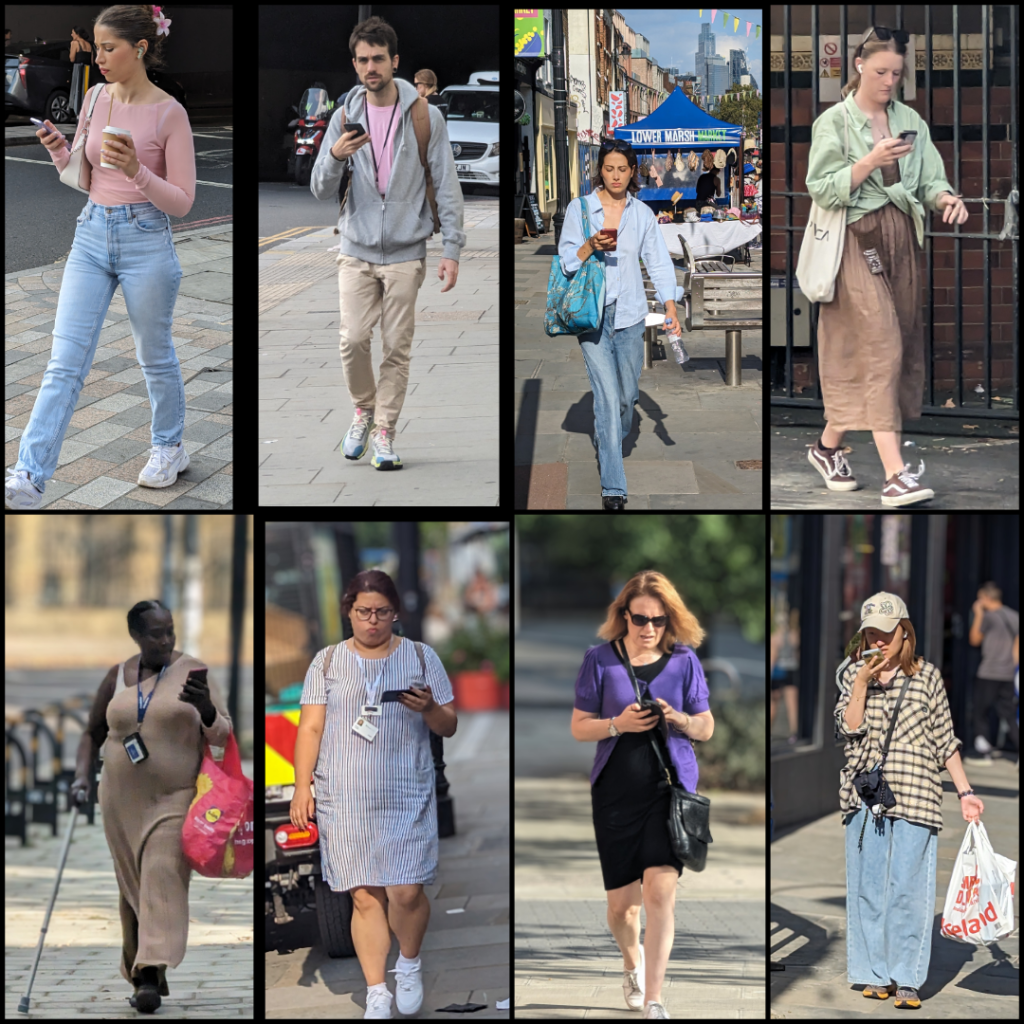
This was our Friday afternoon project in typology. I considered objects but found people more interesting and street photography is challengeing

sean scully. irish abstract
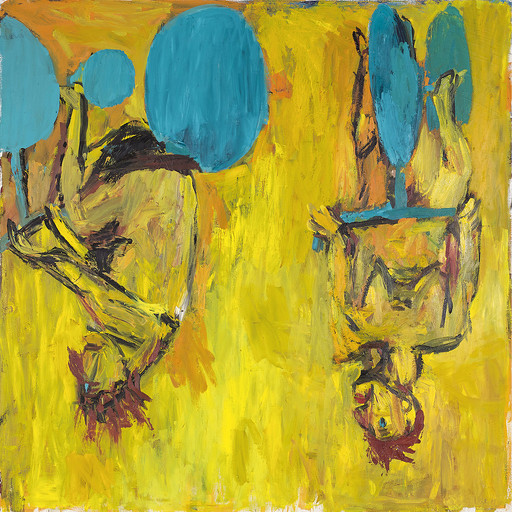
georg baselitz https://en.wikipedia.org/wiki/Georg_Baselitz
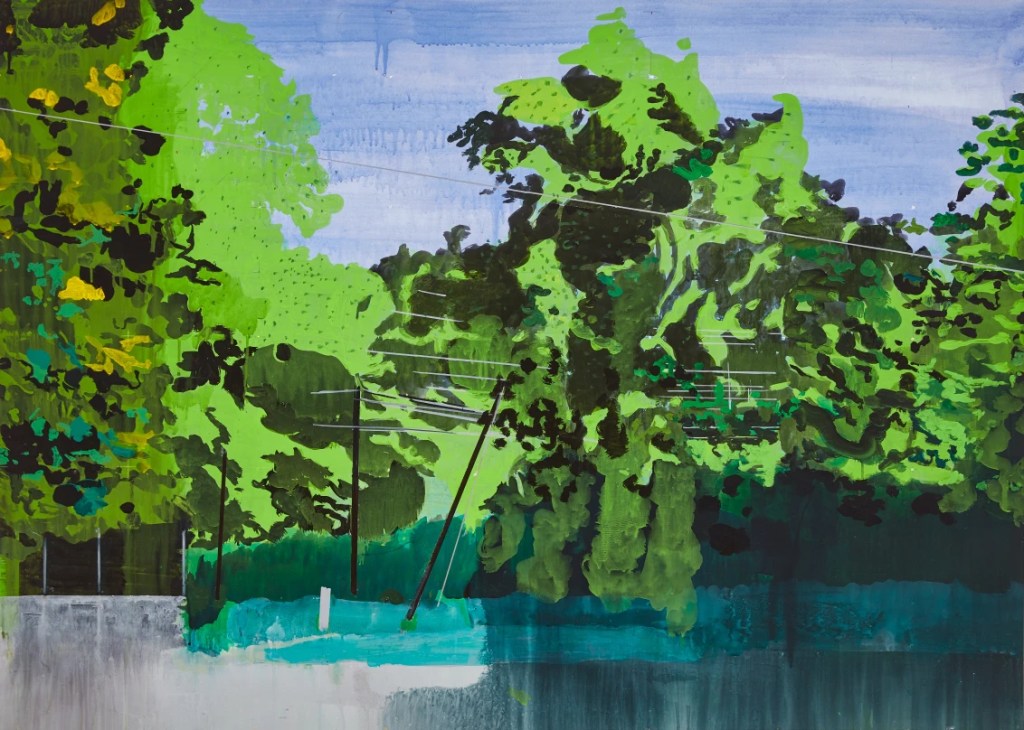
Hurbin Anderson. landscapehttps://www.tate.org.uk/art/artists/hurvin-anderson-12583/turner-prize-2017-biography
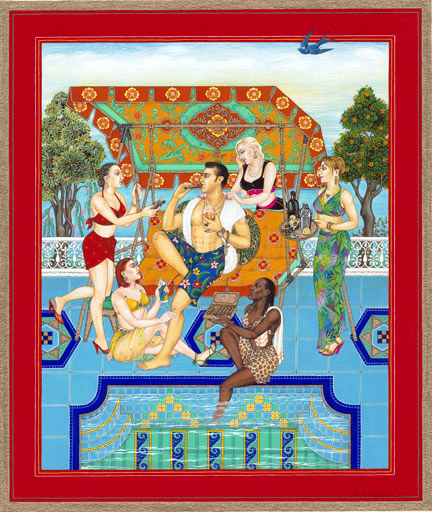
singh twins https://www.singhtwins.co.uk/
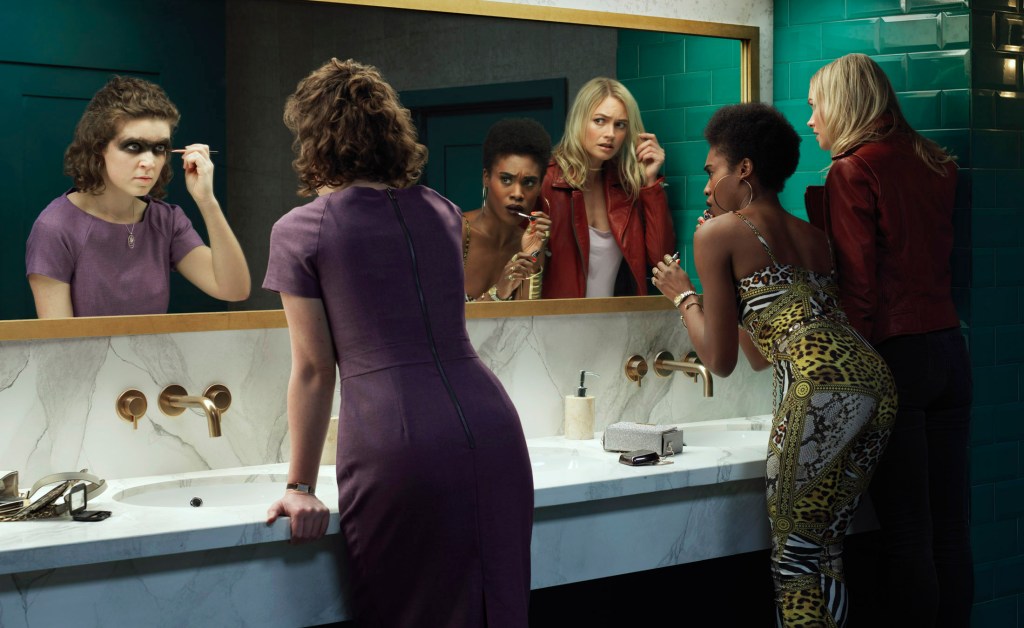
David stewart http://www.davidstewwwart.com/#1
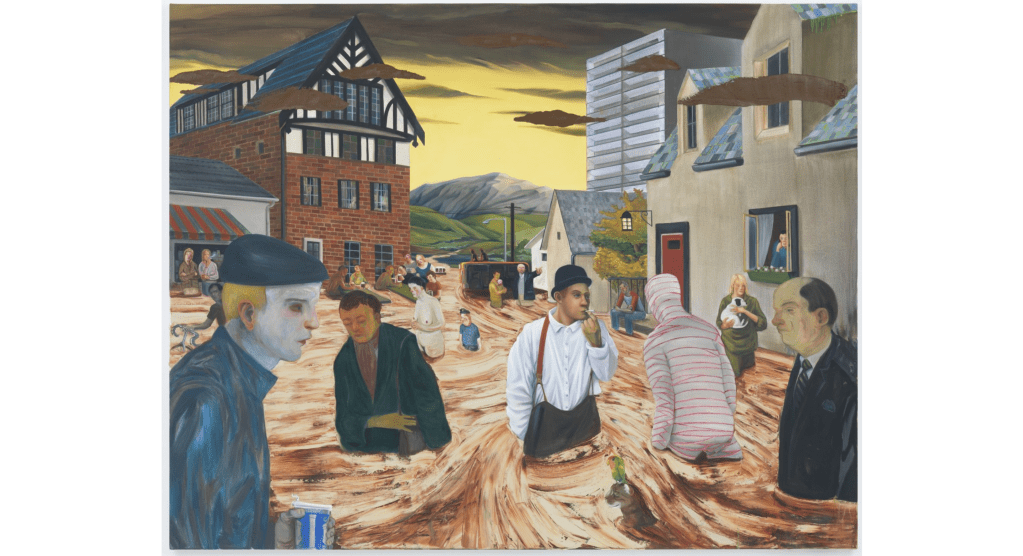
Nicole eisenman. https://www.newyorker.com/magazine/2021/03/01/every-nicole-eisenman-picture-tells-a-story
Sex and gender are both constructed.
…….. gender is performative: no identity exists behind the acts that supposedly “express” gender, and these acts constitute, rather than express, the illusion of the stable gender identity. If the appearance of “being” a gender is thus an effect of culturally influenced acts, then there exists no solid, universal gender: constituted through the practice of performance, the gender “woman” (like the gender “man”) remains contingent and open to interpretation and “resignification”. In this way,
……heterosexual melancholy is culturally instituted as the price of stable gender identities and for heterosexuality to remain stable, it demands the notion of homosexuality, which remains prohibited but necessarily within the bounds of culture. Finally, they point again to the productivity of the incest taboo, a law which generates and regulates approved heterosexuality and subversive homosexuality, neither of which exists before the law………..
the practice of drag is a way to destabilize the exteriority/interiority binary, finally to poke fun at the notion that there is an “original” gender, and to demonstrate playfully to the audience, through an exaggeration, that all gender is in fact scripted, rehearsed, and performed.
…….let us construct a feminism (via the politics of jurido-discursive power) from which the gendered pronoun has been removed or not presumed to be a reasonable category. They claim that even the binary of subject/object, which forms the basic assumption for feminist practices—”we, ‘women,’ must become subjects and not objects”—is a hegemonic and artificial division. The notion of a subject is for them formed through repetition, through a “practice of signification”

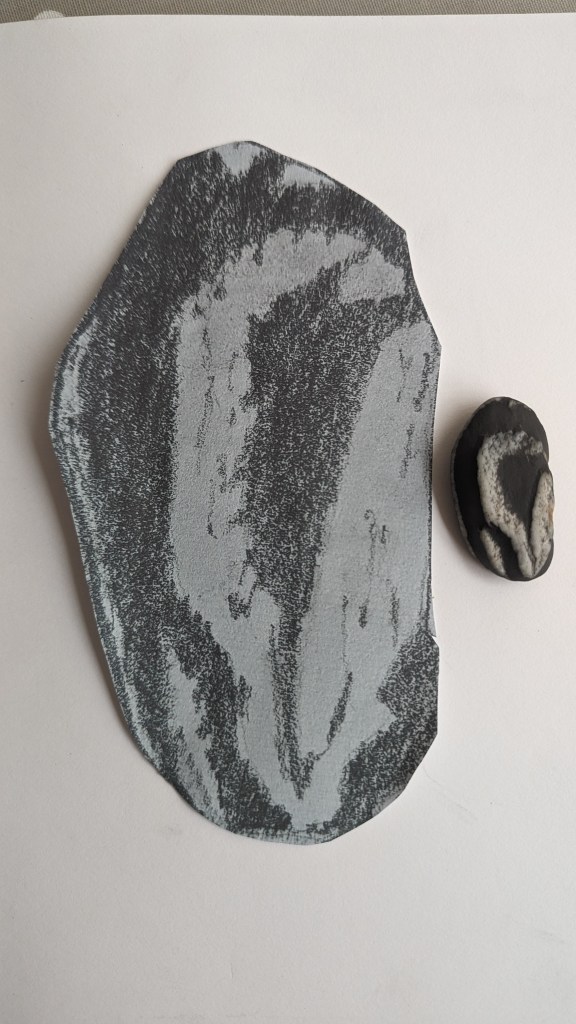
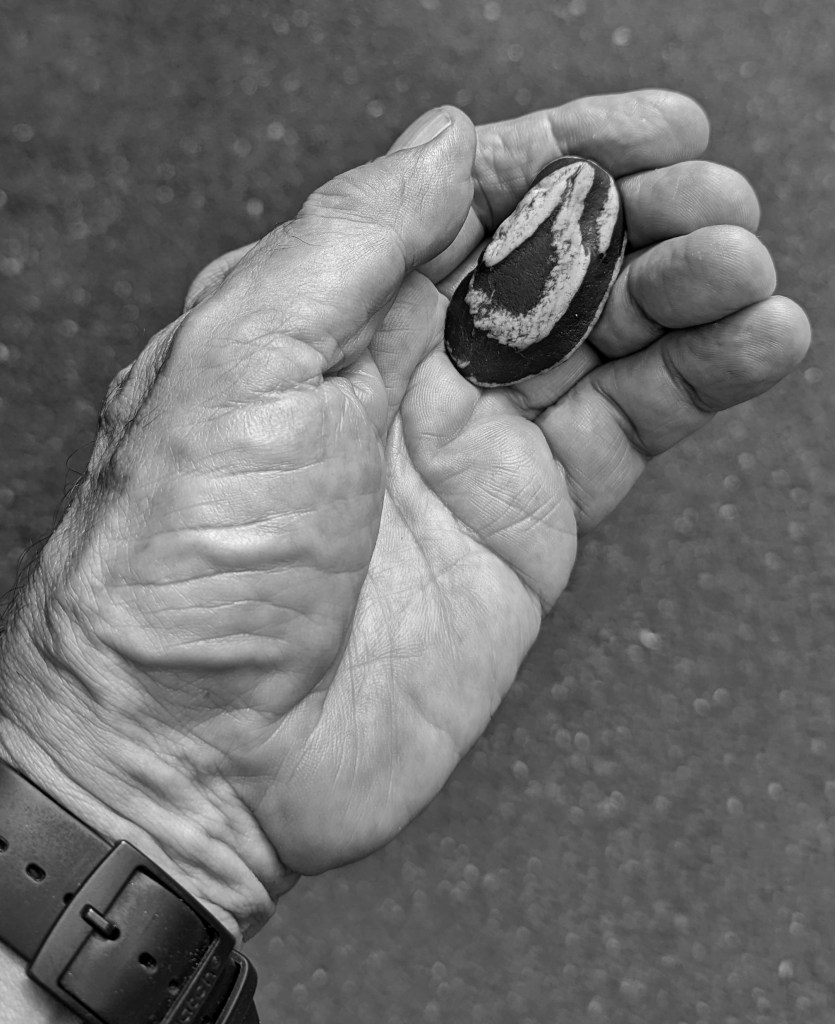
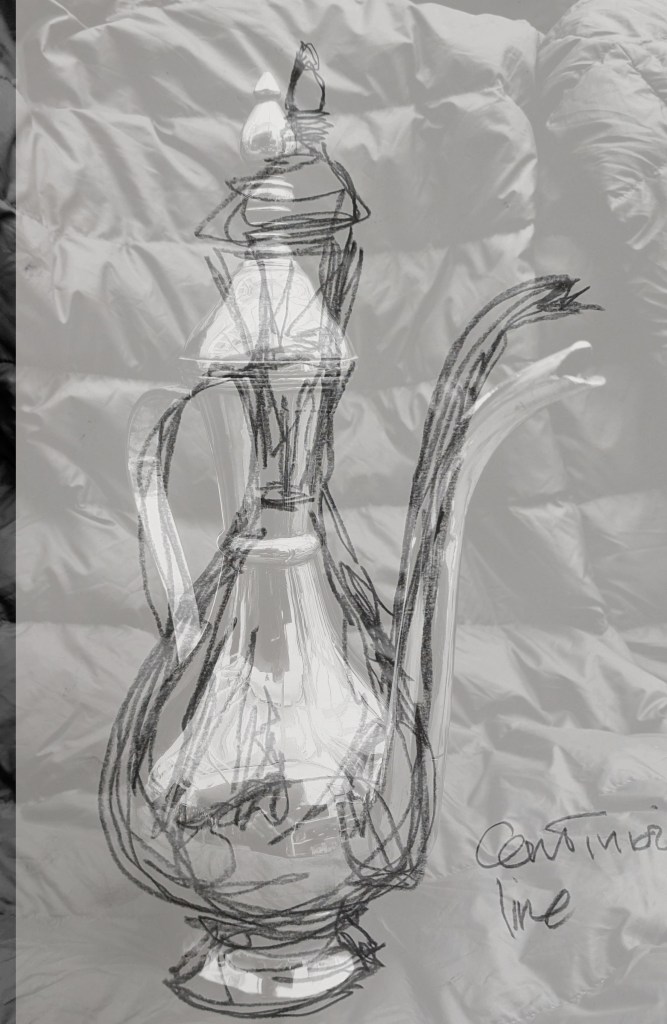
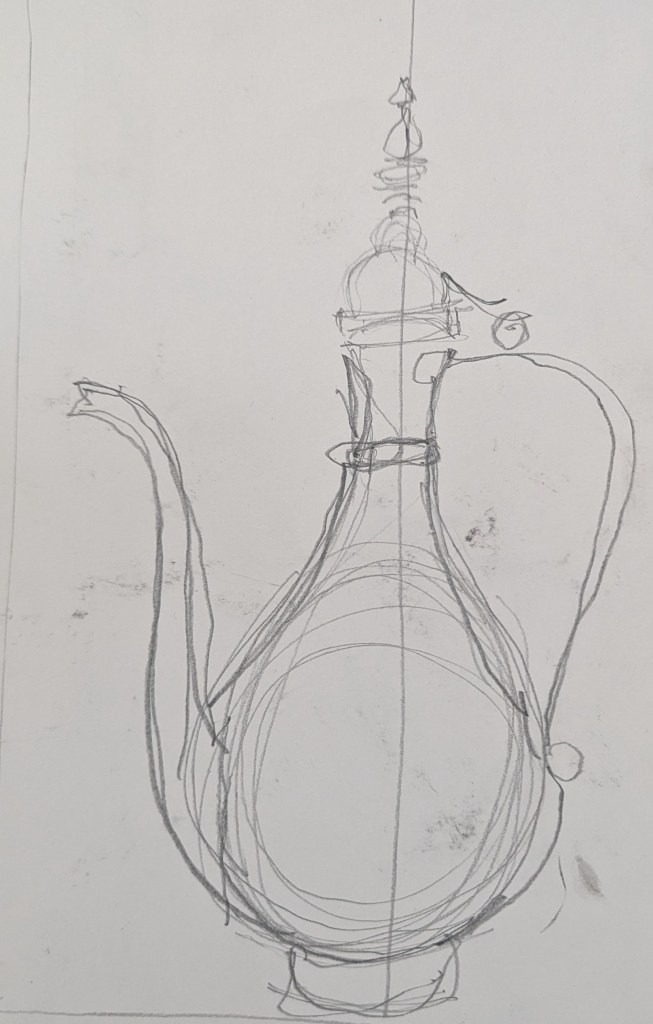
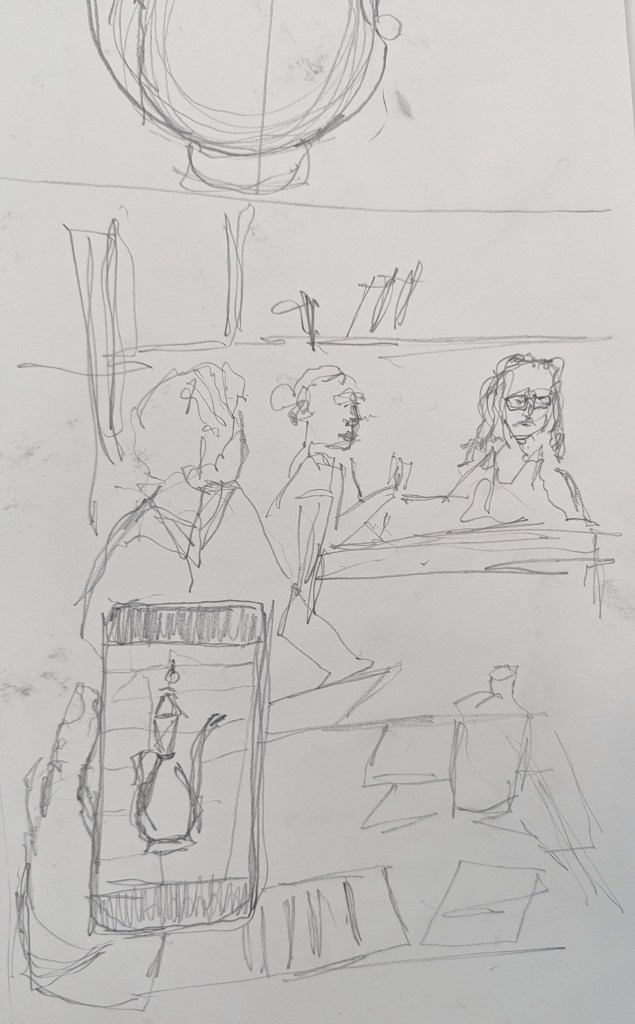
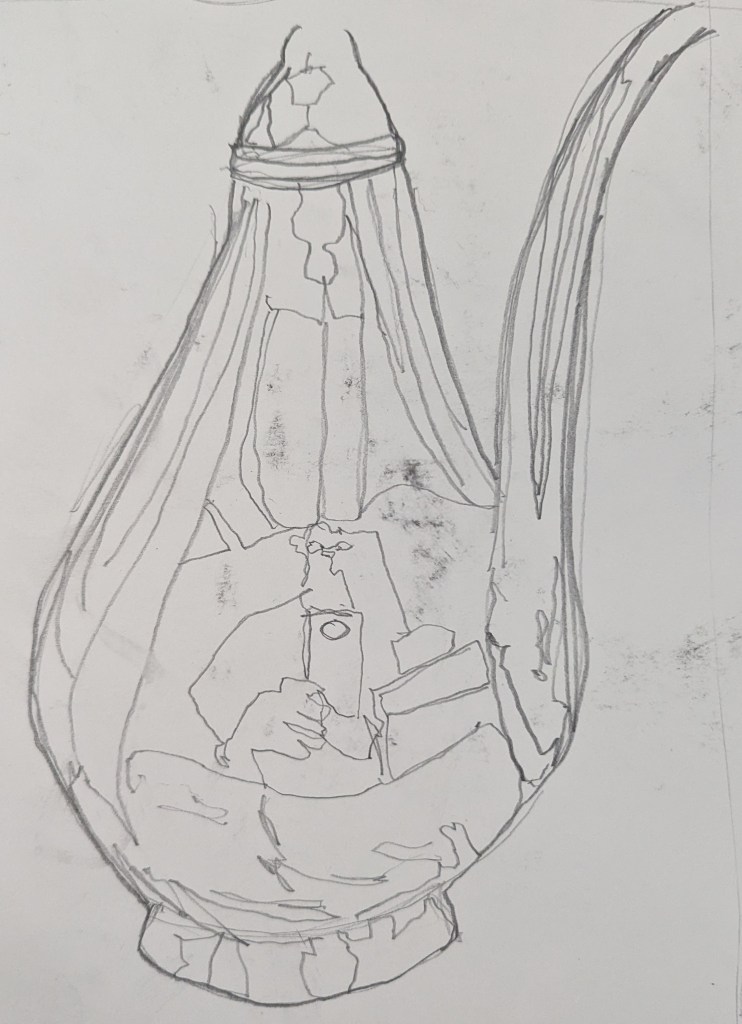
 Nicholas Turner Morley Art Foundation