
A short film with the soundtrack I made
Unit 2
‘atlas in gaza’ a 15 week journey of creation

October 7th 2023, following an unforgivable outrage against israeli citizens by militants from Gaza, the Israeli government with the full support of its population turned its wrathe onto the Gaza strip, a narrow enclave that was the home to 2.3 million Palestinians. Reminiscent of John Milton’s poem Samson Agonistes
Promise was that I
Should Israel from Philistian yoke deliver;
Ask for this great Deliverer now, and find him
Eyeless in Gaza at the Mill with slaves,
Himself in bonds under Philistian yoke;
when an enraged blinded Samson strikes out madly in Gaza. Now Israel attacked a civilan population to destroy its terrorist government. Thousands of children were injured and killed, the rest are traumatised.

I have lived and worked in the middle east since 1976, I spent my 18th birthday in Jerusalem and visited Gaza many times. I was so desperately upset, I copied and drew some of the press photographs until I became too sad. Paula Rego’s famous image War , from an earlier Middle Eastern conflict transfixed me

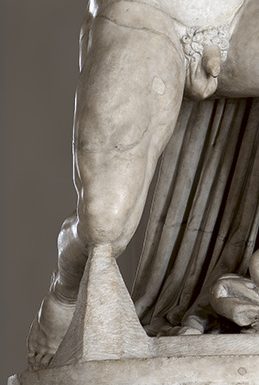
I had been thinking of a wounded god holding an injured world and looked at classical sculptures . I looked at the Farnese Atlas, a Roman 3rd century copy of a Greek original currently in a museum in Naples
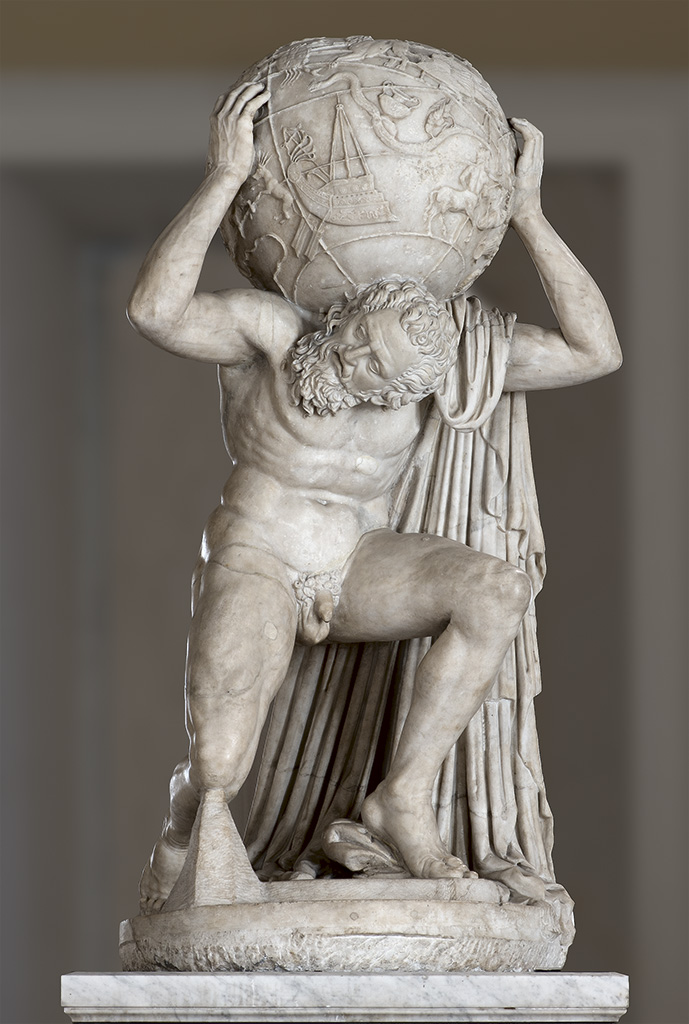
Atlas, a Titan, defeated in a war with the Gods was condemned to hold up the sky, and its constellations for eternity. He was turned to stone to ease his burden. In the Middle Ages the depiction of the constellations turned to the then new concept of the globe and now Atlas carries the world. Sometimes, with pride, sometimes as a burden

A silver rocco atlas, Reijks museum , Amsterdam
I asked a friend, Darren , a performer, to pose as Atlas, he is well built but quite sleight.
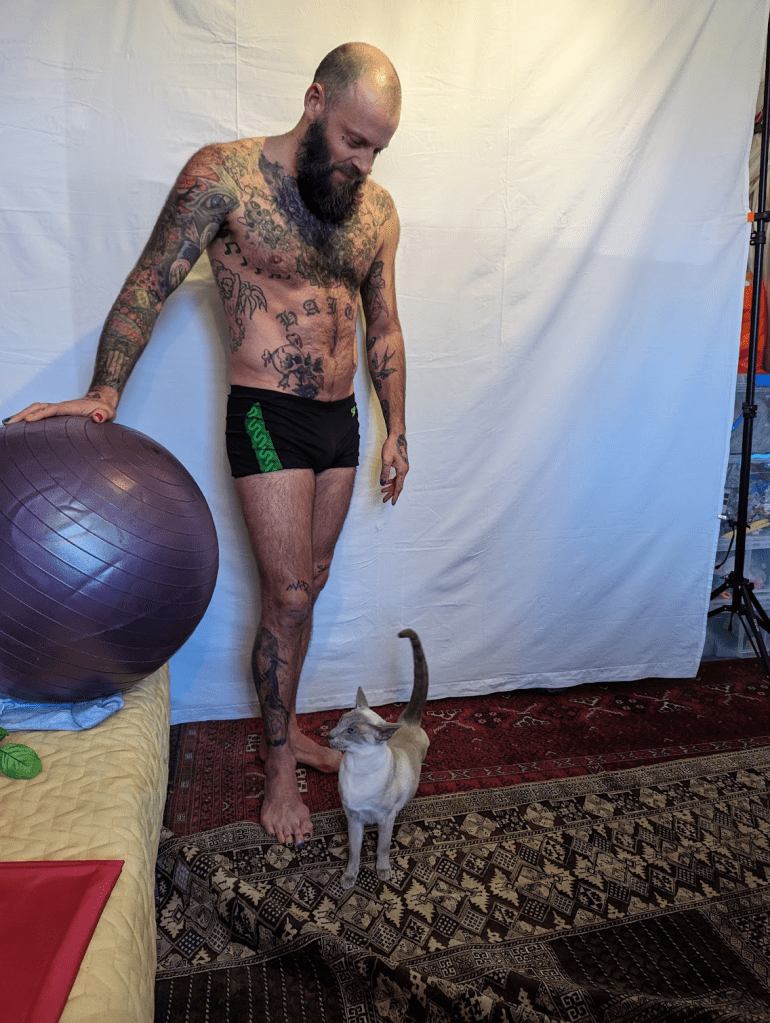
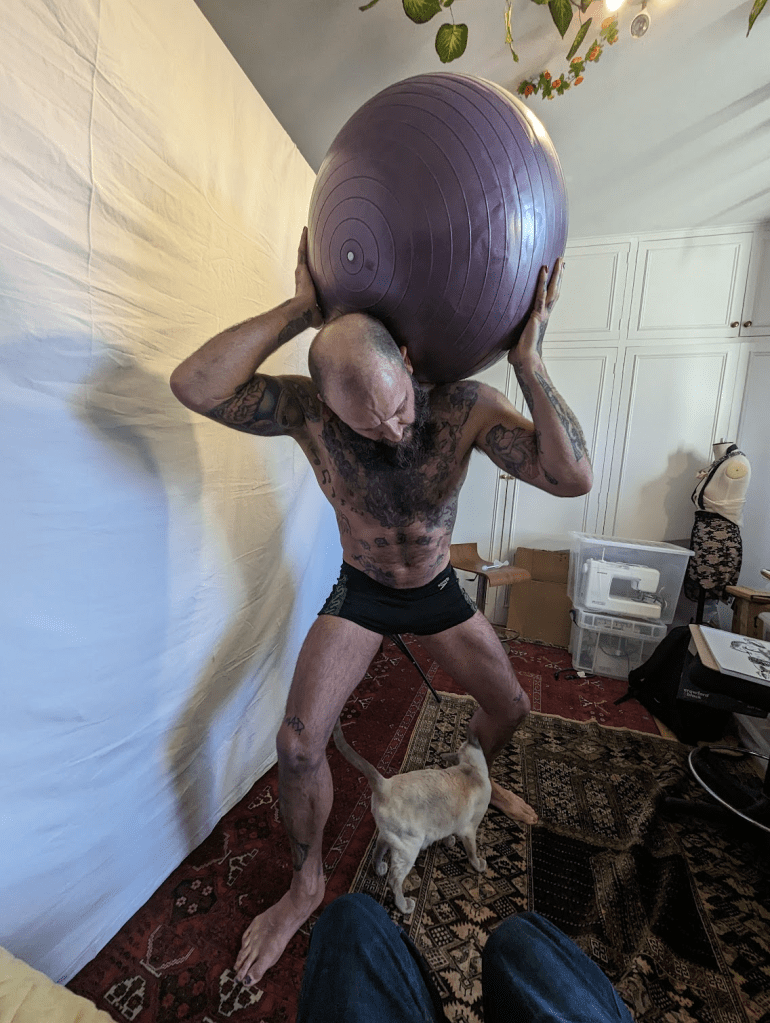
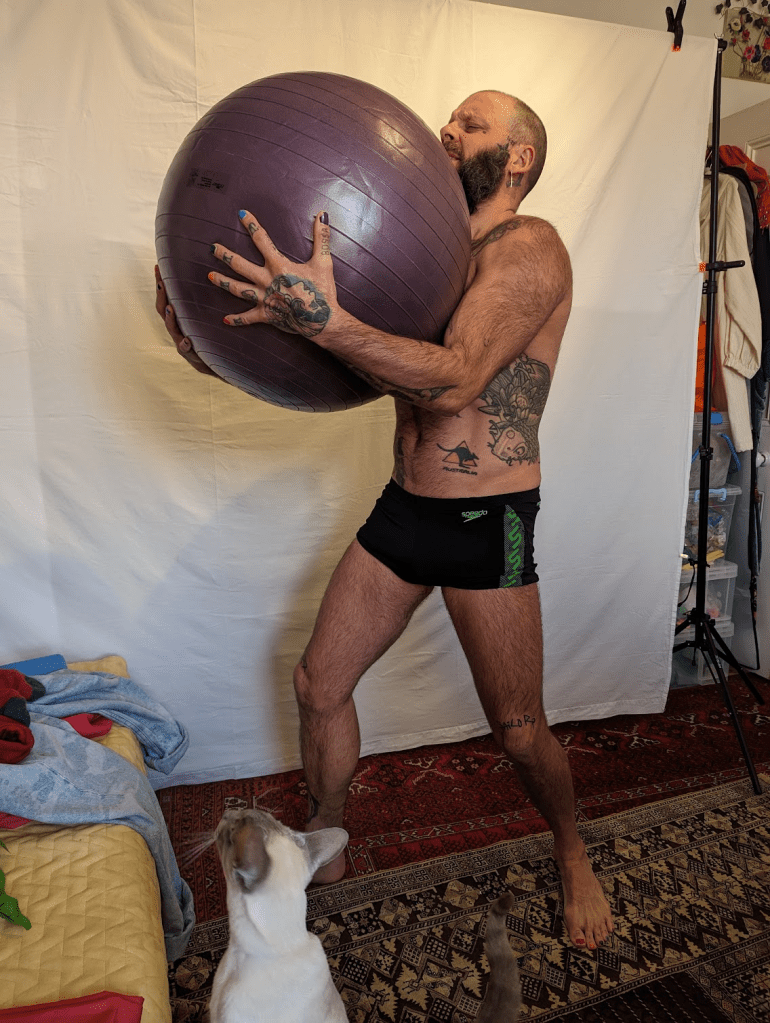
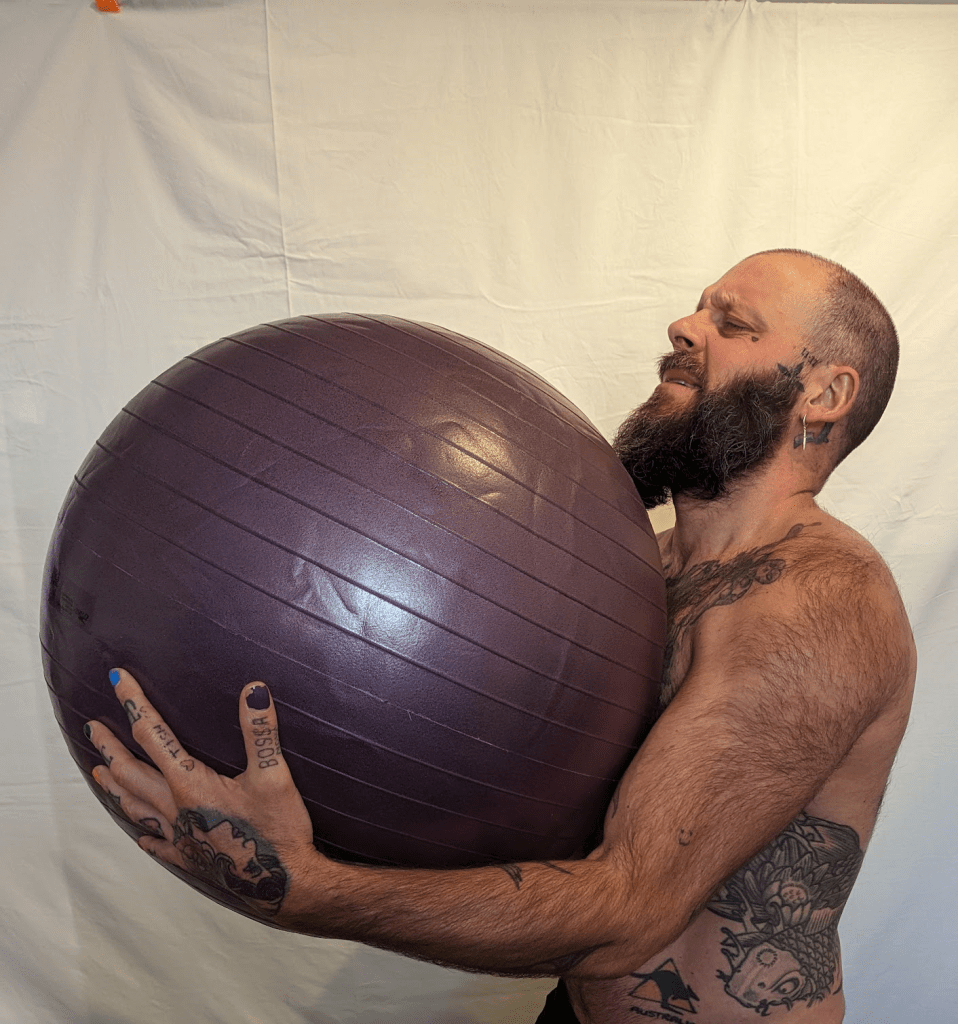
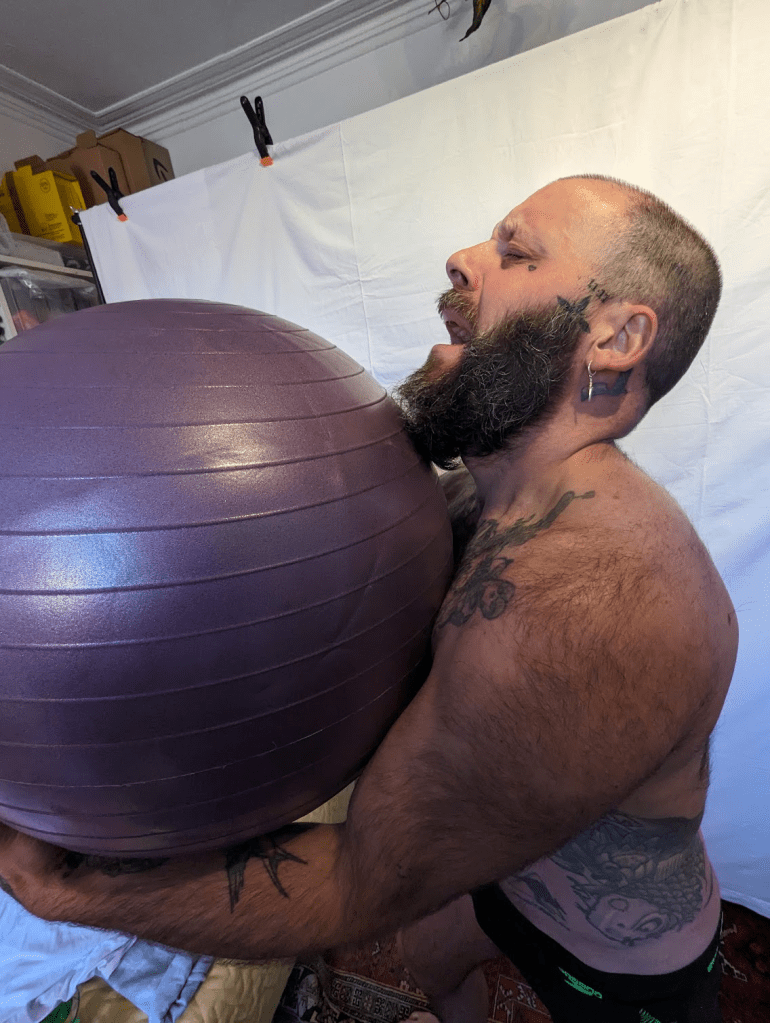
Darren is a perfect troubled Atlas, there were problems with posing with a rubber ball, the weight was not right and I had real issues later on trying to work out how Atlas would pose carrying an unfathomable weight, something I have yet to achieve.
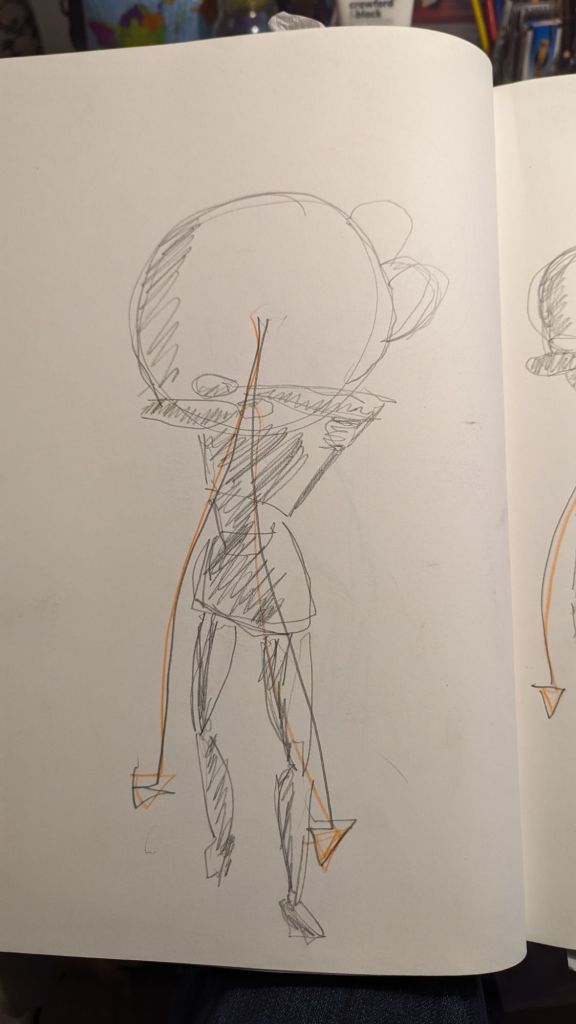
many sketches and a plasticine maquette later
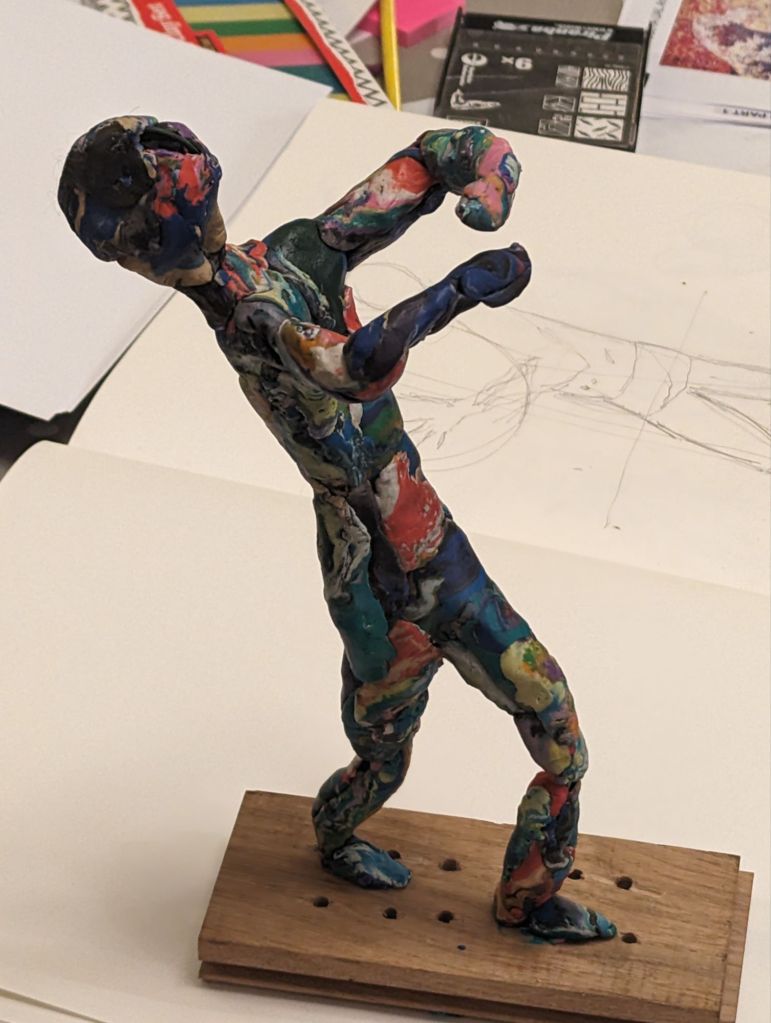
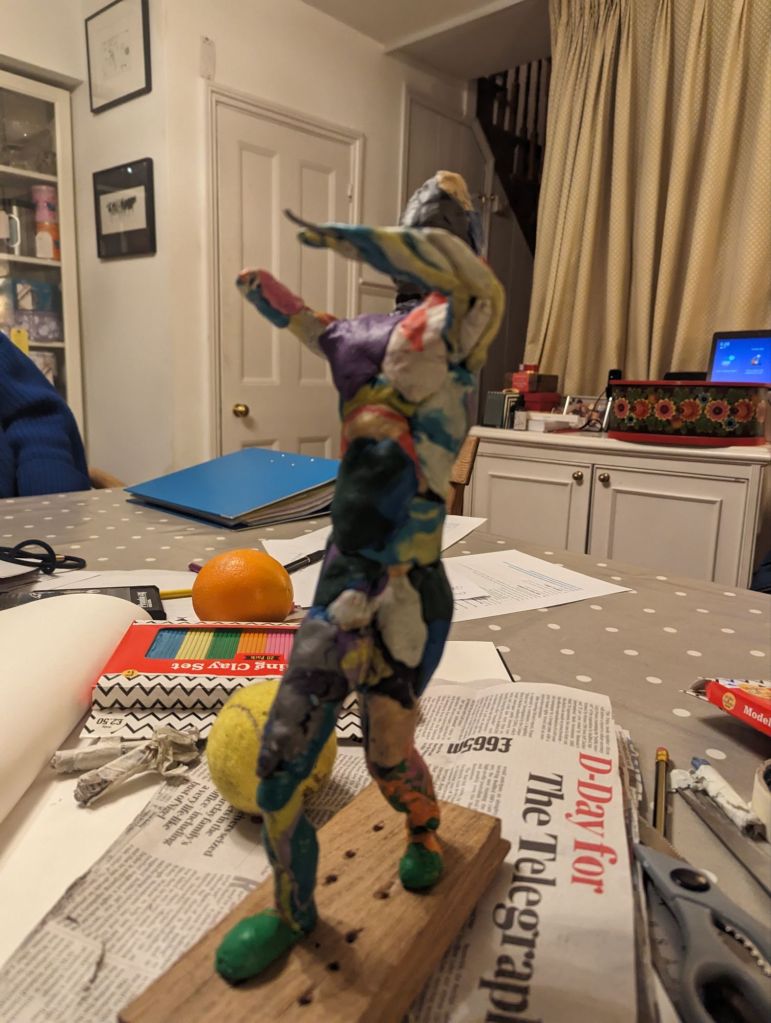
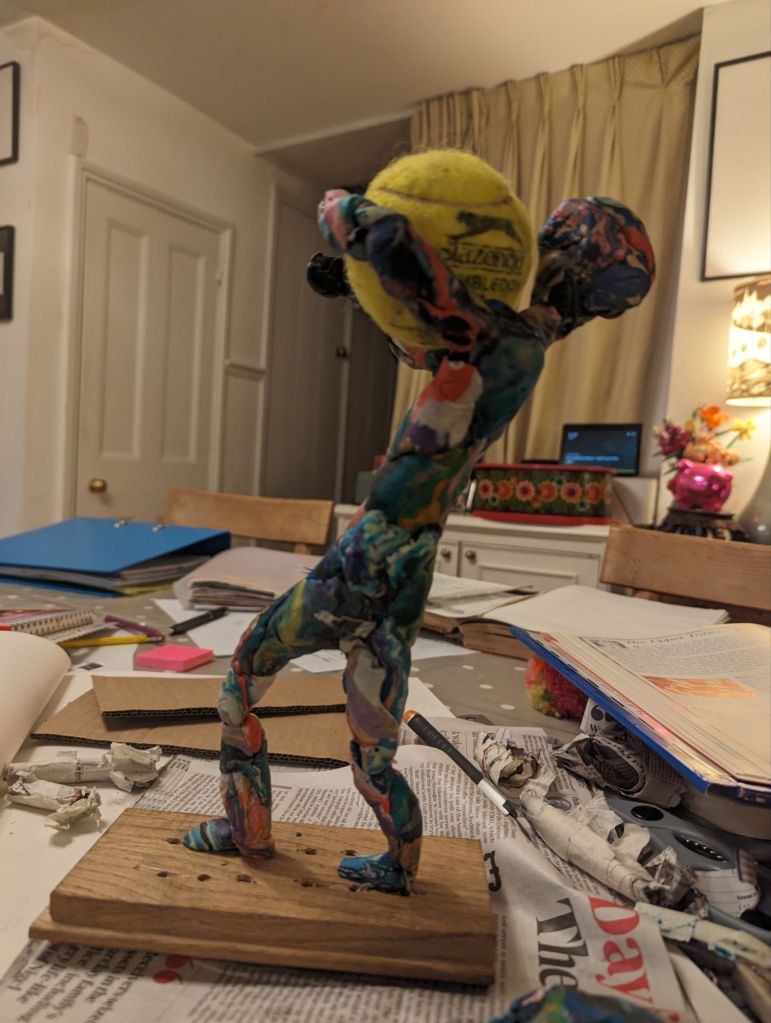
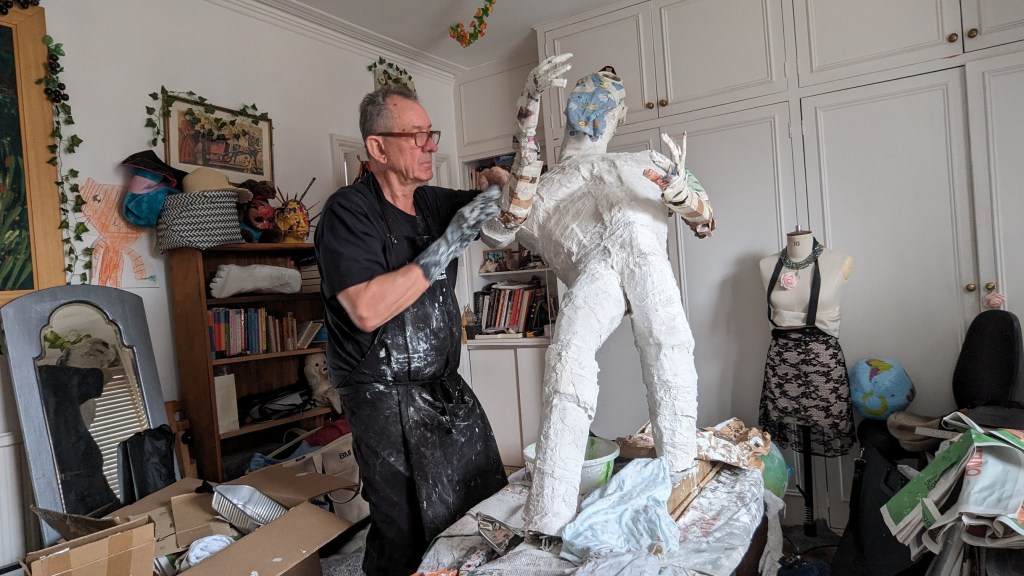
i made an armature from aluminum wire ( 4mm) attached to a repurposed floor board, planning a 1400 mm statue. My original plan was to use polystyrene waste as the form. With respect for my weak lungs I choose to use cardboard, newspaper and masking tape to build the body
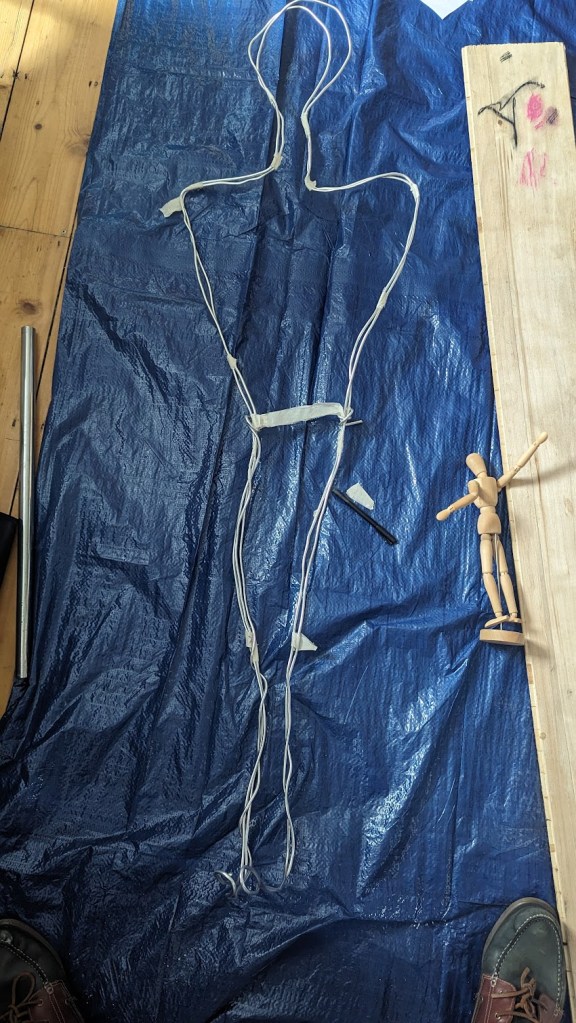
almost immediately I found the aluminium too weak and had to reinforce the ankles to the knees with mild steel kebab sticks

kebab stick support
I continued to build with cardboard, newspaper and masking tape, fixing to the frame. It was not as flexible, but restricted by the righidity of the cardboard I was able to produce a good if top heavy body
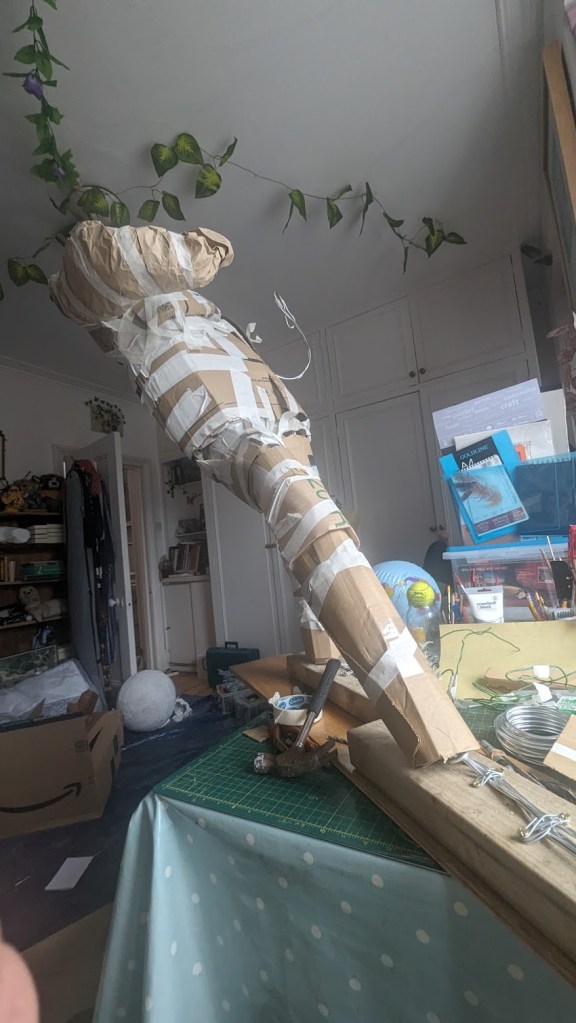
worrying about the permability of the cardbaord I coated it with several layers of PVA glue before plastering

pva glue to waterproof cardboard
during the porcess I watched countless you tube tutorials by expert and amatuer scultptors, they each had different approaches to the application of plaster but were universdal in the mixing of plaster of paris. It has to be treated with respect, I orgiannly stirred the water plaster water mis vigorously but learnt that a gentle addition of plaster to water at a ratio 2:3 and then a gentle hand stir will keep the plaster wet. I initially wrapped the statue in mudroc, a plaster infused bandage. Despite the waterproofing the cardboard became damp and I had to dry it for two days under a fan to circulate the damp air.
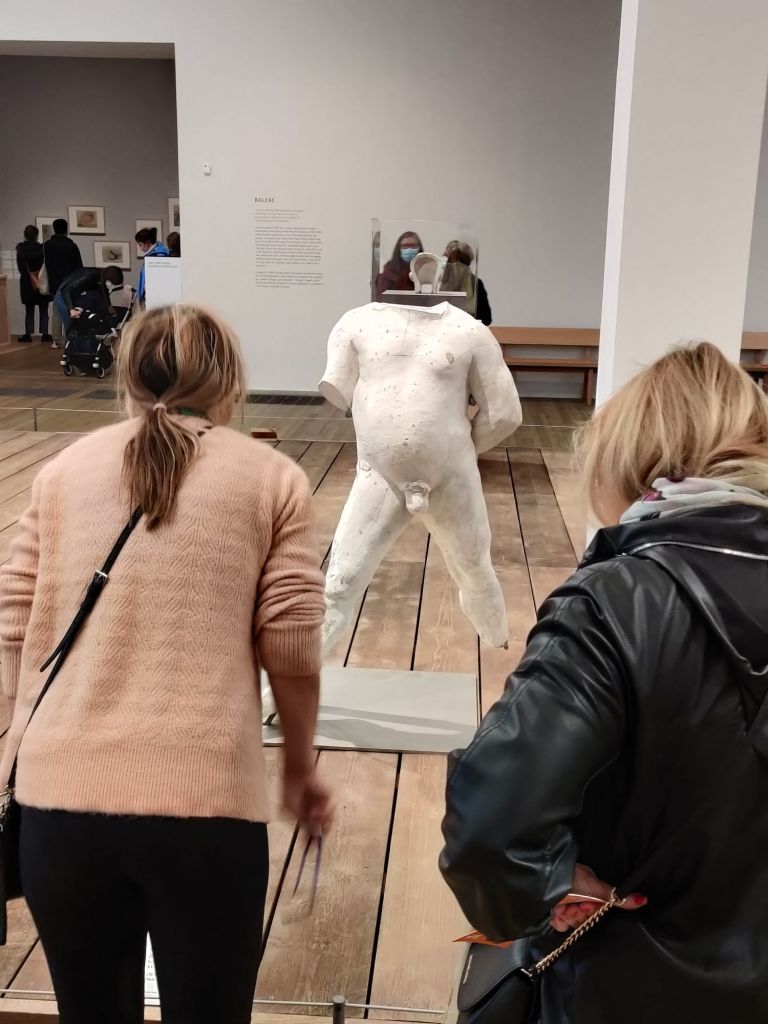
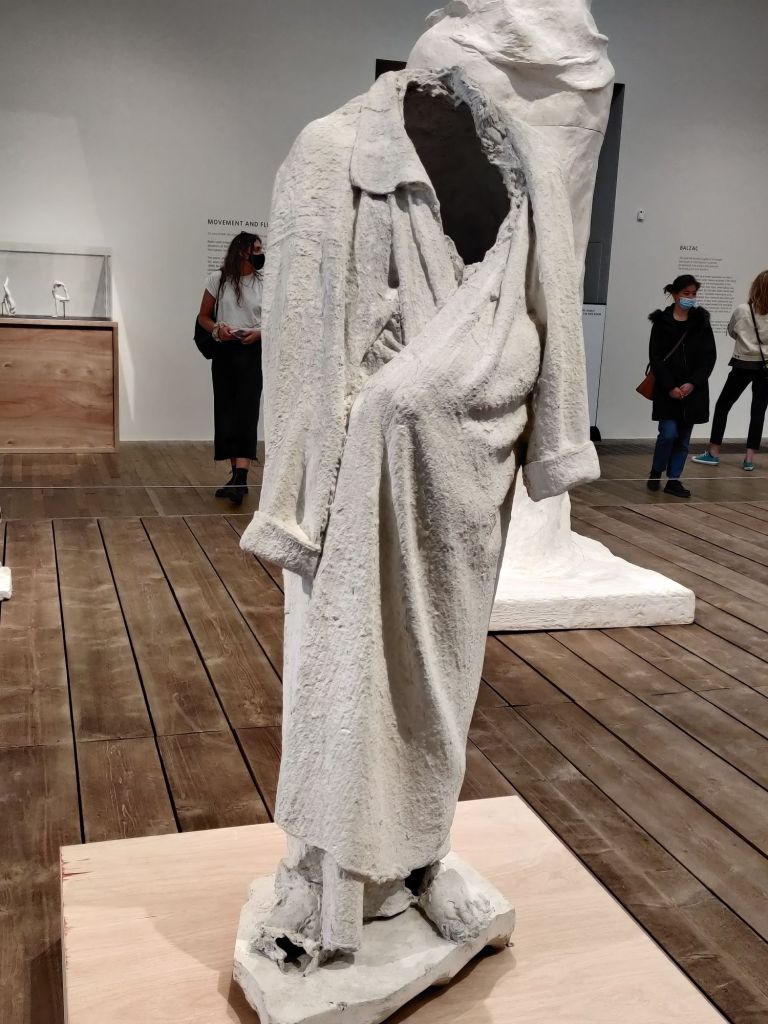
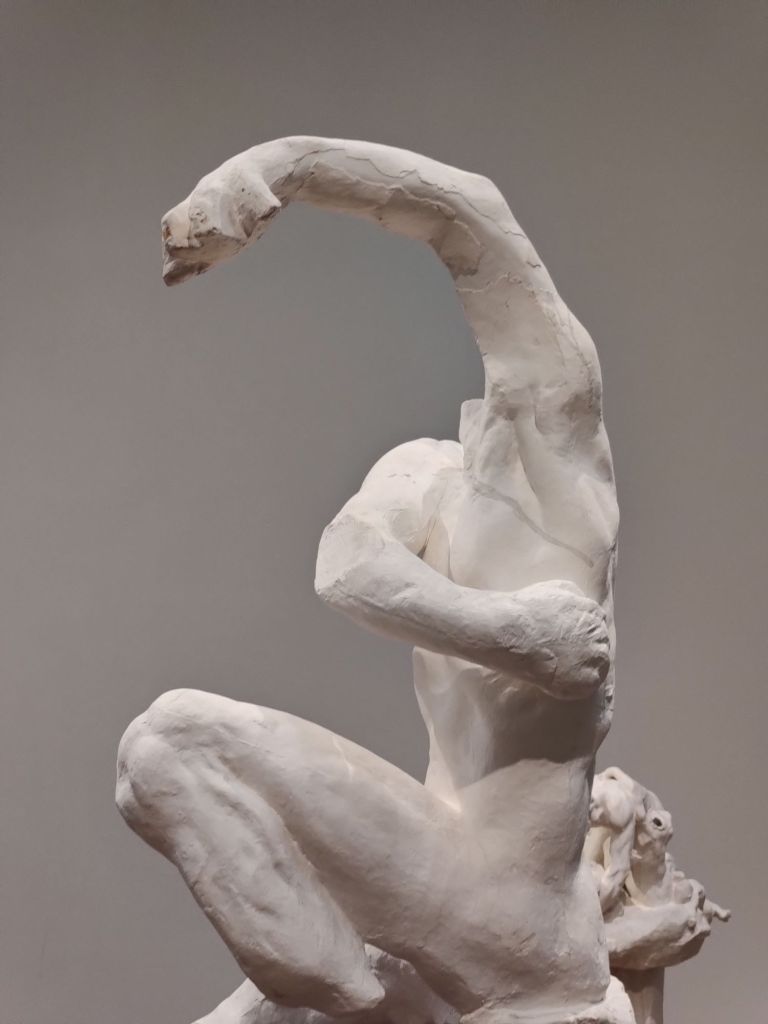
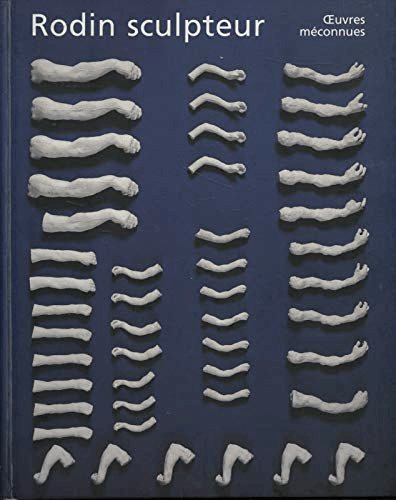
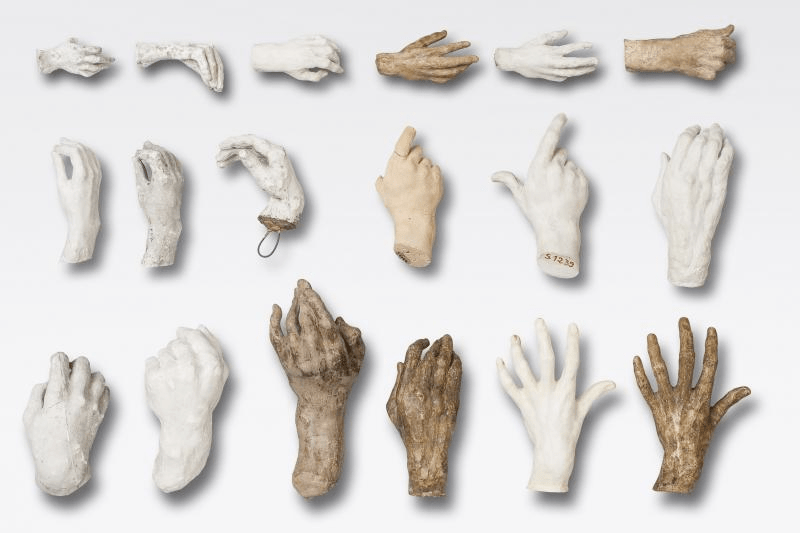
Exhibition at tate modern of rodin’s plasters and working practice
I had been fascinated by rodin and his working pracise, at a recent exhibition in the Tate I learnt that the famous balzac statue had been modeled using a dreesing gown of Rodin dipped in plaster. I made a sarong for the Atlas from a fitted sheet dipped in plaster. It was reasonably successful, keeping the flow of the material and a very pretty bow at the back.
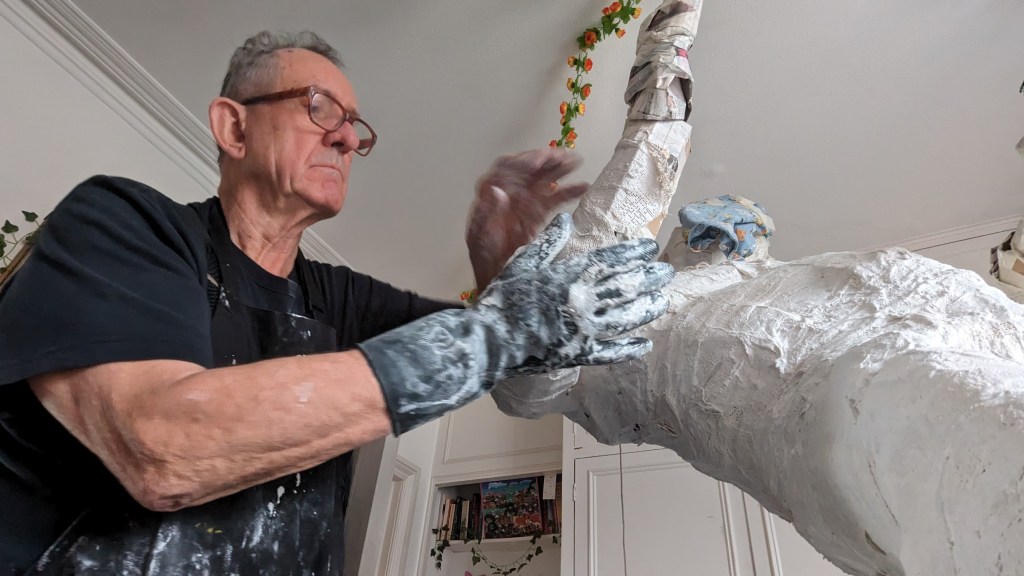
as I worked I fell under the spell of the materials, at first I was hoping for a smooth realistic finish but as I continued with the plaster I enjoyed the rough serendipity of the rapidly drying plaster. Certainly given more time and space I would have reworked some of hte limbs but the final uneven texture gave me an unexpectedly expressive form
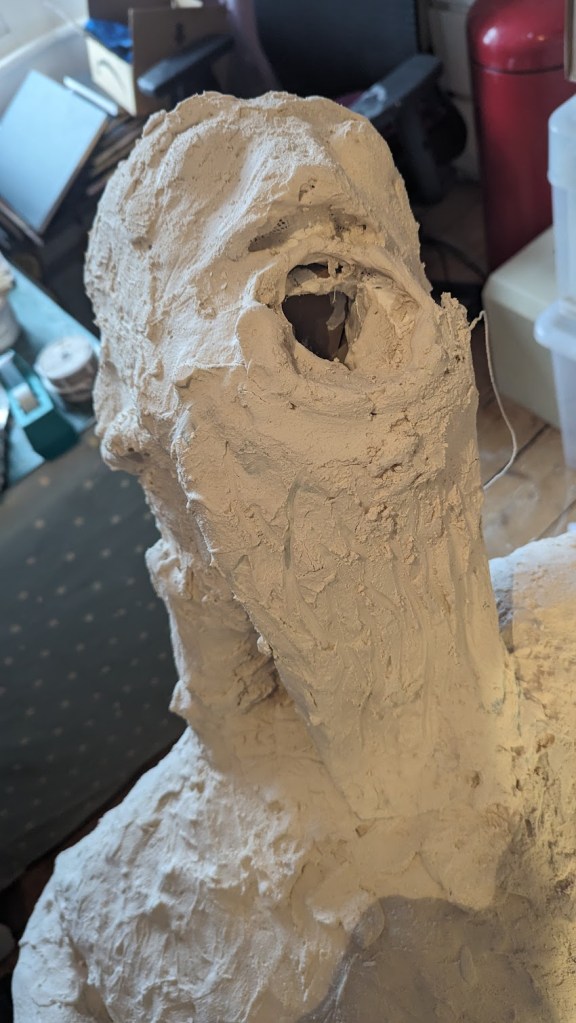
I wound as I built th staue that it skloped back under the wight of the plaster body and eventually I had to use a re enforcing rod to keep it from snapping there were some serious crack around the thighs , hidden and supported by the sarong. I was reassured to see the the Farnese Atlas has a support under one knee
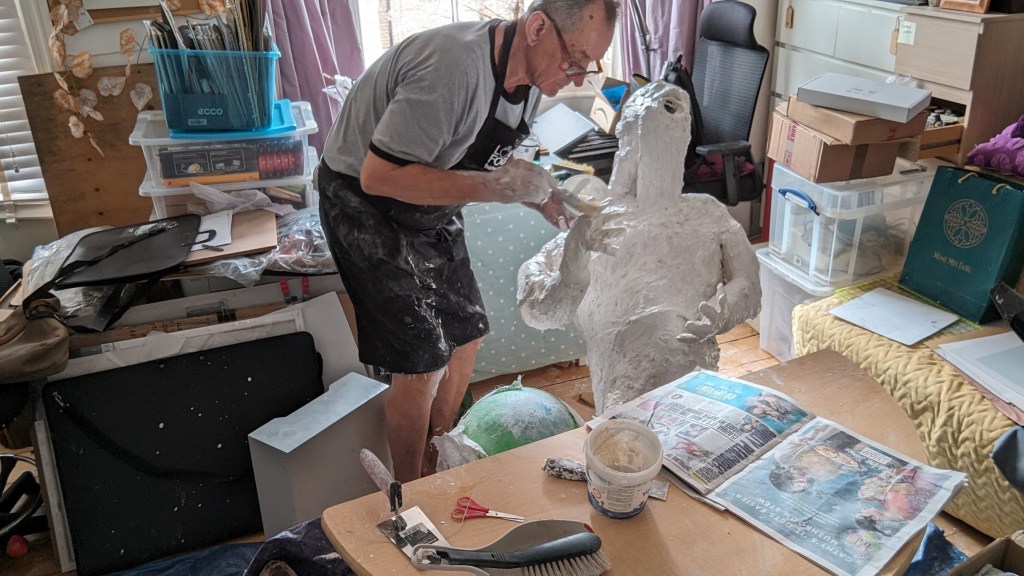
I finally. covered Atlas with a mixture of PVA and white acrylic paint to give it a clean waterproof finish. On exhibition I plan to sprinkle ash and surround the unfinshed feet ( left bare in case I have to remove the wire from the wooden base) with discarded clothes, the mess one sees in a refugee camp . There will be a sound element.
Final outcomes
making the statue was cathartic , I found the engineering , conceiving, m, fabrication deeply satisfying, trying to balance a creative concept with a three dimensional object whose final shape was often dictated by the limits of the materials, the unveness and fast drying of the plaster, the fragile cardboard underlayer and the unfortunately weak central armature limited the statue.
With an opportunity to make it again I would produce a properly welded skeleton from steel with a more considered shape. I would also have worked much harder on the weight of the world. It is still a rubber ball.
I hovered on the boarder of craft and art and am not sure where i found myself. Directed with sadness and anger I do believe that ‘Atlas in Gaza” is a valid piece of art.
I ts future is uncertain, I was proposing to have my fellow students destroy it after its exhibition but there is an opportunity for its temporary display in the garden of Hammersmith Quaker Meeting House, a sculpture that reflects their fundamental message of peace.
Weaving cardboard box
little sticks of pigment, how i discovered and fell for pastels
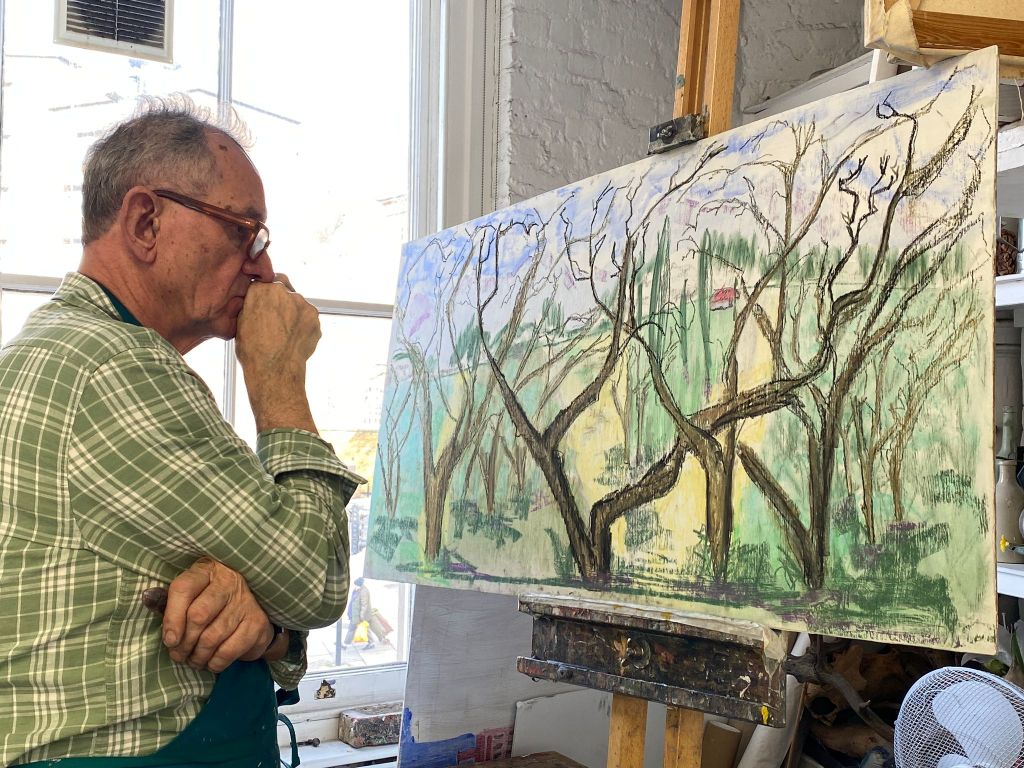
we have been given five weeks to paint, evrey Monday. I decided to make a puppet, a large one based on my Darren/Atlas character. I brought three sheets of ply to cut out and paint. I decided that as I was already making a 3D sculpture a puppet would be redundant and unmanageable I had discussed my drawing with Jill in an assessment and had said that I never cover a page, just draw in the middle and realised that these three rigid sheets were perfect for painting. 140 cm by 60 is quite a surface. I used Gesso and sand paper but found that the wood was still very absorbent and acrylic paint although they left an intersting image, especially after sanding it was not what I was looking for. Patels were the answer, the rough surface of gessoed ply is a perfect ‘toothed surface’ for soft ( not oil) pastels.
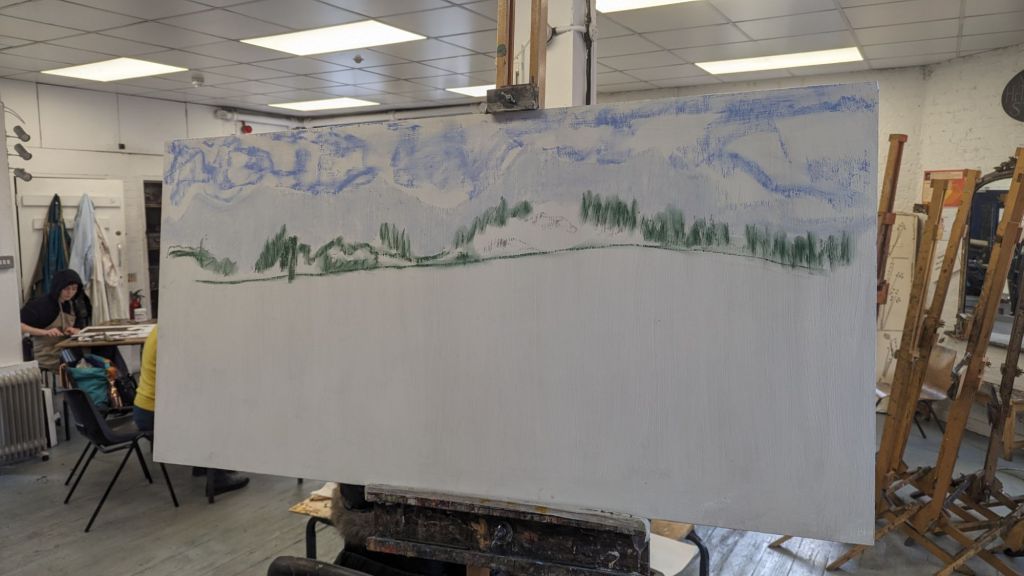
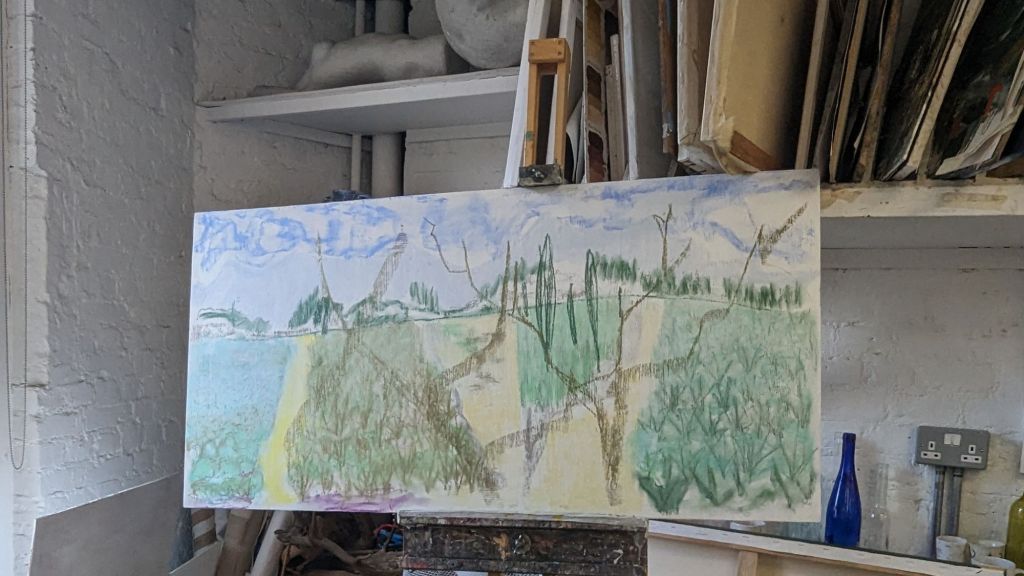
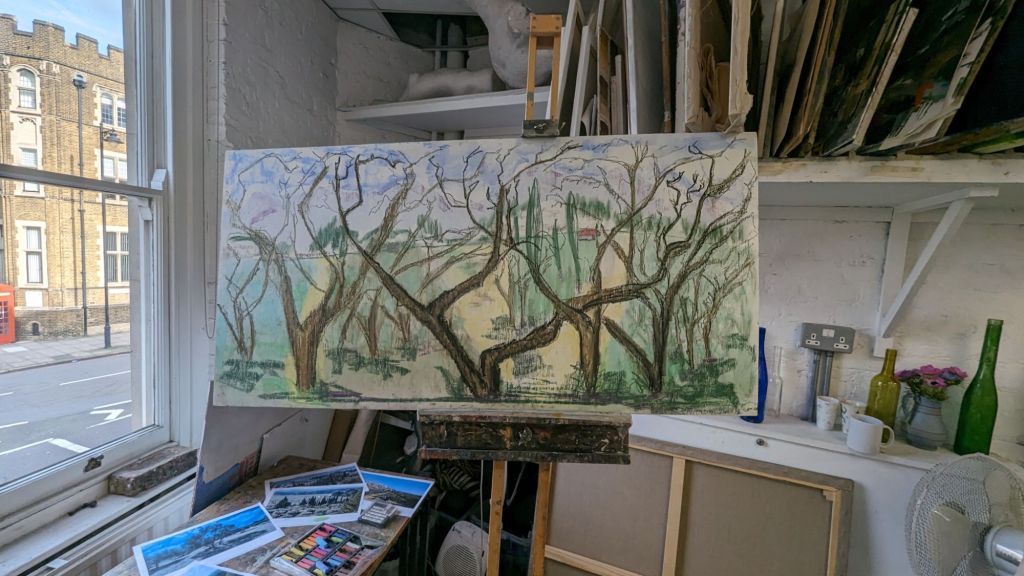
it was immediately exciting, making marks with chalk on a rough surface, in colour, I felt like a cave artist of the first graffities. Working from one side of a frame to the other was also a new and interesting experience, a challenge in composition as I was synthesizing half a dozen photographs

at an exhibition at the Royal Academy ‘Impressionists on paper” I looked hard at the Degas pastel ‘After the Bath’
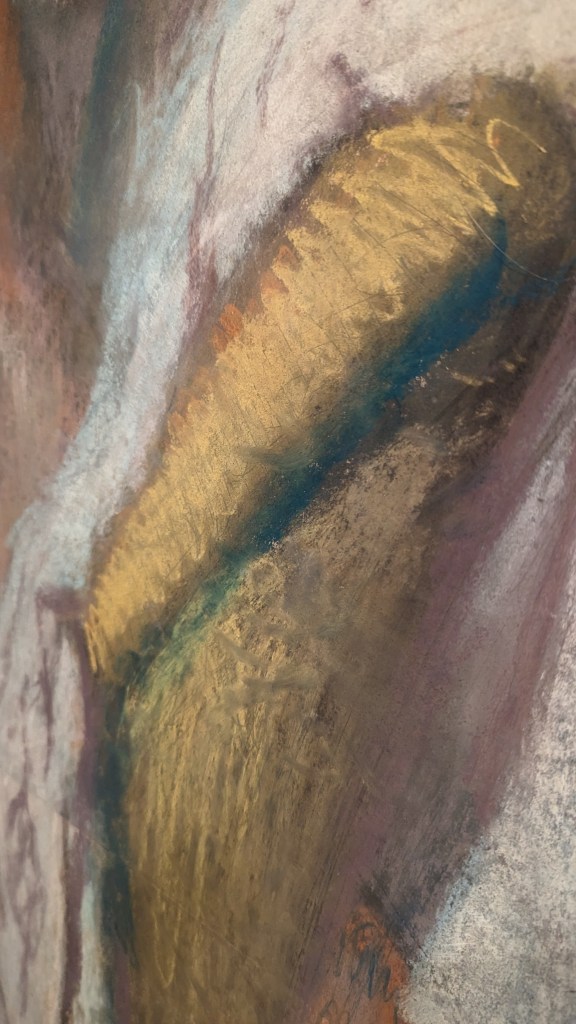
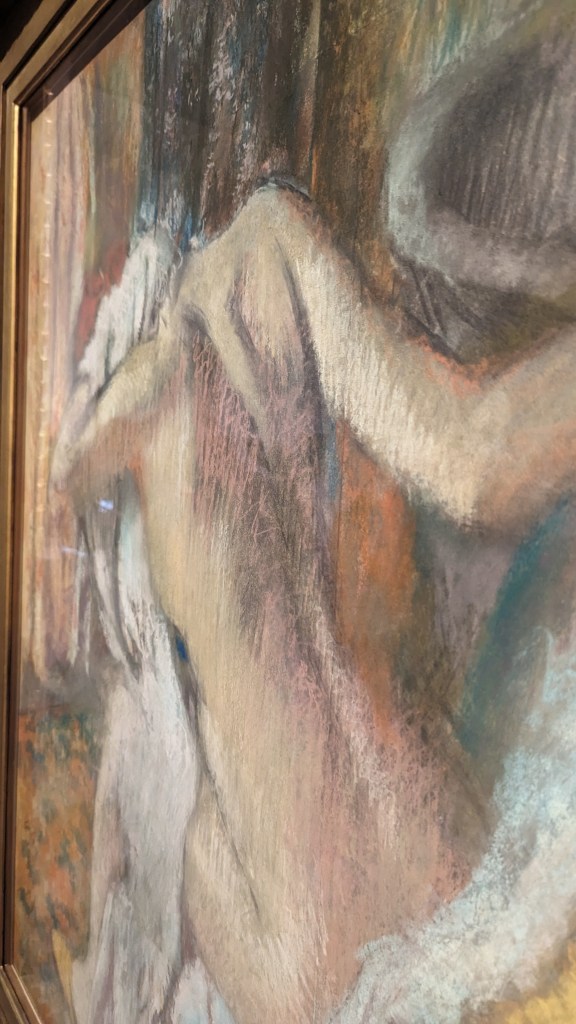
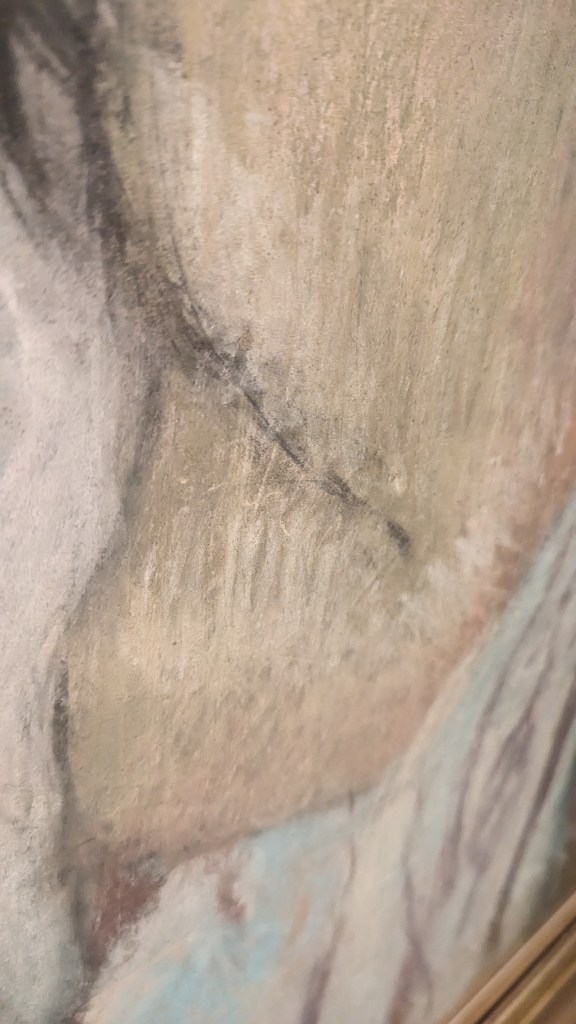
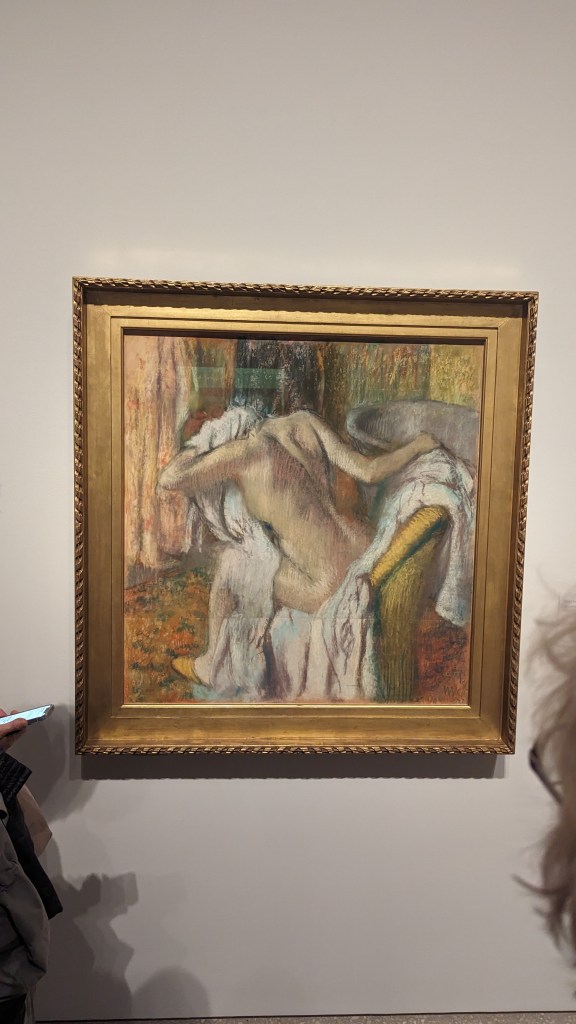
A true master, Degas was able to use a new medium in a fact and comfortable way, using layers , blending and subtraction in erasure with fast and confident stokes to produce a stunning picture in compostion, colour and tone
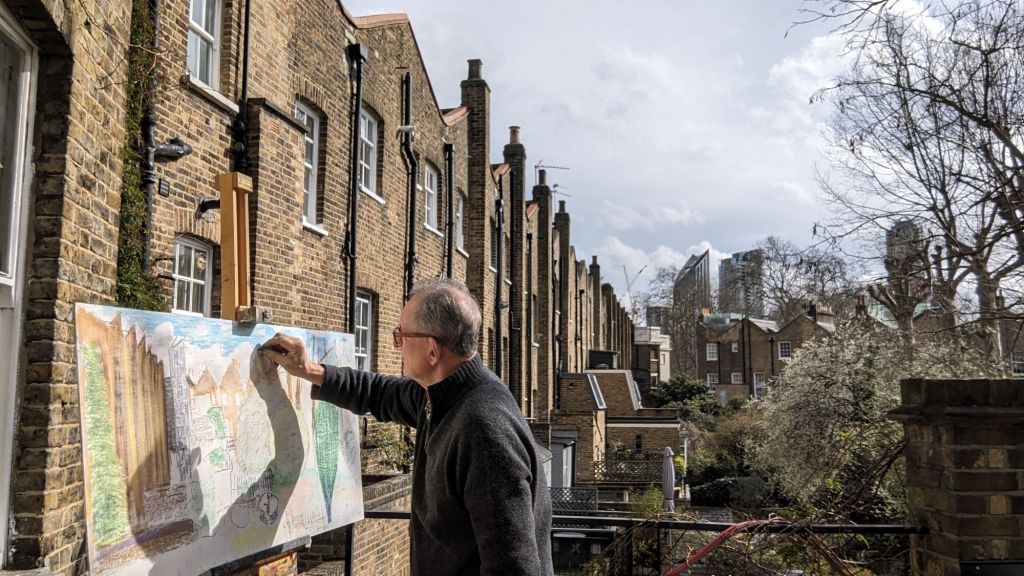
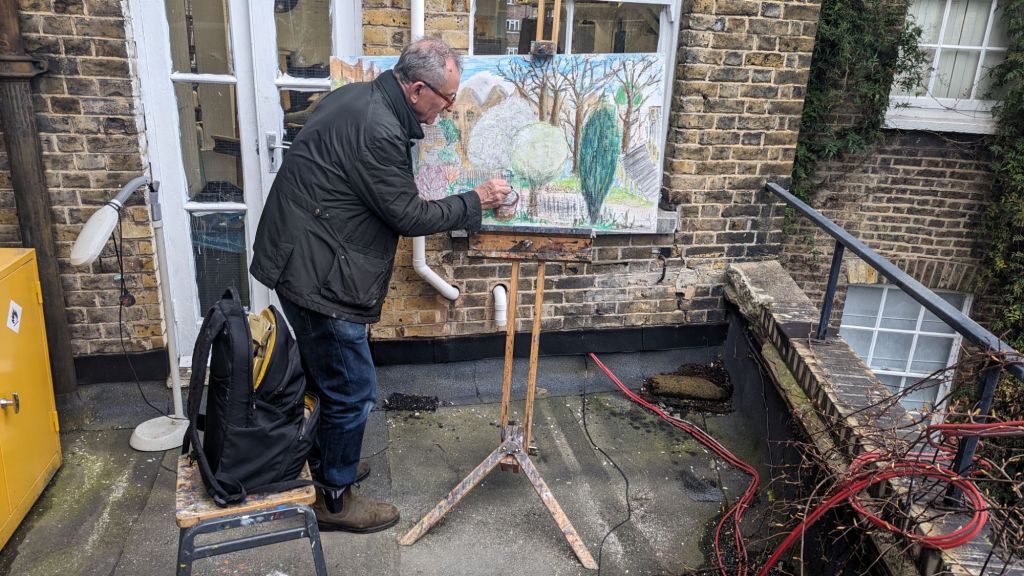
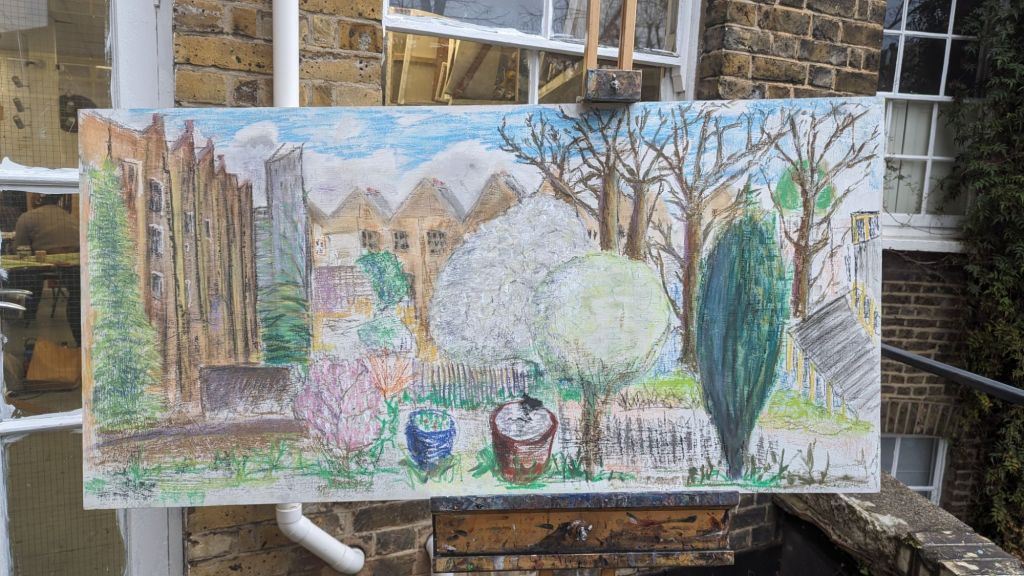
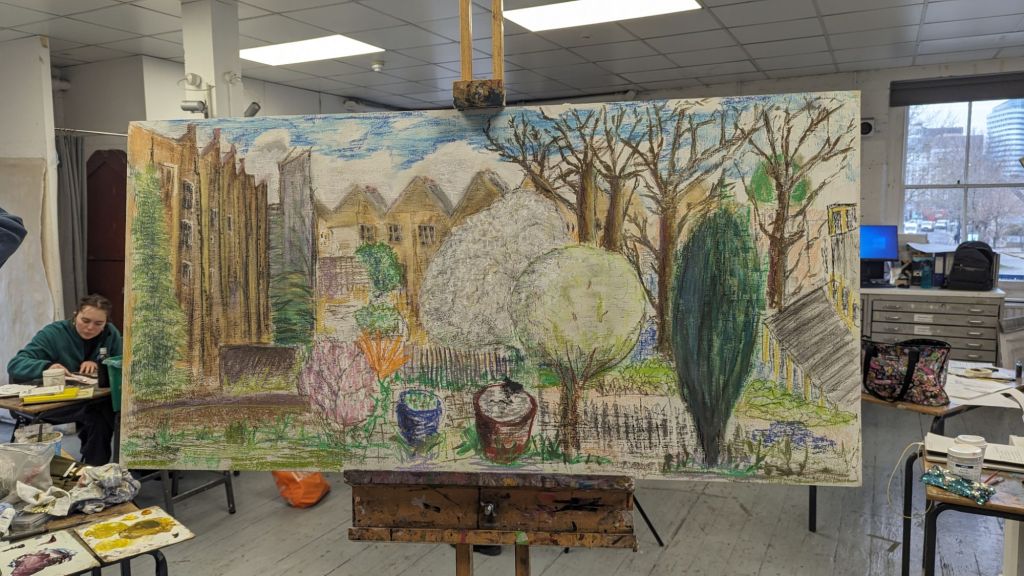
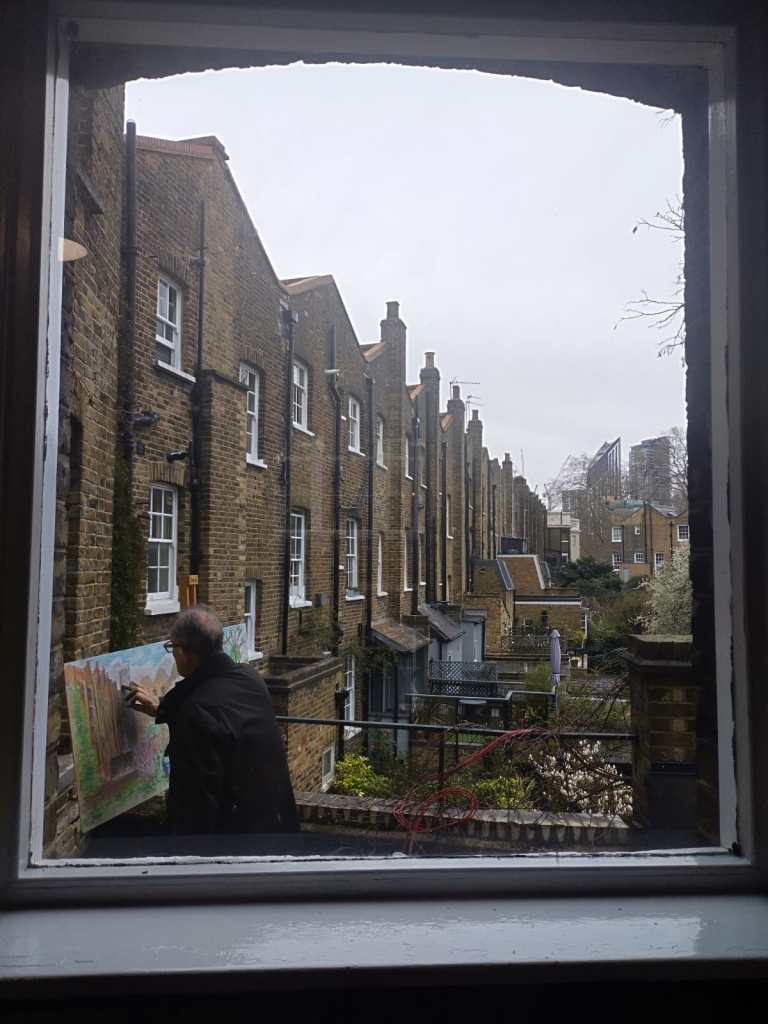
for my third board I went outside on a beautiful spring morning and painted the scene from the studio balcony. It was very intersting to track the movement of light during the day, from trees in bsilhouette in bright morning sunlight to the the even overcast light of the afternoon.
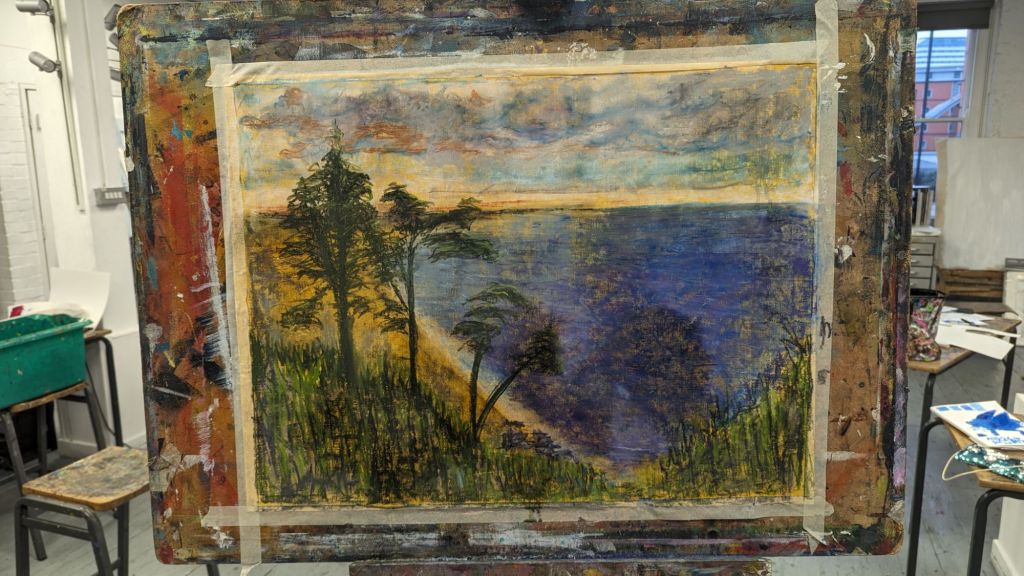
on the 4th week I worked on the boards, already fixed but they took a further layer of pastel comfortably, I was able to think more about the light I hoped to capture and how to sucessfully add depth by renedring the far back ground soft and faded. I am not so sure how successful I was.
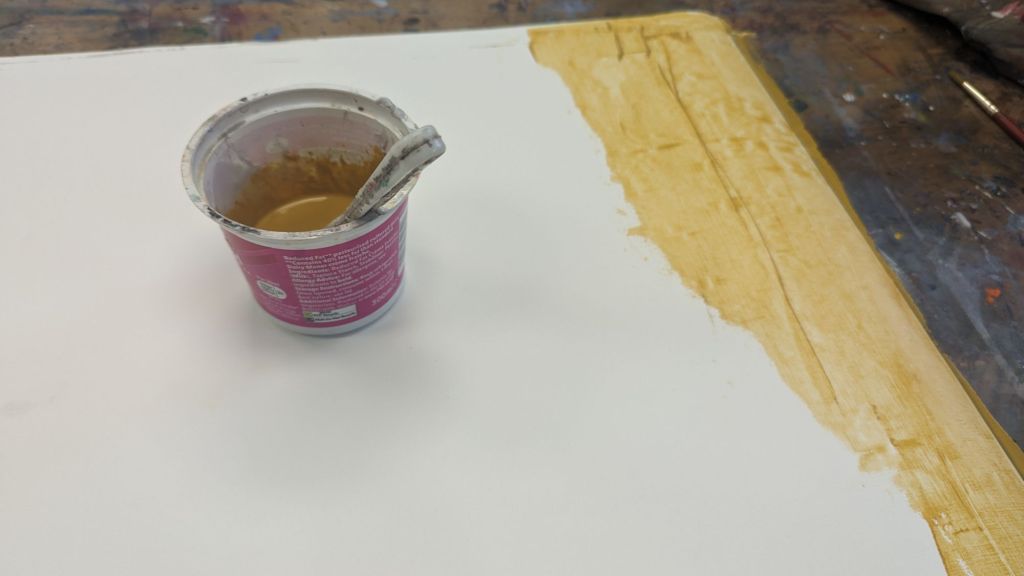
I coated a sheet of heavy accrylic with Golden Pastel ground, diluted with 40 to 50 with water and a small amount of yellow ochre acrylic paint. It resulted in a a good well toothed surface but I could have added less than half yellow ochre (enough to cover a finger nail. I learnt that some artists colour differnt areas of ground as a prepared background. The result was a pleasing yellow ochre background, I decided to paint a familiar sunset at a beach I had visited in Brittany . The sea was a challenge as it is as I used a mix of ochre and a silvery grey. I was satisfied to wherr i had got to in three hours, unfortunately I used a very wet fisatave from too close and the pigments ran. In a not unpleasing way. I look forward to see the results next week
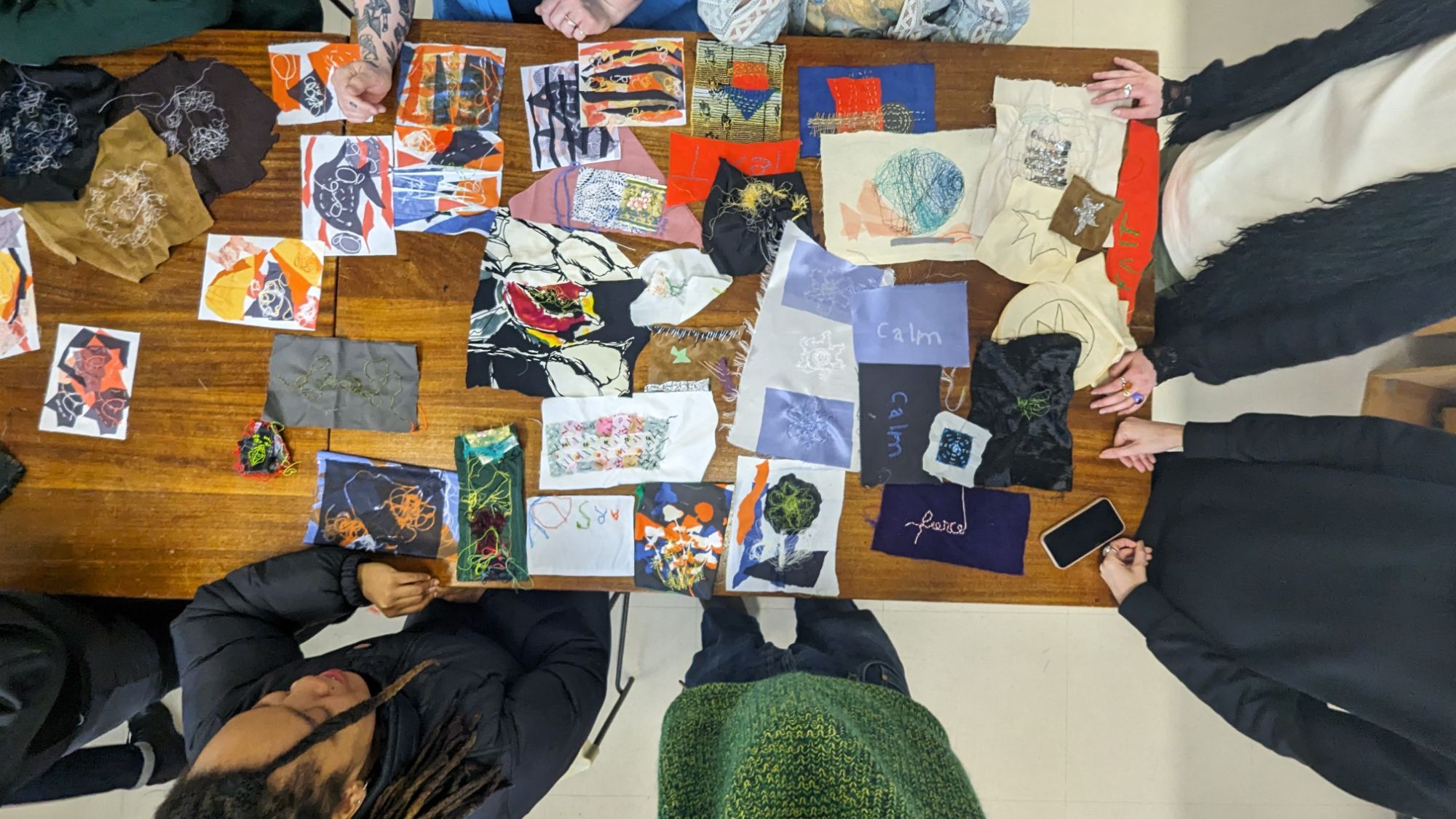
Not such invisible mending and stiching
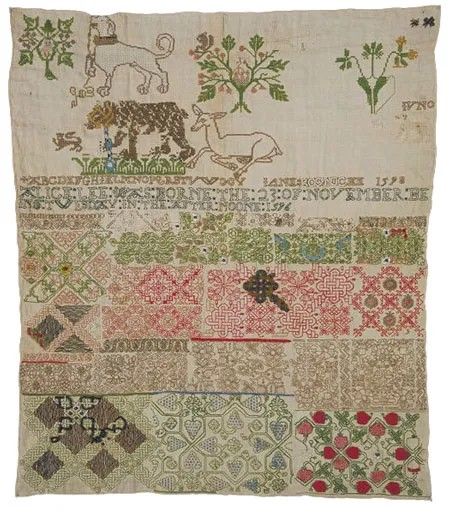
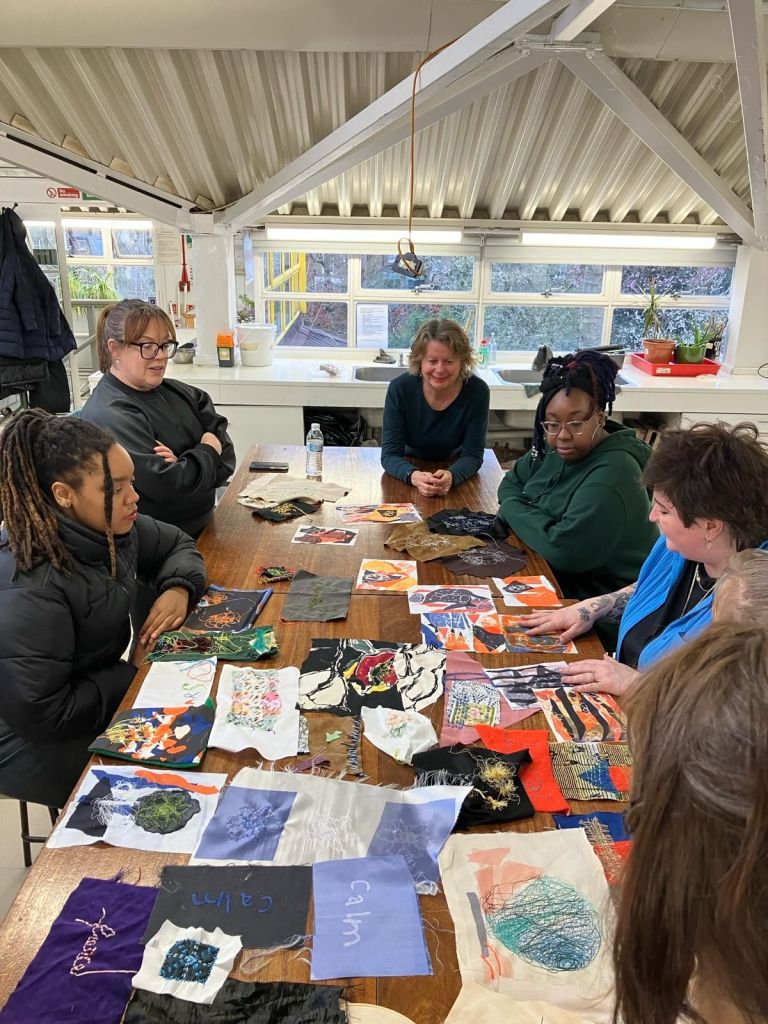
We met on Friday to discuss stiching and embroidery, where necessity, craft and art intersect. The western European tradition of sampling,where, women produced fine and decorative examples of embroidery producing patterns, religious tracts, or images of familiar objects, animals and houses. Occasionally the embroidery would be personal and confessional
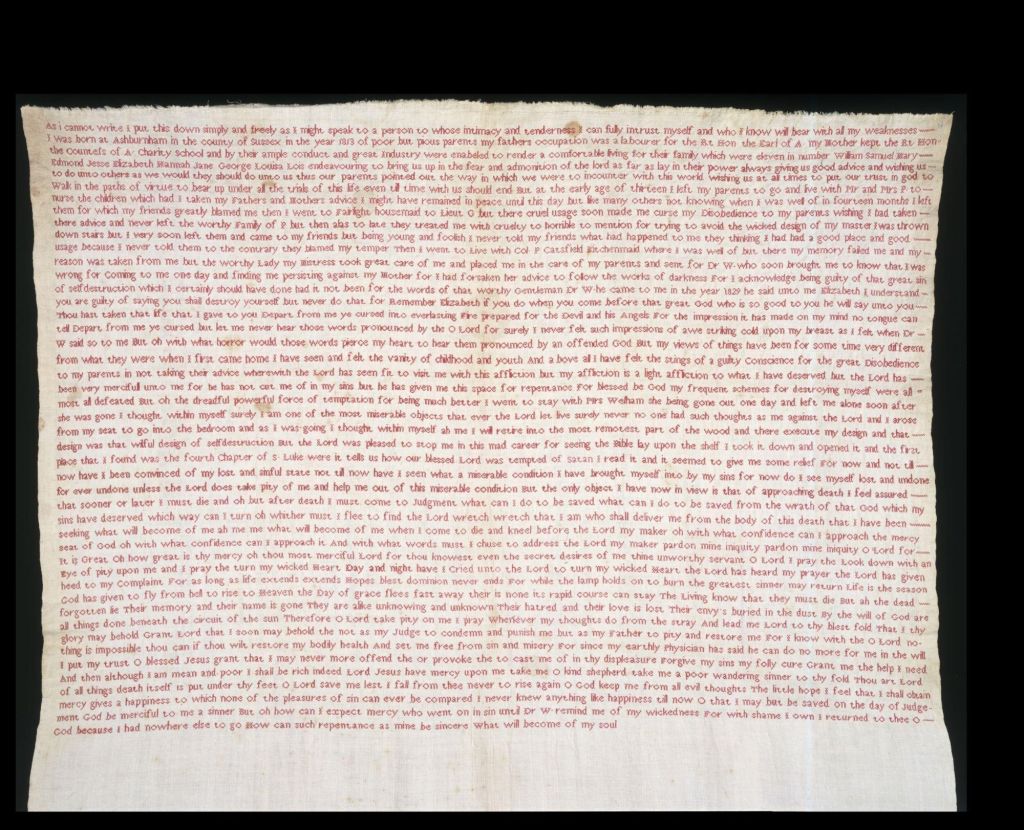
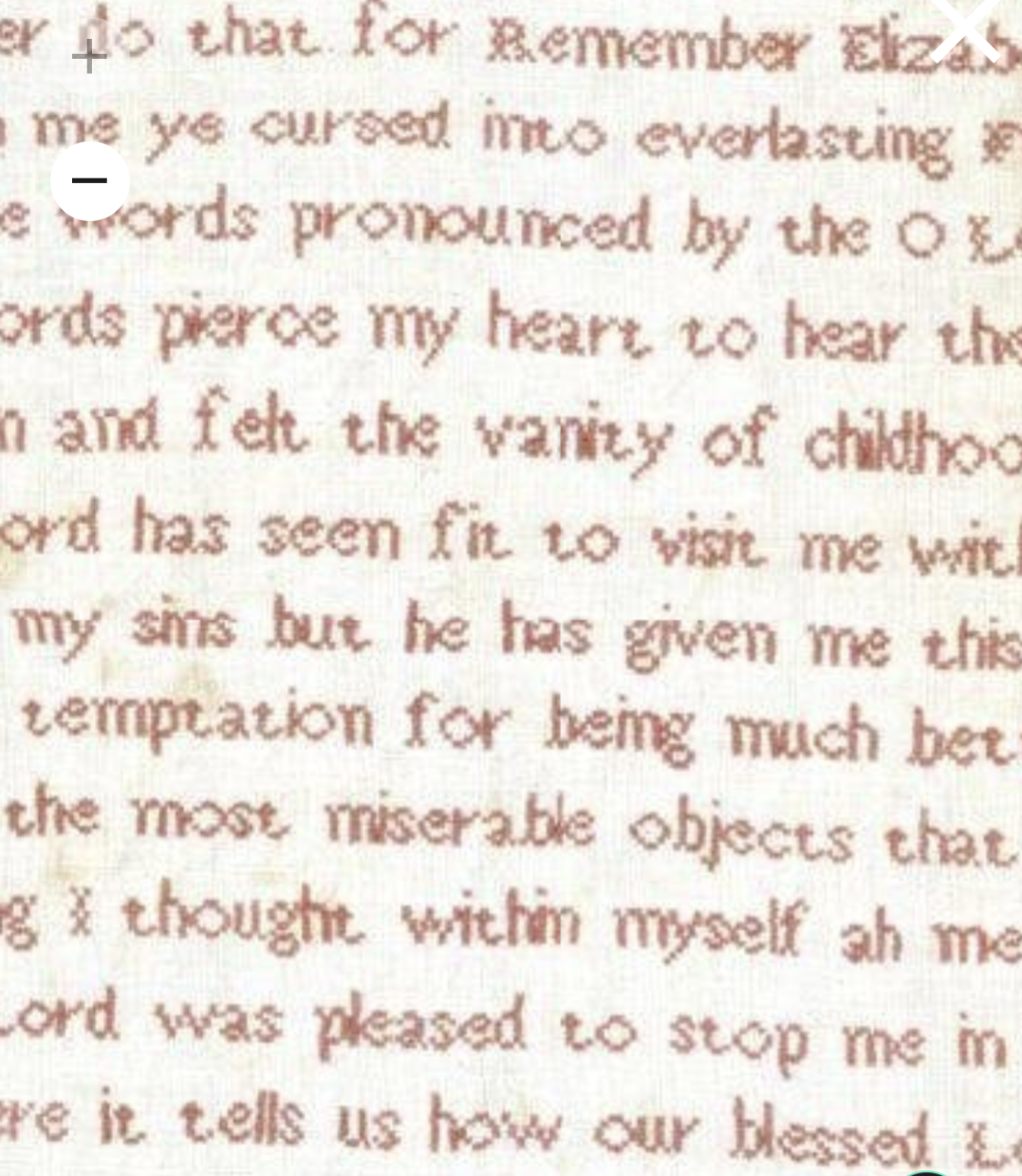
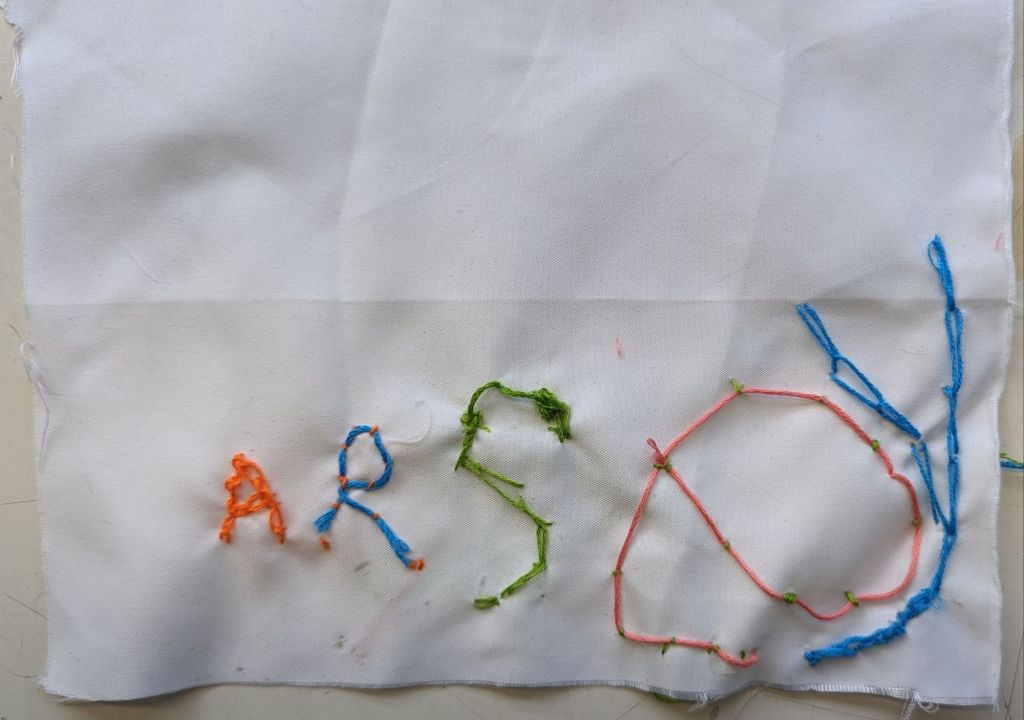
We produced our own stitched word expressing identity.
We discussed Boro( repairing patchwork) and Sashiko ( decorative and overt stitching)
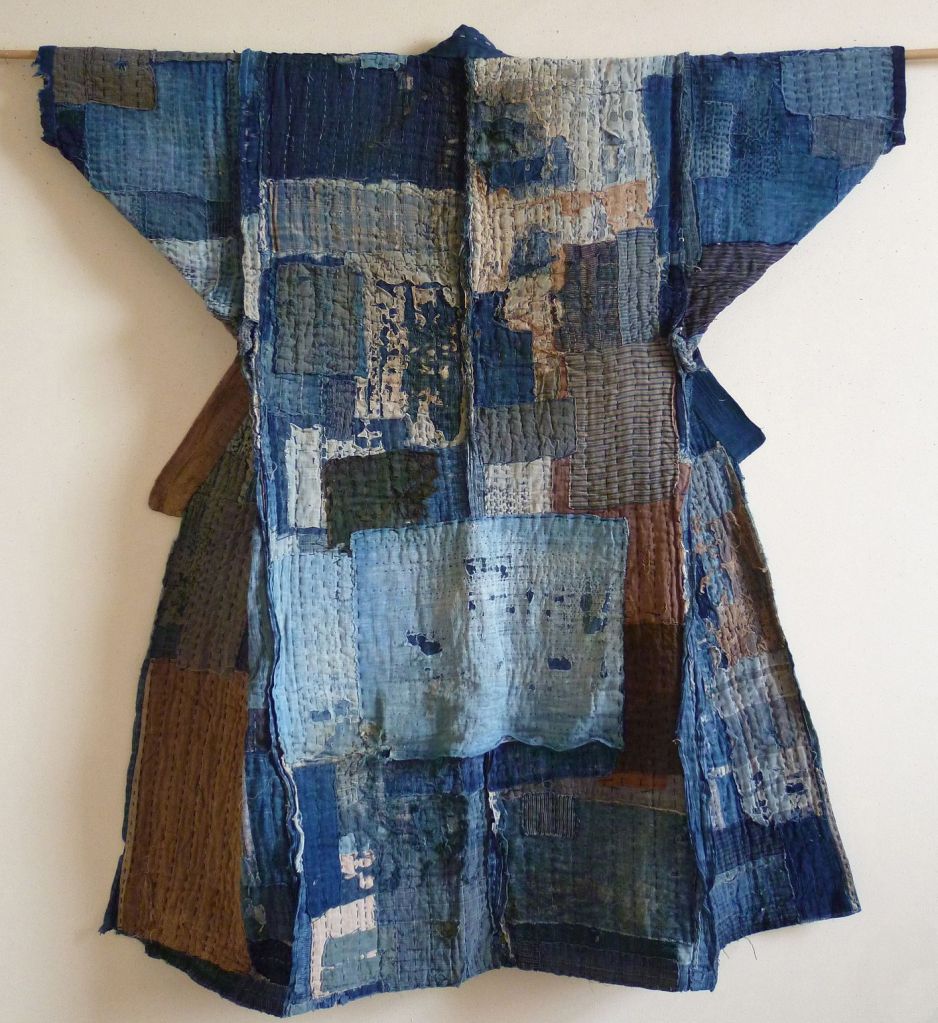
the Boro tradition of visible repair,developed out of necessity became recognized as a craft and eventually embraced as an art form.
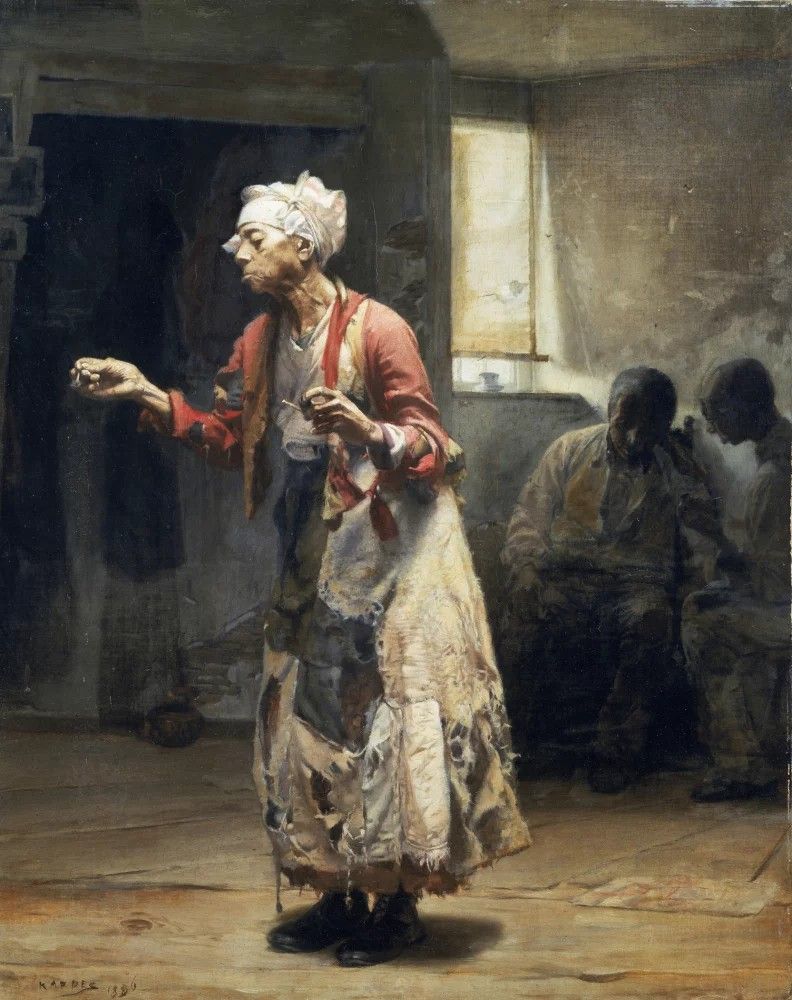
The patched clothes of the western poor received no recognition.
Sashiko sometimes a decorative and overt form of stitching with thick thread of a contrasting colour, the opposite of the discret hidden ‘ invisible mending’ of the west
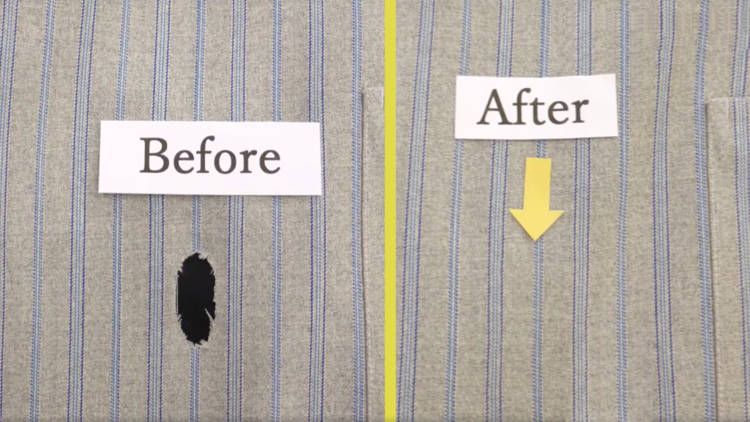
Although ironically some of the best practices were imported from Japan.
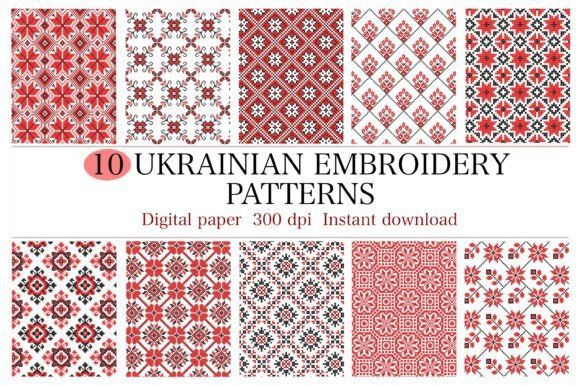
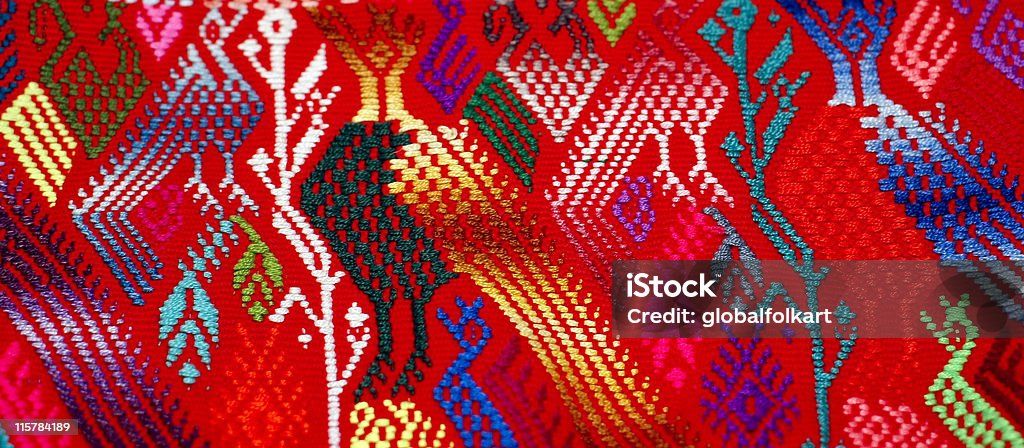
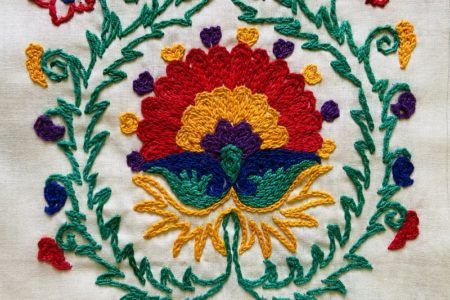
Across continents and centuries embroidery is used not only as decoration.but takes symbolic, religious and distinctive forms of regional Identity.
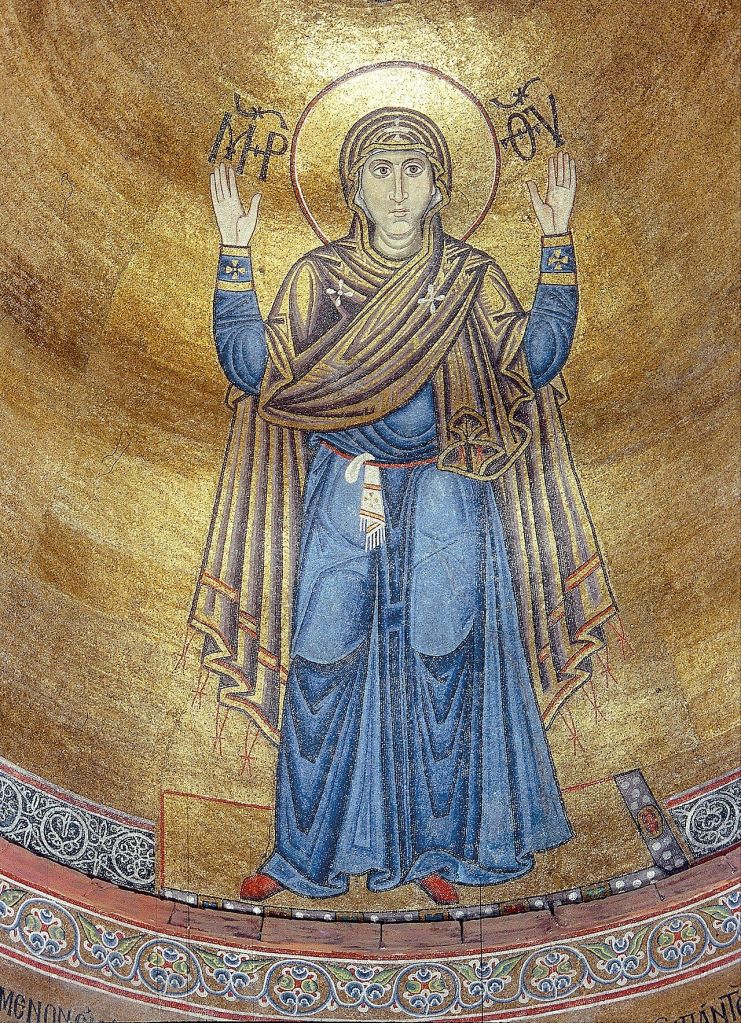
A day of sewing gave us all an opportunity to reflect on the relaxing, mindful aspect of handsewing, a long tradition of group activity
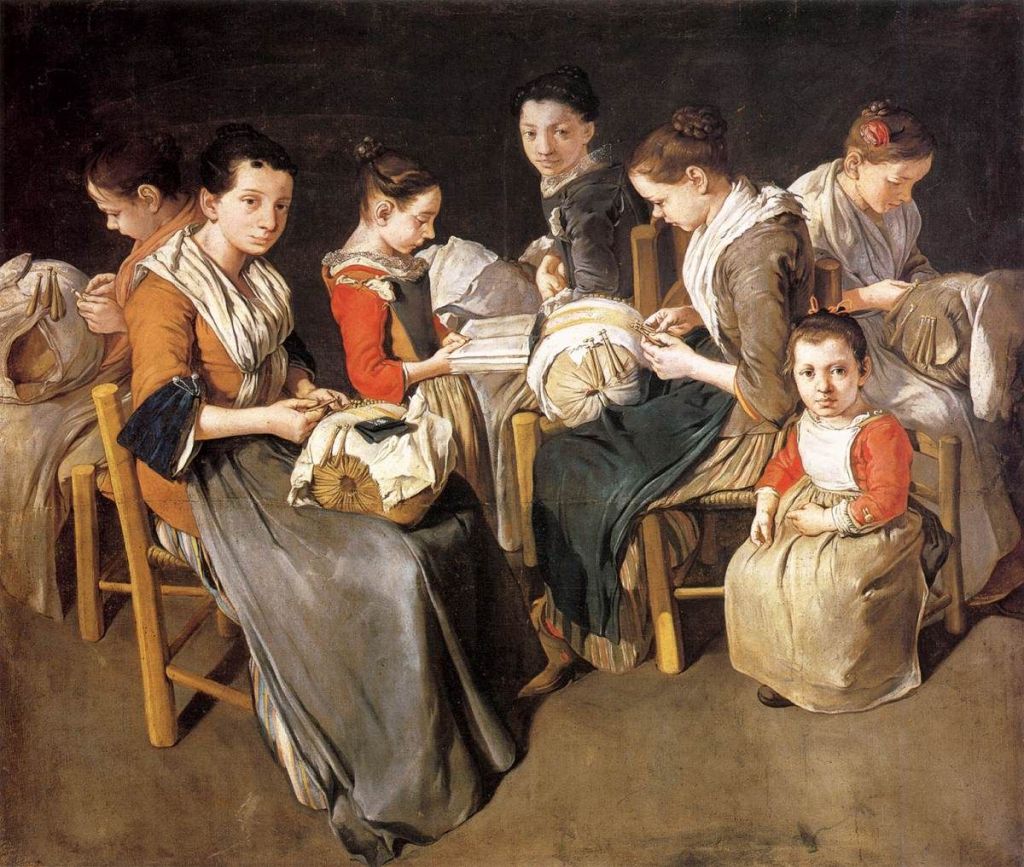
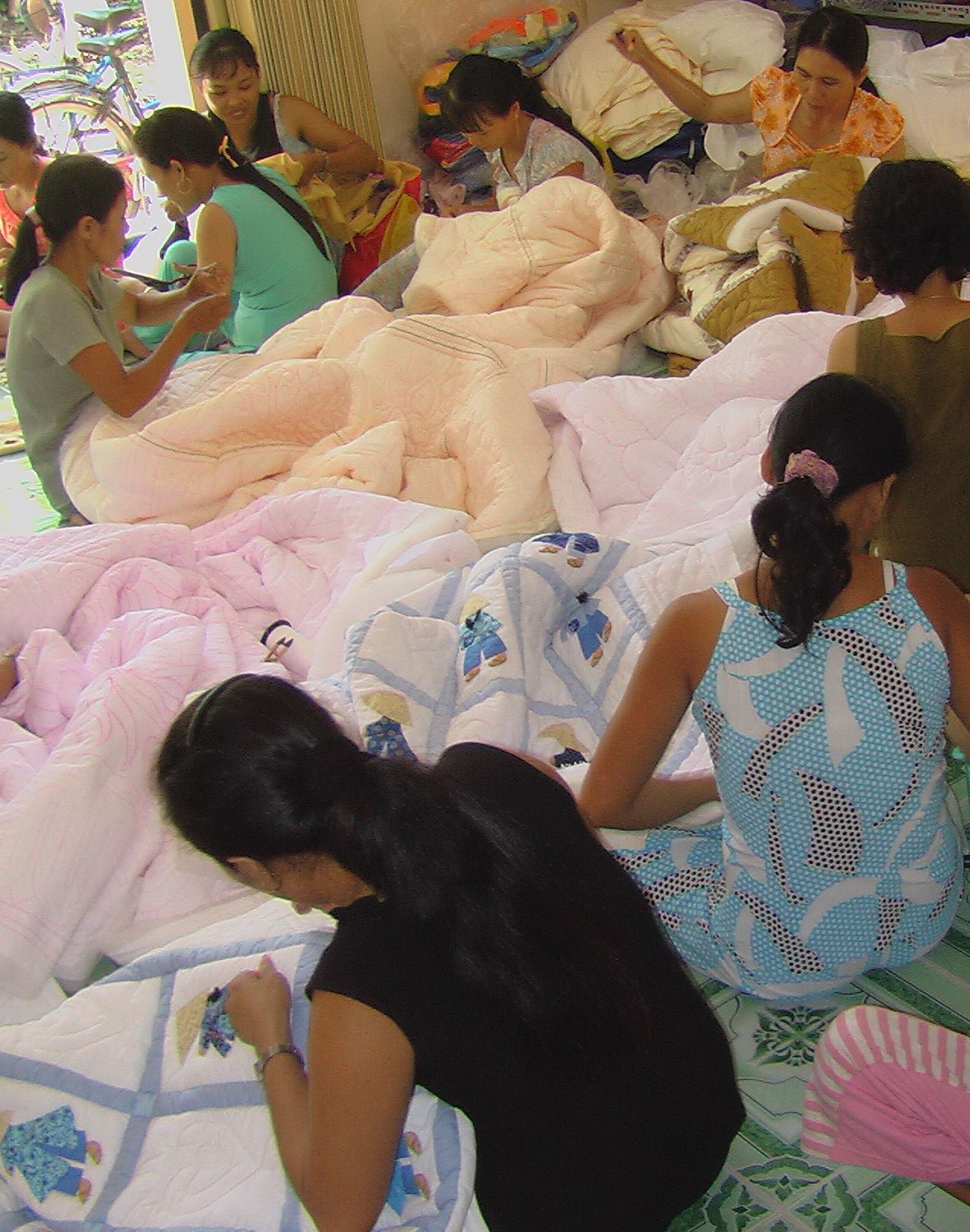
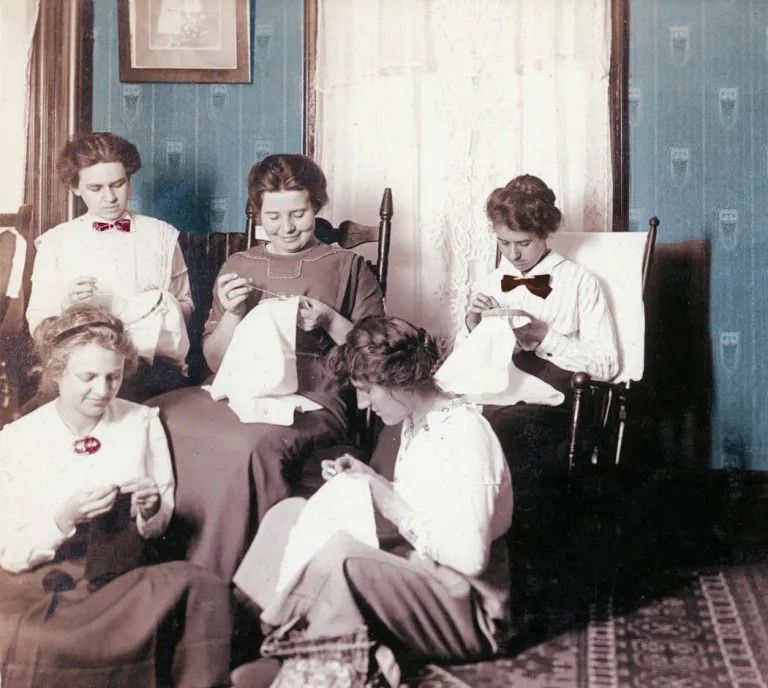
We sewed and gossiped, helping each other out as we learnt a new skill
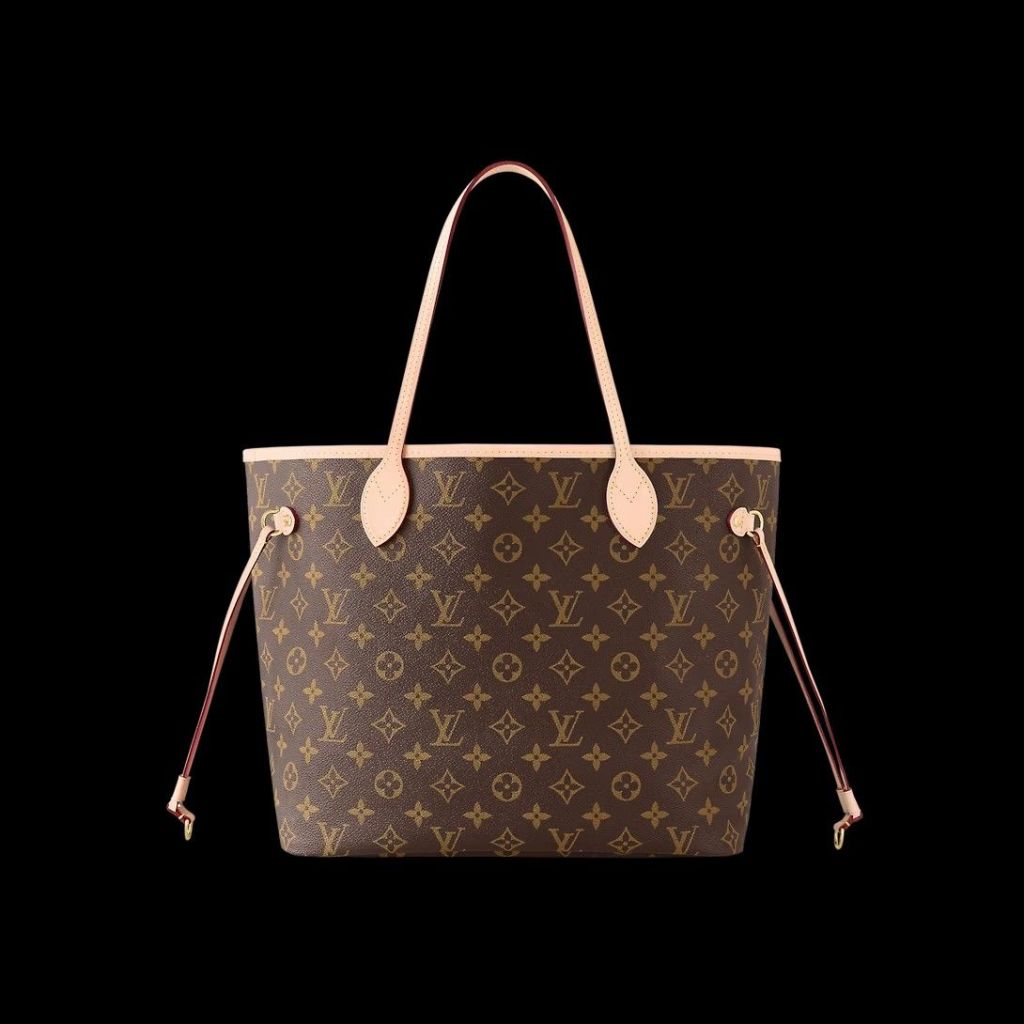
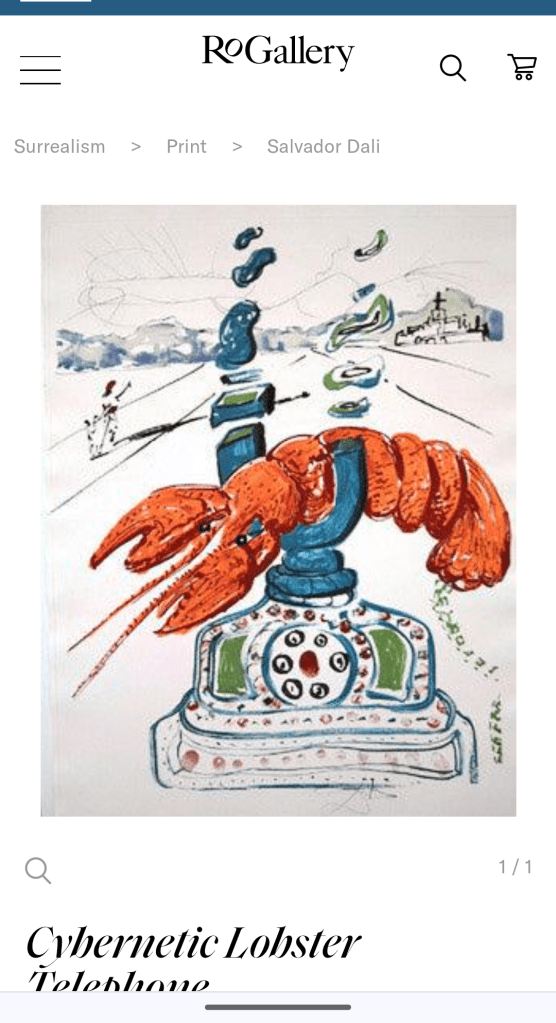
A Louis Vuitton handbag or a Salvador Dali print
In a fascinating class introducing us to the world of textiles , their uses, manipulation, decoration, and the fine line between a piece of art and a product,my fellow student SUKI presented an exquisite printed and sewn bag as her art piece, a framed printed fabric as her object , Framed, and priced. It was the perfect argument for crossing the lines between craft, art, and the fetishistion of products.
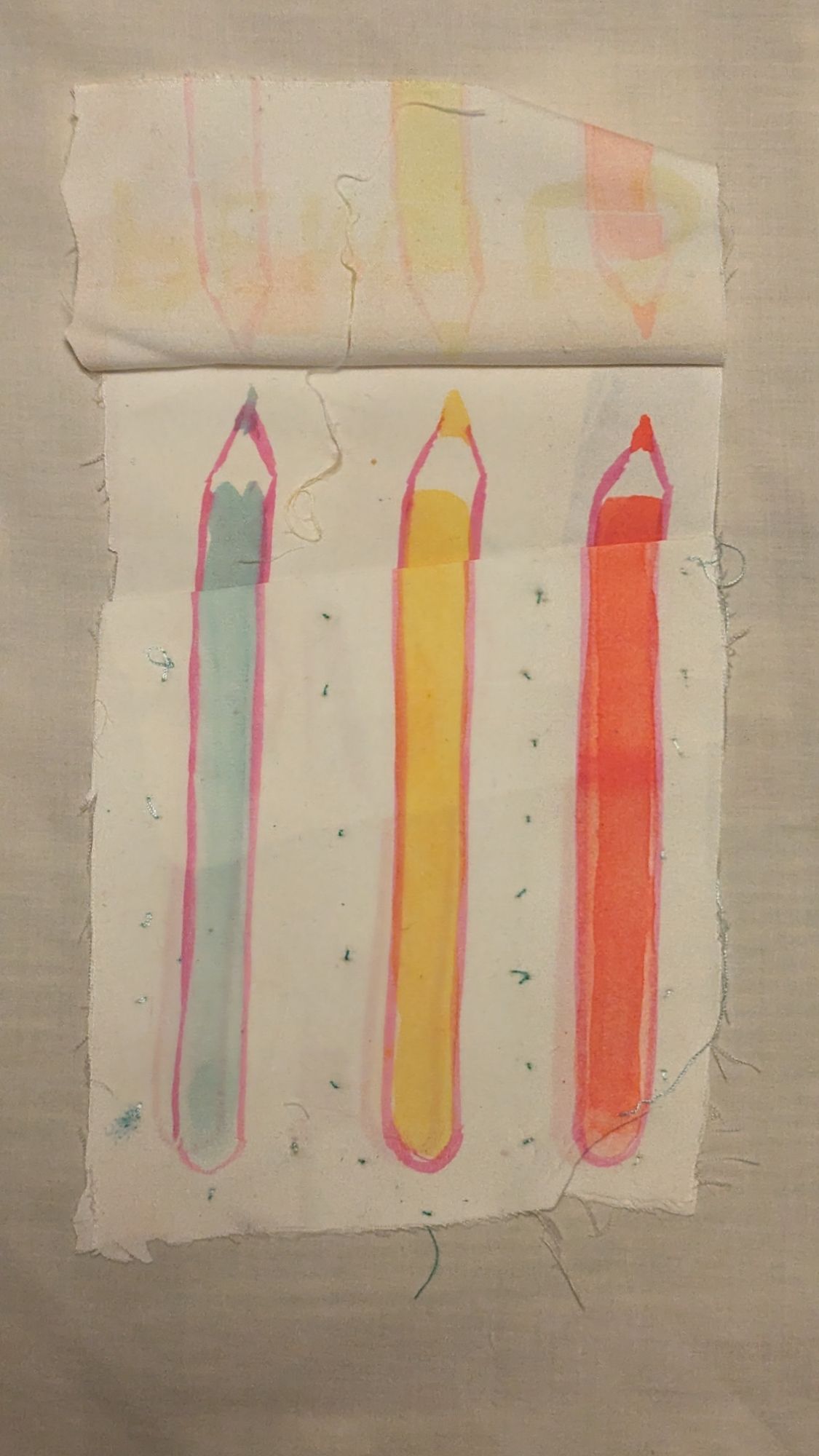
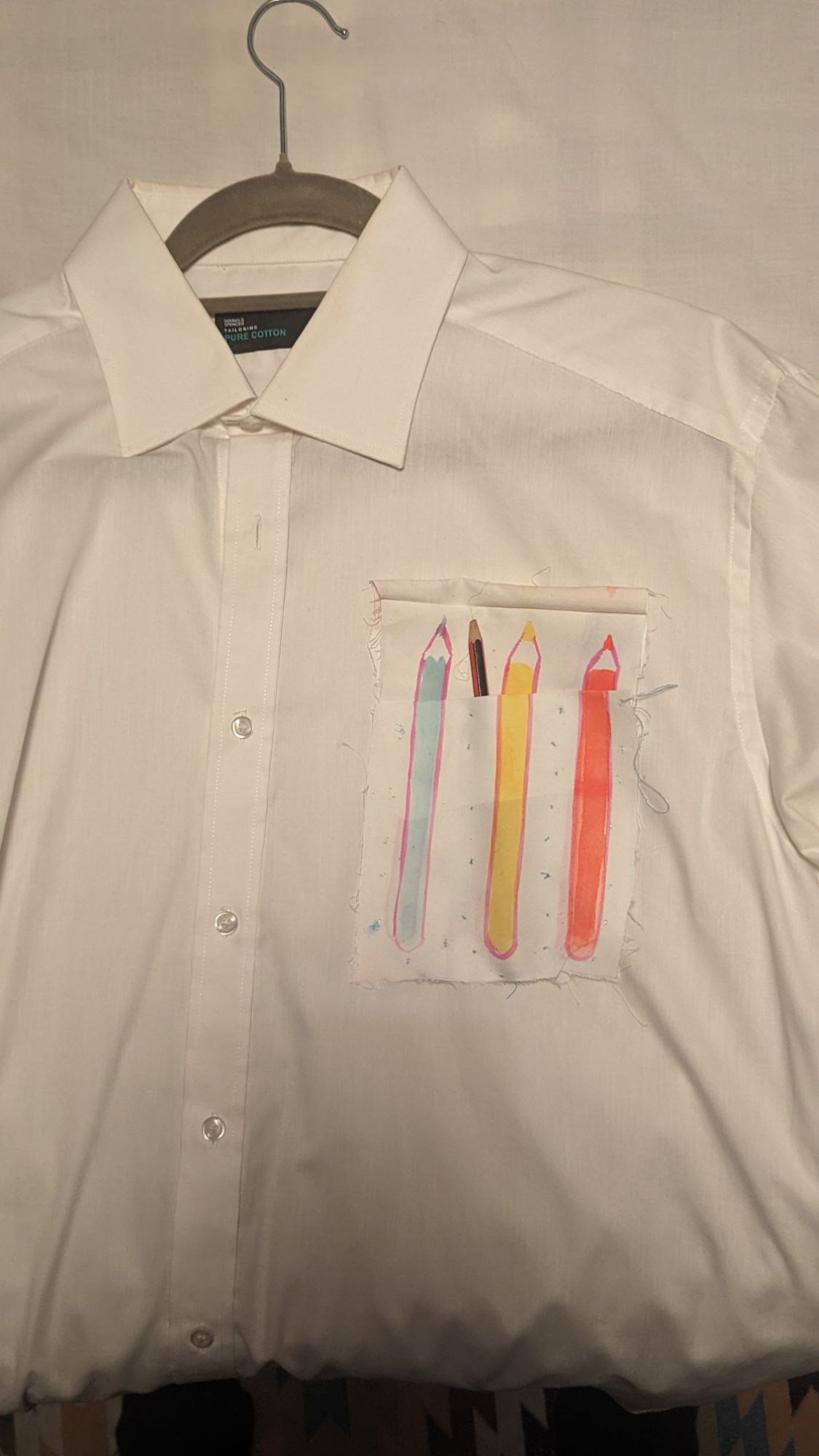
I produced a pencil case
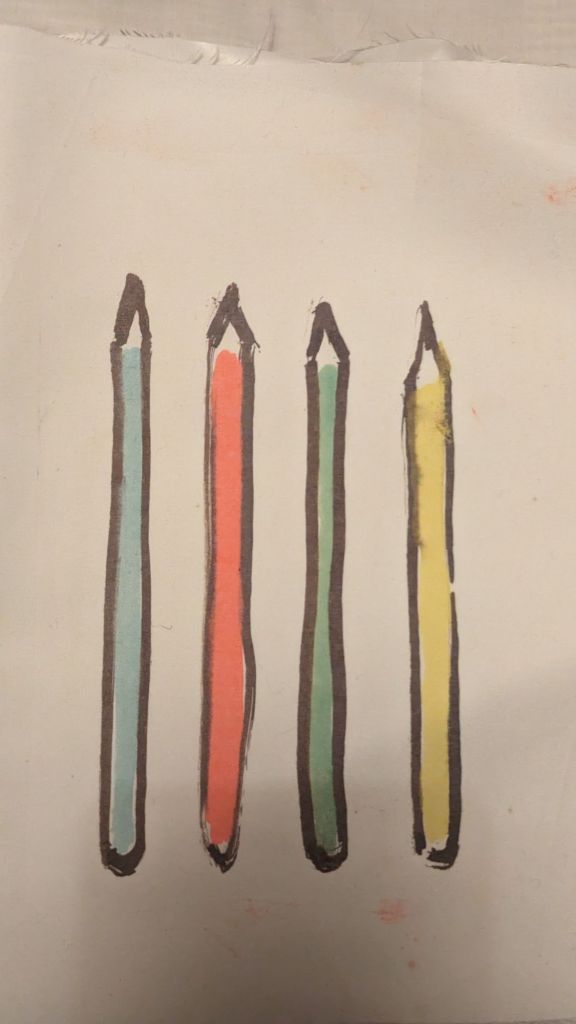
We were introduced to and learnt the skill of heated dye transfer.
Using a range of dues we learnt to apply it to thick paper in a painterly way. Using a flat plated iron ( a heat press) we transferred the dye to pieces of white polyester fabric. The results were rapid and deeply satisfying. The entire class took to the process with enthusiasm, ignoring breaks and reluctantly moving on to the next part of the process, dyed paper to be used in a process of blocks of colour or to be used in multiple printing using layers of colour and objects to block the dye
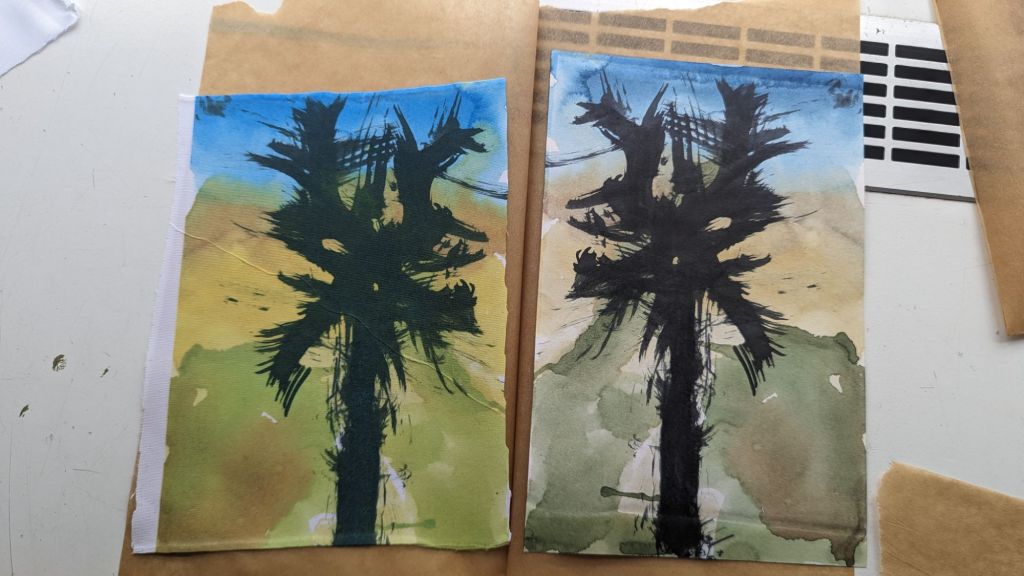
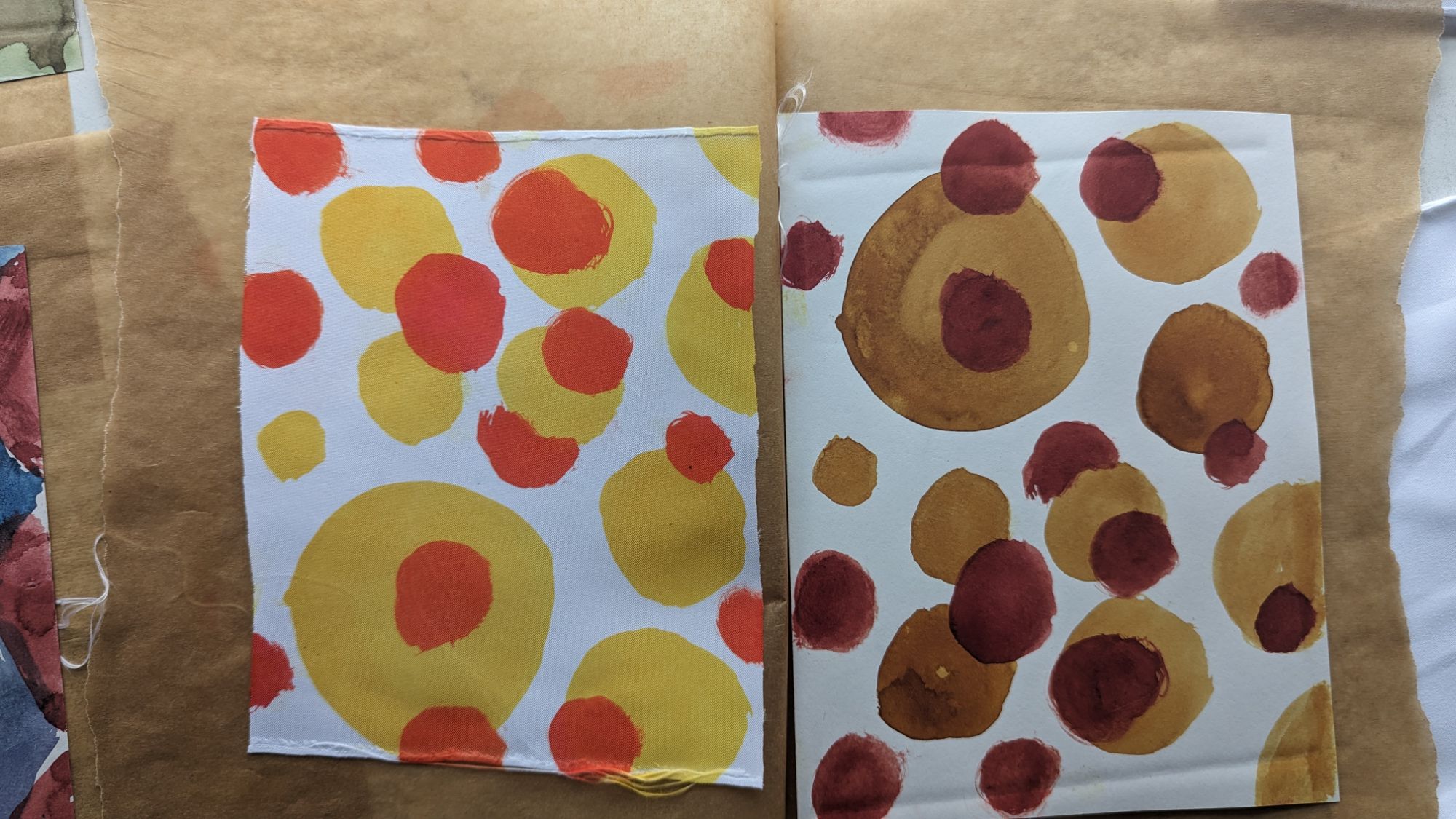
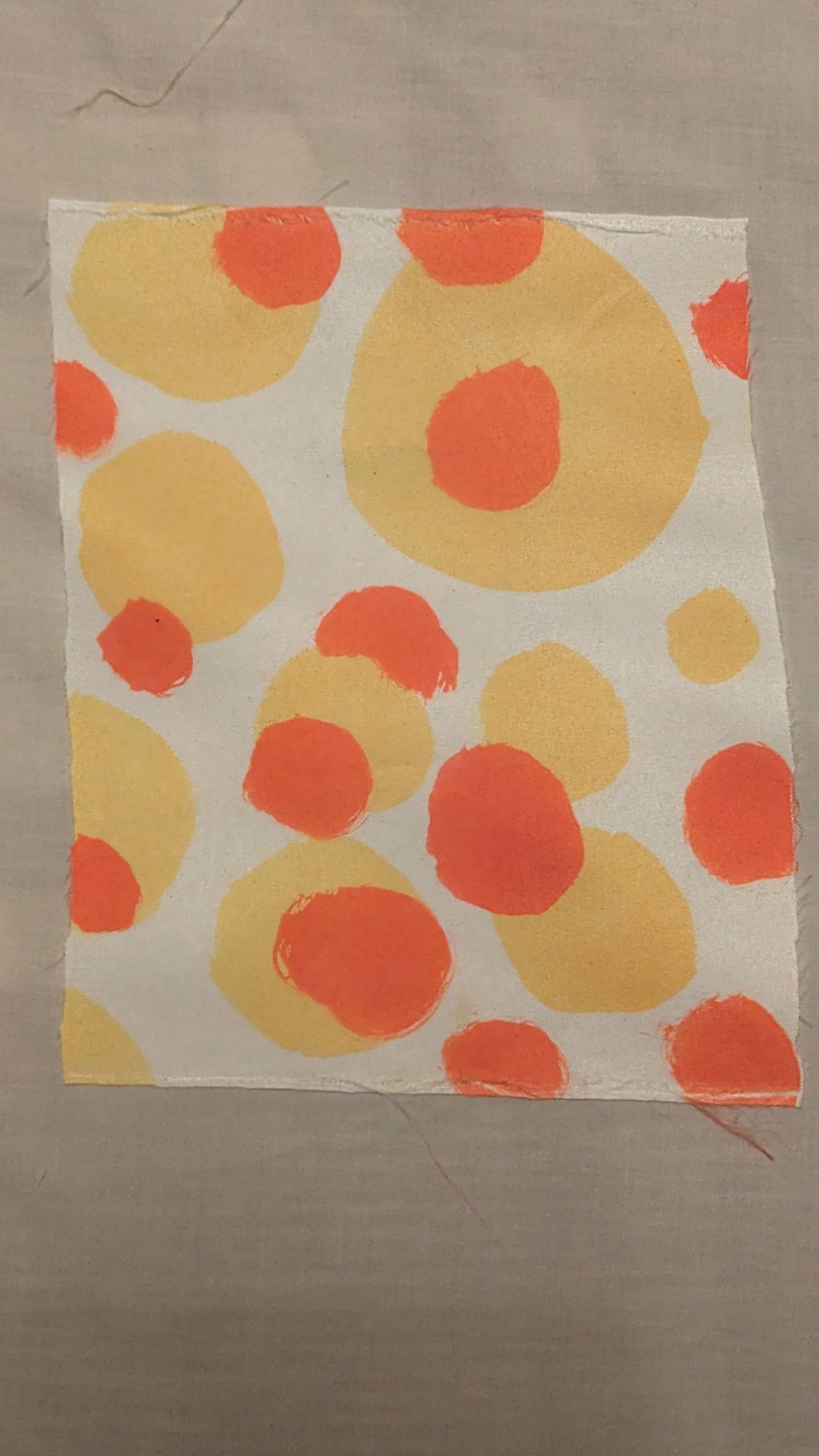
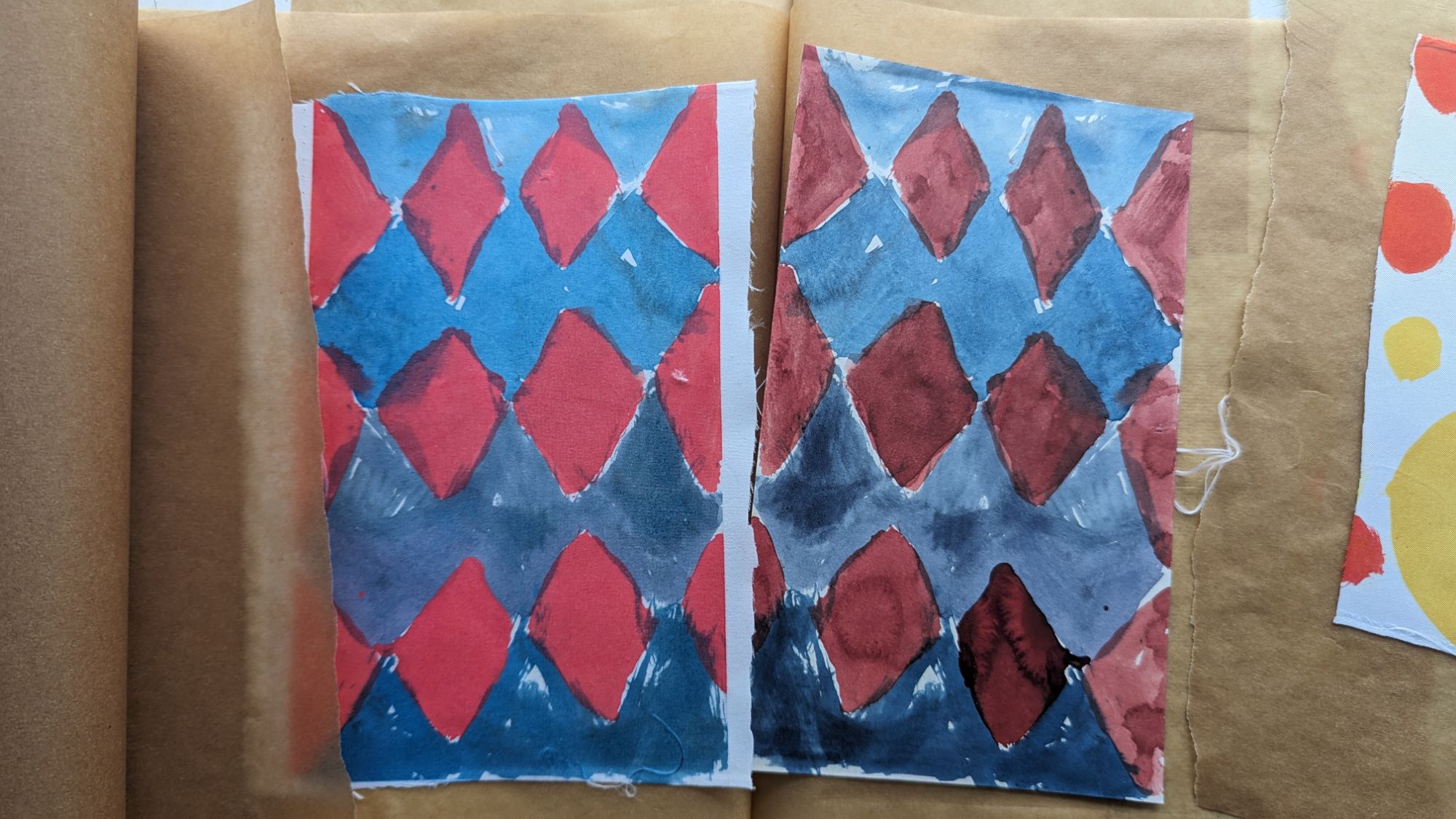
prints. They can be used as a very painterly medium
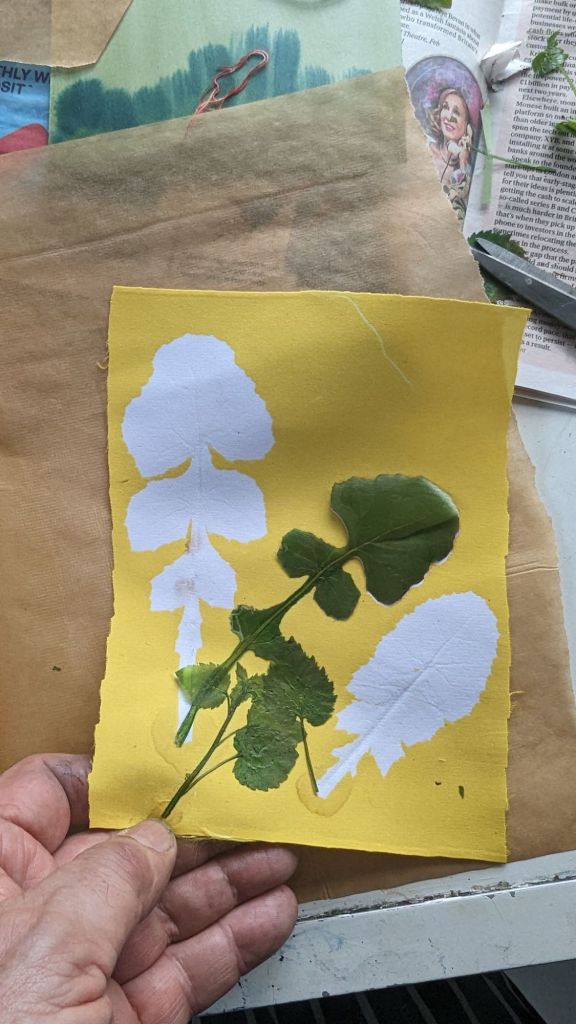
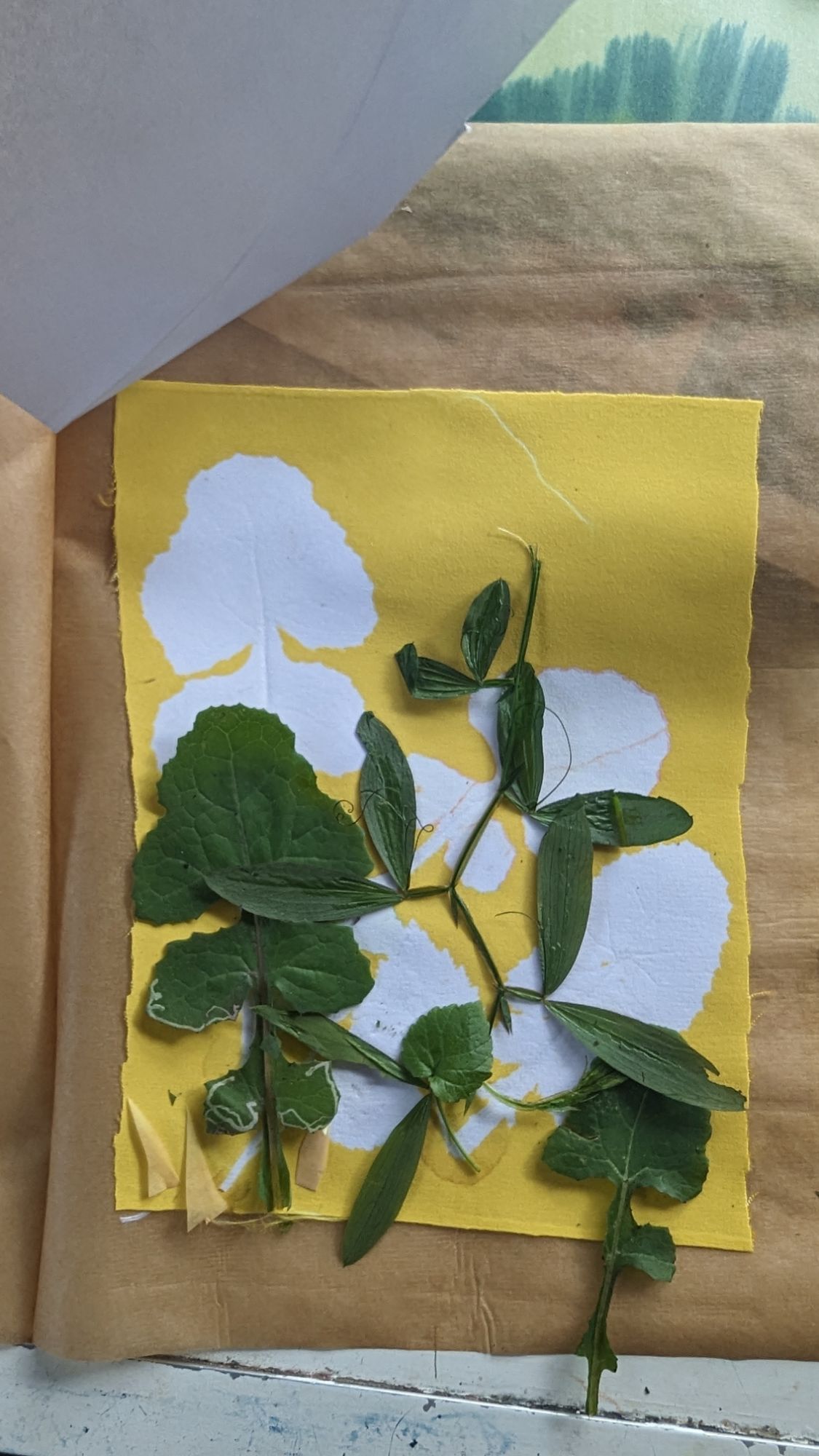
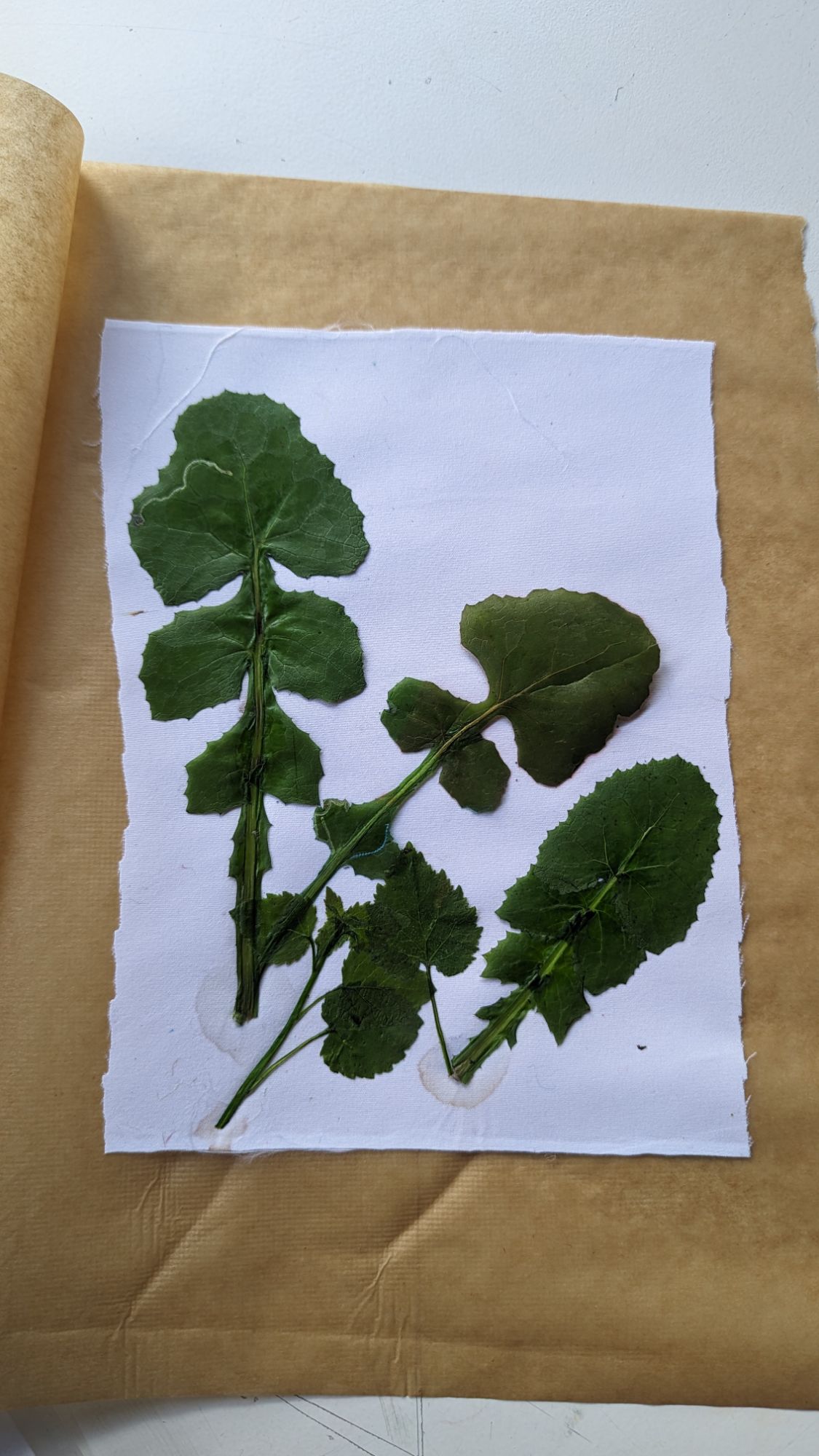
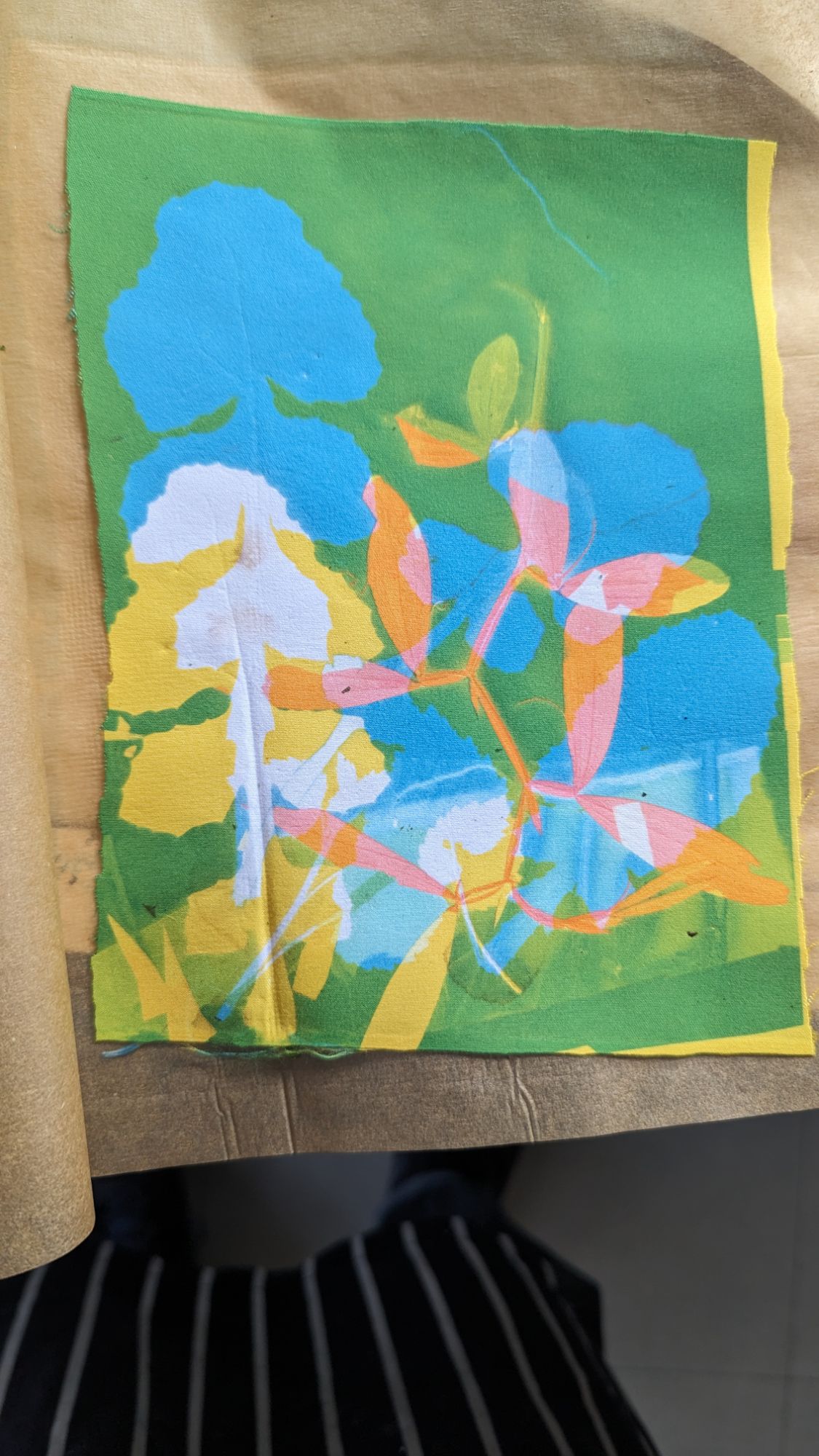
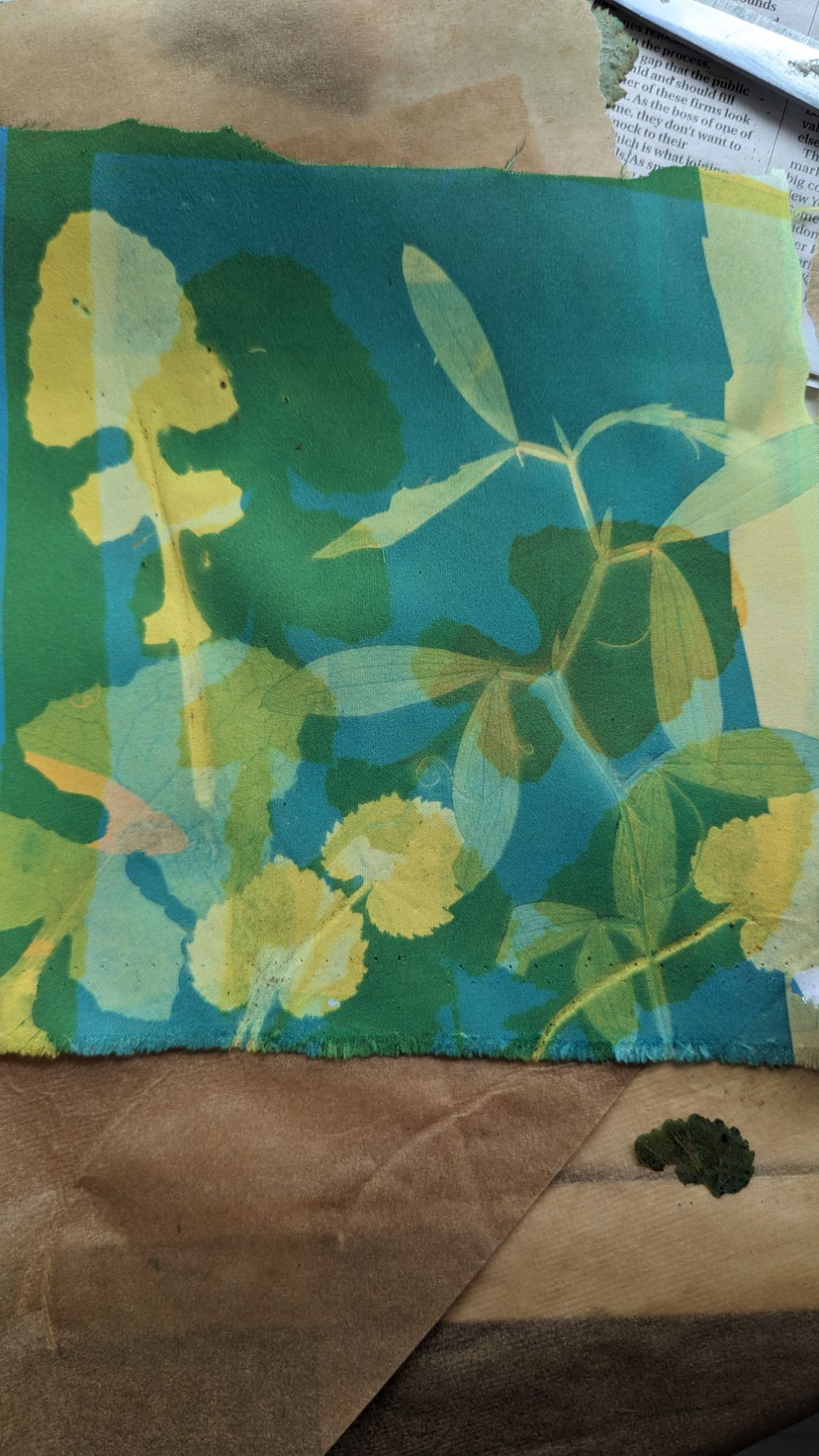
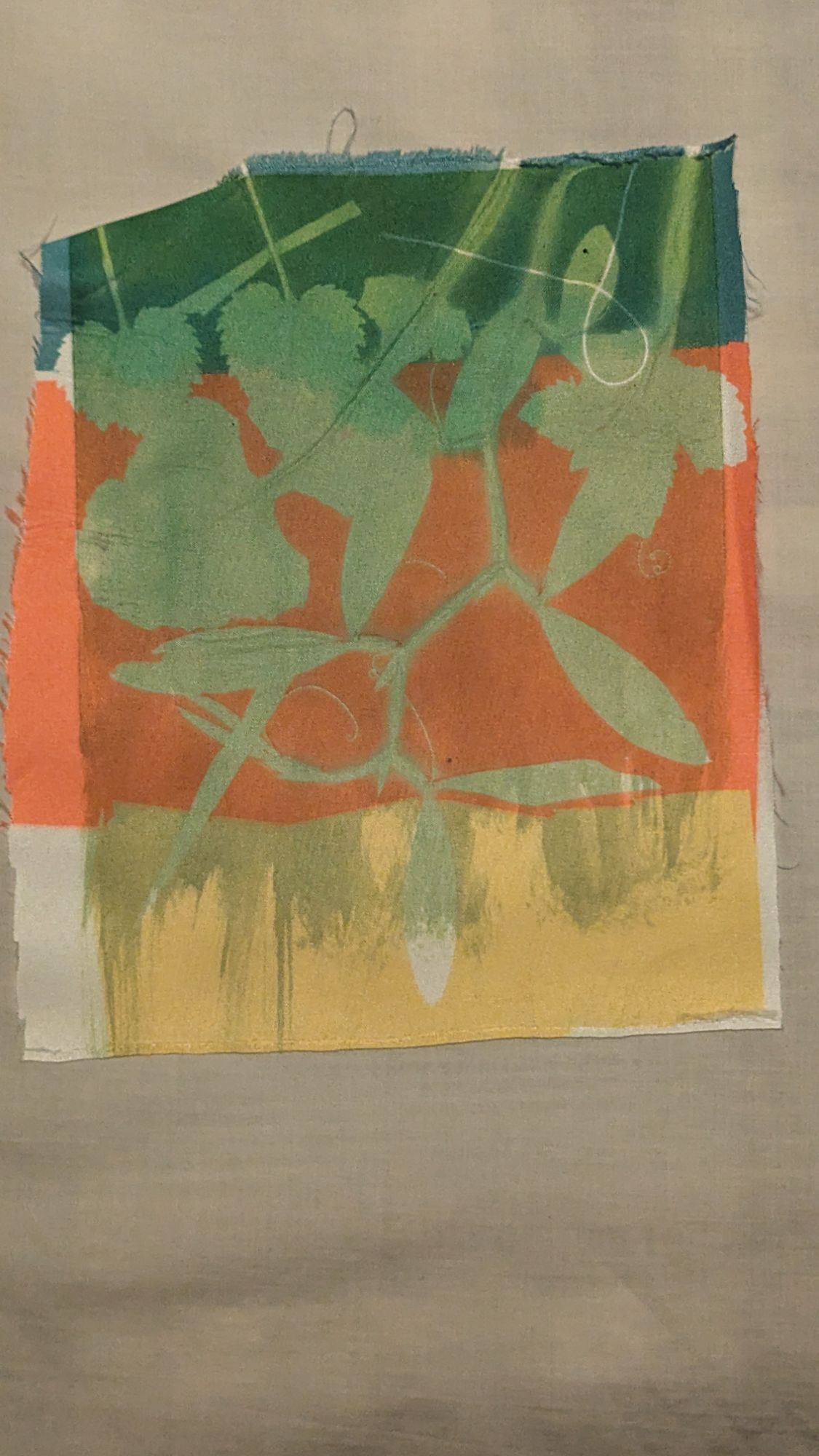
The day was stimulating, not only in the new skills we learnt, but is a series of interesting and provocative discussions about the blurred lines between art, craft and production, a place where the use of textiles easily finds itself
UP TO MY ELBOWS IN PLASTER OF PARIS, A REAL LESSON IN TRIAL AND ERROR
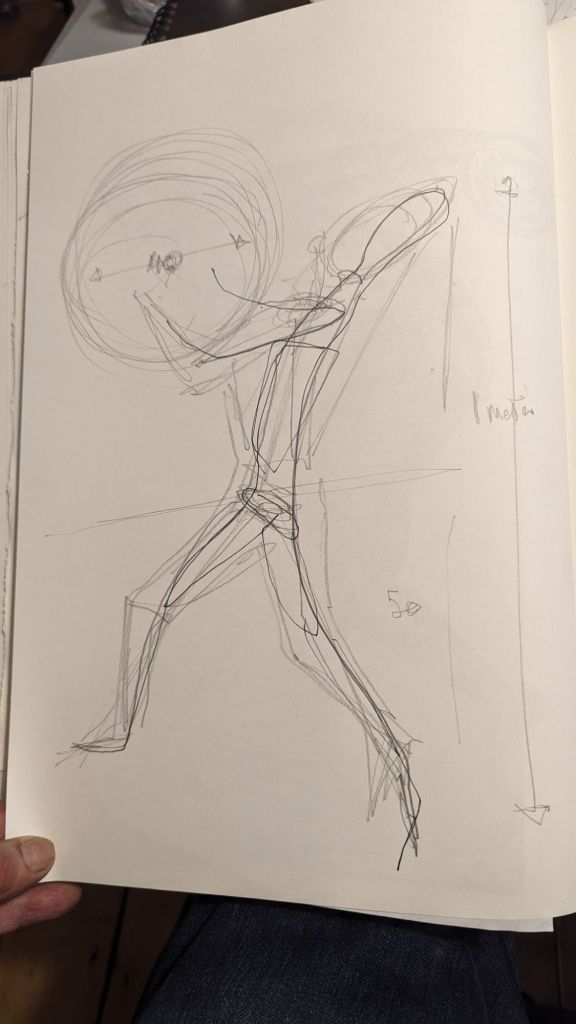
Planning a statue, , finished in plaster but with a core of an aluminum armature, a mass of reused polystyrene, cardboards and newspaper.
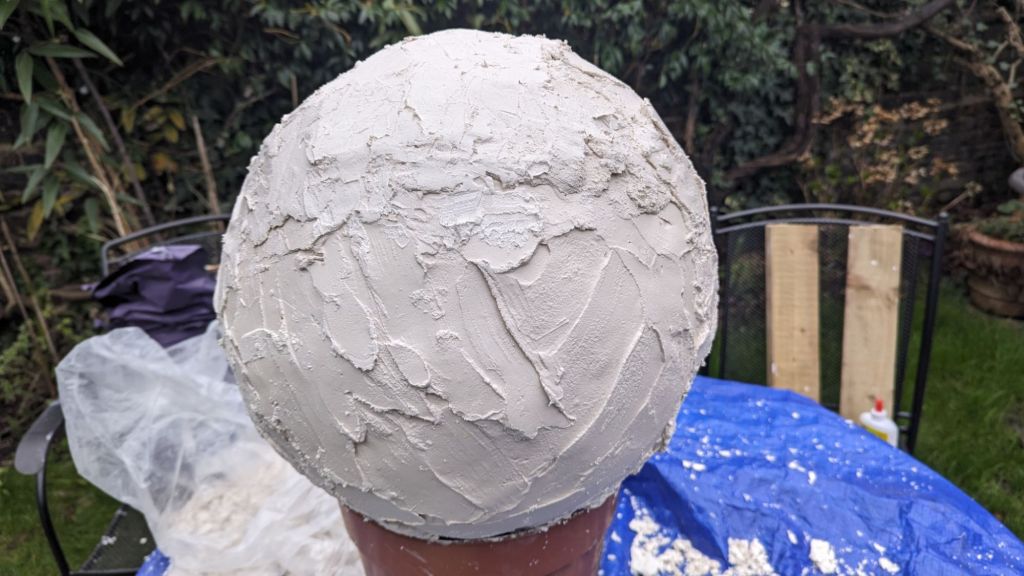
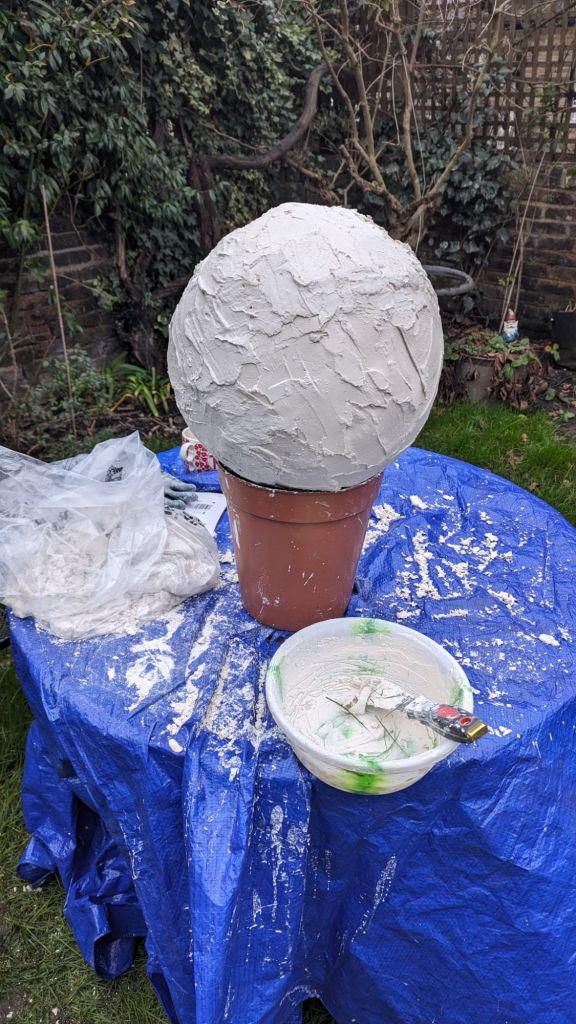
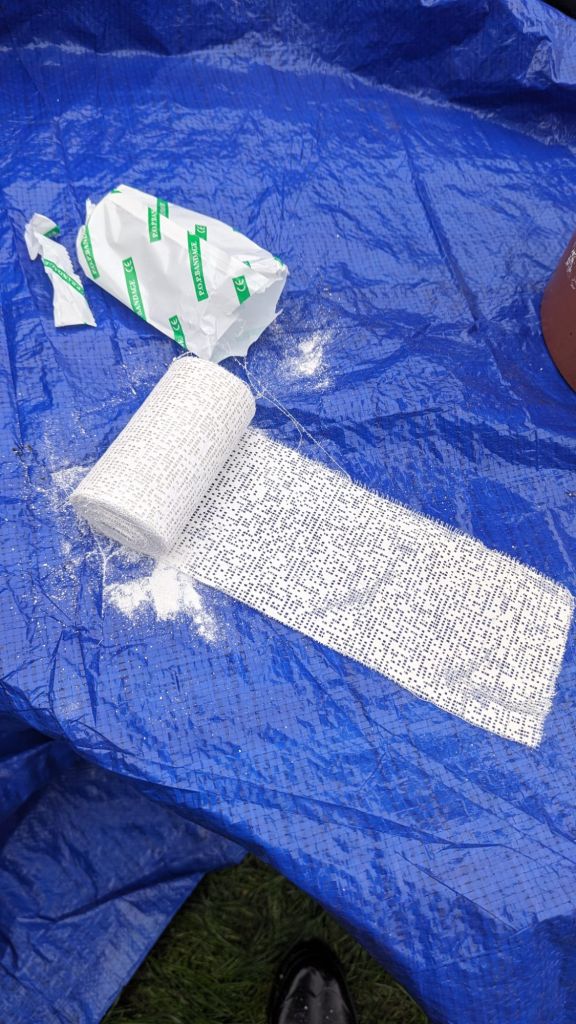
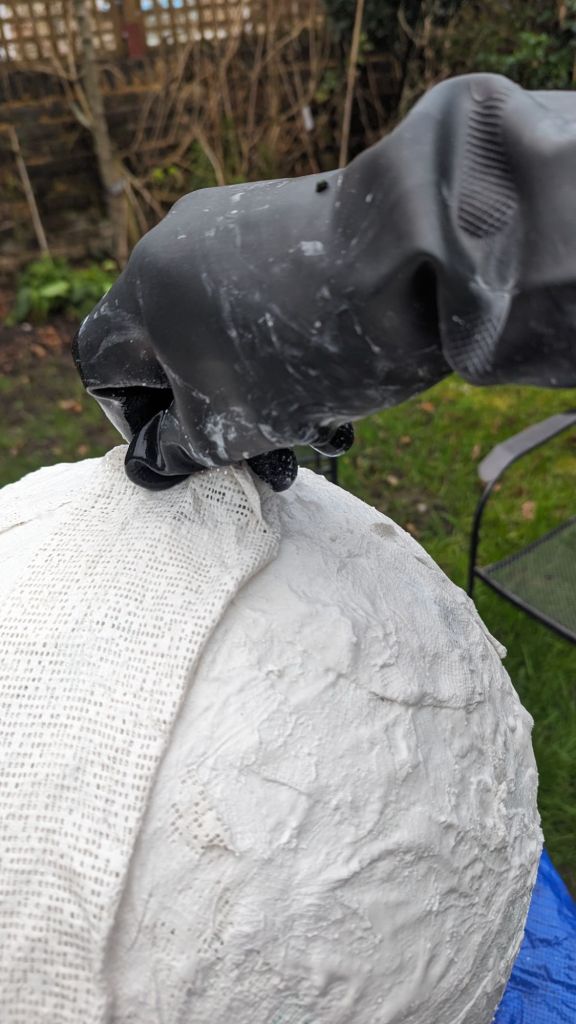
to find the dimension and placing of the arms I made Atlases globe first. A strong plastic beach ball, about 60 cm in diameter was covered in palster infused bandage, the smae method as an old fashioned hospital cast. Dipped in water and then laid on the ball, I had left it in a plastic mesh net that gave the bandages some adhesion. They dried to rigid within five minutes, but remained wet to the touch for several hours.
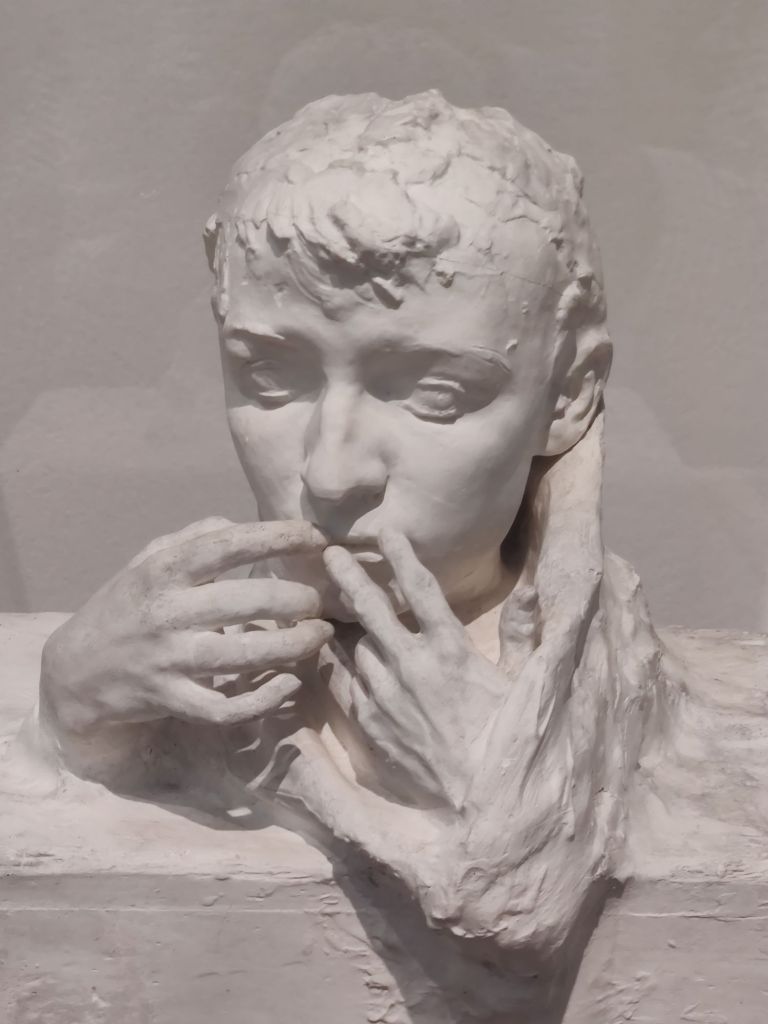
i realised I should have paid better attention to the recent Tate exhibition of Rodin’s plasters for his final casts, including Balzac, The thinker, the gates to Hell
rodin’s collection of hands in plaster and terracota.
I had left the exhibition with an interest in how Rodins studi used his dressing gown dipped in plaster to cover Balzacs body, and that several of the burgers of Calais shared the same hands
I struggeld with the poaster of paris, I learnt how difficult it is to make it the right mix, too much plaster, too much mixing and the plaster sets very quickly. I learnt after wasting several kilos of plaster

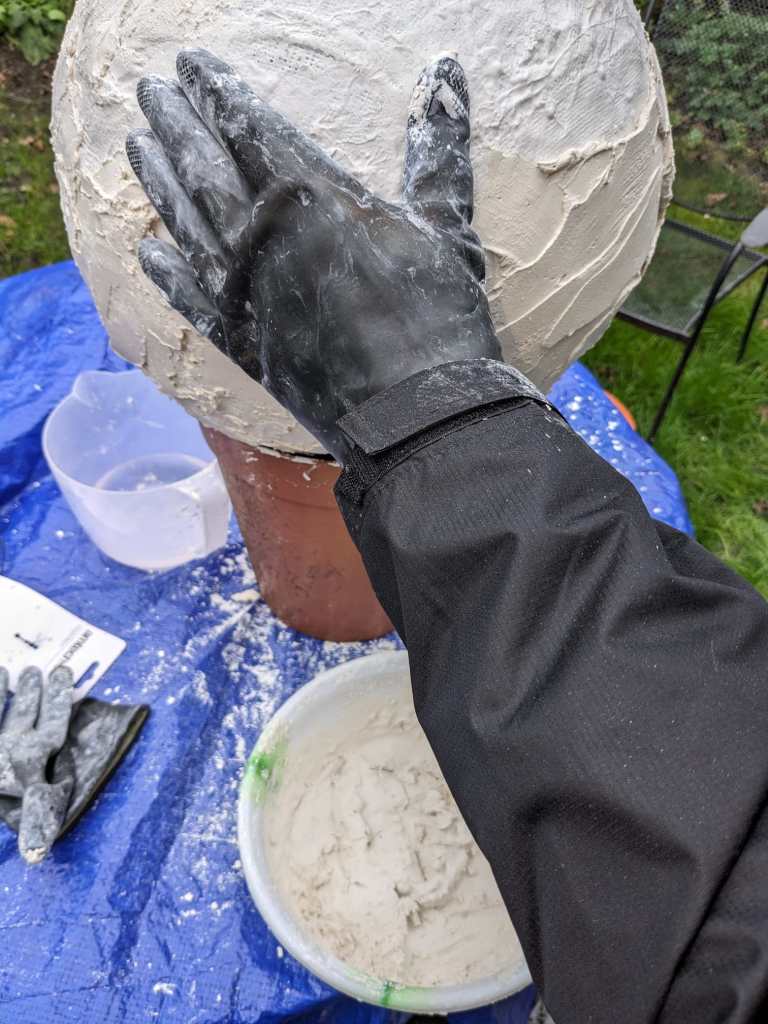

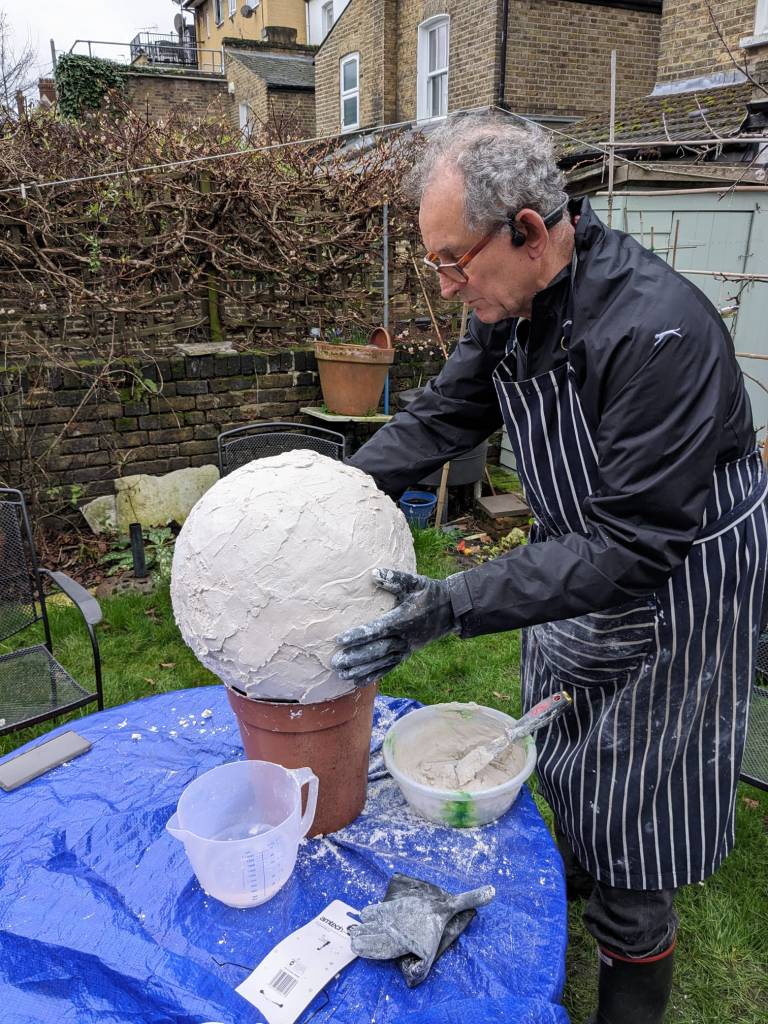
I learnt how to mis and apply plaster carefully, that I will need hundreds of meters of plaster bandages to cover a 120 cm statue, That plaster weighs and I will have to build an armature sturdy enough to suppo
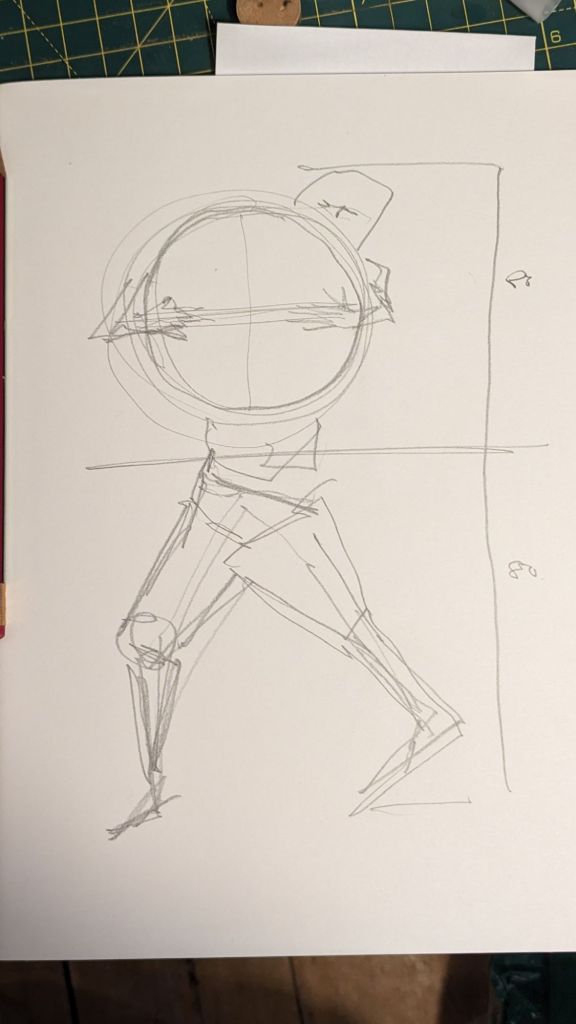
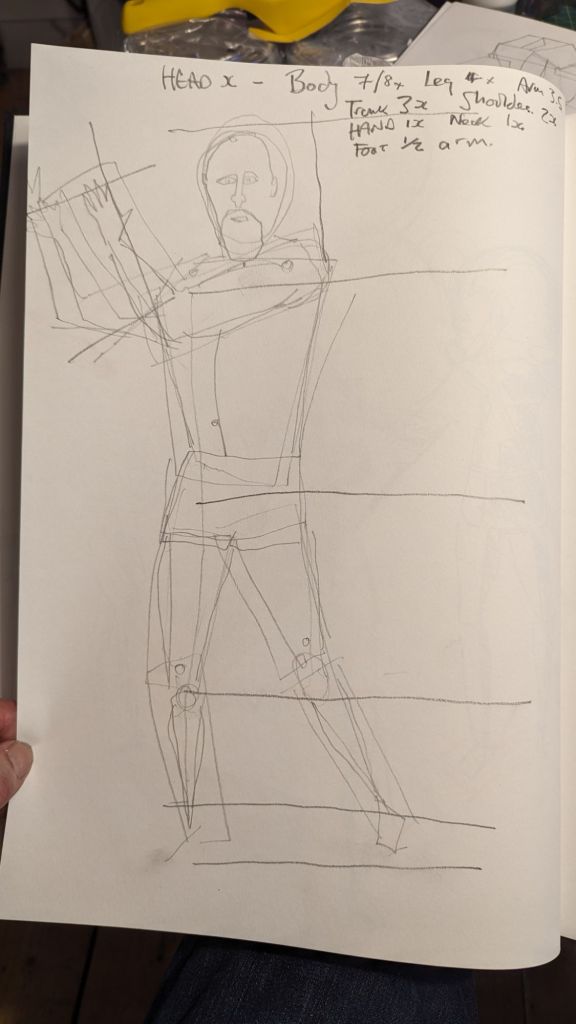
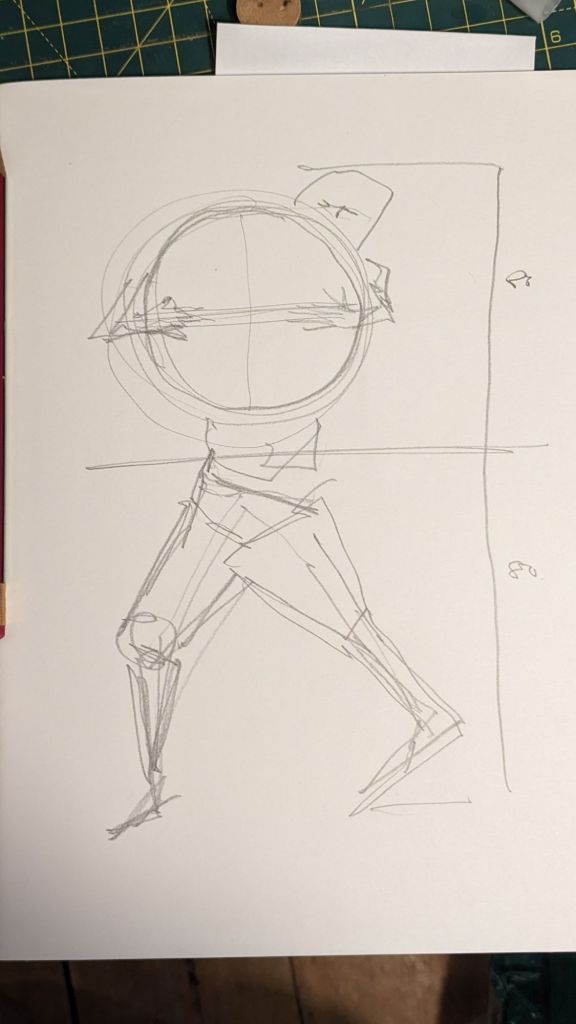
I have to seriously work out the center of gravity for the work. The globe weighs around five kg so I have to really strengthen the ankles and knees and fix the feet very firmly on heavy blocks. I am relived to have the dimensions of the globe as I can now build the armature. I have a choiv=ce to either connect the hands to the arms or the globe. After Davids You Tube I will make the hands from thinner more maliable wire
J.U.M.P….C.U.T.S. + MAN@WORK MONTAGE
We studied jump cuts, a film editing technique to generally used to narrate or indicate the change in time or appearance. The frame remains unchanged, , without transitions( dissolves, wipes) a series of cut images are edited in a sequence. We considered a variety of examples from British and Hollywood films. we each successfully made a series of six short films. I made a how to make a marmite sandwich
For the rest of the lesson we prepared, story boarded , filmed, edited, and uploaded to YouTube individual films on the theme pf transition. I made a three minute montage of my preparing and printing a drypoint .
“The Change” & a boring montage
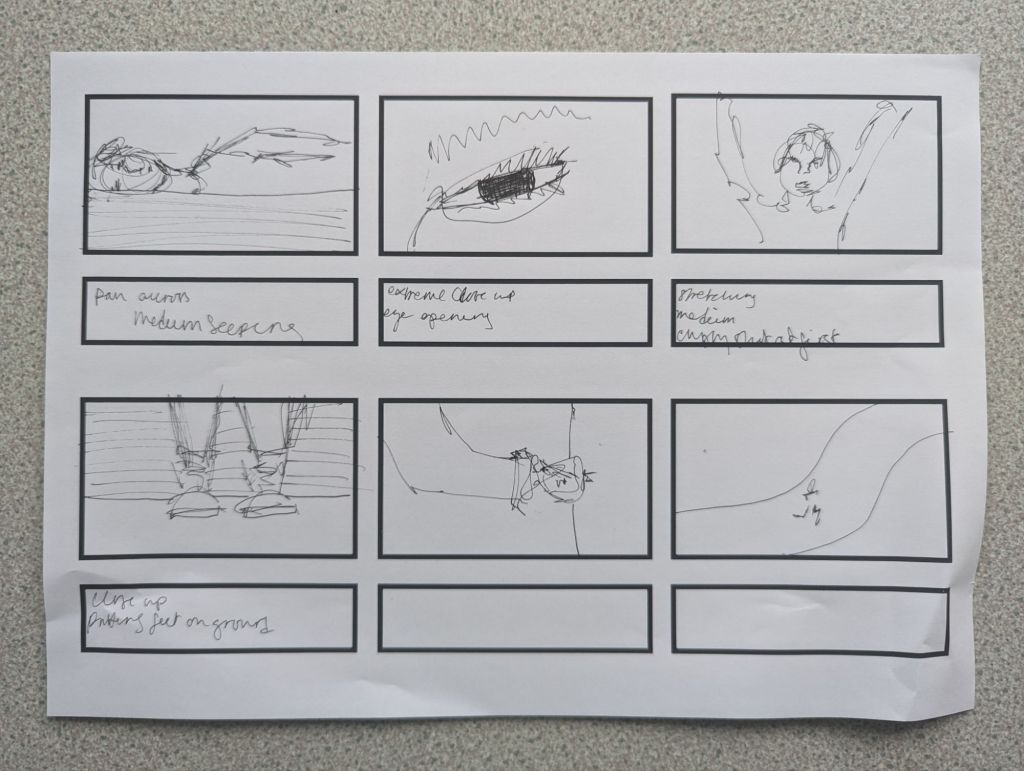
In class we studied cinema terms and the variety of use of images, from extreme close ups to wide or establishing shots. We were tasked to storyboard ,film,and edit a six shot film using a variety of shots.
We then discussed montage edits where a series of images indicate the passing of time or a sequence of events. I filmed a dull series of shots in the library and edited a 30 second twelve shot sequence. The boring film was enlivened by an upbeat ska sound track.
The most interesting discovery was how music has a powerful voice influence on the film. Up beat or sad,mysterious or scary. The Blue Ska soundtrack made searching for a library book almost fun
Incompetech.com was a very useful source of royalty free music.
 Nicholas Turner Morley Art Foundation