Filming a rainbow

an excellent introduction to the fundamentals of film making, selecting of images, type of framing, close up, extrme close ups , wide shots, and how to use framing and camera movement to create effects, and using edit images together to make film, narrative or abstract.

I worked as current affairs cameraman for forty years. I was a journeyman cameraman, filming everything plainly in a ‘news format’ For most of my career, the intracties of camerwork were ignored, the physical limations of 16mm film and the electronic news gathering cameras that replaced it, made most image with a extreme depth of field. I used camera movements and the occasional zoom to make an editorial point, and my work always took into account the requirements of the editor. When there was time, I would provide a variety of frames, close ups, wide shots, a variety of angles of the action.

It was a good day, everyone learnt the essential basics, and everyone produced imaginative short films.

The incredible filmmaking features now available in contemporary ‘smart phones’ are incredible. Work that would take teams of camera crews, processing laboratories, negative cutters, film editors, projectionists, satellite and broadcast engineers, have all been replaced with sift and hardware to enable even the most inexperienced to produce and share professional looking images and sequences.

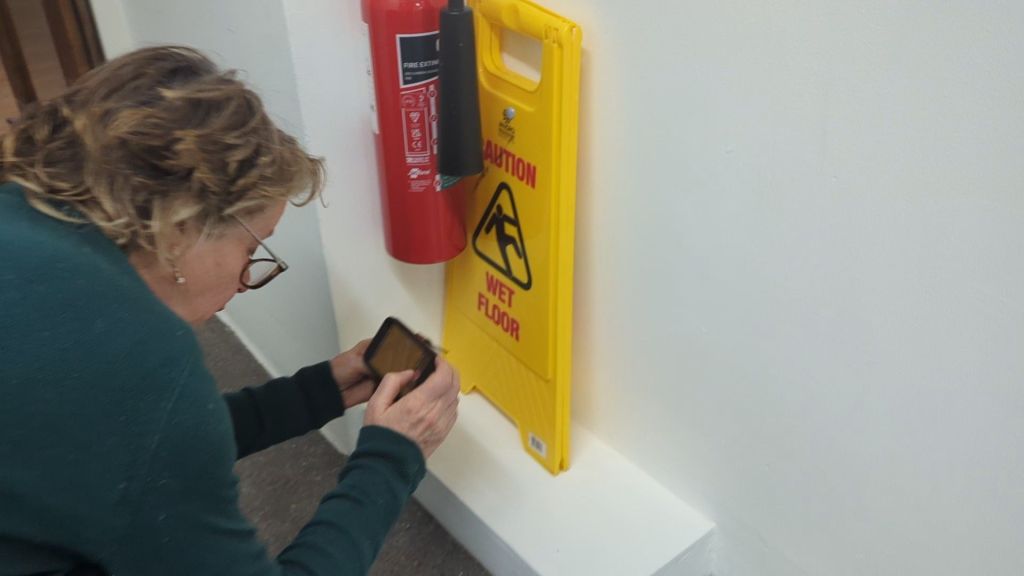
We were tasked to film ourselves, using the lighting techniques we learnt in class, an excellent exercise, it was very difficult to avoid filming in portrait mode, holding a phone in landscape is difficult and it is very easy to obscure the lens with a finger.

In class Sheena introduced us to phone diting programmes. As an Android user I downloaded VN edit, a free and easy to use program. We were all able to edit short sequences in fifteen minutes. I was fustrated trying to make a very fine edit, but on laptops the edit programs bundeled, iMovie or Movie Maker are more sophisticated, but the ability to edit on a phone in the field is very useful.

It was an excellent day of learning and I look forward to more adventures in the digital world
An interesting bust

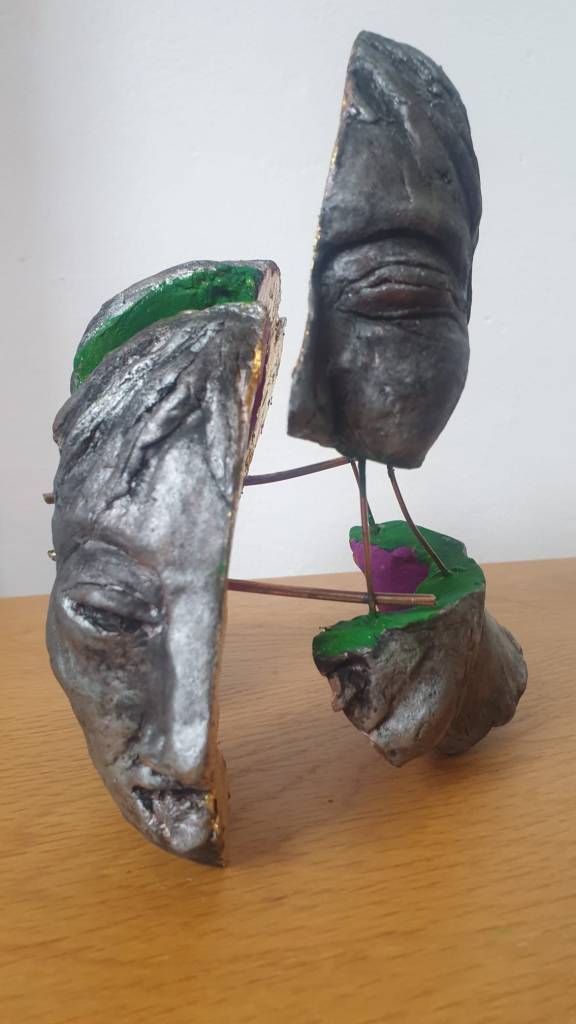
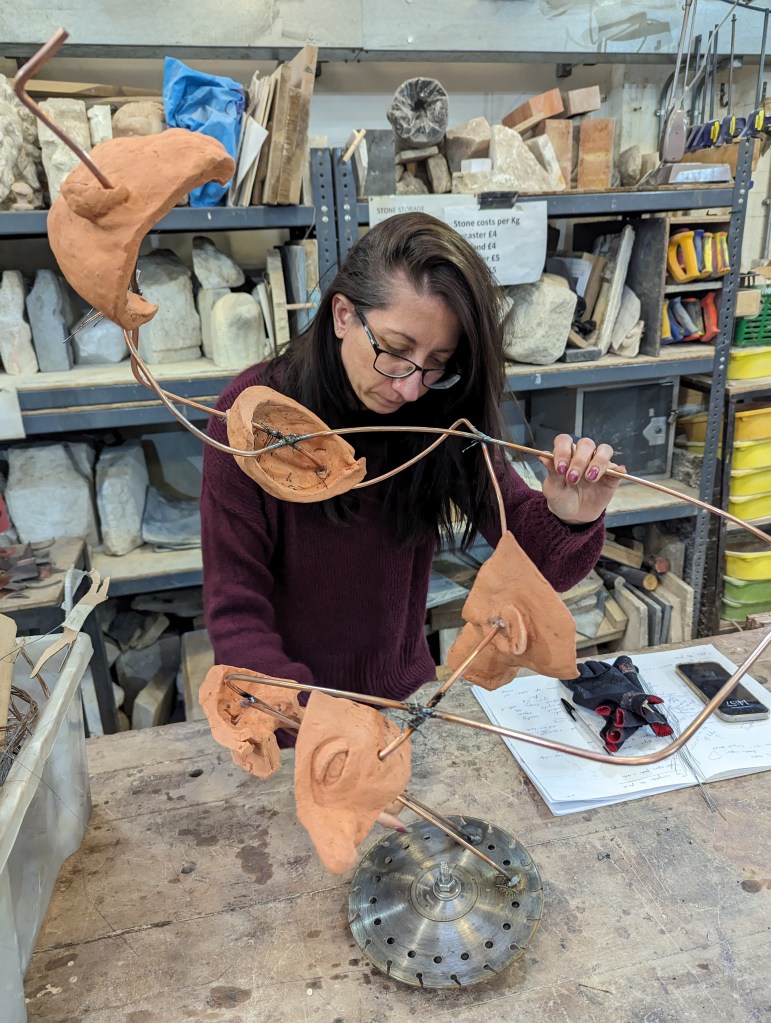
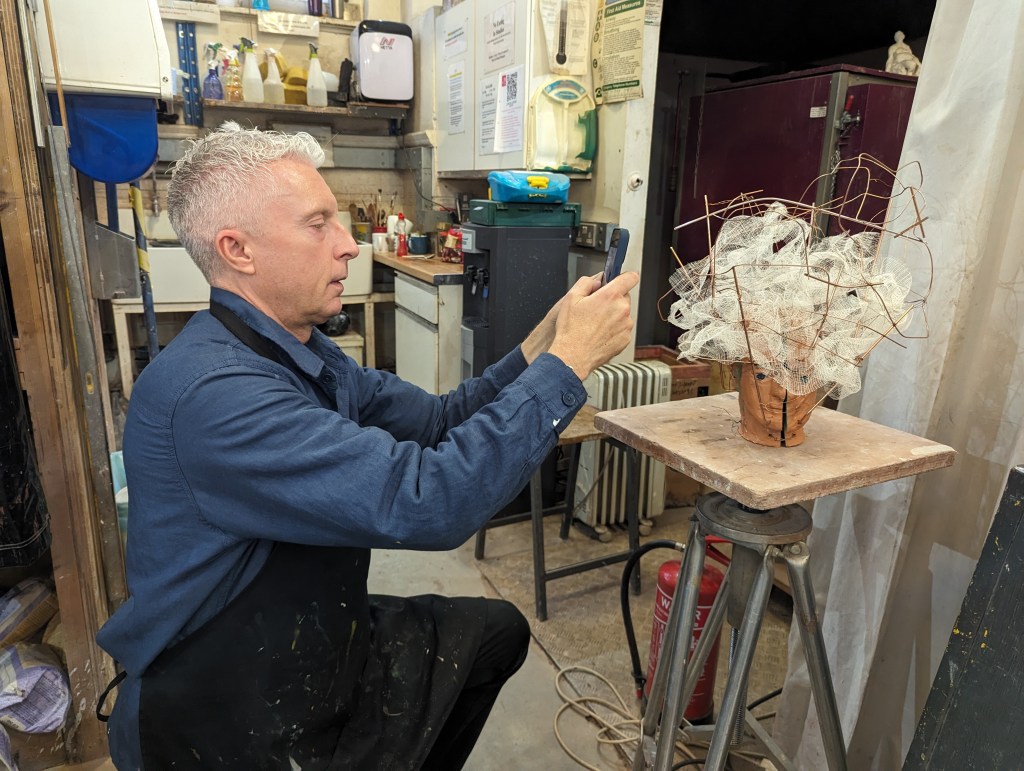
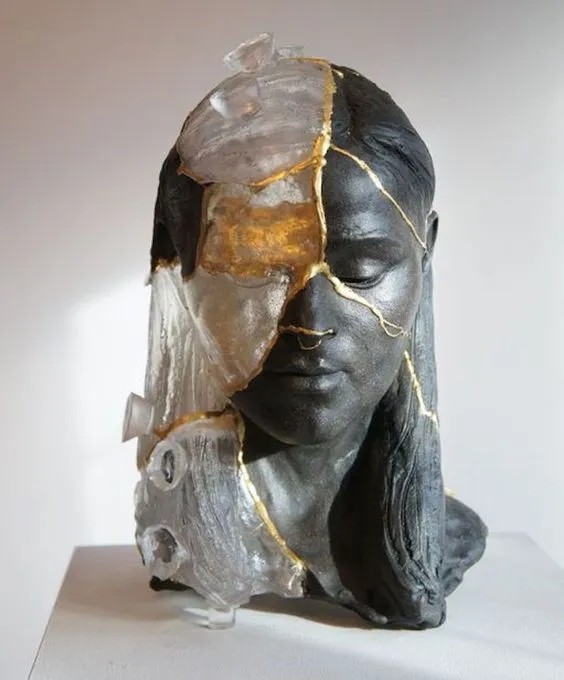
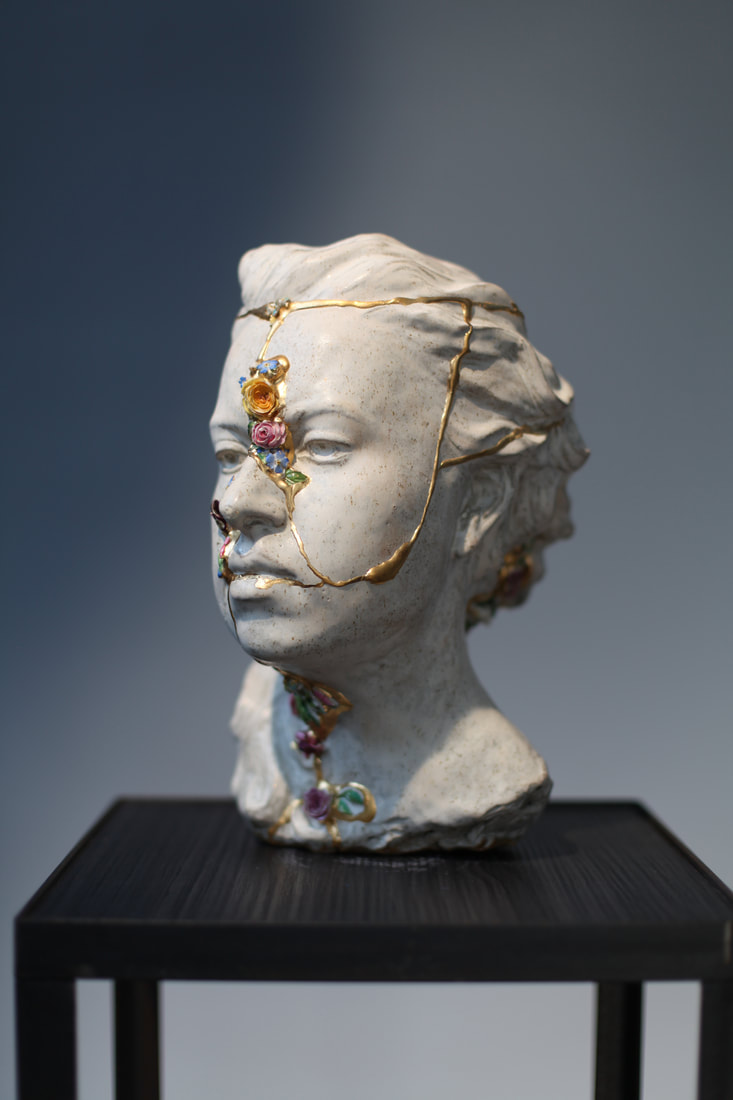
Having learnt the simple but essential basics of crafting a bust and making our own, we were tasked with planning to cut and thoughtfully reassemble our head, attached to objects that we identify with.

Spiral cut

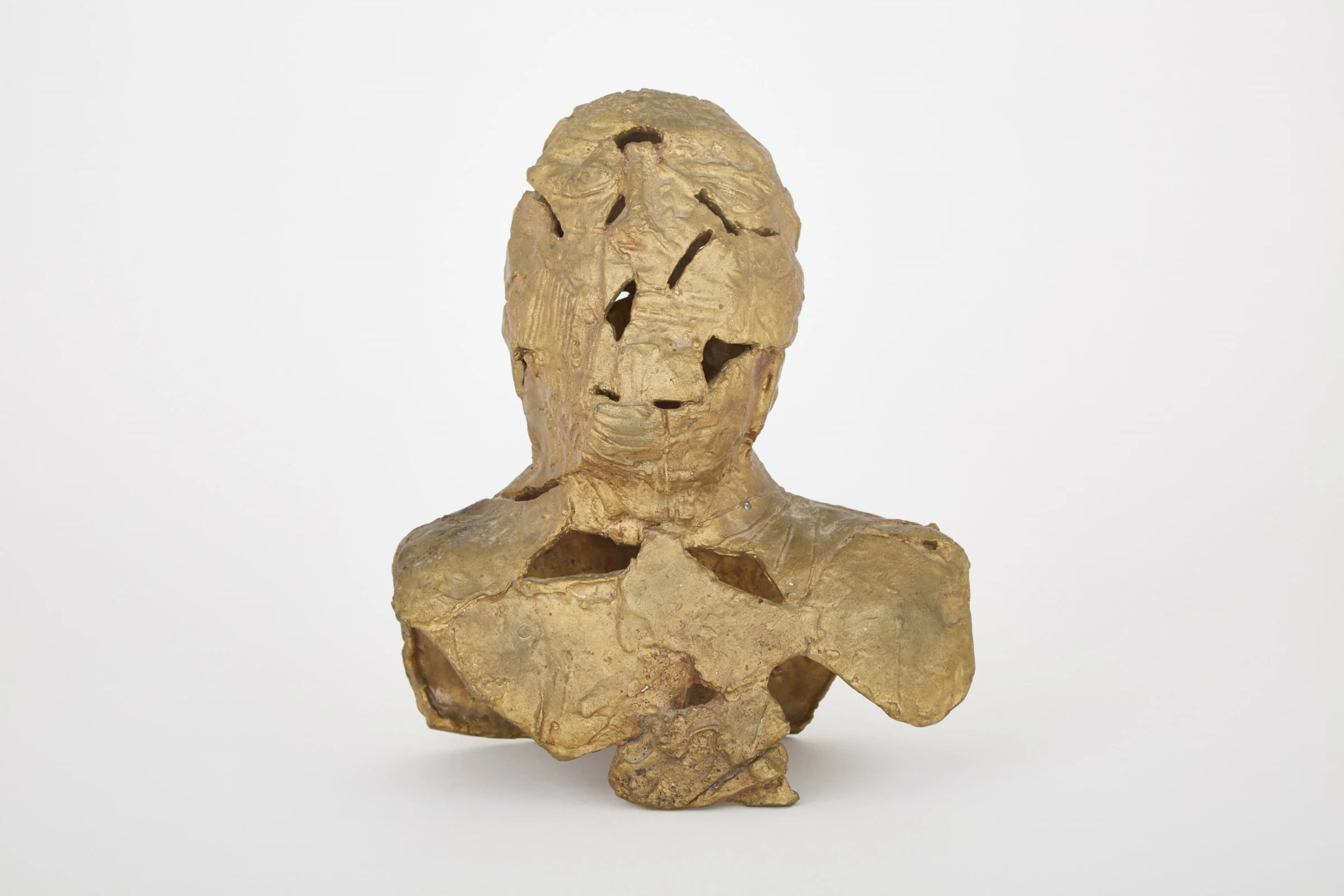
I decided on cutting into a spiral with a thin supporting clay ribbon for support.

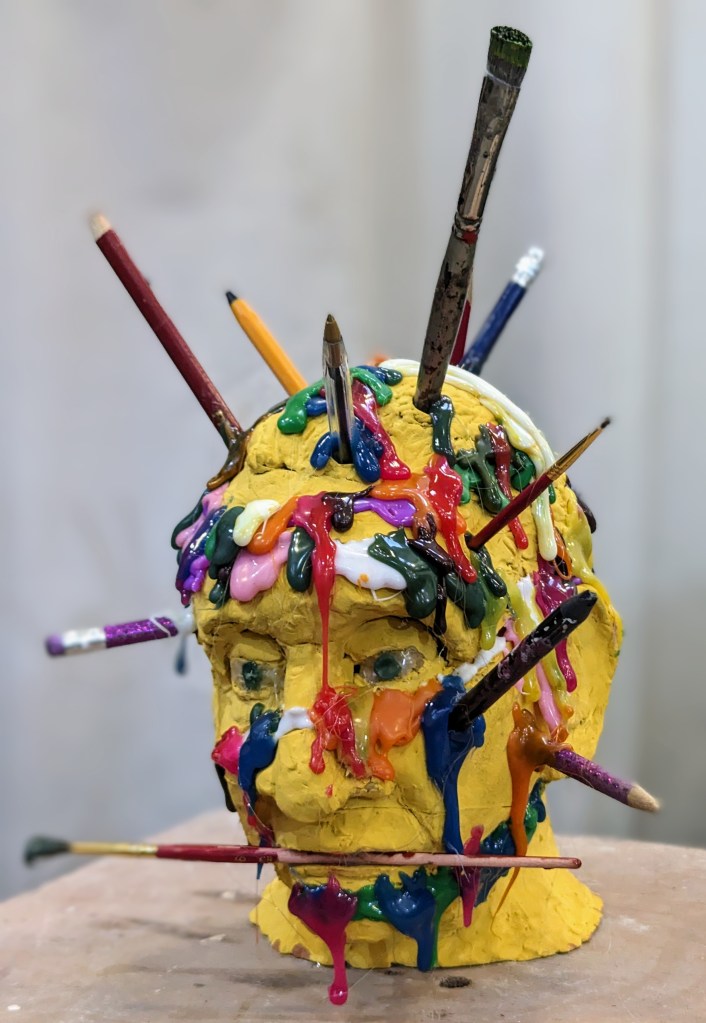
It fired well, i had thought of using old nails from my fathers tool kit or embedding barbed wire, but then felt that they were depressing tropes. Closer to my current identity I decided was a head full of paint and drawing and painting tools

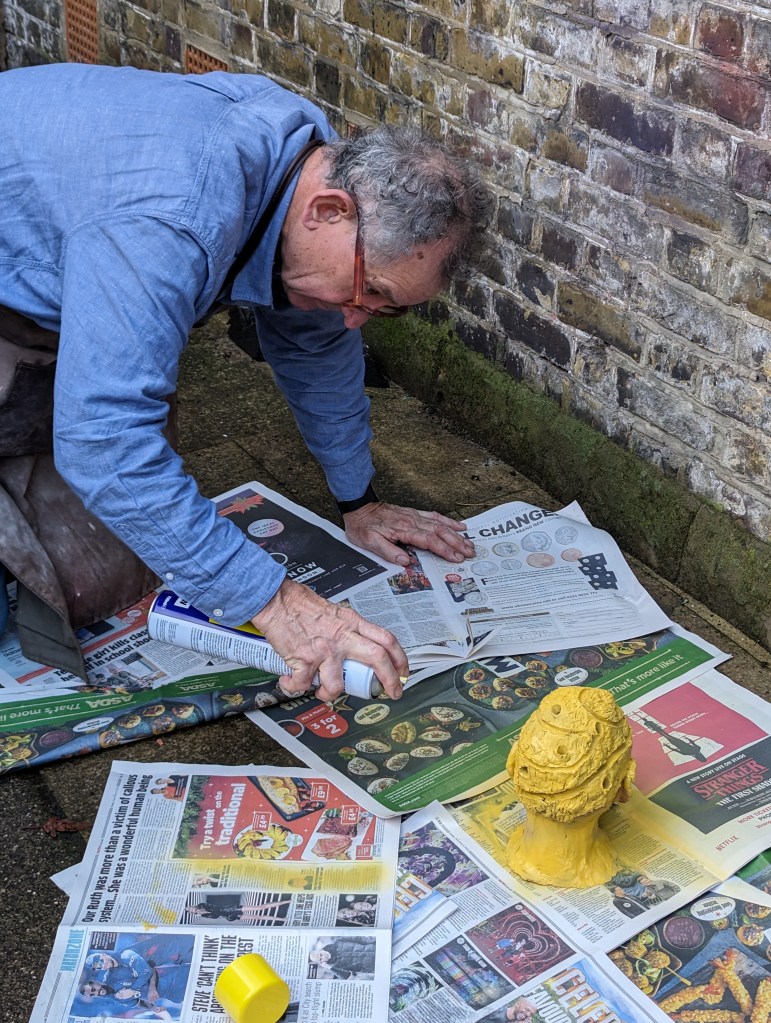
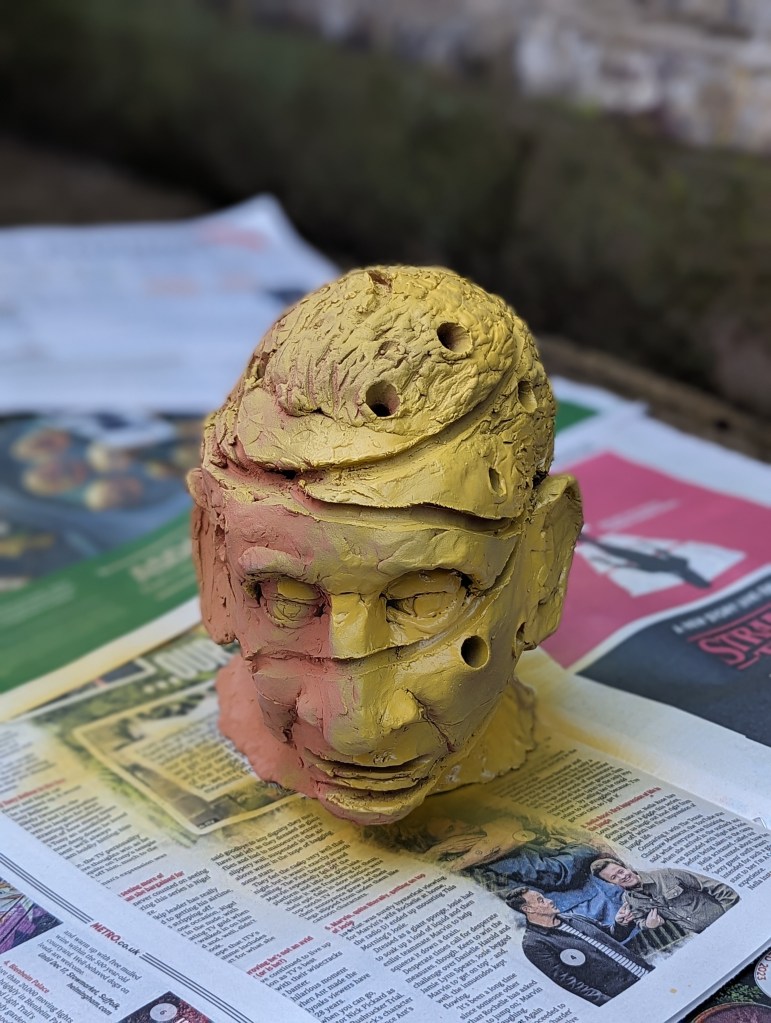
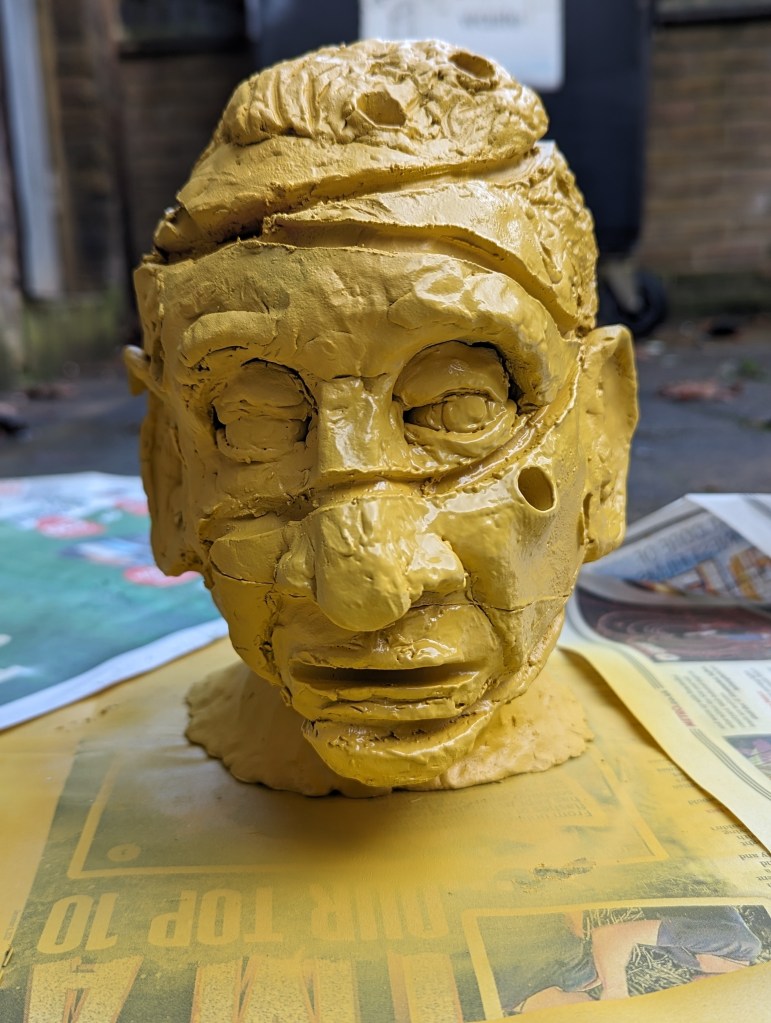
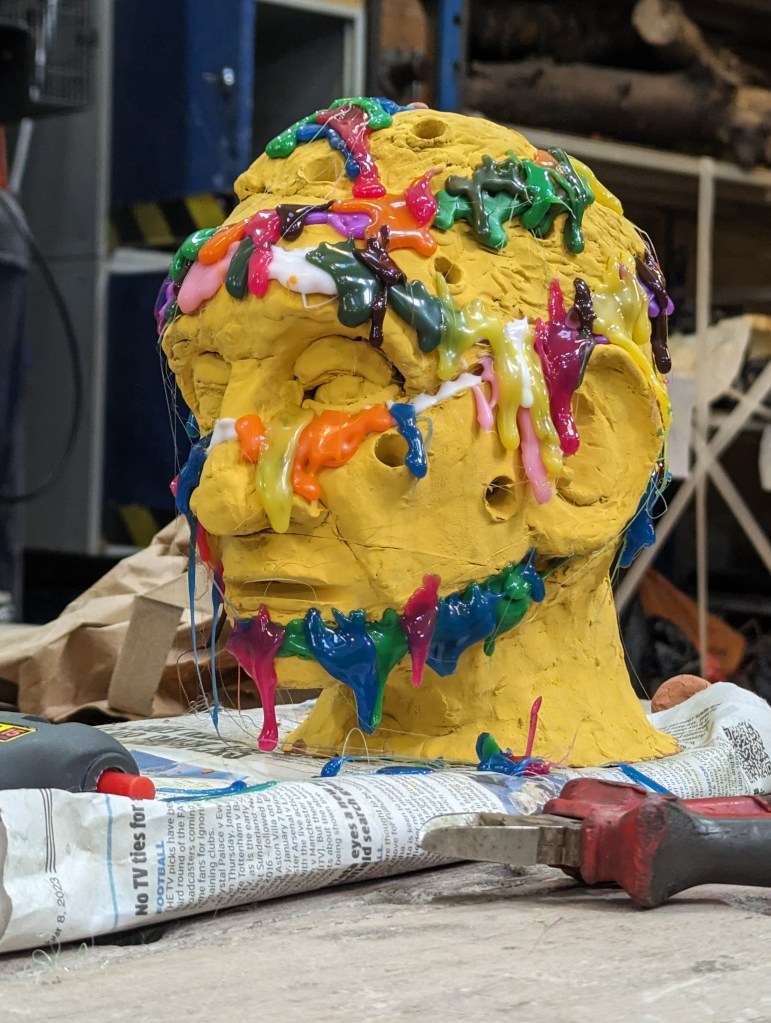
poking out. I used yellow spray paint (very pungent odour)

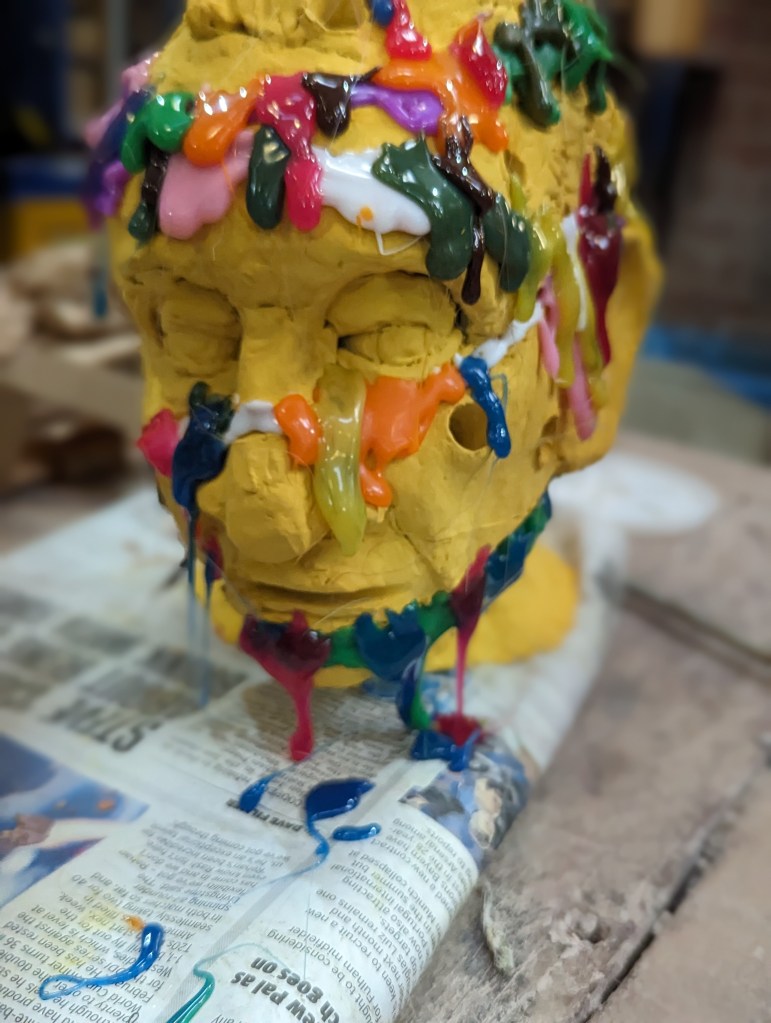
And the used colored hot glue to represent oozing paints from the cuts in my head. Initially I tried long strips of colour but settled on a spectrum of colour as messy as an artists palate

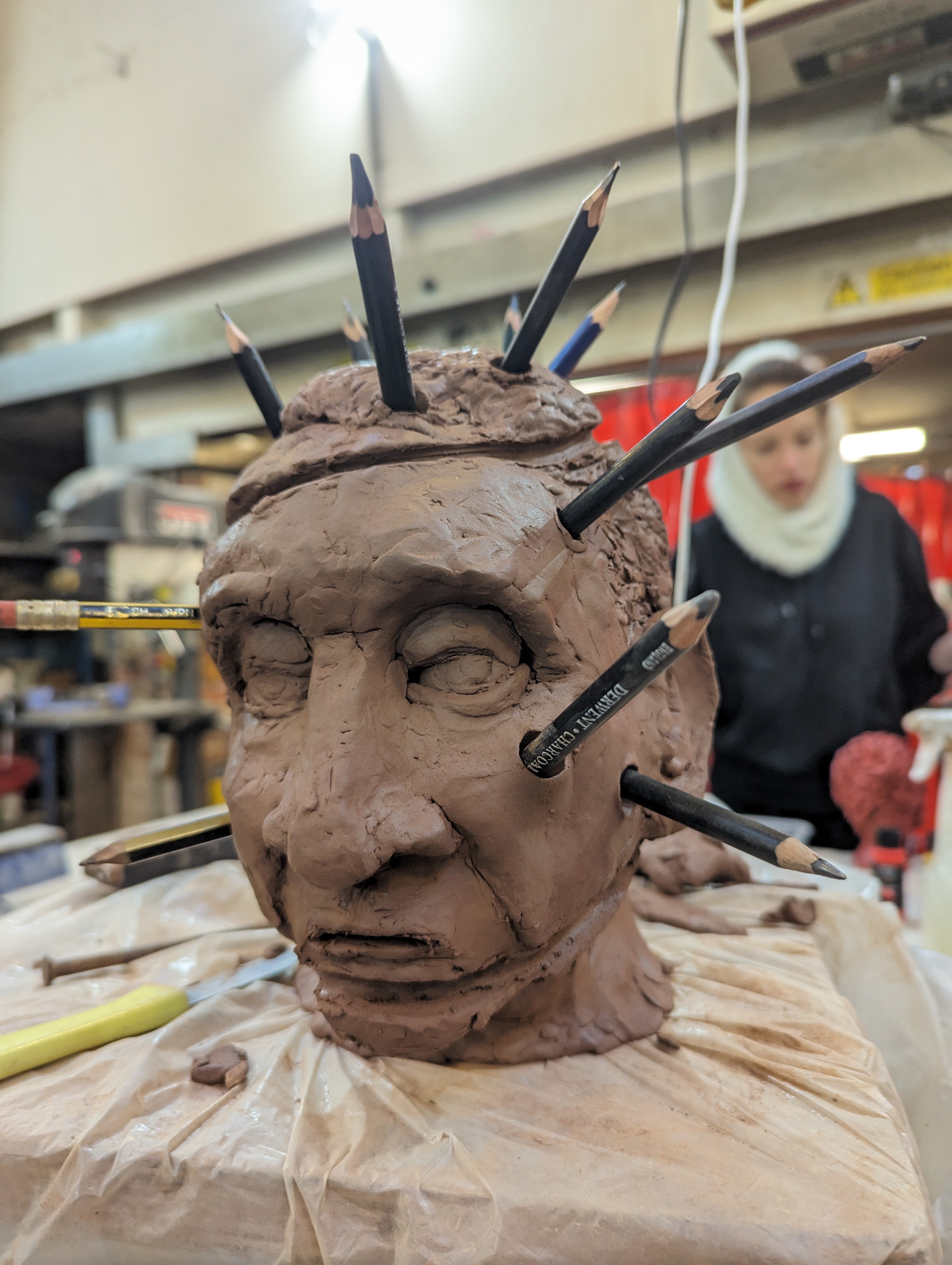
I had a collection of broken pencils and useless brushes and glued them into the pre fired holes

Artist’s Dilemma, terracotta, hot glue and artists tools

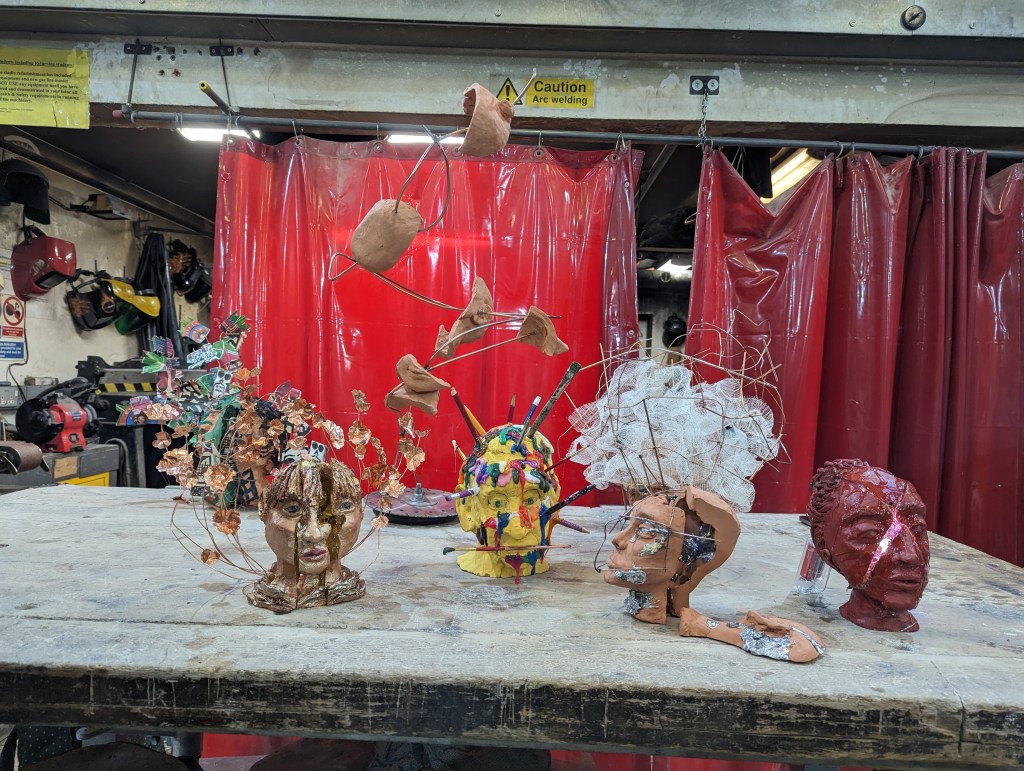
I consider it a success, the bust did meet the plan, if in an eccentric way . The class produced a group of very different successful pieces.

The two most interesting busts:

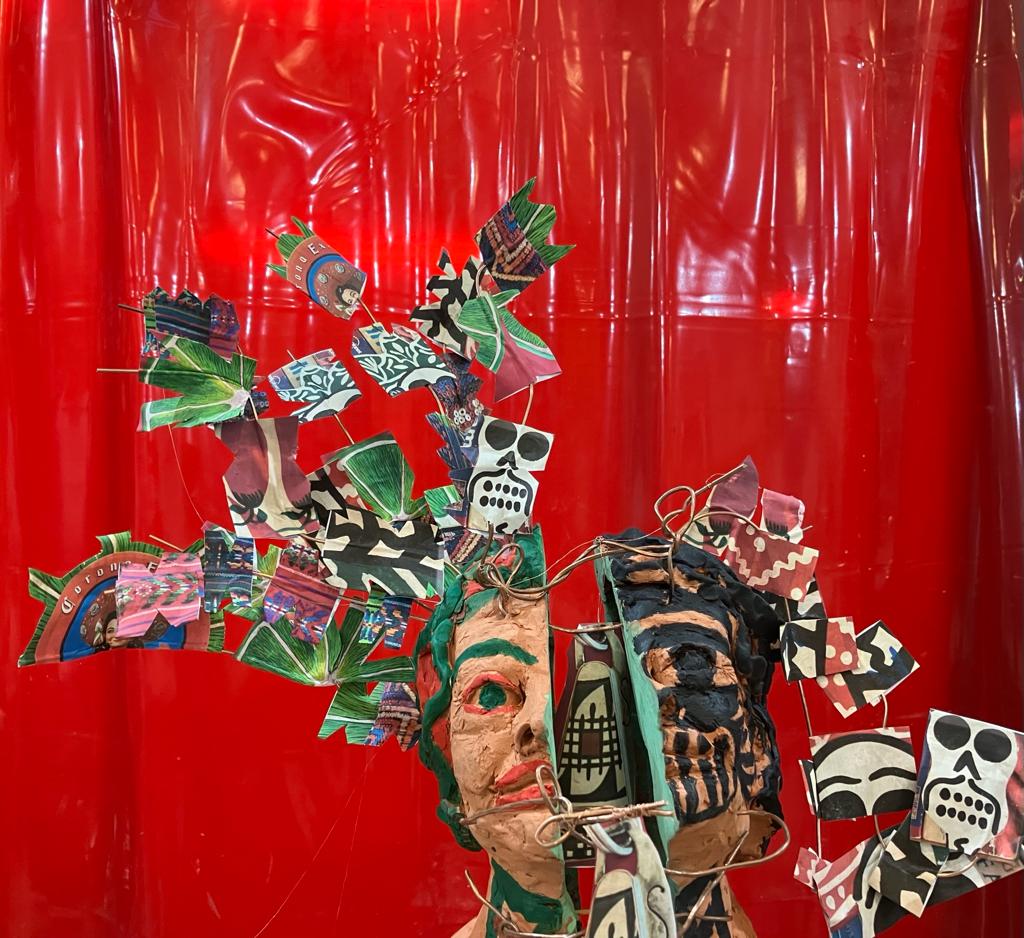
Catherine’s Mexican inspired bust
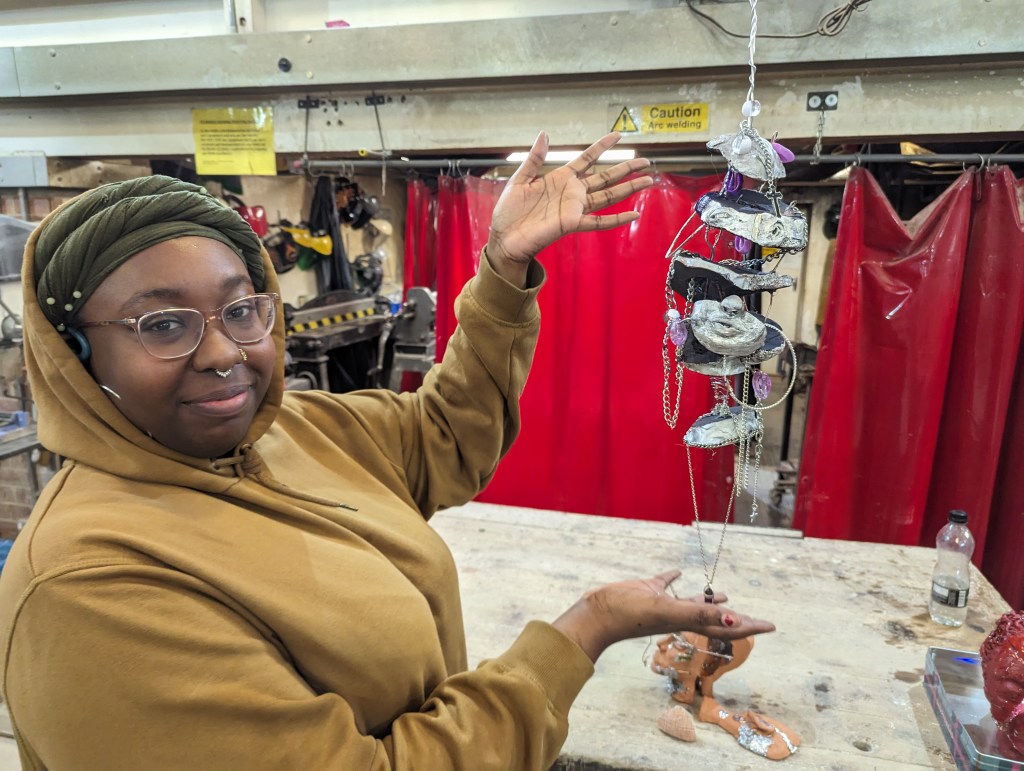
Alex’s hanging bust, the most personal and interesting

painting from life, not photos.

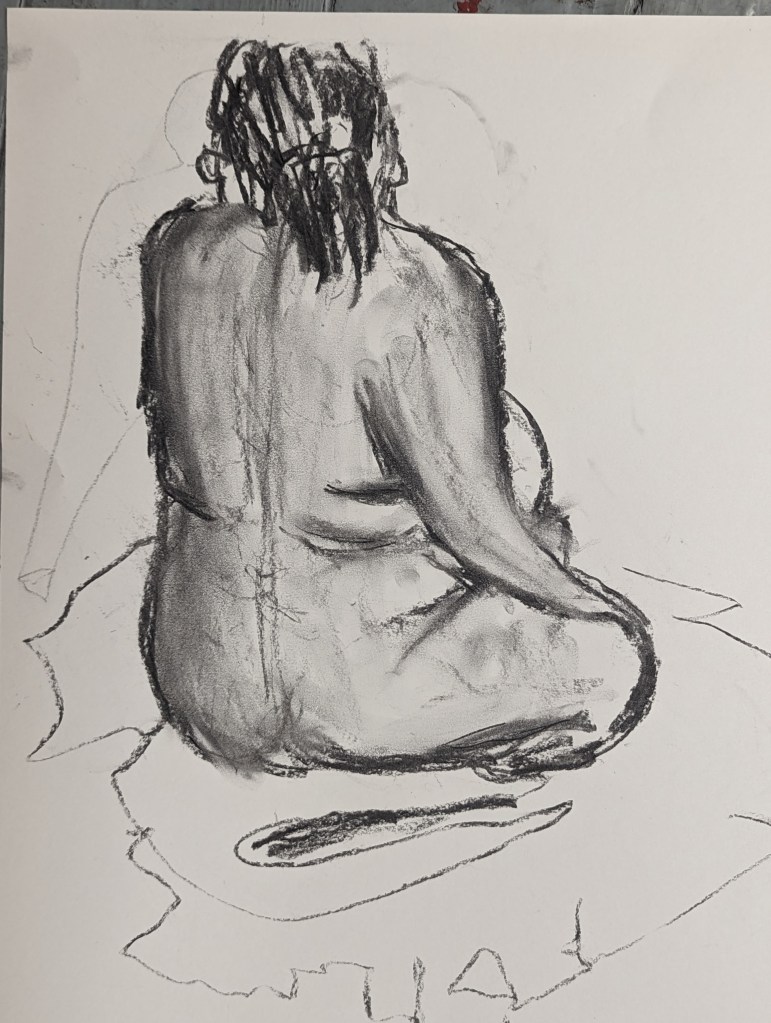
we had a day painting from life, quick charcoal drawings freed up our hands and eyes. We learnt how to build up a painting from observational drawing, tonal underpainting, mixing a good supply of the perfect skin tone, our model was dark skinned but with a lovely blush from the blood just under her skin.

With a mixed base of a skin tone we were taught to make a palate of lighter and darker tones to use. I used yellow and white to lighten, blue and green to darken. It was very difficult to find the right tones for the subtle changes in colour and light on the model.

Iwe had three hours to paint aand I felt I could have painted for thirty to get everything right.

In the background I put in some forms indicating easels and tables, they are very crude and need more work, the floor boards could have been painted in more detail

Cutting up heads

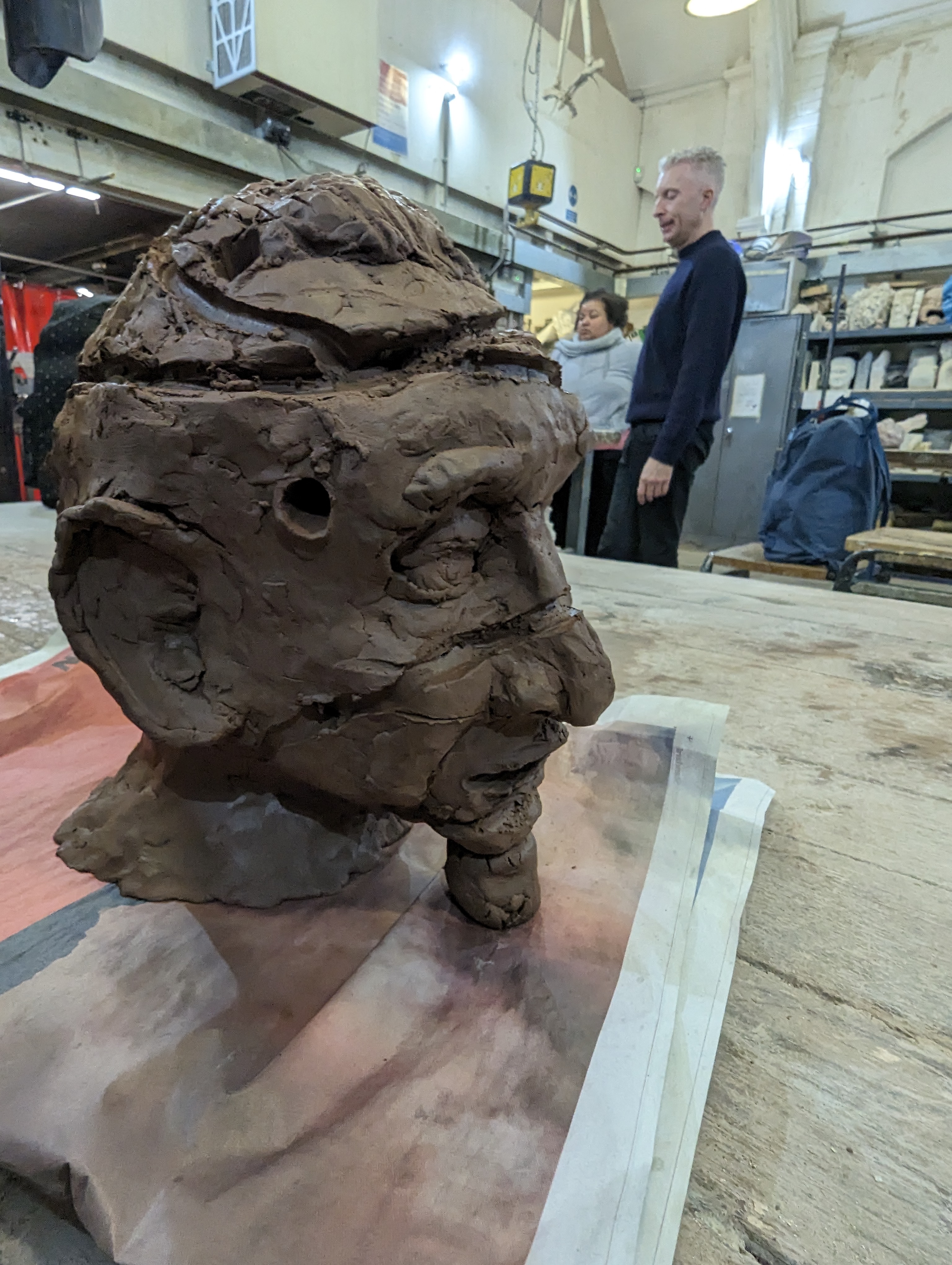
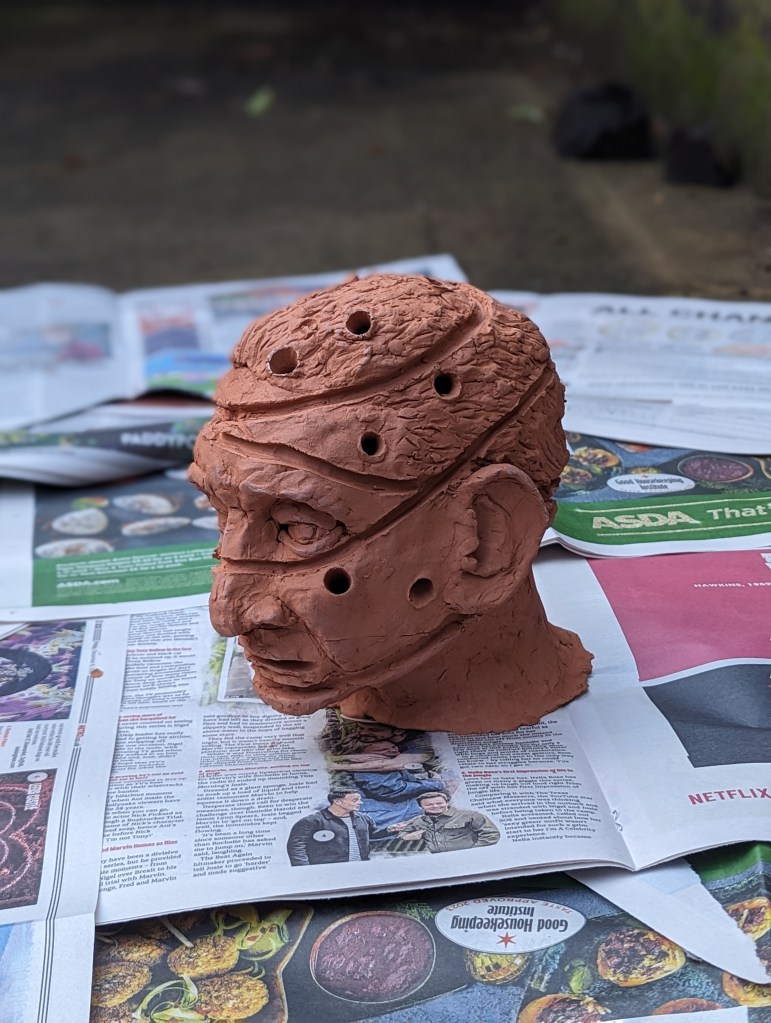
I missed a vital week because of Covid. Returning to my rather grim bust i had the task of cutting up and planning a reconstruction.

Having learnt to hollow out my bust for firing, and enjoying the wonderful  plasticity of clay, I decided to cut it into a spiral. Discussing with Ben if it was possible ( the clay would collapse unless supported ) I  tried a thin supporting ribbon , tracing then cutting a spiral.. the clay bent in places but i succeeded in a single spiral

After a discussion with Ben I incised two extra spirals

After firing i plan to insert pencils and paint brushes in pre positioned holes and to have paint like substance spilling from the spiral cuts. I plan to use quick drying hot glue. To finish the bust I will either spray it a bright yellow or cover with strips of paper from an art magazine. It depends on what finish the terracota will take.

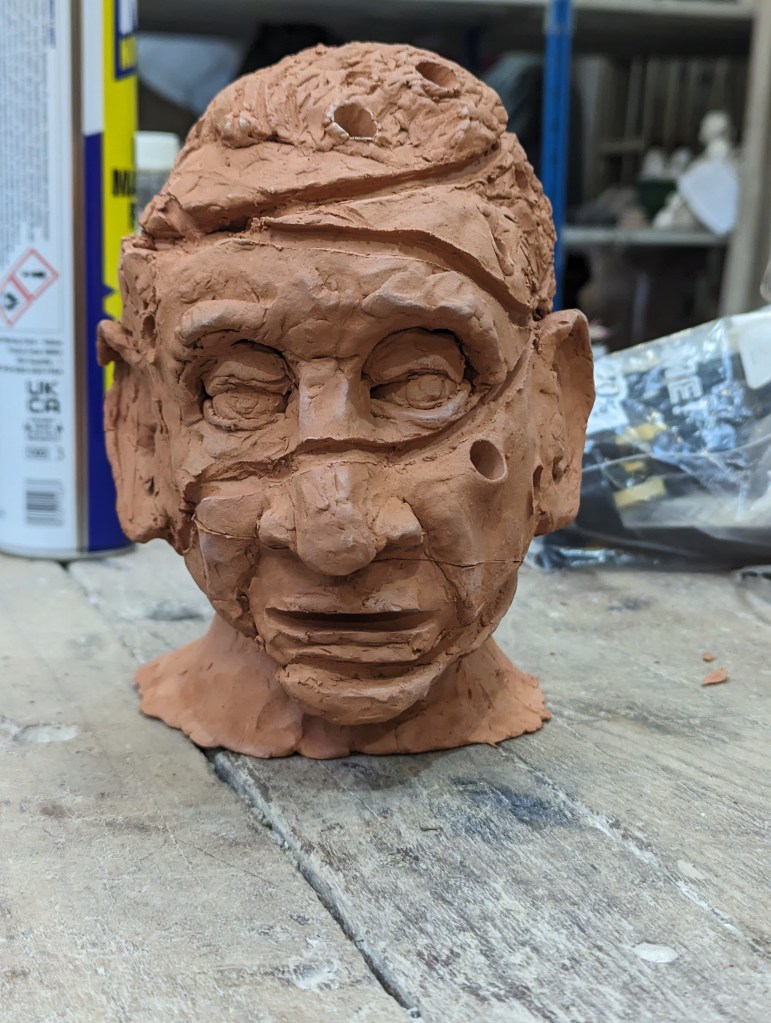
Clay glorious clay, thinking in three dimensions

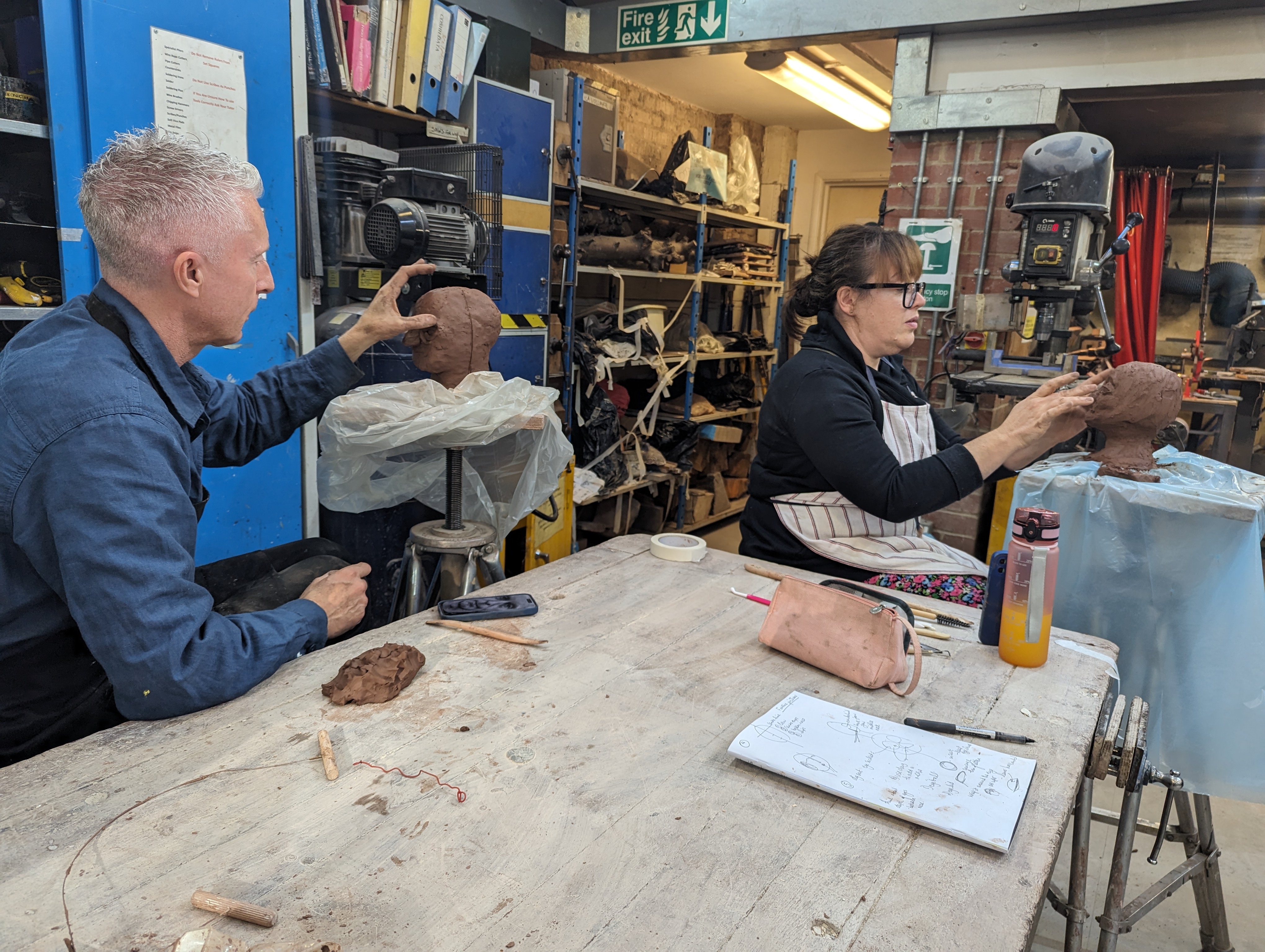
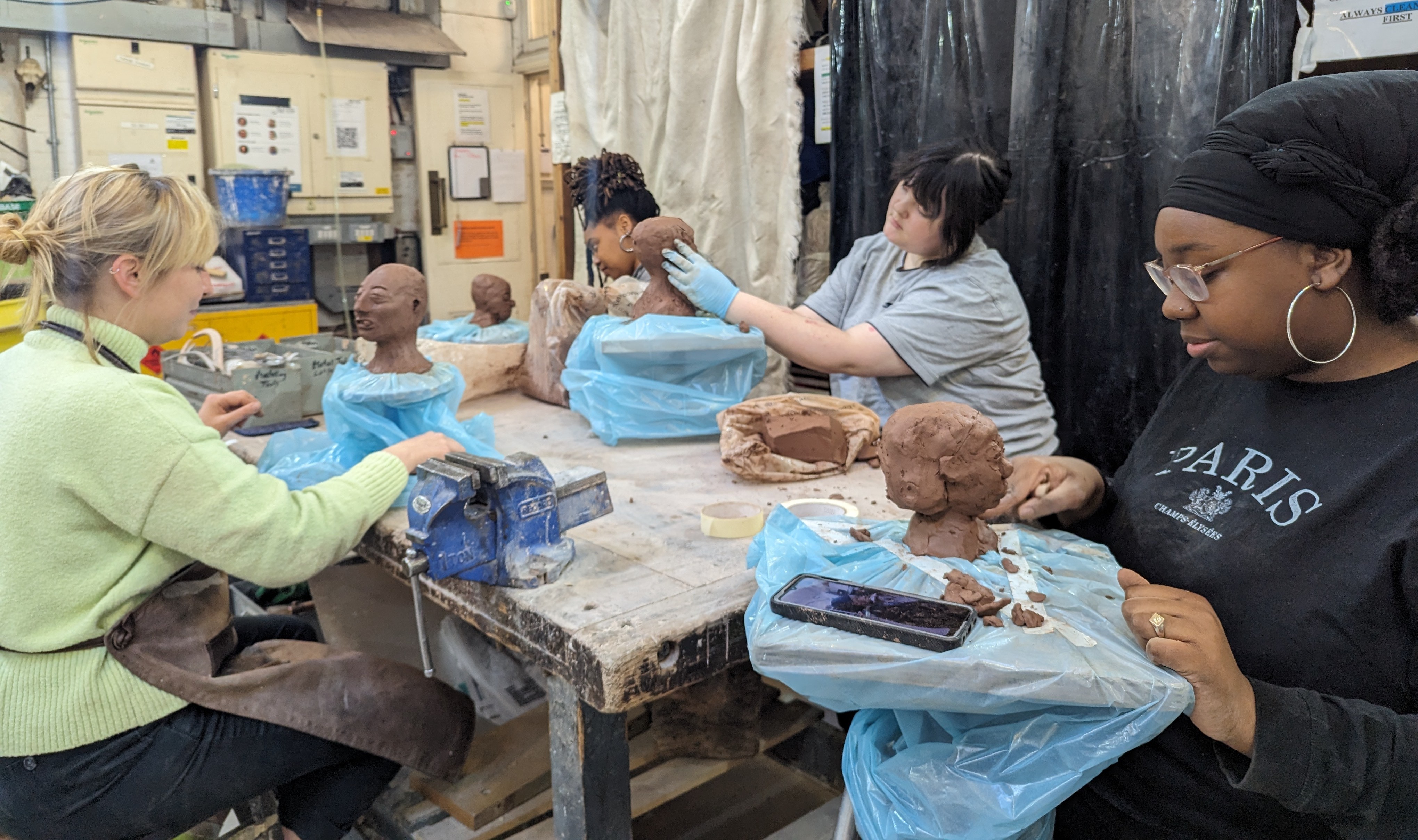
Over three weeks we have learnt about the properties of clay

The lesson is thinking and planning in three dimensions. During the last weeks we have produced work on paper, drawing , painting , printing,….now we entered the third and most difficult dimension. From tone and line we have to consider bulk, weight, texture shadow.

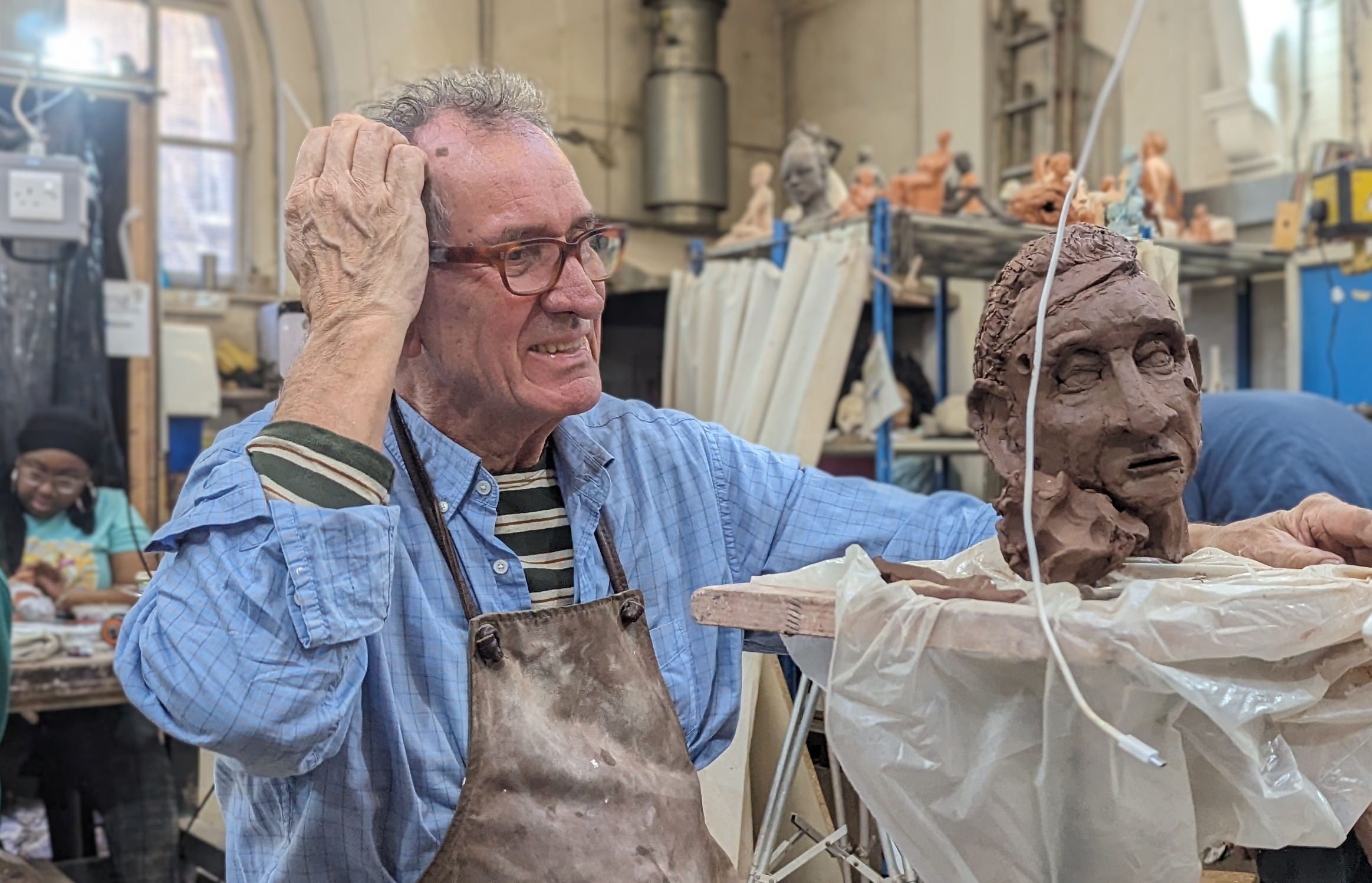
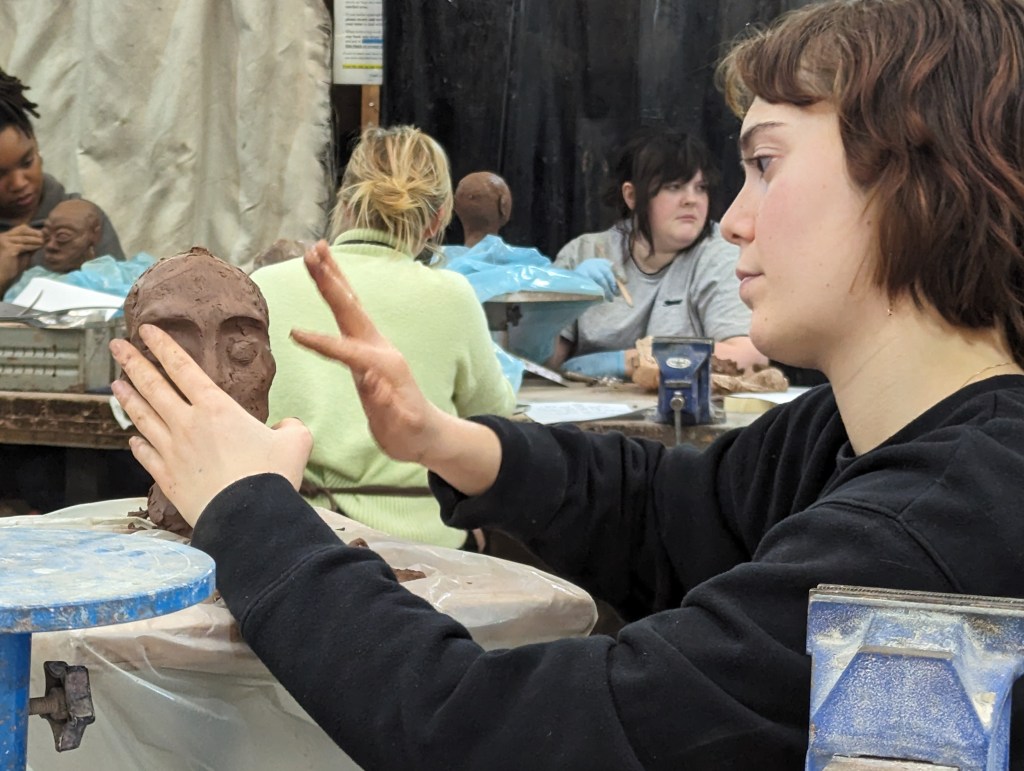
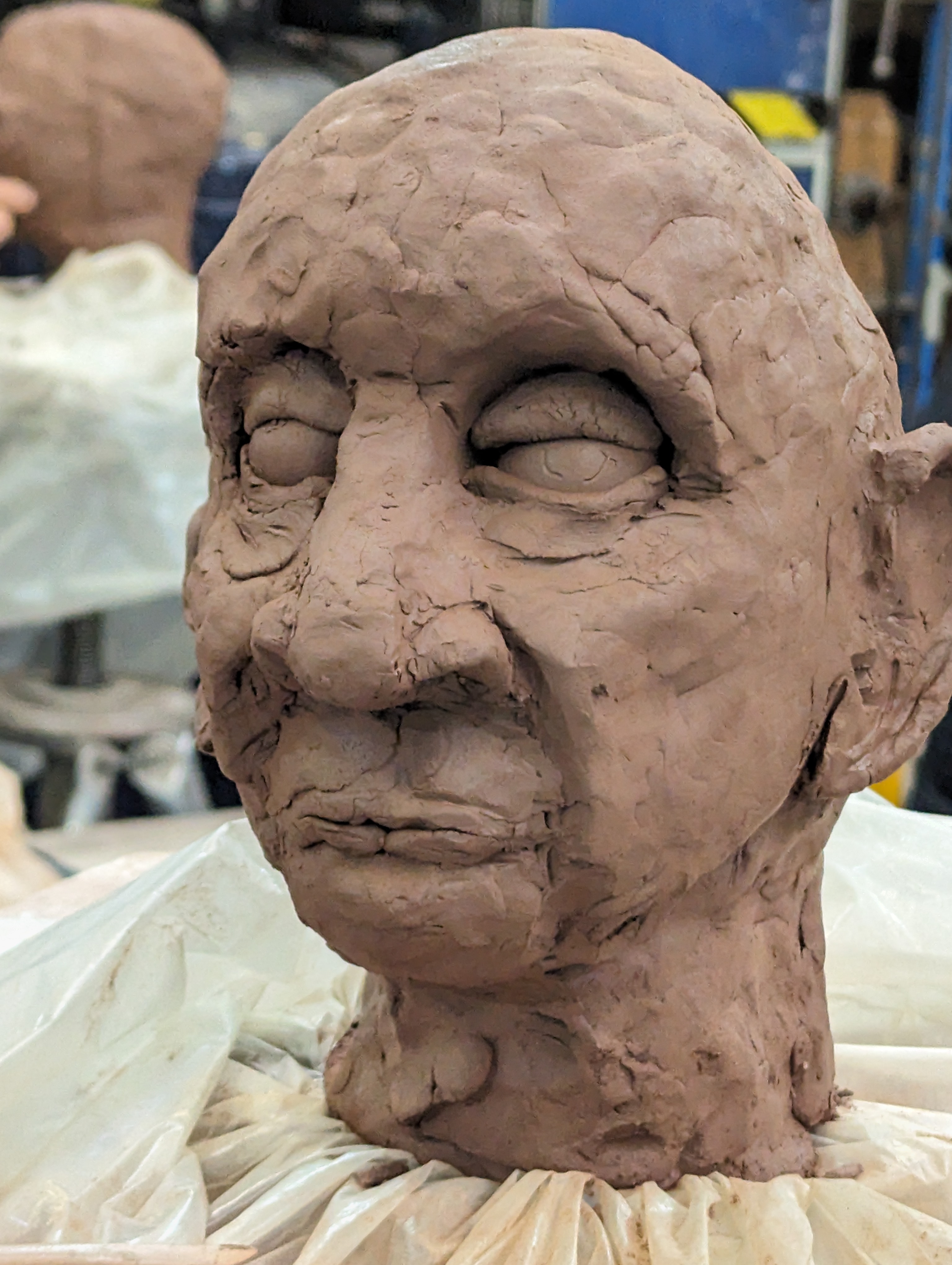
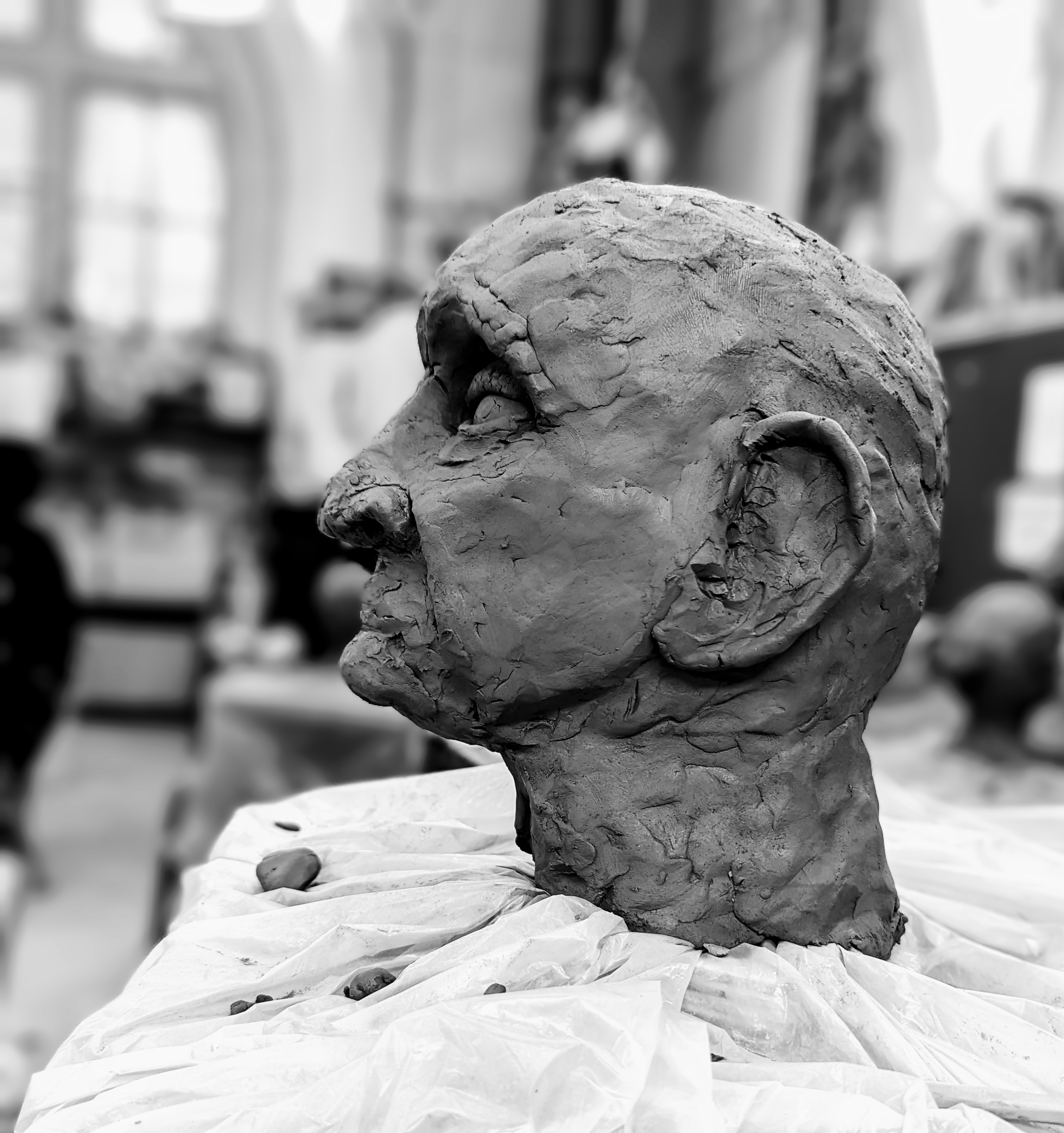
Starting with a set of head shots and a large lump of red clay we learnt to look at our heads, the enormous bulk behind our ears, the spacing of our features

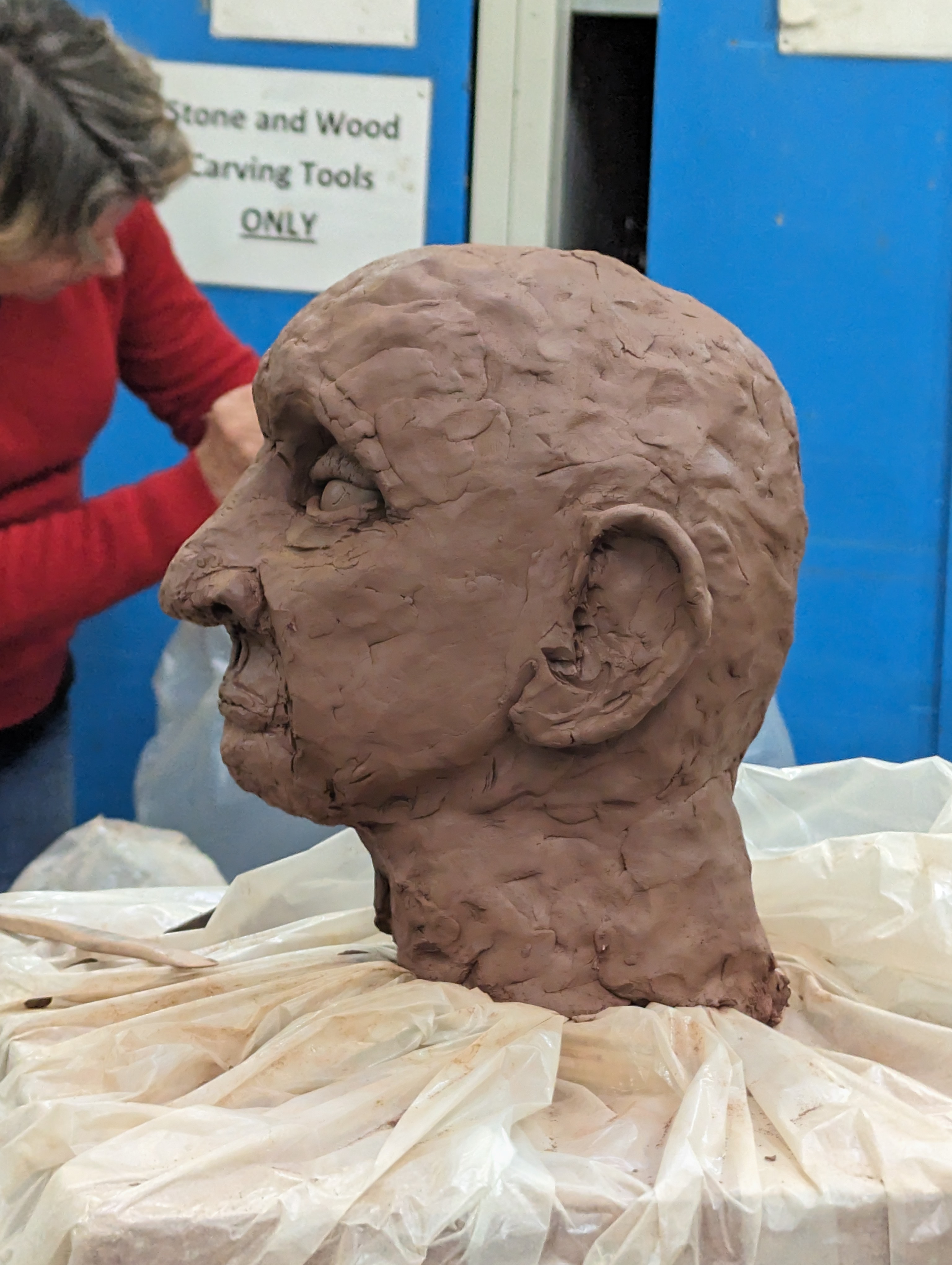
It was deeply satisfying to learn to gouge out eye sockets, make eyeballs, eye lids, lips … three muscles in the top, two in the bottom. As usual in all self portraits I produced a portrait of my father, more spitting image than joseph epstein.

It has been a deeply satisfying experience, opening a whole exciting dimension. The possibilities in the sculpture studios are very exciting .