
we spent a morning learning and experimenting with dye resist. Am ancient and popular form of decoration by resticting areas of cloth in the dying process, a process practised whereever dye and textiles meet, known as Shibori in Japan. , Bògòlanfini in Central Africa, where fermented mud is used as a dye and knotting and tieing stones used as the resist Itajime in China, where carved blocks are used to control the dying, and in Kano Nigeria where there has been a tradition dating back to the 14century of indigo rsist dying where material is stitched into patterns

Kano aidre dye resist

kano dye pits, northern nigeria
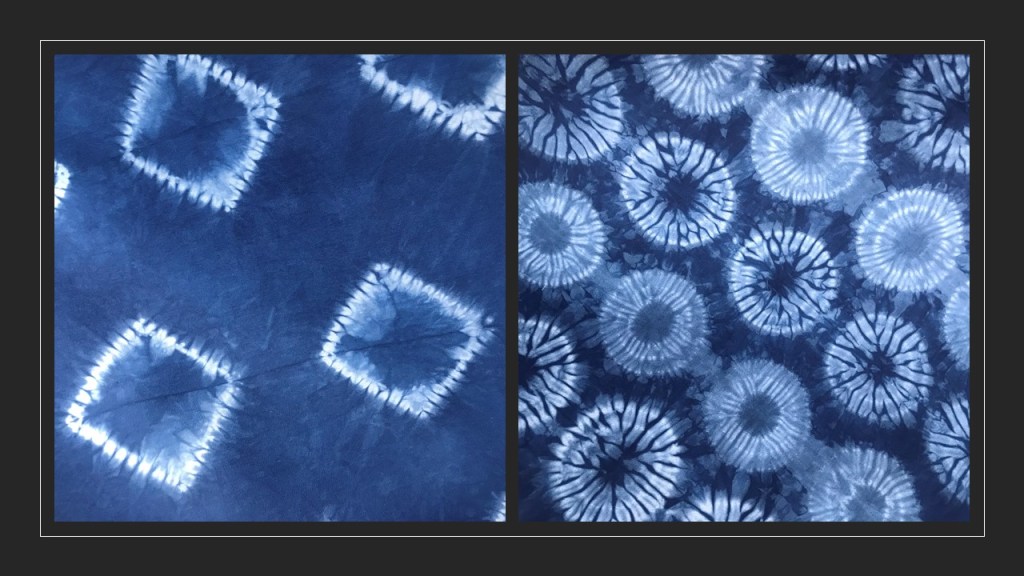
japanese shibori TIE dye

Bogolan mud dye , MARKET in mali

Tie dye , popular in west in 1960’s
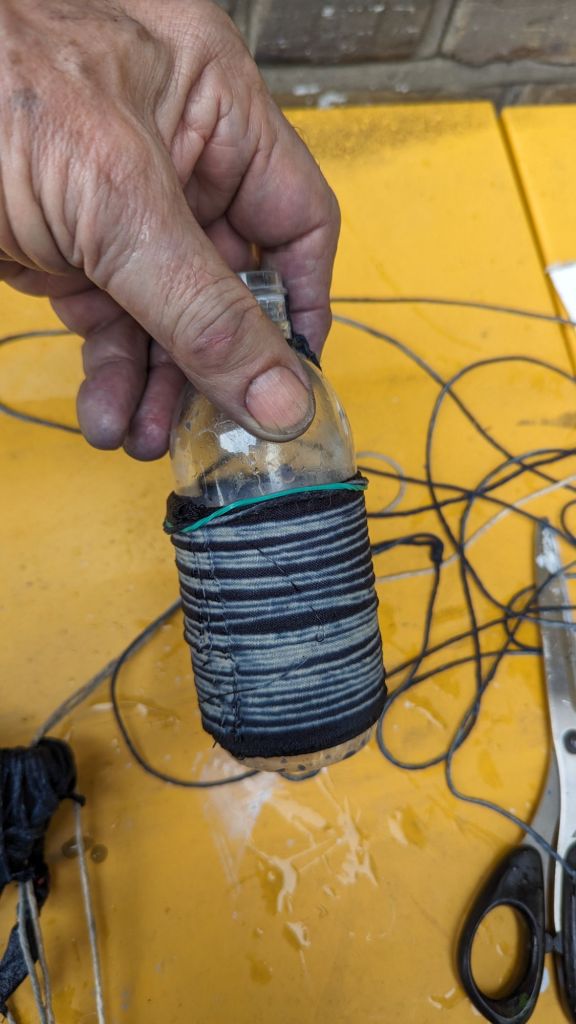
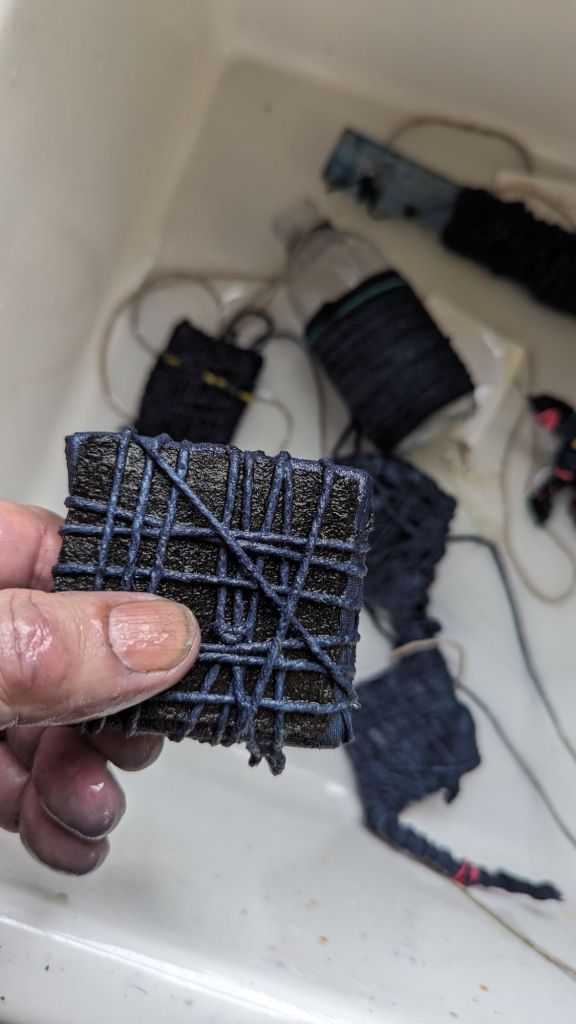
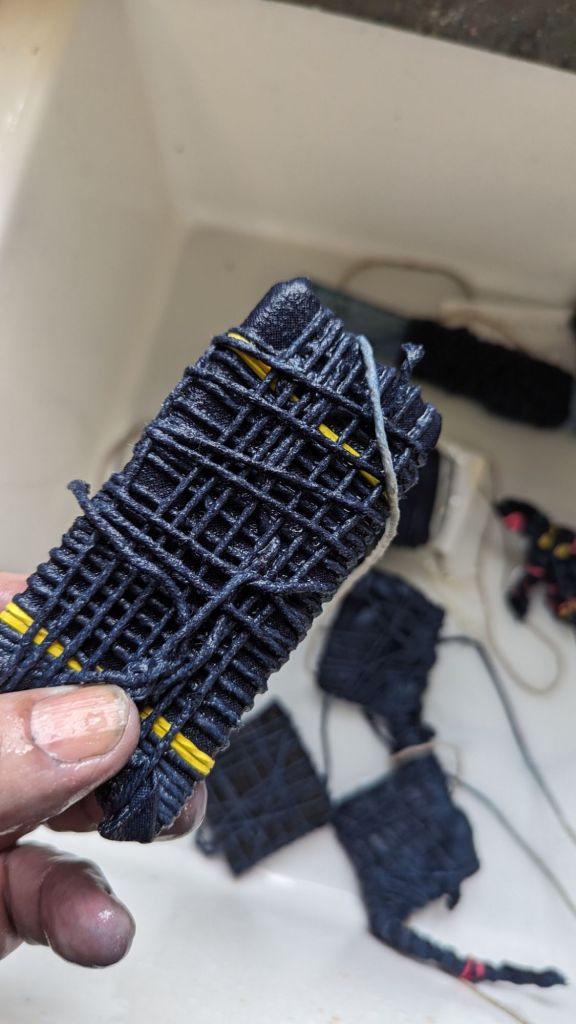
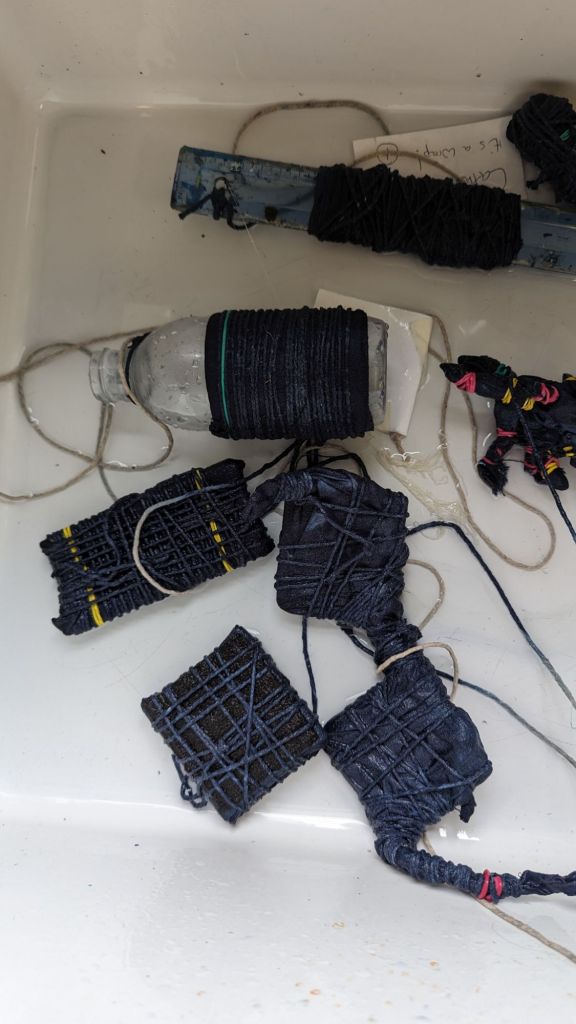
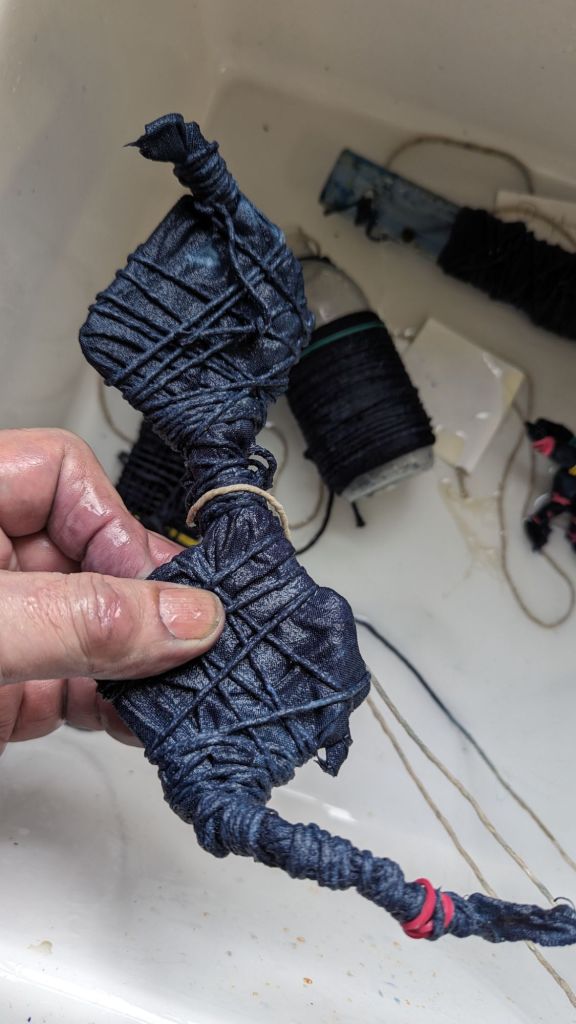
in the studio we tied cotton squares around blocks , bottles, stones, and dyed them with a cold dye close to indigo
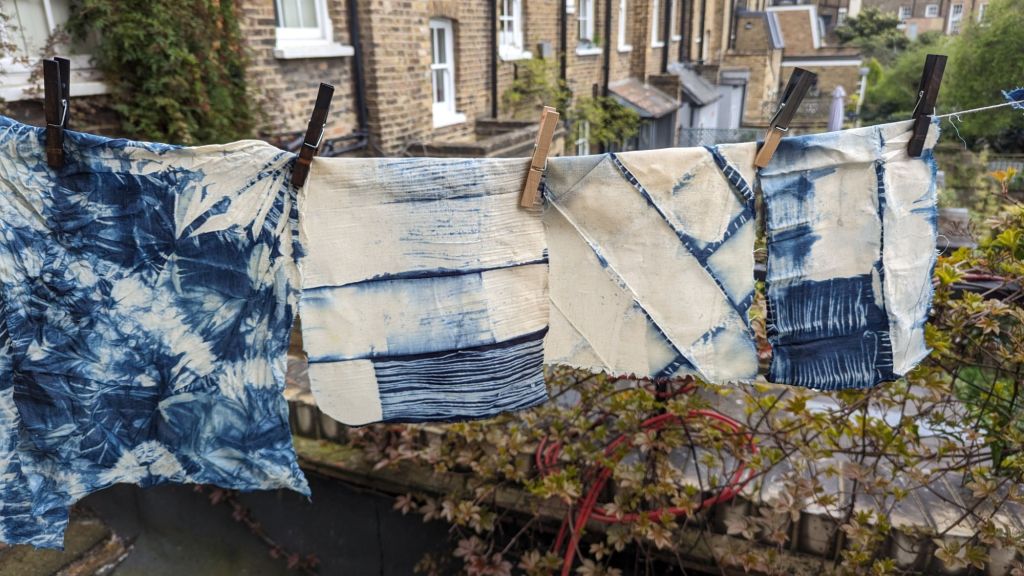
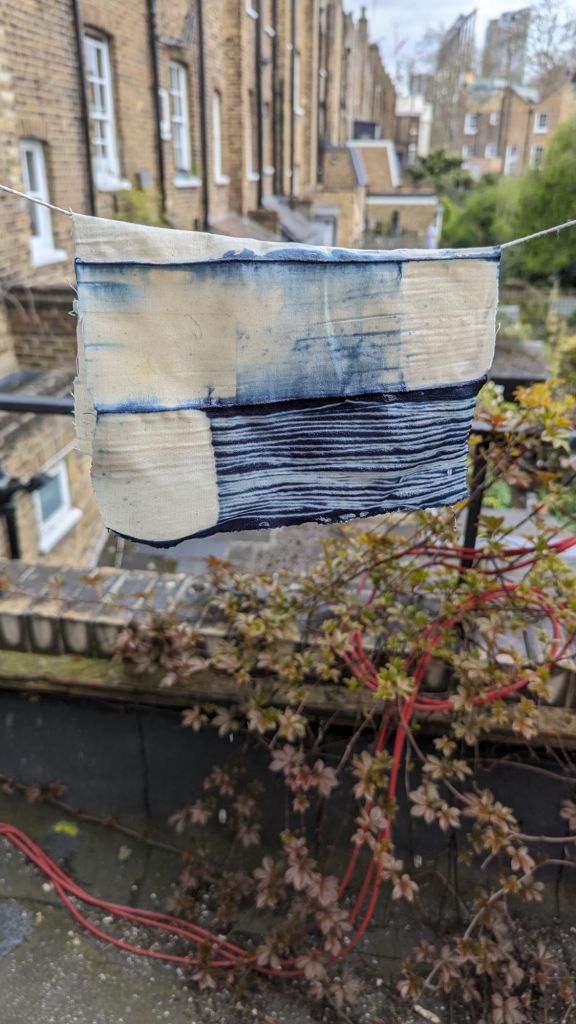
we dyed the cloth for three hours, rinsed them and left them to dry
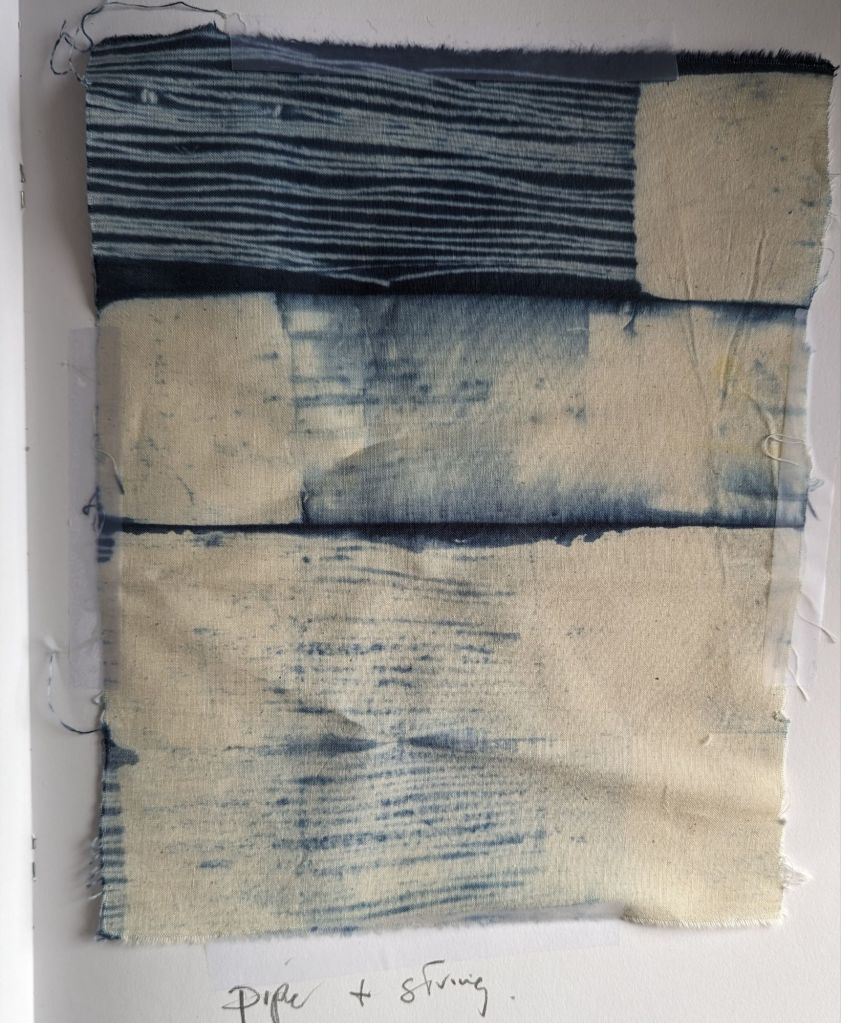
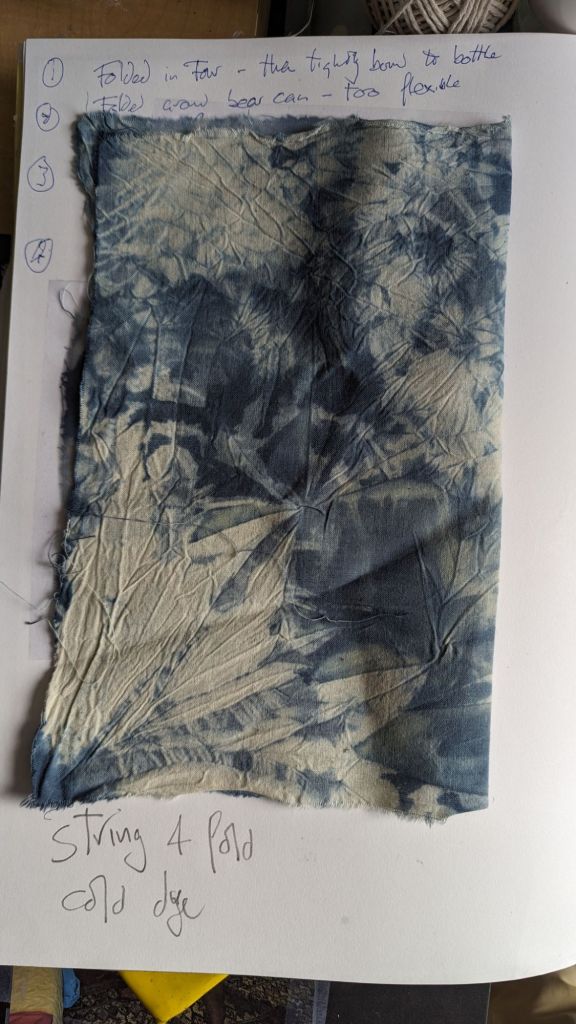
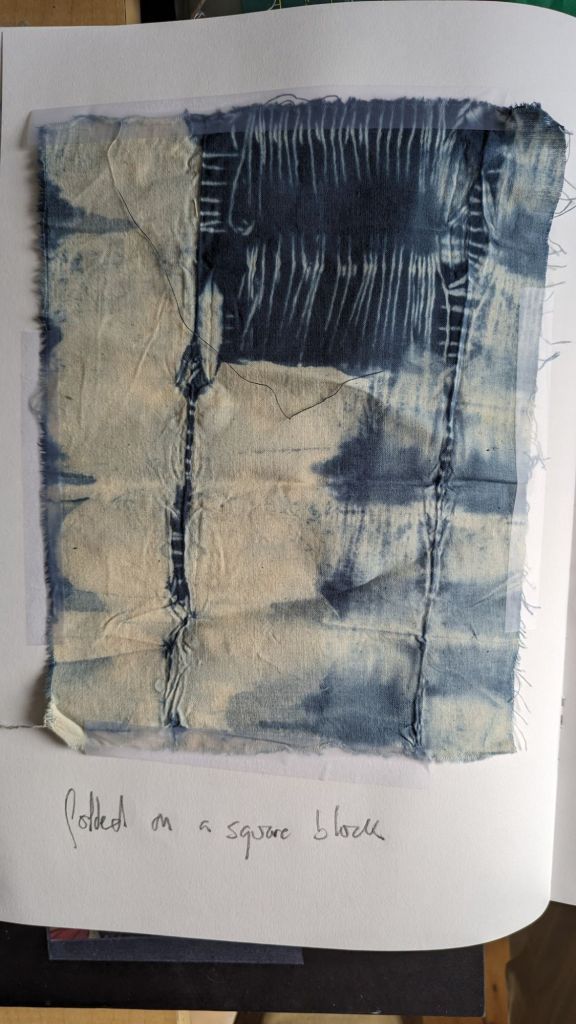
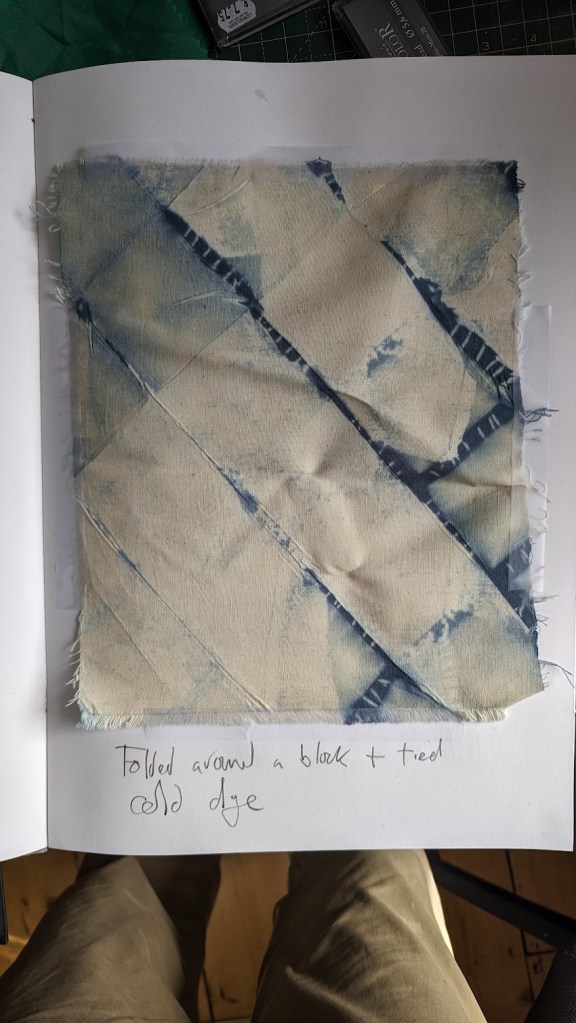
My four smaples were quite succesful, I learnt that the dye did not penetrate layers of tightly folded material and only coloured the edges of tied fabric. Given experimentation and more time I belive it is possible to make succesful and staisfying repeat patterns
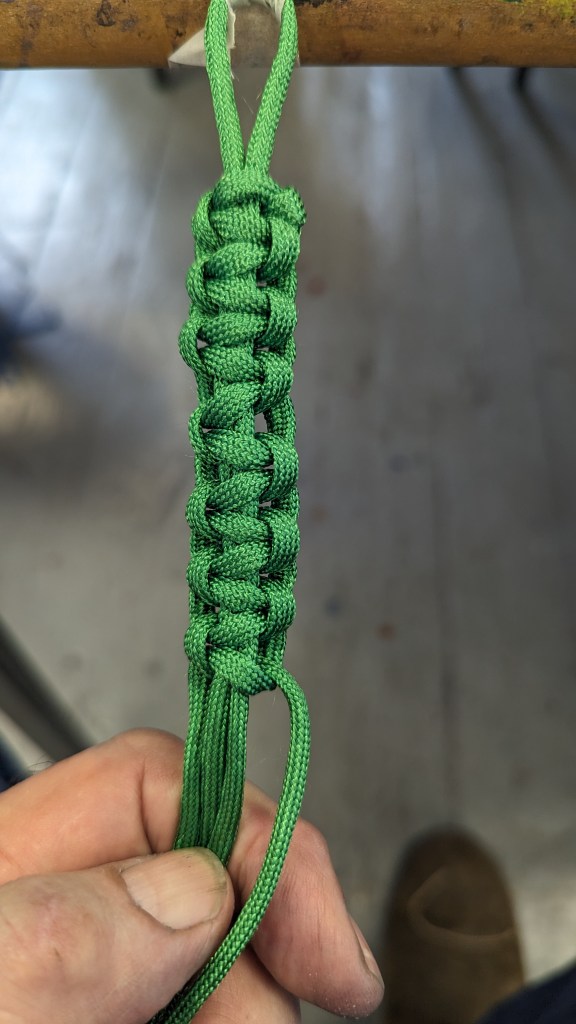
a SERIES of square knots, the basic knot of macrame
we completed the day discussing and learning knotting techniques for Macrame a tradtional decorative craft. we earnt a variety of knots and some of us succesfully knotted small nets. I look forward to making my own net if I am marooned on a desert island. Both the dying and knotting were again examples of an intersection between skilled craft and art, making a very intersting and enjoyable lesson.
 Nicholas Turner Morley Art Foundation